Where Can I Hide My Key Fob Top Secret Hiding Spots
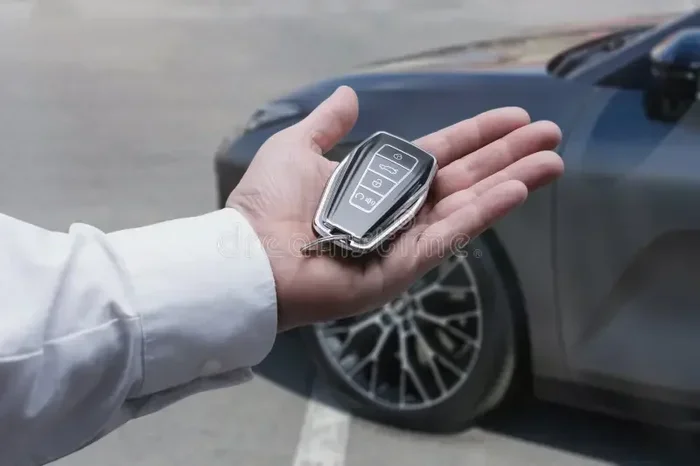
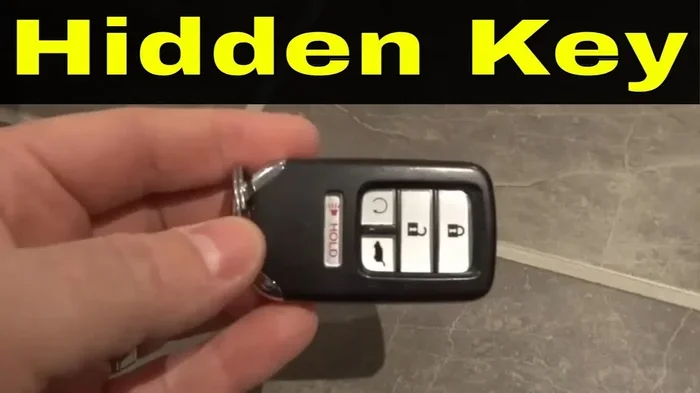
Where Can I Hide My Key Fob? Finding the right key fob hiding spot keeps your car safe from relay attacks and thieves. This guide reveals top secret hiding spots for your key fob at home and on the road. Learn how Faraday pouches, signal blockers, and creative storage solutions boost your car security tips. Hide car key fob the smart way with practical advice from security experts.
You lock your front door every night. You hide spare keys under a rock. But what about your key fob? The small device in your pocket or on your counter could be the easiest way for a thief to steal your car. Knowing where can I hide my key fob is more important than most people realize. Relay attacks have made car theft faster and sneakier than ever before.
A thief doesn’t need to break a window anymore. All they need is a device that can pick up your key fob signal through a wall or a closed door. Once they capture that signal, they can unlock and start your car in seconds. The good news? A few simple changes to how you store your key fob hiding spot can stop this in its tracks. Let’s dive into the best ways to keep your car safe.
Key Takeaways
- Hide your key fob at home in a signal-blocking pouch or a Faraday box to prevent relay theft.
- Top secret hiding spots include inside a microwave, a fake can, or a locked drawer away from doors.
- Key fob signal blockers like Faraday pouches are affordable and highly effective against theft.
- Common mistakes include hiding fobs near windows, doors, or metal surfaces that amplify signals.
- Car security tips like steering wheel locks add an extra layer of protection alongside hiding your fob.
- Expert insights show that combining multiple methods is the best way to keep your vehicle safe.
- Parking safety tips matter too — always park in well-lit areas and keep your fob away from exterior walls.
📑 Table of Contents
- Why You Need to Hide Your Key Fob Properly
- Top Secret Hiding Spots for Your Key Fob at Home
- Best Key Fob Signal Blockers and Safes
- Common Mistakes People Make When Hiding Key Fobs
- How Thieves Target Key Fobs (Relay Attacks Explained)
- Expert Tips for Everyday Key Fob Security
- Key Takeaways
- Conclusion
Why You Need to Hide Your Key Fob Properly
Many people think their keyless entry system is safe because the fob stays inside the house. That’s a dangerous assumption. Modern cars use low-frequency radio signals to communicate with your fob. Thieves use special equipment to intercept these signals and relay them to your car parked outside.
This type of key fob signal theft is called a relay attack. It works even if your fob is inside your home. The signal can pass through walls, windows, and doors. If your fob is sitting on a hallway table near the front door, a thief can detect it from outside. That’s why finding a good key fob hiding spot matters so much.
The Growing Threat of Relay Attacks
Relay attacks have increased dramatically over the past five years. Car manufacturers have made keyless entry more convenient, but that convenience comes with a security risk. Thieves use two small devices. One captures your fob’s signal from inside your home. The other sends that signal to your car parked in the driveway.
Your car thinks the fob is right next to it. It unlocks the doors and lets the engine start. The entire process takes less than 30 seconds. And the worst part? You won’t even know it happened until your car is gone. This is exactly why where can I hide my key fob deserves your full attention.
How Faraday Technology Protects Your Fob
A Faraday pouch is one of the simplest and most effective tools for hide car key fob protection. It blocks electromagnetic signals from escaping. When your fob is inside a Faraday pouch, no signal gets out. Thieves can’t intercept it. These pouches cost between $5 and $20, making them one of the best car security tips you can follow.
Some people also use signal blocker boxes or Faraday cages for multiple fobs. These larger versions work the same way but can hold several devices. They’re great for families with multiple cars. The key is to use one every single time you store your fob at home.
Top Secret Hiding Spots for Your Key Fob at Home
Not all hiding spots are created equal. Some locations make it easy for thieves to find your fob. Others offer real protection. Here are the best key fob hiding spots that actually work.
Inside a Microwave or Oven
This might sound old-school, but a microwave oven is one of the best signal blockers in your home. The metal interior acts like a Faraday cage. Place your fob inside the microwave and close the door. Make sure you don’t turn it on! This is a simple and effective way to block your key fob signal from reaching outside.
Another option is a metal filing cabinet. A locked metal cabinet adds a physical barrier along with signal blocking. Thieves would need to find the cabinet and pick the lock. That buys you time and makes your home a harder target.
The Fake Can Trick
Some people hide their fob inside a empty can of soup or beans in the pantry. This is a clever key fob hiding spot because it blends in with everyday items. Thieves scanning your home won’t think to look inside a food can. Just make sure the can is sealed and placed with your other pantry items.
You can also use a empty tissue box or a coffee tin. The goal is to place your fob somewhere that doesn’t look like a storage spot for electronics. Hide car key fob in a location that feels random and unremarkable.
A Locked Drawer Away From Exterior Walls
Your fob should never be stored near exterior walls or windows. Signals pass through these barriers easily. Instead, find an interior room or a locked drawer in the center of your home. A bedroom closet or a bathroom cabinet works well. The more walls between your fob and the outside, the better.
Consider placing your fob in a drawer with other metal objects. Keys, coins, and metal tools can help scatter and weaken the signal. This adds another layer of vehicle theft prevention without any extra cost.
Inside a Safe or Lockbox
If you want the highest level of protection, a small safe is ideal. A fireproof lockbox keeps your fob hidden and secure. You can also store other valuables inside. Look for a safe that is small enough to fit in a closet or under a desk.
Some safes come with signal-blocking lining built in. This gives you both physical security and signal protection. It’s the best of both worlds. If you’re serious about car security tips, investing in a safe is a smart move.
Best Key Fob Signal Blockers and Safes
Not all signal blockers work the same way. Let’s compare some popular options so you can choose the right one for your needs.
| Product Type | Price Range | Signal Blocking | Best For |
|---|---|---|---|
| Faraday Pouch | $5 – $15 | Excellent | Single fob storage at home |
| Faraday Box | $20 – $50 | Excellent | Multiple fobs or larger devices |
| Metal Filing Cabinet | $40 – $100 | Good | Home office storage |
| Microwave Oven | Free | Very Good | Emergency or temporary storage |
| Signal-Blocking Safe | $30 – $80 | Excellent | Long-term secure storage |
Each option has its strengths. A Faraday pouch is the most affordable and portable choice. It fits in your pocket, your bag, or your nightstand drawer. A Faraday box is better if you have multiple fobs or other wireless devices to protect.
For the best car anti-theft device strategy, combine a signal blocker with a physical lock. Use a steering wheel lock alongside your signal-blocking pouch. This makes it extremely hard for thieves to steal your car. Even if they bypass the signal, they still face a physical barrier.
Quick Tips for Choosing the Right Blocker
- Test your blocker by placing your fob inside and trying to unlock your car from outside.
- Look for certified products that specifically block RFID and NFC signals.
- Avoid cheap plastic boxes — they don’t block signals at all.
- Choose a pouch with a zipper seal to ensure no signal leaks out.
- Read reviews from other car owners who have tested the product.
Common Mistakes People Make When Hiding Key Fobs
Even with good intentions, many people make mistakes that leave their cars vulnerable. Here are the most common key fob hiding spot errors you should avoid.
Hiding the Fob Near the Front Door
This is the number one mistake. Your front door is the easiest point for a thief to access your key fob signal. A bowl or hook near the entryway might be convenient, but it’s a gift to car thieves. Move your fob at least 15 feet away from any exterior door.
Placing the Fob on a Windowsill
Windows are thin and signal-friendly. A fob sitting on a windowsill is practically an invitation for thieves. Glass does little to block radio waves. Keep your fob away from windows entirely. Even a closed window doesn’t provide enough protection against modern relay devices.
Using the Same Hiding Spot Every Time
If you always hide your fob in the same place, someone might notice the pattern. Rotate your key fob hiding spot regularly. Move it to a different drawer, a different room, or a different container. Variety makes it much harder for a thief to know where to look.
Forgetting About the Garage
Many people store their fob in the garage without thinking about it. But garage doors are thin and often not well insulated against signals. A thief standing outside the garage can pick up your fob’s signal easily. Always bring your fob inside the house at night.
Ignoring the Spare Fob
Do you have a spare fob in your car or in a drawer? Thieves target spare fobs too. If you have an extra fob, store it in a Faraday pouch just like your primary fob. Don’t leave it in the glove box or under a seat. That’s one of the worst key fob hiding spot choices you can make.
How Thieves Target Key Fobs (Relay Attacks Explained)
Understanding how thieves operate helps you protect yourself better. Relay attacks work in a simple but effective way. Here’s the step-by-step process.
- Thieves scan the area near your home with a signal receiver.
- They detect your fob’s signal through walls or windows.
- They capture the signal using a small device.
- They relay the signal to an accomplice near your car.
- The car unlocks and starts because it thinks the fob is nearby.
- The thieves drive away with your vehicle in under a minute.
This process is so fast that you might not even hear or see anything suspicious. The best defense is to make your fob invisible to scanners. A Faraday pouch does exactly that. It blocks the signal before a thief can capture it.
Which Cars Are Most at Risk?
Most modern vehicles with keyless entry systems are vulnerable. Luxury brands, popular sedans, and SUVs are common targets. But even economy cars with push-button start can be stolen this way. If your car has a key fob range hack vulnerability, you need to take action immediately.
Check with your car manufacturer about available security updates. Some brands have introduced motion sensors in fobs that put the device to sleep when it’s still. Others offer apps that let you monitor your fob’s signal status. Stay informed about vehicle theft prevention updates from your dealer.
Expert Insights on Key Fob Security
Security experts recommend a layered approach to car security tips. No single method is foolproof. But combining several strategies creates a strong defense. Here’s what the pros say.
- Use a Faraday pouch every night. This is the single most effective step you can take.
- Add a steering wheel lock as a physical deterrent. Thieves want easy targets.
- Park in well-lit areas close to your home or in a garage when possible.
- Install motion-sensor lights near your parking area. Thieves avoid bright, visible locations.
- Consider a GPS tracker hidden in your car. If theft does occur, you can recover your vehicle faster.
These parking safety tips work together to create multiple layers of protection. A thief who bypasses one layer will face the next. The goal is to make your car a hard target rather than an easy one.
Expert Tips for Everyday Key Fob Security
Beyond hiding your fob, there are daily habits that improve your car security. These small changes add up over time and keep your vehicle safer.
Turn Off Your Fob’s Signal at Night
Some fobs let you disable the wireless signal manually. Check your owner’s manual for instructions. If your fob has a sleep mode or a button to turn off wireless communication, use it every night. This is an easy way to hide car key fob without changing your storage routine.
Keep Your Fob Away from Metal Surfaces
Metal surfaces can amplify and reflect your fob’s signal. Avoid placing your fob on a refrigerator, a metal shelf, or a washing machine. These surfaces can actually make your signal stronger and easier to detect. Instead, store your fob in a fabric pouch or a wooden container.
Update Your Car’s Software Regularly
Car manufacturers release software updates that patch security vulnerabilities. Check for updates at least once a month. Many newer vehicles allow over-the-air updates. If your car doesn’t support that, visit your dealer for a quick software check.
Use Two Different Security Methods Together
The best car anti-theft device strategy uses two or more methods at once. A Faraday pouch plus a steering wheel lock is far more effective than either one alone. Thieves look for easy targets. If you make their job harder, they’ll move on to someone else.
Be Aware of Your Surroundings When Parking
Parking safety tips aren’t just for nighttime. Be mindful of where you park during the day too. Avoid parking near large bushes or dark corners where someone could hide a scanning device. Choose well-lit, open spaces whenever possible.
Teach Everyone in Your Household
Make sure every member of your family knows how to properly store the fob. Kids might leave it on a windowsill or a hallway table out of habit. Hold a quick family chat about car security tips and make it a nightly routine to place fobs in the Faraday pouch.
Key Takeaways
- Where can I hide my key fob at home? Inside a microwave, a Faraday pouch, a locked drawer, or a signal-blocking safe.
- Key fob signal theft happens through relay attacks that capture your fob’s radio signal from inside your home.
- Faraday pouches are the most affordable and effective way to block your fob’s signal.
- Common mistakes include hiding fobs near doors, windows, and exterior walls where signals escape easily.
- Car security tips work best in layers — combine signal blocking, physical locks, and smart parking habits.
- Vehicle theft prevention requires daily habits, not just one-time solutions.
- Hide car key fob in a different spot each night to avoid patterns that thieves could learn.
Conclusion
Knowing where can I hide my key fob is one of the most important car security tips you can follow. Relay attacks are real, fast, and devastating. But the good news is that protecting yourself doesn’t have to be complicated or expensive. A simple Faraday pouch costs just a few dollars and blocks your fob’s signal completely.
Combine that with smart storage habits. Keep your fob away from exterior walls, windows, and doors. Use a steering wheel lock for physical protection. Park in well-lit areas and stay aware of your surroundings. Each of these steps makes your car a harder target.
The best approach is a layered one. No single method is perfect, but together they create a strong defense. Start tonight by placing your fob in a signal-blocking pouch. Move it to a different key fob hiding spot in your home. And make it a habit you never skip.
Your car is one of your biggest investments. Protect it with the same care you give your home and your belongings. A few minutes of effort now can save you from the stress, cost, and inconvenience of vehicle theft. Take action today and enjoy peace of mind every time you park your car.
Frequently Asked Questions
What is the best place to hide a key fob at home?
The best key fob hiding spot at home is inside a Faraday pouch placed in an interior room away from exterior walls. A locked drawer, a metal cabinet, or a signal-blocking safe are also excellent choices. Avoid placing your fob near windows, doors, or any exterior surface where signals can escape.
Can a key fob be hacked through a wall?
Yes, key fob signal theft can happen through walls, especially if the fob is close to an exterior wall. Thieves use relay devices that capture your fob’s signal and relay it to your car. This is why where can I hide my key fob matters so much. Using a Faraday pouch blocks the signal completely, even through walls.
Does a Faraday pouch really work?
Yes, a Faraday pouch is one of the most effective tools for car security. It blocks electromagnetic signals from escaping, which prevents thieves from capturing your fob’s signal. Look for certified pouches that specifically block RFID and NFC frequencies. Test yours by placing your fob inside and trying to unlock your car from outside.
Should I keep my spare key fob in the car?
No, keeping a spare fob in your car is a major security risk. Thieves know to look in glove boxes, under seats, and in center consoles. Store all spare fobs in a Faraday pouch inside your home. This is one of the most overlooked car security tips that can make a big difference.
What is a relay attack on a car?
A relay attack is a method where thieves use two devices to steal your car. One device captures your fob’s signal from inside your home. The other device sends that signal to your car parked outside. Your car unlocks and starts because it thinks the fob is nearby. This entire process takes less than a minute and requires no breaking or forcing.
How can I test if my key fob is secure?
Place your fob inside a Faraday pouch and stand near your car. Try to unlock and start your car. If it doesn’t respond, your pouch is working correctly. You can also ask a friend to stand outside your home with a signal scanner while your fob is inside. If the scanner can’t detect your fob, your storage method is effective.
=== CONCLUSION ===
Where Can I Hide My Key Fob — the answer is closer and simpler than you think. With the right key fob hiding spot, a Faraday pouch, and a few smart habits, you can protect your car from relay attacks and thieves. Start with one change today. Place your fob in a signal-blocking pouch and move it to a secure location every night. Your future self will thank you for taking these car security tips seriously. Stay safe, stay smart, and keep your vehicle protected.