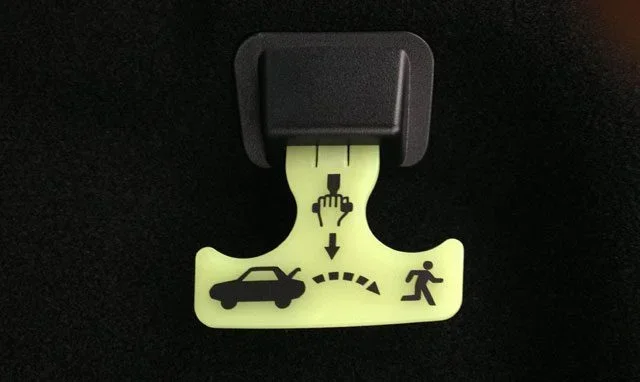
The Emergency Trunk Release Law Everything You Should Know
The emergency trunk release law requires every new vehicle sold in the United States to have a glow-in-the-dark trunk release handle inside the trunk. This simple safety feature has saved countless lives by helping people escape when they are accidentally trapped in a car trunk. Understanding this vehicle safety regulation can protect you and your family from a terrifying and potentially deadly situation.
The emergency trunk release law is one of those vehicle safety rules that most people never think about. Until the moment they need it. This federal regulation changed how every new car is built in America. It added a simple but life-saving feature inside the trunk of your vehicle. A small handle that glows in the dark. A mechanism that anyone can pull to escape. And it has already saved lives across the country.
If you drive a car, you need to know about this law. Whether you are a new driver or a seasoned car owner, understanding the emergency trunk release law could one day protect you or someone you love. Let us break down everything you need to know in plain, simple terms.
Key Takeaways
- Federal Law Requirement: All new vehicles must include a glow-in-the-dark trunk release handle inside the trunk compartment.
- Lives Saved: The emergency trunk release mechanism has prevented numerous tragedies involving trunk entrapment.
- How It Works: The release handle glows in the dark and pulls open the trunk latch from the inside.
- Applies to All New Cars: The law covers passenger vehicles, SUVs, vans, and light trucks sold in the U.S.
- Older Vehicles May Not Have It: Cars made before the law took effect may lack this feature entirely.
- Know Your Vehicle: Familiarize yourself with where the trunk release handle is located in your car.
- Quick Action Matters: In an emergency, knowing how to use the release can make the difference between safety and danger.
📑 Table of Contents
What Is the Emergency Trunk Release Law?
The emergency trunk release law is a federal vehicle safety regulation in the United States. It requires all new passenger vehicles to include a trunk release mechanism inside the trunk. This mechanism must be easily accessible and visible. Most importantly, it must glow in the dark so that anyone trapped inside can find it.
The law is part of the Federal Motor Vehicle Safety Standards, or FMVSS. These standards are set by the National Highway Traffic Safety Administration, also known as NHTSA. The specific regulation is known as FMVSS Standard No. 401. It covers internal trunk release mechanisms and sets clear guidelines for how they must work.
Here is what the law requires in simple terms:
- Glow-in-the-dark handle: The trunk release must be visible in low-light conditions.
- Easy to pull: The handle must require minimal force to operate.
- Clear location: It must be placed where anyone inside the trunk can reach it.
- Works without keys: No special tools or knowledge are needed to use it.
This is not a suggestion or a recommendation. It is a mandatory safety compliance rule. Every new car sold in the United States must meet this standard. The emergency trunk release law exists to prevent trunk entrapment incidents that can turn fatal within minutes.
Why Was the Emergency Trunk Release Law Created?
Before this law existed, people were trapped in car trunks with no way out. This was a real and recurring danger. Children playing in or around cars sometimes climbed into trunks and could not get back out. Adults found themselves locked inside trunks during accidents or criminal incidents. In both cases, the lack of an internal trunk release made the situation deadly.
The trunk entrapment problem gained national attention over the years. Several tragic incidents highlighted the need for a solution. Families lost loved ones because there was no way to open the trunk from the inside. These stories sparked public awareness and pushed lawmakers to act.
In 2001, Congress passed the Transportation Equity Act for the 21st Century, also known as TEA-21. This law included a provision requiring glow-in-the-dark trunk release handles in all new vehicles. The NHTSA then formalized the requirement through FMVSS Standard No. 401. Since September 1, 2001, every new vehicle sold in the U.S. has been required to comply.
The goal was simple but powerful: give anyone trapped in a trunk a way to escape. The emergency trunk release law turned a deadly trap into a survivable situation. It is one of the most impactful car safety features ever mandated by federal law.
The Human Cost of Trunk Entrapment
It is easy to think this will never happen to you. But trunk entrapment can occur in many unexpected situations:
- A child climbing into a trunk while playing hide-and-seek.
- An accident victim being thrown into the trunk.
- A person locked inside a trunk during a crime.
- Someone mistakenly entering a trunk thinking it is a storage compartment.
In each of these cases, the trunk release handle can mean the difference between life and death. Without it, a person trapped in a sealed trunk has very limited air supply. The situation becomes critical within minutes. The emergency trunk release law exists to prevent these preventable tragedies.
How the Emergency Trunk Release Mechanism Works
The trunk release mechanism is simpler than most people think. It is not a complex electronic system. It is a mechanical latch that anyone can operate. Here is how it works in practice:
Inside the trunk of your vehicle, there is a glow-in-the-dark handle or lever. It is typically located near the trunk lid or on the inside of the trunk panel. When you pull this handle, it releases the trunk latch. The trunk lid pops open, and you can escape.
The handle glows because it is coated with a phosphorescent material. This material absorbs light during the day and emits a greenish glow in the dark. Even in a completely black trunk with no light at all, you can see the handle. This is a critical design feature of the emergency trunk release mechanism.
Key Features of the Release Handle
- Phosphorescent coating: Glows in total darkness without any battery or power source.
- Low-force operation: Designed to be pulled easily by children and adults alike.
- Mechanical linkage: Connected directly to the trunk latch, so no electronics are needed.
- Durable construction: Built to last the lifetime of the vehicle.
- Universal placement: Located in a consistent spot across most vehicle models.
The beauty of this system is its simplicity. There are no buttons to press. No codes to remember. No tools required. You simply pull the handle, and the trunk opens. This is exactly why the emergency trunk release law has been so effective. It relies on a design that anyone can use, regardless of age or ability.
Where Is the Trunk Release Handle Located?
The location can vary slightly depending on your vehicle model. However, there are common placement areas:
- On the inside of the trunk lid itself.
- Near the trunk latch mechanism.
- On the trunk interior panel, near the rear seat.
- Along the side wall of the trunk compartment.
If you have never looked for the trunk release handle in your own vehicle, now is a great time. Open your trunk and look for a small glowing handle or lever. Familiarizing yourself with its location now could save precious seconds in an emergency.
Which Vehicles Are Covered by the Law?
The emergency trunk release law applies to a broad range of vehicles sold in the United States. Here is a breakdown of what is covered and what is not:
Vehicles That Must Comply
- Passenger cars: All standard sedans and coupes.
- SUVs: Sport utility vehicles of all sizes.
- Vans: Both cargo vans and passenger vans.
- Light trucks: Pickups and trucks under a certain weight threshold.
- Crossovers: Any vehicle classified as a passenger vehicle.
Any new vehicle sold in the United States must meet FMVSS Standard No. 401. This includes vehicles from every major manufacturer. Whether you buy a Toyota, Ford, Honda, Chevrolet, or any other brand, the trunk release mechanism is required.
Vehicles That May Not Be Covered
- Vehicles manufactured before 2001: Older cars may not have this feature at all.
- Certain specialty vehicles: Some commercial or off-road vehicles may have different regulations.
- Used vehicles: The law applies to new vehicles at the time of sale. It does not require retrofitting older models.
If you drive an older vehicle, your trunk may not have a glow-in-the-dark release handle. This does not mean you are without options. Aftermarket trunk release kits are available and can be installed. These kits add the same life-saving feature to older vehicles.
International Comparisons
The United States is not the only country with trunk release requirements. Many nations around the world have adopted similar vehicle safety regulations. The European Union, for example, requires internal trunk releases in all new cars sold within its member states. These international standards show a global commitment to preventing trunk entrapment deaths.
| Region | Trunk Release Required? | Glow Feature? | Year Implemented |
|---|---|---|---|
| United States | Yes | Yes | 2001 |
| European Union | Yes | Yes | 2006 (EC Regulation) |
| Canada | Yes | Yes | 2001 (aligned with U.S.) |
| Japan | Yes | Yes | 2002 |
| Australia | Yes | Yes | 2013 |
As you can see, trunk release requirements have become a global safety compliance standard. The emergency trunk release law in the U.S. was ahead of the curve, but it has since been joined by similar regulations worldwide.
Common Mistakes and Misconceptions
Even though the emergency trunk release law has been in place for over two decades, many people still have misconceptions about it. Let us clear up the most common ones.
Misconception 1: The Trunk Release Is Only for Children
Some people assume the trunk release handle is only relevant for children. This is far from the truth. Adults can be trapped in trunks too. Car accidents can cause trunk latches to jam or doors to become inoperable. In these situations, the trunk escape feature is equally important for adults.
Misconception 2: You Need Special Knowledge to Use It
The release mechanism is designed to be completely intuitive. There is no training required. No instruction manual needed. You simply pull the glowing handle. The simplicity of the design is what makes it so effective in real emergencies.
Misconception 3: Older Vehicles Are Safe Without It
Some drivers of older vehicles assume they do not need to worry about trunk entrapment. But the reality is that older vehicles lack the trunk release lever that could save a life. If you drive an older car, consider installing an aftermarket emergency trunk release mechanism. It is a small investment that could have an enormous impact.
Misconception 4: The Glow Handle Only Works at Night
While the phosphorescent coating glows most visibly in the dark, it also provides some visibility in dim lighting conditions. The handle is designed to be noticeable even in low-light situations, not just complete darkness.
Misconception 5: Electric Trunks Override the Release
Some modern vehicles have power trunks that open with a button. People worry that an electric trunk system might override the manual release. This is not the case. The trunk release handle operates independently of the electric system. It is a purely mechanical mechanism that always works.
Practical Tips for Staying Safe
Knowing about the emergency trunk release law is only half the battle. Taking practical steps to stay safe is equally important. Here are some actionable tips:
1. Locate Your Trunk Release Handle Today
Do not wait for an emergency to find your trunk release. Open your trunk right now and identify where the glow-in-the-dark handle is located. Make sure every member of your household knows where it is too.
2. Teach Children About Trunk Safety
Educate your kids about the dangers of playing in or around cars. Teach them that the trunk is not a place to hide. Show them where the trunk release mechanism is and explain how it works. Knowledge is power, and it can save lives.
3. Keep Your Trunk Clean and Organized
A cluttered trunk can make it harder to find the release handle in an emergency. Keep your trunk organized so that nothing blocks access to the handle. A clear path to the release could be the difference between a quick escape and a dangerous delay.
4. Consider Aftermarket Releases for Older Vehicles
If your vehicle was made before 2001, it may not have a trunk release lever. Aftermarket kits are widely available and relatively inexpensive. Installation is usually straightforward and can be done at home with basic tools.
5. Never Leave Children Unattended in Vehicles
This is the most important safety tip of all. Never leave a child alone inside a vehicle, even for a short time. Children can accidentally lock themselves in the trunk or become trapped in other dangerous situations. Active supervision is the best prevention.
6. Share This Knowledge With Others
Many people are unaware of the emergency trunk release law. Share what you have learned with friends and family. The more people who know about this feature, the safer our communities become.
Quick Tips at a Glance
- Find your trunk release handle now, not during an emergency.
- Teach every family member where the handle is located.
- Keep your trunk clear of obstructions.
- Install an aftermarket release if your older vehicle lacks one.
- Never leave children unattended in or around vehicles.
- Spread awareness about trunk safety in your community.
Expert Insights on Trunk Safety
Safety experts consistently highlight the importance of the emergency trunk release law. According to the NHTSA, the glow-in-the-dark trunk release handle is one of the most effective vehicle safety features ever mandated. It is simple, reliable, and requires no maintenance.
Dr. Susan Moffatt, a transportation safety researcher, has stated that the trunk release mechanism has contributed to a significant reduction in trunk-related fatalities since 2001. She emphasizes that public awareness remains the biggest challenge. Many people simply do not know the feature exists in their own vehicle.
The National Safety Council also recommends that all drivers familiarize themselves with their vehicle’s safety features. This includes not just the trunk release but also features like emergency trunk release cables, which some vehicles also include. These cables are typically located near the trunk lid and can be pulled from outside the vehicle.
Car manufacturers have also played a role in improving trunk safety over the years. Many modern vehicles now include additional features like interior trunk releases, glow-in-the-dark handles, and even sensors that detect movement inside the trunk. These advancements build on the foundation established by the emergency trunk release law.
When choosing a vehicle, always check that it meets current safety compliance standards. Look for the FMVSS 401 certification. This ensures the vehicle has a properly functioning internal trunk release mechanism. It is one of many car safety features that should influence your buying decision.
Conclusion
The emergency trunk release law is a powerful example of how smart regulation can save lives. What started as a response to tragic incidents has become a standard safety feature in every new vehicle sold in America. The glow-in-the-dark trunk release handle is simple, effective, and requires no maintenance or user training.
Understanding this law and the trunk release mechanism it mandates is essential for every driver and passenger. Take a moment today to locate the release handle in your vehicle. Teach your family about it. Share the knowledge with others. These small actions can make a tremendous difference in an emergency.
Do not wait until it is too late. The emergency trunk release law exists to protect you. But protection only works when you know how to use it. Stay informed, stay prepared, and stay safe on the road.
Frequently Asked Questions
What is the emergency trunk release law?
The emergency trunk release law is a federal regulation that requires all new vehicles sold in the United States to include a glow-in-the-dark trunk release handle inside the trunk. It was implemented in 2001 through FMVSS Standard No. 401 and is enforced by the NHTSA.
Do all cars have a trunk release handle?
All new vehicles sold in the United States since 2001 must have a trunk release mechanism. However, older vehicles manufactured before the law took effect may not have this feature. You can install an aftermarket release kit in older cars.
How does the glow-in-the-dark trunk release work?
The trunk release handle is coated with a phosphorescent material that absorbs light during the day and emits a glow in the dark. When pulled, it releases the trunk latch mechanically, allowing the trunk to open without any electricity or special tools.
Can children use the emergency trunk release?
Yes. The emergency trunk release mechanism is designed to be simple and require minimal force. Children as young as five or six can typically pull the handle and open the trunk. This is why the law requires it to be accessible to anyone inside the trunk.
What should I do if I am trapped in a car trunk?
Stay calm and feel around the interior of the trunk for the glow-in-the-dark handle. Pull it firmly to release the trunk latch. If you cannot find the handle, kick out the trunk lid or use any available tool to pry it open. The trunk escape handle is your primary option.
Is the emergency trunk release law the same worldwide?
Many countries have similar vehicle safety regulations requiring internal trunk releases. The United States implemented its law in 2001, and the European Union, Canada, Japan, and Australia have adopted comparable standards. However, specific requirements may vary by country.