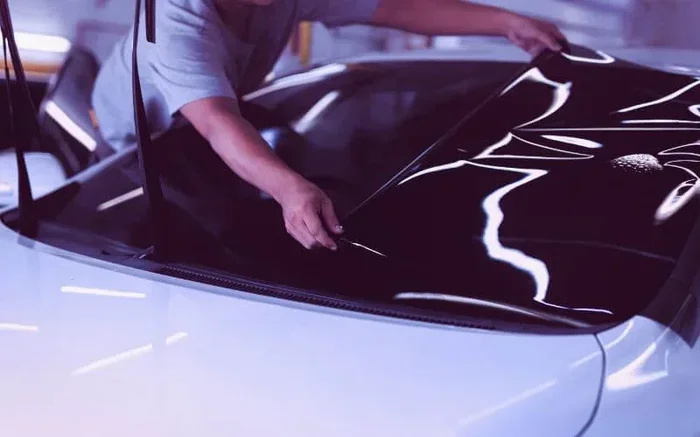
Vermont Window Tint Law Everything You Need To Know
Vermont Window Tint Law sets clear rules on how dark your car windows can be tinted. The state requires a minimum Visible Light Transmission (VLT) of 75% for windshield and front side windows. Understanding these rules helps you avoid tickets and keep your ride legal on Vermont roads.
Vermont Window Tint Law can feel confusing at first. You go to a shop, pick a shade, and then realize you might be breaking the law. It happens more often than you think. Many car owners in Vermont get tint installed without checking the rules first.
The good news is that the rules are straightforward once you know what to look for. Vermont has specific rules about how dark your windows can be. These rules apply to sedans, SUVs, and vans. They also cover the windshield, front doors, back doors, and rear glass.
In this guide, we walk you through every part of Vermont Window Tint Law. You will learn about legal tint limits, VLT percentages, medical exemptions, and common penalties. By the end, you will know exactly what is allowed and what is not. Let us get into it.
Key Takeaways
- Vermont requires 75% VLT for windshield and front side windows. This means your front windows must let at least 75% of light pass through.
- Rear side windows and rear windshield have no tint darkness limit. You can tint them as dark as you want on most vehicles.
- A reflective or metallic tint is not allowed on any window. Vermont law bans mirror-like tint finishes.
- Medical exemptions are available for darker tint. You can apply for a special permit if you have a skin condition.
- Tint violations can result in fines and failed inspections. Getting caught with illegal tint costs you money and time.
- Factory tint and aftermarket tint are treated differently. Know the difference to stay compliant.
- Ceramic and carbon tint films are popular legal options. They block heat without breaking Vermont rules.
📑 Table of Contents
- What Is Vermont Window Tint Law?
- Legal Tint Limits for Different Vehicle Types
- Windshield Tint Rules in Vermont
- Tint Reflection and Color Rules
- Medical Exemptions for Darker Tint
- Penalties for Illegal Window Tint in Vermont
- Aftermarket Tint vs. Factory Tint
- Popular Tint Film Types That Stay Legal
- Common Mistakes People Make With Vermont Window Tint
- Frequently Asked Questions
- Final Thoughts on Vermont Window Tint Law
What Is Vermont Window Tint Law?
Vermont Window Tint Law refers to the state regulations that control how much tint you can put on your car windows. These laws are designed to keep drivers safe. They ensure that drivers can see clearly through their windows at all times.
The main measure used in Vermont is something called Visible Light Transmission, or VLT for short. VLT tells you how much light passes through your window tint. A higher VLT means more light gets through. A lower VLT means a darker tint.
Why Does VLT Matter?
VLT is the key number in Vermont Window Tint Law. It is what police officers and inspection stations look at. If your tint is too dark, your VLT will be below the legal limit. That means you are breaking the law.
Think of it like sunglasses for your car. Very dark sunglasses block a lot of light. Lighter sunglasses let more light in. Vermont wants your front windows to act like light sunglasses. Your back windows can be darker, but there are still rules to follow.
Legal Tint Limits for Different Vehicle Types
Vermont Window Tint Law treats different vehicles differently. The rules for a sedan are not the same as the rules for an SUV. Let us break it down by vehicle type so you know exactly where you stand.
Tint Rules for Sedans
Sedans have the strictest tint rules in Vermont. Here is what the law says:
- Windshield: Non-reflective tint is allowed on the top 4 inches only.
- Front Side Windows: Must have a VLT of 75% or higher.
- Rear Side Windows: Must have a VLT of 75% or higher.
- Rear Windshield: Must have a VLT of 75% or higher.
For sedans, all windows except the top strip of the windshield must let at least 75% of light through. This is the most important rule to remember. Many people assume they can tint their back windows darker, but in Vermont, that is not the case for sedans.
Tint Rules for SUVs and Vans
SUVs and vans have slightly different rules under Vermont Window Tint Law. The back windows are more flexible:
- Windshield: Non-reflective tint is allowed on the top 4 inches only.
- Front Side Windows: Must have a VLT of 75% or higher.
- Rear Side Windows: No tint darkness limit. You can go as dark as you want.
- Rear Windshield: No tint darkness limit. You can go as dark as you want.
This is a big difference. If you drive an SUV or van, you have more freedom with your rear windows. The front windows still need to stay at 75% VLT or above. This balance helps with driver visibility while allowing some personal style in the back.
Windshield Tint Rules in Vermont
The windshield gets special treatment under Vermont Window Tint Law. You cannot just tint the whole windshield any color you want. The rules are there for a reason.
What Is Allowed on the Windshield?
Only a non-reflective tint strip is allowed on the windshield. This strip must be placed on the top 4 inches of the glass. Anything below that line must stay completely clear.
This 4-inch strip is often called the “sun strip” or “visor strip.” It helps block glare from the sun without reducing your overall view of the road. Many car owners like this strip because it adds a clean look without breaking any rules.
Why Is Windshield Tint So Restricted?
The windshield is your main view of the road. Vermont wants to make sure nothing blocks that view. A dark or reflective windshield tint can seriously reduce your ability to see in bright sunlight or at night. That is why the rules are tight here.
Also, the windshield tint must be non-reflective. Reflective or mirrored finishes are not allowed on any window in Vermont. This includes the windshield, front doors, and back doors. A non-reflective finish keeps things safe for you and other drivers.
Tint Reflection and Color Rules
Vermont Window Tint Law does more than just control darkness. It also controls how your tint looks and reflects light. These rules matter just as much as VLT percentages.
No Reflective or Metallic Tint
You cannot use reflective tint on any window in Vermont. This includes metallic finishes and mirror-like appearances. Reflective tint bounces light back, which can blind other drivers. It also reduces your own visibility, especially at night.
Some tint shops sell “ceramic” or “carbon” films that look sleek but are not reflective. These are great options. They block heat and UV rays without breaking Vermont rules. If you want a dark look without going reflective, ask your installer about ceramic tint.
Tint Color Restrictions
Vermont does not specifically ban certain tint colors. However, the tint must not be red, amber, or blue in a way that mimics emergency vehicle lights. Most standard tint colors like charcoal, gray, and bronze are perfectly fine.
If you are picking a tint color, stick with neutral shades. Gray and charcoal are the most popular choices among Vermont car owners. They look clean, reduce glare, and stay within the law.
Medical Exemptions for Darker Tint
Not everyone can use the standard tint limits. Some people have medical conditions that make them sensitive to sunlight. Vermont Window Tint Law allows for medical exemptions in these cases.
Who Qualifies for a Medical Exemption?
You may qualify for a medical exemption if you have a condition that makes you extra sensitive to UV light. Common conditions include:
- Lupus
- Albinism
- Severe sun allergies
- Photosensitivity disorders
- Skin cancer recovery
If you have one of these conditions, you can apply for a special permit. This permit allows you to tint your front windows darker than the standard 75% VLT limit.
How to Get a Medical Exemption
Getting a medical exemption is a step-by-step process. Here is what you need to do:
- Get a signed letter from your doctor explaining your condition.
- Fill out the Vermont DMV medical exemption application form.
- Submit both documents to your local DMV office.
- Wait for approval before getting any tint installed.
- Keep the exemption card in your vehicle at all times.
Do not skip this process. Driving with illegal tint without a permit can lead to a ticket. Even if you have a medical condition, you still need the official paperwork. The exemption must be renewed periodically, so keep track of the dates.
Penalties for Illegal Window Tint in Vermont
Breaking Vermont Window Tint Law comes with real consequences. You cannot just tint your windows however you want and hope for the best. The state takes this seriously.
Fines and Penalties
If you are caught with illegal tint, you can expect a fine. The fine amount depends on how dark your tint is and whether it is your first offense. First-time violations can range from a warning to a fine of several hundred dollars.
Repeat offenders face higher fines. In some cases, you may also be required to remove the illegal tint before you can pass your vehicle inspection. This adds cost and time to your day.
Failed Vehicle Inspection
Vermont requires annual vehicle inspections. Your window tint is checked during this inspection. If your tint is too dark or too reflective, your vehicle will fail the inspection.
A failed inspection means you cannot register your car legally. You will need to fix the tint and pass the inspection again. This can be frustrating, especially if you just got the tint done last week.
Tips to Avoid Tint Tickets
Staying on the right side of Vermont Window Tint Law is easy if you follow a few simple tips:
- Ask your installer about Vermont VLT limits. A good tint shop knows the law.
- Keep your tint receipt. It shows the VLT percentage of your installed tint.
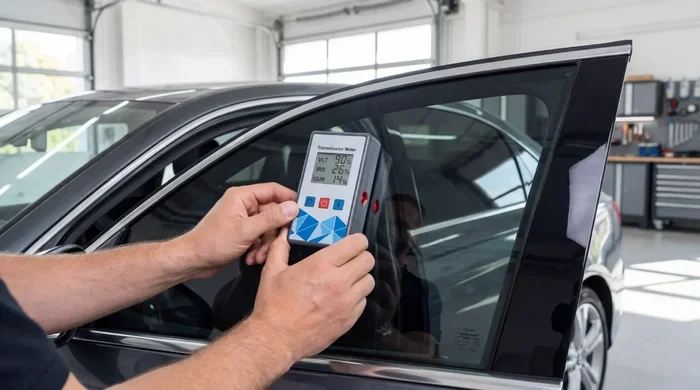
- Get a tint meter reading. This proves your tint is legal if you ever get stopped.
- Check for factory tint. Some cars come with tinted windows from the factory. Know your starting VLT.
- Do not assume aftermarket tint is the same as factory tint. They are measured differently.
Aftermarket Tint vs. Factory Tint
Understanding the difference between aftermarket tint and factory tint is important for Vermont Window Tint Law. Many car owners do not realize these two types of tint are treated differently.
What Is Factory Tint?
Factory tint is the tint that comes on your windows when you buy the car. It is built into the glass during manufacturing. Most factory tints have a VLT of around 70% to 80%.
Factory tint is legal by default in Vermont. You do not need to do anything special to keep it compliant. However, if you add aftermarket tint on top of factory tint, the combined VLT must still meet the legal limit.
What Is Aftermarket Tint?
Aftermarket tint is the film that is applied to your windows after you buy the car. This is what most people think of when they hear “window tint.” It comes in rolls that are cut to fit your windows.
Aftermarket tint must meet all Vermont legal requirements. If your factory tint is already at 80% VLT and you add a film that drops it to 60%, you are now below the 75% limit. That is illegal for your front windows.
How to Measure Combined VLT
Measuring combined VLT can be tricky. Here is a simple way to think about it:
- If your factory tint is 80% VLT and you add a 90% VLT film, the combined VLT is roughly 72%. That is below 75% and illegal for front windows.
- If your factory tint is 80% VLT and you add a 95% VLT film, the combined VLT is roughly 76%. That is legal.
Always ask your tint installer to measure the combined VLT after application. This keeps you safe and legal.
Popular Tint Film Types That Stay Legal
Not all tint films are created equal. Some stay within Vermont Window Tint Law while others push the limits. Here are the most popular options that car owners in Vermont choose.
Ceramic Tint
Ceramic tint is one of the best choices for Vermont drivers. It blocks a lot of heat and UV rays without adding any metallic reflection. Ceramic tint maintains high VLT ratings, which makes it easy to stay legal.
The downside is that ceramic tint costs more than other options. But many car owners feel it is worth the investment. It lasts longer and does not fade over time.
Carbon Tint
Carbon tint is another great legal option. It has a matte finish that looks sleek and modern. Carbon tint does not fade or turn purple like cheaper films do.
Carbon tint blocks heat well and stays within Vermont VLT limits when you choose the right shade. It is a solid middle-ground option between budget and premium films.
Dyed Tint
Dyed tint is the most affordable option. It comes in various shades and is widely available. However, dyed tint tends to fade over time and may turn purple after a few years.
If you choose dyed tint, make sure the VLT stays above 75% for your front windows. Dyed tint can also bubble or peel in extreme heat, which is a concern during Vermont summers.
Common Mistakes People Make With Vermont Window Tint
Even well-meaning car owners run into trouble with Vermont Window Tint Law. Here are the most common mistakes and how to avoid them.
Assuming All Windows Can Be Tinted the Same
This is the number one mistake. Many people think that if their back windows can be dark, all their windows can be dark. That is not true. The front windows must always stay at 75% VLT or higher.
Ignoring Factory Tint
As we covered earlier, factory tint counts toward your total VLT. Adding aftermarket tint without measuring the combined VLT is a fast way to end up with illegal windows.
Skipping the Tint Receipt
Always ask for a written receipt that lists the VLT percentage of your tint. Without this, you have no proof that your tint is legal if you get pulled over.
Choosing the Cheapest Installer
Budget tint shops sometimes use low-quality films or apply tint incorrectly. This can lead to bubbling, peeling, and VLT levels that do not match what was promised. Choose a reputable installer who understands Vermont Window Tint Law.
Frequently Asked Questions
What is the legal tint limit for front windows in Vermont?
The legal VLT limit for front side windows in Vermont is 75%. This applies to both sedans and SUVs. Your front windows must let at least 75% of visible light pass through the tint.
Can I tint my rear windows darker in Vermont?
For sedans, rear windows must also be 75% VLT or higher. For SUVs and vans, there is no tint darkness limit on rear windows. You can tint them as dark as you want.
Is reflective tint allowed in Vermont?
No. Vermont law bans reflective or metallic tint on all windows. Your tint must be non-reflective to stay legal.
How do I get a medical exemption for window tint in Vermont?
You need a signed letter from your doctor and a completed DMV application. Submit both to your local Vermont DMV office and wait for approval. Keep the exemption card in your car at all times.
What happens if I get caught with illegal tint in Vermont?
You may receive a fine and be required to remove the illegal tint. Your vehicle may also fail its annual inspection until the tint is brought into compliance.
Does factory tint count toward the legal VLT limit?
Yes. Vermont counts the combined VLT of factory tint and any aftermarket tint you add. Make sure the total is at least 75% for your front windows.
Final Thoughts on Vermont Window Tint Law
Vermont Window Tint Law is clear and reasonable once you understand the basics. The 75% VLT rule for front windows keeps drivers safe while still allowing some tint for comfort and style. If you drive an SUV or van, you have more freedom with your rear windows, which is a nice perk.
The key is to do your homework before you visit a tint shop. Know your VLT limits. Understand the difference between factory and aftermarket tint. And always ask for proof that your tint is legal.
Whether you choose ceramic, carbon, or dyed tint, make sure it meets Vermont standards. A little research goes a long way in keeping you legal and your car looking great. Enjoy your ride, stay safe, and keep those windows compliant.