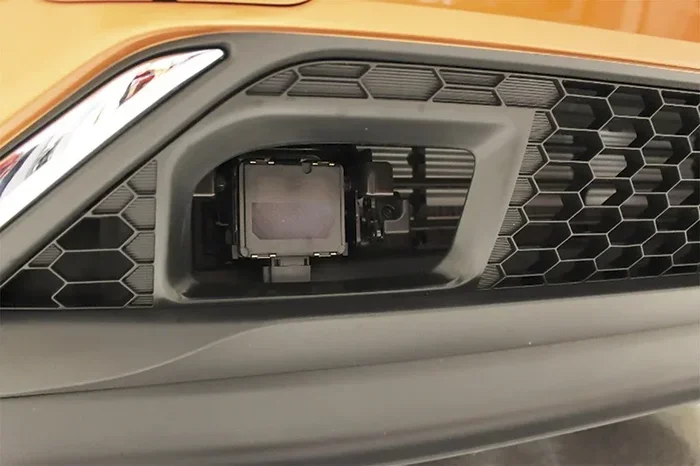
Where Is the Pre-Collision Assist Sensor on Your Car
The pre-collision assist sensor is typically found near the front windshield, behind the rearview mirror, or inside the front bumper area. This safety feature uses radar and camera technology to detect potential crashes and help you avoid them. Knowing its location helps you maintain, calibrate, and troubleshoot the system properly. Different car brands place the sensor in slightly different spots, so always check your owner’s manual. Regular cleaning and proper calibration keep the pre-collision assist sensor working at its best.
Modern cars are packed with smart safety features. One of the most important is the pre-collision assist sensor. This small but powerful device watches the road ahead and helps you avoid or reduce the severity of a crash. But here is the big question most car owners ask: where exactly is the pre-collision assist sensor on your car?
The answer is not as simple as pointing to one spot. Different car brands hide the sensor in different places. Some mount it behind the windshield. Others tuck it inside the front bumper. And a few use more than one sensor to cover more ground. In this article, we will break down the exact sensor location for popular car brands, explain how the system works, and share practical tips to keep it running smoothly.
Whether you drive a Ford, Toyota, Mercedes, or any other brand, understanding your collision warning system can make a real difference. You will learn what triggers the system, how to spot problems early, and how to maintain it the right way. Let us dive in and explore everything you need to know about the pre-collision assist sensor.
Key Takeaways
- Sensor Location Varies by Brand: Ford, Toyota, Mercedes, and other brands place the pre-collision assist sensor in different spots on the vehicle.
- Two Main Types Exist: Radar-based sensors and camera-based sensors are the most common types used in modern vehicles.
- Windshield Mount Is Most Common: Most pre-collision assist sensors sit behind the rearview mirror, attached to the windshield.
- Regular Cleaning Matters: Dirt, snow, and debris can block the sensor and cause false warnings or system failures.
- Calibration Is Critical After Repairs: Any windshield replacement or front-end repair requires proper sensor recalibration.
- Warning Lights Signal Problems: A lit pre-collision assist warning light on your dashboard means the system needs attention.
- Professional Help Is Recommended: While basic cleaning is DIY-friendly, calibration and repairs should be handled by certified technicians.
📑 Table of Contents
- What Is a Pre-Collision Assist Sensor?
- Where Is the Pre-Collision Assist Sensor Located?
- How Does the Pre-Collision Assist Sensor Work?
- Common Signs of a Faulty Pre-Collision Assist Sensor
- How to Maintain and Calibrate Your Pre-Collision Assist Sensor
- Pre-Collision Assist Sensor by Car Brand
- When to Seek Professional Help for Your Pre-Collision Assist Sensor
- Frequently Asked Questions
- Conclusion
What Is a Pre-Collision Assist Sensor?
The pre-collision assist sensor is part of your car’s active safety system. It constantly scans the road in front of you. When it detects a potential crash, it alerts you and can even apply the brakes automatically. Think of it as a second set of eyes that never gets tired.
Most modern vehicles come with this safety feature as standard or optional equipment. It works hand in hand with other driver assistance systems like adaptive cruise control and automatic emergency braking. Together, these systems form a crash prevention network that can save lives.
The sensor uses either radar, cameras, or a combination of both. Radar sensors send out invisible waves that bounce off objects. Camera sensors use a lens to “see” the road ahead, much like your eyes do. Both methods are highly effective at detecting vehicles, pedestrians, and obstacles.
How Does It Differ from Other Safety Systems?
It is easy to confuse the pre-collision assist sensor with other safety features. Here is a quick look at how it compares:
- Pre-Collision Assist Sensor: Detects potential crashes and prepares the brakes or warns the driver.
- Automatic Emergency Braking: Actually applies the brakes if the driver does not react in time.
- Forward Collision Warning: Sounds an alert when a crash is likely but does not brake automatically.
- Adaptive Cruise Control: Maintains a safe following distance but does not specifically watch for crash risks.
As you can see, the pre-collision assist sensor is the brain behind many of these systems. It gathers the data and decides when to trigger warnings or interventions.
Where Is the Pre-Collision Assist Sensor Located?
This is the question most drivers want answered. The sensor location depends on your car’s make and model. Let us look at the most common spots where manufacturers install the pre-collision assist sensor.
Behind the Windshield, Near the Rearview Mirror
The most common placement for a pre-collision assist sensor is behind the windshield, right near the rearview mirror. This spot gives the sensor a clear, unobstructed view of the road ahead. Many brands, including Ford Pre-Collision Assist and Toyota Pre-Collision System, use this setup.
From the outside, you cannot see the sensor. It is hidden behind a small section of the windshield, often marked with a tiny shaded area or a special coating. This area is important. It keeps the sensor’s view clear and free from glare or reflections.
Inside the Front Bumper
Some vehicles place the radar sensor inside the front bumper. You might see a small, discreet cover or emblem on the bumper that hides the sensor opening. BMW and several luxury brands use this approach for their forward collision alert systems.
The bumper-mounted sensor has a unique advantage. It is positioned low on the car, which helps it detect objects close to the ground. This is especially useful for detecting smaller obstacles, animals, or low-profile vehicles at higher speeds.
Behind the Front Grille or Hood
A few car models hide the pre-collision assist sensor behind the front grille or even beneath the hood. This placement is less common but still found in certain Mercedes Pre-Safe systems and some European models.
When the sensor is hidden behind the grille, it usually works alongside a camera mounted near the rearview mirror. This dual setup gives the car both long-range and short-range detection capabilities.
Multiple Sensors for Enhanced Coverage
High-end and newer vehicles often use more than one sensor location. A car might have a radar sensor in the bumper and a camera behind the windshield. This combination creates a fuller picture of what is happening ahead. It also makes the accident avoidance system more reliable in different driving conditions.
If you are not sure where your car’s sensor lives, check your owner’s manual. The manual will usually include a diagram showing the exact sensor location. You can also ask your dealer or a certified mechanic.
How Does the Pre-Collision Assist Sensor Work?
Understanding how the pre-collision assist sensor works helps you appreciate why its placement matters so much. The system follows a simple but fast sequence of events.
Step 1: Scanning the Road
The sensor constantly scans the area in front of your car. A radar sensor sends out radio waves that bounce off objects and return. A camera sensor captures images of the road, lane markings, and vehicles ahead. Both methods happen in milliseconds.
Step 2: Analyzing the Data
The car’s computer analyzes the data in real time. It calculates the distance to the vehicle or object ahead. It also measures your speed relative to that object. If the system determines a crash is likely, it moves to the next step.
Step 3: Alerting the Driver
The pre-collision assist sensor first tries to warn you. You might hear a beep, see a flashing light on the dashboard, or feel a vibration in the seat or steering wheel. This is the collision warning phase. It gives you a chance to react.
Step 4: Preparing or Applying the Brakes
If you do not respond to the warning, the system takes action. It may pre-tension the seatbelts, close the windows, or apply light braking to prepare for a full stop. In more advanced systems, the automatic emergency braking kicks in and applies the brakes forcefully.
The entire process from scanning to braking can happen in less than a second. That is why the pre-collision assist sensor is such a powerful driver assistance tool.
Common Signs of a Faulty Pre-Collision Assist Sensor
Like any electronic system, the pre-collision assist sensor can develop problems over time. Knowing the warning signs helps you catch issues early before they become safety risks.
Warning Light on the Dashboard
The most obvious sign is a warning light on your dashboard. It usually looks like a car with a collision symbol or a camera icon. If this light stays on, the collision warning system has detected a problem. Do not ignore it.
False Alerts or No Alerts
If your car keeps beeping or flashing warnings when there is nothing ahead, the sensor might be dirty or misaligned. On the flip side, if the system never alerts you when it should, the sensor may be blocked or malfunctioning.
System Disabled Messages
Some cars display a message saying the pre-collision assist system is temporarily disabled. This often happens after a battery disconnect, a windshield repair, or a front-end collision. The system usually needs recalibration to work again.
Unusual Noises or Beeping
Random beeping or clicking sounds from the front of the car can indicate a sensor issue. This is especially true if the sounds happen while driving straight and clear roads.
Quick Tips
- Keep the area near the windshield clean to prevent false alerts.
- Never place objects or stickers over the sensor’s view area.
- Have the system checked if you notice any warning lights.
- Replace a dead battery promptly, as it can disrupt sensor calibration.
How to Maintain and Calibrate Your Pre-Collision Assist Sensor
Proper maintenance keeps your pre-collision assist sensor working reliably. A well-maintained sensor means better crash prevention and fewer false warnings. Here is how to take care of it.
Keep the Sensor Area Clean
The most common cause of sensor problems is dirt and grime. The sensor area behind the windshield or inside the bumper can collect dust, mud, and ice. Wipe this area gently with a soft cloth during your regular car wash.
In winter, clear snow and ice from the sensor area before driving. A thick layer of snow can completely block the sensor’s view. Use a soft brush and avoid sharp tools that could scratch the windshield near the sensor.
Avoid Modifying the Windshield
If you ever need a windshield replacement, make sure the technician knows about the pre-collision assist sensor. The sensor is often bonded to the windshield, and improper installation can damage it or throw off its alignment.
After any windshield work, always request a sensor calibration. This process ensures the sensor is aimed correctly and reading data accurately. Skipping this step is one of the most common mistakes car owners make.
Get Professional Calibration After Front-End Repairs
Any repair to the front bumper, hood, or radiator support can affect the sensor’s position. Even a minor fender bender can shift the sensor enough to cause inaccurate readings. Always get a professional sensor calibration after any front-end work.
Calibration usually involves placing targets in front of the car and using a diagnostic computer to align the sensor. It is a quick process but absolutely essential for the system to work correctly.
Check for Software Updates
Some pre-collision assist sensor systems receive software updates from the manufacturer. These updates can improve detection accuracy and fix known bugs. Check with your dealer to see if your car is due for any updates.
Common Mistakes to Avoid
- Ignoring the warning light: A lit warning light means the system is not working properly. Drive safely and get it checked immediately.
- Using harsh chemicals near the sensor: Strong cleaners can damage the sensor lens or the windshield coating. Use mild, ammonia-free cleaners.
- DIY calibration attempts: Sensor calibration requires specialized tools and training. Leave it to the professionals.
- Placing aftermarket accessories near the sensor: Dashcams, phone mounts, or decorative items near the sensor area can block its view.
- Delaying repairs after a collision: Even a small impact can misalign the sensor. Get it checked right away.
Pre-Collision Assist Sensor by Car Brand
Different car brands use different names and setups for their pre-collision assist sensor systems. Here is a look at how some of the most popular brands place and label their sensors.
| Brand | System Name | Typical Sensor Location | Sensor Type |
|---|---|---|---|
| Ford | Pre-Collision Assist | Behind windshield, near rearview mirror | Radar and camera |
| Toyota | Pre-Collision System | Behind windshield, near rearview mirror | Radar and camera |
| Mercedes-Benz | Pre-Safe | Behind windshield and in front bumper | Radar and camera |
| BMW | Active Protection | Inside front bumper and behind windshield | Radar and camera |
| Honda | Collision Mitigation Braking System | Behind windshield, near rearview mirror | Camera |
| Chevrolet | Forward Collision Alert | Behind windshield, near rearview mirror | Radar and camera |
As you can see from the table, most brands follow a similar pattern. The windshield-mounted sensor is the most common sensor location across the industry. However, luxury and high-end models often add bumper-mounted radar for extra coverage.
Ford Pre-Collision Assist
Ford’s Pre-Collision Assist system uses a combination of radar and camera technology. The sensor sits behind the windshield, typically near the top of the mirror. Ford also integrates this system with its adaptive cruise control for a seamless driving experience.
If your Ford shows a pre-collision assist warning light, check for dirt on the windshield first. A simple wipe-down often fixes the problem. If the light persists, a Ford dealer can run a diagnostic scan to pinpoint the issue.
Toyota Pre-Collision System
Toyota’s Pre-Collision System relies heavily on the camera sensor mounted behind the windshield. The system detects vehicles, pedestrians, and even cyclists. Toyota recommends cleaning the windshield area around the sensor during regular washes.
Toyota also uses a lidar sensor in some newer models for enhanced detection. This adds another layer of crash prevention capability to the system.
Mercedes-Benz Pre-Safe
Mercedes-Benz takes driver assistance to the next level with its Pre-Safe system. The system uses sensors in multiple locations, including the front bumper and behind the windshield. When a crash is imminent, Pre-Safe can tighten seatbelts, adjust seat positions, and prepare the braking system.
Because Mercedes uses sensors in more than one location, any front-end repair requires a thorough calibration of all sensors involved. This is especially important for maintaining the system’s accident avoidance performance.
When to Seek Professional Help for Your Pre-Collision Assist Sensor
While basic cleaning is something you can do yourself, most sensor issues need professional attention. Here are the situations where you should call a certified technician.
- After any front-end collision: Even a minor bump can misalign the sensor.
- After a windshield replacement: The new windshield must be bonded correctly, and the sensor needs recalibration.
- When the warning light stays on: This indicates a deeper issue that requires diagnostic equipment.
- When the system behaves erratically: Random beeping or warnings with no visible obstacles point to a sensor or wiring problem.
- Before long road trips: A quick check of the pre-collision assist sensor gives you peace of mind for the journey ahead.
A certified technician has the right tools and training to diagnose and fix sensor issues. They can also perform the precise calibration that keeps the system accurate. Trying to fix a sensor problem yourself can void your warranty or cause further damage. Always let the pros handle it.
Expert Insights
Automotive safety experts agree that the pre-collision assist sensor is one of the most valuable safety features in modern cars. “The sensor is only as good as its maintenance,” says one certified mechanic. “Keep it clean, get it calibrated after any repair, and never ignore a warning light. These simple steps can make the difference between a near-miss and a serious accident.”
Frequently Asked Questions
Can I drive my car if the pre-collision assist sensor warning light is on?
You can drive, but the pre-collision assist sensor may not be working properly. This means you lose an important safety feature. Drive carefully and get the system checked as soon as possible. Avoid highway driving until the issue is resolved.
How much does it cost to calibrate a pre-collision assist sensor?
Calibration costs vary by brand and model. On average, you can expect to pay between $100 and $400. The price depends on the complexity of the system and whether one or more sensors need calibration. Always ask for a detailed estimate before proceeding.
Can a dirty windshield affect the pre-collision assist sensor?
Yes, absolutely. Dirt, mud, or ice on the windshield near the sensor can block its view. This can cause false warnings or make the system completely inactive. Keep the sensor area clean as part of your regular car maintenance routine.
Does a pre-collision assist sensor work in all weather conditions?
The pre-collision assist sensor works in most conditions, but heavy rain, fog, or snow can reduce its effectiveness. Radar sensors tend to perform better in poor weather than camera sensors. Always drive cautiously in extreme weather, even with this safety feature active.
Can I install aftermarket accessories near the pre-collision assist sensor?
It is best to avoid placing any accessories near the sensor area. Dashcams, phone mounts, or decorative items can block the sensor’s view or interfere with its calibration. If you must install something, place it well away from the sensor’s sightline and consult your owner’s manual for guidance.
How often should the pre-collision assist sensor be checked?
There is no set schedule, but you should have the system inspected during regular maintenance visits. Any time you have front-end work done, a windshield replacement, or notice a warning light, get the sensor checked immediately. Regular attention keeps the collision warning system reliable and ready to protect you.
Conclusion
The pre-collision assist sensor is one of the most important safety features in your car. It works silently in the background, watching the road and helping you avoid dangerous situations. Now you know where the pre-collision assist sensor is on your vehicle, how it works, and how to keep it in top shape.
Remember to keep the sensor area clean, never ignore warning lights, and always get professional calibration after any front-end or windshield repair. These simple habits go a long way in ensuring your crash prevention system is always ready to do its job.
Take a moment today to locate your car’s pre-collision assist sensor. Check the owner’s manual if you are unsure. A little knowledge and a little maintenance can go a long way toward keeping you and your passengers safe on the road. Drive safe, stay alert, and let your car’s smart safety features do the heavy lifting.