Why Did My Sunroof Break Unexpectedly and What to Do
Understanding why your sunroof broke unexpectedly can save you time, money, and a lot of frustration. A sunroof can fail due to worn seals, clogged drain tubes, motor issues, or even manufacturing defects. This guide walks you through the most common reasons your sunroof stopped working and gives you clear, actionable steps to fix it or prevent further damage.
You climb into your car on a beautiful morning. You press the button to open the sunroof. Nothing happens. Or worse, you hear a strange grinding noise, and the glass panel starts tilting at a weird angle. Your heart sinks. You wonder, why did my sunroof break?
Sunroof problems are more common than most drivers think. A sunroof malfunction can happen in any vehicle, regardless of the make or model. Sometimes it is a simple fix. Other times, it points to a deeper issue that needs professional attention. Either way, knowing the cause helps you act fast and avoid expensive damage.
This article breaks down every major reason a sunroof fails. We will cover everything from clogged sunroof drain tubes to worn-out sunroof seals and failing motors. You will also learn what to do right now if your sunroof breaks unexpectedly. Let us get into it.
Key Takeaways
- Drain Tube Clogs Are the #1 Culprit: Debris and dirt block the sunroof drain, causing water leaks and internal damage.
- Worn Seals Lead to Sunroof Leaks: The rubber weatherstripping degrades over time and lets water seep into your cabin.
- Motor or Actuator Failure Stops Operation: Electrical components wear out, leaving your sunroof stuck open or closed.
- Manufacturing Defects Can Cause Early Breakage: Some sunroof models have known recall issues that affect long-term durability.
- Regular Maintenance Prevents Most Problems: Simple cleaning and inspections go a long way toward avoiding costly sunroof repair.
- Know When to Replace vs. Repair: Understanding the sunroof repair cost helps you make smart decisions about fixing or replacing the unit.
📑 Table of Contents
Common Reasons Why Your Sunroof Broke
A sunroof is made up of many moving parts. The glass panel, the motor, the actuator, the rubber seals, and the drainage system all work together. When one part fails, the whole system can stop working. Here are the most common reasons why did my sunroof break and what each problem looks like.
Clogged Sunroof Drain Tubes
This is the number one reason sunroofs develop problems. Every sunroof has small drain tubes that channel water away from the cabin. Over time, leaves, dirt, and debris clog these tubes. When the drains are blocked, water has nowhere to go. It pools inside the roof lining and leaks into your car.
Signs of a clogged drain include water dripping from the headliner or damp carpet on the passenger side. If you ignore it, the moisture can cause mold, musty smells, and even electrical damage. Cleaning the drains is usually simple and inexpensive. You can use a compressed air can or a small wire to clear the blockage.
Quick Tip: Check your sunroof drain tubes every few months, especially after autumn when leaves pile up. A little prevention saves a lot of headache later.
Worn or Damaged Sunroof Seals
The rubber seal around the sunroof panel keeps water and wind out. Over time, this seal dries out, cracks, and shrinks. Once the seal weakens, your sunroof starts to leak. You may notice water stains on the ceiling or feel a draft coming from above.
Heat, UV exposure, and cold weather all speed up seal degradation. Cars parked outside for long periods are especially vulnerable. Replacing a sunroof seal is usually affordable, but ignoring it can lead to water damage inside the vehicle. The cost of fixing water damage inside the cabin often far exceeds the cost of replacing the seal itself.
Sunroof Motor or Actuator Failure
The motor and actuator are the engines behind your sunroof’s movement. They power the opening, closing, and tilting functions. Like any electrical part, they wear out over time. When the motor dies, your sunroof may make a clicking sound, move slowly, or stop working entirely.
Common causes of motor failure include:
- Normal wear and tear after years of use
- Water damage from a leak that reaches the motor
- Overuse or forcing the sunroof when something is blocking it
- Electrical shorts in the wiring harness
If your sunroof motor fails, you will likely need a professional to replace it. The sunroof repair cost for a motor replacement typically ranges from 200 to 600 dollars, depending on your vehicle model.
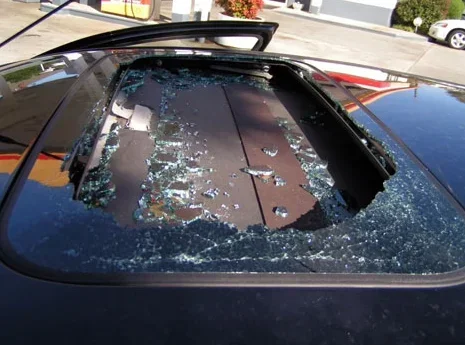
Broken or Cracked Sunroof Glass
The glass panel itself can crack or shatter. This can happen from a rock hitting the roof while driving, extreme temperature changes, or stress fractures that develop over time. Some older vehicles also have tempered glass that is more prone to breakage.
A cracked sunroof glass is not just a cosmetic issue. It compromises the structural integrity of the roof and can let water pour into the cabin during rain. If the glass is damaged, you will need a full sunroof replacement. This is one of the more expensive sunroof repairs, often costing between 500 and 1500 dollars.
Sunroof Stuck Open or Closed
A sunroof stuck open is every driver’s nightmare, especially when rain is in the forecast. This problem often stems from a failed latch mechanism, a broken cable, or an electrical fault. When the sunroof gets stuck, it leaves your interior exposed to the elements.
If this happens, try these steps immediately:
- Close the sunroof manually if your vehicle has a manual override
- Cover the opening with a tarp or plastic sheet to keep rain out
- Avoid driving long distances with the sunroof open
- Contact a mechanic or dealership as soon as possible
Forcing the sunroof closed when something is jammed can cause even more damage to the mechanism. Always try to identify the blockage first.
Manufacturing Defects and Recalls
Sometimes the problem is not your fault. Certain vehicle manufacturers have issued sunroof recalls due to design flaws or faulty components. For example, some models have experienced spontaneous glass shattering or unexpected detachment of the sunroof panel while driving.
You should check if your vehicle has any open recalls by visiting the manufacturer’s website or entering your VIN on the NHTSA recall database. If a recall applies, the repair or replacement will be done at no cost to you. This is one reason why staying on top of vehicle recalls matters.
How to Troubleshoot a Broken Sunroof
Before you rush to the mechanic, there are a few things you can check yourself. Sunroof troubleshooting can save you time and money if the issue is minor.
Step 1: Check the Fuse
Start by looking at your car’s fuse box. A blown fuse is the simplest explanation for a non-working sunroof. Locate the fuse labeled “sunroof” or “roof” in your owner’s manual. If the fuse is blown, replace it with one of the same amperage. This simple fix costs just a few dollars.
Step 2: Inspect the Drain Tubes
Open the sunroof and look for the drain tubes at the front and rear corners. Use a flashlight to check for visible blockages. Blow compressed air through the tubes to dislodge any debris. You can also pour a small amount of water into the sunroof channel to test if it drains properly.
Step 3: Listen for Unusual Noises
When you operate the sunroof, listen carefully. Grinding, clicking, or squeaking sounds often point to a mechanical problem. A grinding noise might mean the gears are worn. Clicking could indicate a failing motor. Squeaking usually means the seals or tracks need lubrication.
Step 4: Check the Wiring
Sometimes the issue is electrical. Open the sunroof panel and inspect the wiring connections. Look for frayed wires, loose connectors, or signs of corrosion. If you are not comfortable working with electrical components, skip this step and visit a professional.
Quick Tip: Keep a small flashlight and your owner’s manual in the glove box. They are handy tools for basic sunroof troubleshooting on the road.
Sunroof Repair Cost: What to Expect
The sunroof repair cost varies widely depending on the problem. Here is a rough breakdown of common repairs and their estimated costs:
| Repair Type | Estimated Cost (USD) |
|---|---|
| Drain tube cleaning | 50 to 150 |
| Sunroof seal replacement | 100 to 300 |
| Sunroof motor replacement | 200 to 600 |
| Sunroof actuator replacement | 250 to 700 |
| Sunroof glass replacement | 500 to 1500 |
| Full sunroof replacement | 1000 to 2500 |
These costs depend on your vehicle, your location, and whether you go to a dealership or an independent mechanic. Dealerships tend to charge more but often provide OEM parts and warranties. Independent shops may offer lower prices with quality aftermarket parts.
If your vehicle is still under warranty, check with the dealer before paying for any repairs. Some sunroof problems fall under bumper-to-bumper coverage, especially if they are related to a manufacturing defect.
How to Prevent Sunroof Problems
Prevention is always better than repair. A little regular maintenance can keep your sunroof mechanism running smoothly for years. Here are the best ways to protect your sunroof.
Clean the Drain Tubes Regularly
Flush the drain tubes with water every three to six months. This prevents clogs from leaves, dirt, and pine needles. You can also use a pipe cleaner or a small brush to clear out any buildup inside the tubes.
Lubricate the Seals and Tracks
Apply a rubber conditioner or silicone-based lubricant to the sunroof seals and tracks every few months. This keeps the rubber supple and prevents cracking. Avoid using petroleum-based products, as they can degrade the rubber over time.
Remove Debris from the Sunroof Frame
Leaves, twigs, and dirt can accumulate around the sunroof frame. If debris gets trapped, it can block the drainage system or damage the seals. Wipe down the sunroof frame regularly, especially after driving through wooded areas or during fall.
Avoid Forcing the Sunroof
If the sunroof is stuck or making unusual noises, do not force it. Forcing the mechanism can strip gears, damage the motor, or break the cable. Stop immediately and investigate the issue before trying again.
Schedule Professional Inspections
Include a sunroof check in your regular vehicle maintenance schedule. A mechanic can spot early signs of wear, leaks, or electrical issues before they become major problems. This is especially important for older vehicles with high mileage.
Expert Insight: “Most sunroof failures are preventable with basic maintenance,” says automotive technician Mark Jennings. “The biggest mistake drivers make is ignoring small signs like a slow-draining sunroof or a slight leak. By the time they bring it in, the damage is already done.”
When to Replace Your Sunroof Instead of Repairing It
Sometimes repair is not enough. You should consider a full sunroof replacement if:
- The glass panel is cracked or shattered
- The motor and actuator have both failed
- The frame or tracks are severely rusted or bent
- Repeated repairs have not solved the problem
- The sunroof is leaking constantly despite seal replacement
A replacement is a bigger investment, but it restores full function and prevents ongoing water damage. Always get a detailed quote from at least two shops before committing. Ask about warranties on the new parts and the labor involved.
What to Do Right Now If Your Sunroof Breaks
If your sunroof breaks while you are driving, stay calm. Here is a quick action plan:
- Stop safely and turn off the engine
- Check for water intrusion if it is raining
- Cover the opening with a tarp, jacket, or plastic bag
- Do not drive long distances with the sunroof open
- Contact a trusted mechanic or roadside assistance
- Document the damage with photos for insurance or warranty claims
Taking these steps quickly can minimize further damage to your vehicle’s interior and save you from costly repairs down the road.
Sunroof Problems by Vehicle Type
Some vehicles are more prone to sunroof issues than others. Here is a quick look at common problems by vehicle type:
- SUVs and Crossovers: Larger sunroof panels mean more surface area for leaks and more weight on the motor. Drain clogs are very common.
- Sedans: Smaller sunroofs tend to last longer, but seal wear and motor failure still occur, especially in older models.
- Trucks: Truck sunroofs are exposed to more dirt and debris. Regular cleaning is essential to prevent drainage issues.
- Luxury Vehicles: High-end sunroofs have more complex mechanisms. Repairs tend to be more expensive, and specialized mechanics are often required.
Knowing your vehicle’s specific vulnerabilities helps you stay ahead of potential problems. Check your owner’s manual for sunroof maintenance guidelines specific to your model.
Final Thoughts
Now you know the answer to why did my sunroof break. Whether it was a clogged drain, a worn seal, a dead motor, or a manufacturing defect, understanding the cause is the first step toward a solution. Most sunroof problems are fixable, especially when you catch them early.
Regular maintenance is your best defense. Clean the drains, lubricate the seals, and pay attention to unusual sounds or leaks. These small habits keep your sunroof working smoothly and extend its lifespan significantly.
If your sunroof has already broken, do not panic. Use the troubleshooting steps and cost estimates in this guide to make informed decisions. And always check for recalls, because you might be eligible for a free repair. Your sunroof is a great feature that enhances your driving experience. With the right care, it will keep working for years to come.
Take action today. Inspect your sunroof, clean the drains, and schedule a professional check if you notice any warning signs. A little effort now saves you from a big headache later.
Frequently Asked Questions
What causes a sunroof to stop working suddenly?
The most common causes are a blown fuse, a clogged drain tube, or a failed motor. Electrical issues and broken cables can also stop a sunroof from operating. Check the fuse first, as it is the easiest and cheapest fix.
How much does it cost to fix a sunroof leak?
Fixing a sunroof leak typically costs between 100 and 400 dollars, depending on the cause. A clogged drain tube is inexpensive to clear, while a worn seal replacement may cost around 150 to 300 dollars. Water damage from a prolonged leak can increase the total cost significantly.
Can a broken sunroof cause water damage inside the car?
Yes, absolutely. A malfunctioning sunroof allows rainwater to seep into the cabin. This can damage the headliner, carpet, seats, and even the electrical system. If you notice water inside your car and have a sunroof, inspect it immediately to prevent further damage.
Is it safe to drive with a broken sunroof?
It depends on the situation. If the sunroof is stuck closed and locked, it is generally safe to drive. However, if the glass is cracked or the sunroof is open, it is not safe, especially in rain or at highway speeds. Cover the opening and get it repaired as soon as possible.
How often should I maintain my sunroof?
You should clean the drain tubes and lubricate the seals every three to six months. A full inspection by a professional once a year is also a good idea. Regular maintenance prevents most common sunroof problems before they start.
Are there any recalls for sunroof issues?
Yes, several manufacturers have issued sunroof recalls over the years for problems like glass detachment and water leaks. You can check for open recalls on the NHTSA website by entering your vehicle identification number. If a recall applies, the repair is free of charge.
=== CONCLUSION ===
Why did my sunroof break? Now you have the answers. From clogged drains and worn seals to motor failure and manufacturing defects, many factors can cause a sunroof malfunction. The good news is that most problems are preventable with regular maintenance and easy to fix when caught early. Keep your drains clean, your seals lubricated, and your ears open for unusual noises. Your sunroof will reward you with years of smooth, worry-free operation. Take action today and keep your car’s sunroof mechanism in top shape.