Why Wont My Car Start With the Key Try These Solutions
When your car won’t start with the key, it can feel like a total nightmare. The good news is that most causes are simple and fixable at home. Whether it is a dead battery, a bad ignition switch, or a faulty starter motor, this guide walks you through every possible reason and solution. You will learn how to diagnose the problem quickly and save money on costly repairs. Keep reading to discover the exact steps to get your engine running again.
There is nothing worse than turning your car key and hearing nothing but silence. You are standing in the driveway, running late, and your vehicle just will not cooperate. The question why wont my car start with the key crosses your mind a hundred times. But here is the good news. Most of the time, the reason is something simple and affordable to fix.
Cars are complex machines, but their starting systems follow a pretty straightforward process. Your battery sends power to the starter motor, which cranks the engine. The fuel pump delivers gas, and the spark plugs ignite the mixture. When even one part of this chain fails, your car will not start. This guide breaks down every possible cause and gives you clear, practical steps to diagnose and solve the problem.
Whether you drive a sedan, truck, or SUV, the starting process works the same way. The difference is that newer vehicles have added layers of security, like immobilizer systems and key fobs, which can add confusion to the mix. We will cover everything from old-school mechanical issues to modern electronic gremlins. By the end of this article, you will know exactly what to check, what tools you need, and when to call a mechanic.
Key Takeaways
- Dead Battery Is the #1 Culprit: A weak or dead battery causes most no-start situations and is easy to test and replace.
- Ignition Switch Failures Are Common: Worn ignition switches can prevent your key from turning or sending power to the engine.
- Starter Motor Issues Create Clicking Noises: A faulty starter solenoid or motor often results in a single click or rapid clicking when you turn the key.
- Immobilizer and Key Fob Problems: Modern cars have anti-theft systems that can block starting if the key signal is not recognized.
- Fuel Pump and Filter Issues: A failing fuel pump or clogged filter can stop gas from reaching the engine, causing a no-start condition.
- Knowing When to Call a Pro: Some problems require professional diagnosis, especially internal engine or electrical faults.
- Preventive Maintenance Saves Money: Regular battery checks, key fob battery replacements, and fuel system cleaning can prevent most starting issues.
📑 Table of Contents
- Common Reasons Your Car Won’t Start With the Key
- Electrical and Key-Related Problems
- Fuel System Problems That Prevent Starting
- Immobilizer and Security System Interference
- Spark Plug and Ignition Coil Issues
- When to Call a Professional Mechanic
- Preventive Tips to Avoid Starting Problems
- Comparison Table: Common No-Start Causes and Fixes
- Expert Insights on Diagnosing Starting Problems
- Key Takeaways
- Conclusion
Common Reasons Your Car Won’t Start With the Key
Before you start guessing, it helps to understand the most common reasons cars refuse to start. The starting system has several components, and any single one can fail. Let us walk through each one so you can narrow down the problem fast.
Dead or Weak Battery
The dead battery is the number one reason cars will not start. Your battery provides the electrical power needed to turn over the engine. When the battery is weak or fully dead, you get nothing. No lights, no dashboard display, and definitely no engine crank.
Batteries die for many reasons. Cold weather is a huge killer. So is leaving your lights on overnight. Even a battery that is three to five years old can simply lose its charge over time. The good news is that testing a battery is easy and cheap.
Here is what to look for:
- Dashboard lights are dim or do not turn on at all.
- The starter makes no sound when you turn the key.
- You hear a single click but the engine does not crank.
- Your battery terminals are covered in white or greenish corrosion.
If you suspect a dead battery, try jump starting your car with jumper cables and another vehicle. If the jump start works, your battery is likely the problem. You may need to replace it entirely. A standard car battery costs between $50 and $120, and most auto parts stores will install it for free.
Corroded or Loose Battery Terminals
Even if your battery is fully charged, corroded terminals can block the electrical connection. Corrosion looks like a white or bluish powdery substance on the battery posts. It acts like an insulator and prevents electricity from flowing properly.
To fix this, disconnect the battery cables (negative first, then positive), and clean the terminals with a wire brush or a mixture of baking soda and water. Once clean, reconnect the cables (positive first, then negative) and try starting the car again. This simple fix solves a surprising number of no-start problems.
Faulty Ignition Switch
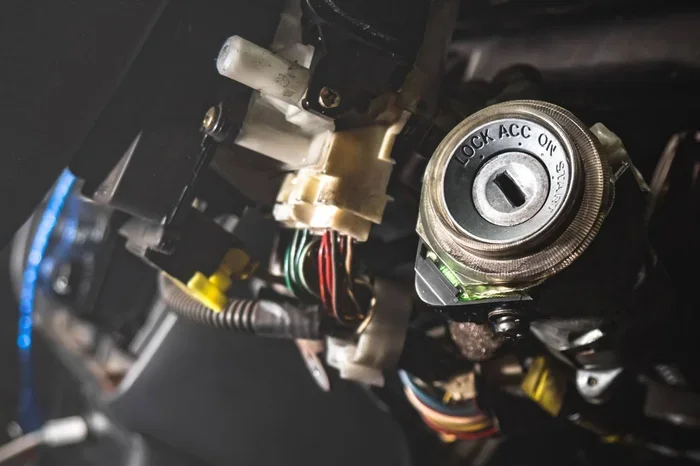
The ignition switch is the mechanism your key turns inside the lock cylinder. It sends electrical signals to the starter, fuel system, and ignition system. Over time, the internal contacts wear out and fail to send the right signals.
Signs of a bad ignition switch include:
- The key will not turn at all or feels stuck.
- The dashboard lights flicker when you turn the key.
- The car starts sometimes but not every time.
- You have to wiggle the key to get it to work.
If you notice these symptoms, the ignition switch may need to be replaced. This is a moderate repair that costs between $100 and $300 depending on your vehicle make and model. A certified mechanic can diagnose this quickly with a multimeter.
Starter Motor or Solenoid Failure
The starter motor is the electric motor that cranks your engine when you turn the key. It works through a component called the starter solenoid, which engages the starter gear with the engine flywheel. When either part fails, you will hear a distinct sound.
A single loud click usually means the solenoid is engaging but the starter motor is not turning. Rapid clicking typically means the starter is trying to engage but does not have enough power. A completely silent start with the key in the on position often points to a dead starter motor.
Starter motor replacement costs between $200 and $600 for parts and labor. The good news is that this is a straightforward repair for most mechanics. If you are handy, you can even replace a starter motor yourself with basic tools.
Electrical and Key-Related Problems
Modern vehicles rely heavily on electrical systems to start. Problems in this area can be tricky to diagnose because the symptoms often overlap with mechanical failures. Let us look at the electrical side of the starting equation.
Key Fob Battery Issues
If you drive a car with push button start or a proximity key system, the key fob battery might be the culprit. These systems use a small radio signal to communicate between the key and the car. When the fob battery dies, the car does not recognize the key and will not start.
This is one of the most overlooked reasons for no crank no start situations. The fix is simple. Replace the fob battery, which is usually a CR2032 coin cell battery. You can find these at any grocery store or pharmacy for a dollar or two.
Quick tip: Most cars have a backup start method even when the fob battery is dead. Look for a small slot near the steering column or center console where you can place the fob directly. This bypasses the weak battery and lets the car read the chip inside.
Steering Wheel Lock
This sounds silly, but a locked steering wheel is one of the most common reasons a key will not turn in the ignition. When you turn off the car and turn the steering wheel slightly, it engages the steering wheel lock mechanism. This is an anti-theft feature that prevents the wheel from turning.
To fix this, gently wiggle the steering wheel left and right while simultaneously trying to turn the key. You should feel the lock release, and the key will turn freely. Never force the key, as you risk breaking it inside the ignition cylinder.
Faulty Ignition Cylinder
The ignition cylinder is the physical slot where you insert the key. Over years of use, the internal pins and tumblers wear down. This can make it hard or impossible to turn the key. Worn ignition cylinders are especially common in older vehicles with high mileage.
Signs of a worn ignition cylinder include:
- The key feels loose or sloppy in the lock.
- You have to jiggle the key to get it to turn.
- The key does not go in or comes out easily.
- The car starts intermittently.
Replacing an ignition cylinder costs between $150 and $400. A locksmith or mechanic can handle this repair quickly. In the meantime, try spraying a small amount of graphite lubricant into the keyhole to reduce friction.
Fuel System Problems That Prevent Starting
Your engine needs three things to run: spark, fuel, and compression. If the fuel system fails, your car will crank but not start. Or in some cases, it will not crank at all if the fuel pump relay has failed.
Failed Fuel Pump
The fuel pump pushes gasoline from the tank to the engine. When it fails, fuel cannot reach the combustion chambers. A bad fuel pump often makes a faint humming sound when you turn the key to the on position. If you hear nothing, the pump may be dead.
Common causes of fuel pump failure include:
- Running the tank too low too often.
- Contaminated fuel or water in the tank.
- Electrical shorts in the fuel pump circuit.
- Normal wear and tear after 100,000+ miles.
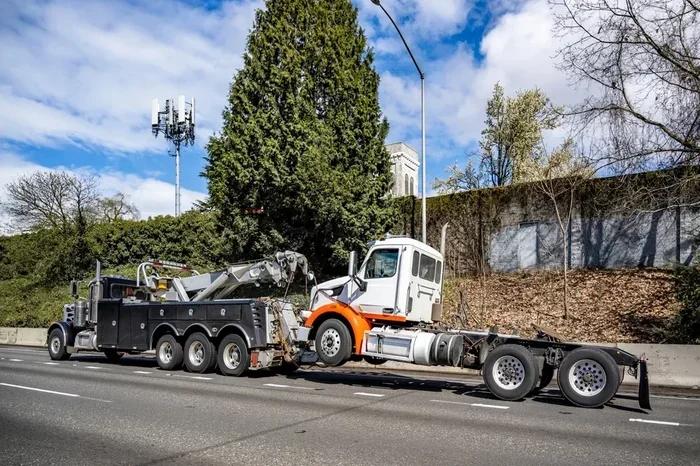
Fuel pump replacement is not cheap. Expect to pay between $400 and $800 for parts and labor. However, a failed fuel pump will not fix itself. If you suspect this is the problem, have it towed to a repair shop rather than trying to drive it.
Clogged Fuel Filter
The fuel filter removes debris and contaminants from the gasoline before it reaches the engine. Over time, it can become clogged and restrict fuel flow. A clogged filter causes the same symptoms as a weak fuel pump.
Replacing a fuel filter is inexpensive and easy. Most filters cost between $15 and $50, and the job takes about 30 minutes. Check your owner’s manual for the recommended replacement interval. Most manufacturers suggest changing the fuel filter every 30,000 to 50,000 miles.
Empty Fuel Tank
It sounds obvious, but an empty fuel tank is one of the top reasons car won’t start complaints. Fuel gauges can be inaccurate, especially in older vehicles. If your car has been sitting for a while, the tank may be completely empty without you realizing it.
Always keep your tank at least a quarter full, especially in winter. This prevents moisture buildup in the tank and ensures the fuel pump stays cooled and lubricated.
Immobilizer and Security System Interference
Modern cars come equipped with immobilizer systems designed to prevent theft. These systems use a transponder chip embedded in your key or key fob. When you turn the key or press the start button, the car checks whether the chip matches the codes stored in the engine control unit.
If the immobilizer does not recognize the key, it will prevent the engine from starting. This can happen for several reasons:
- The key fob battery is dead.
- The transponder chip inside the key is damaged.
- The immobilizer module has a fault.
- The key is not programmed to the vehicle.
If your dashboard shows a flashing security light or a key-shaped warning symbol, the immobilizer is likely the issue. Try using a spare key if you have one. If the spare key works, the original key’s transponder chip may need to be reprogrammed or replaced.
Key replacement for modern vehicles can be expensive, ranging from $100 to $400 or more depending on the brand. Always keep a spare key in a safe place at home.
Spark Plug and Ignition Coil Issues
Your engine needs a strong spark to ignite the fuel-air mixture in each cylinder. If the spark plugs or ignition coils are worn or faulty, the engine may crank but fail to start. This is especially common in vehicles with high mileage.
Worn spark plugs create weak or inconsistent sparks. Over time, the electrode erodes and the gap widens. This makes it harder for the spark to jump across the gap and ignite the fuel.
Here are signs your ignition system may be the problem:
- The engine cranks slowly but does not catch.
- You notice a misfire or rough idle before the no-start condition.
- The check engine light is on.
- Your vehicle has over 60,000 miles on the original spark plugs.
Replacing spark plugs is one of the easiest and cheapest maintenance tasks you can do. A set of spark plugs costs between $20 and $80, and most DIYers can swap them out in under an hour. Ignition coil replacement runs between $100 and $250 per coil depending on the engine layout.
When to Call a Professional Mechanic
Not every starting problem is a DIY fix. Some issues require specialized tools, diagnostic equipment, and professional expertise. Knowing when to call for help can save you time, money, and frustration.
You should call a mechanic if:
- The car cranks but will not start after checking the battery, fuel, and spark.
- You smell gasoline or notice fuel leaks near the engine.
- The dashboard warning lights are flashing or stay on constantly.
- You hear unusual grinding or knocking sounds when trying to start.
- The car starts occasionally but fails randomly.
- You have tried multiple fixes and the problem persists.
A professional mechanic can run a full diagnostic scan to check for error codes stored in the engine control unit. These codes pinpoint exactly which system is causing the problem. Many shops offer free or low-cost diagnostic services, so do not hesitate to get a professional opinion.
Also, if your car is under warranty, attempting DIY repairs on the starting system could void the coverage. Always check your warranty terms before working on electrical components yourself.
Preventive Tips to Avoid Starting Problems
The best way to deal with a car that will not start is to prevent the problem from happening in the first place. Here are some simple habits that keep your starting system healthy and reliable.
Check your battery regularly. Have a mechanic test your battery during every oil change or at least twice a year. Replace batteries that are more than four years old, even if they still work. A fresh battery gives you peace of mind and prevents surprise breakdowns.
Replace your key fob battery annually. Set a reminder on your phone to swap out the fob battery every 12 months. This costs almost nothing and saves you from being stranded.
Keep your fuel tank at least a quarter full. This protects the fuel pump and prevents moisture condensation inside the tank.
Use the right key and handle it gently. Do not force the key into the ignition. If it feels stiff or stuck, spray some graphite lubricant and try again gently. Forcing the key can damage the ignition cylinder and lead to expensive repairs.
Address warning signs immediately. If your car is slow to crank or the dashboard lights dim when you start the engine, do not ignore it. These are early warning signs that something is failing. Catching problems early saves you from a complete no-start situation at the worst possible time.
Comparison Table: Common No-Start Causes and Fixes
| Problem | Symptoms | DIY Fix? | Average Repair Cost |
|---|---|---|---|
| Dead Battery | No lights, no crank, silence | Yes (jump start or replace) | $50-$120 |
| Corroded Terminals | Dim lights, intermittent start | Yes (clean terminals) | Free-$10 |
| Bad Ignition Switch | Key stuck, flickering dash lights | No | $100-$300 |
| Starter Motor Failure | Clicking noise, no crank | Experienced DIYers only | $200-$600 |
| Dead Key Fob Battery | Push button start fails | Yes (replace battery) | $1-$5 |
| Failed Fuel Pump | Crank but no start, no hum | No | $400-$800 |
| Clogged Fuel Filter | Hard starting, stalling | Yes (easy DIY swap) | $15-$50 |
| Immobilizer Error | Security light flashing | Try spare key first | $100-$400 |
| Worn Spark Plugs | Slow crank, misfires | Yes (simple DIY job) | $20-$80 |
As you can see from the table above, many starting problems have simple and affordable solutions. The key is to diagnose the issue correctly before spending money on parts or repairs. Start with the easiest and cheapest fixes first, and work your way up to more complex problems.
Expert Insights on Diagnosing Starting Problems
Experienced mechanics follow a systematic approach when diagnosing no-start conditions. They start with the simplest and most common causes and work toward the more complex ones. This methodical process saves time and prevents unnecessary part replacements.
Here is the standard diagnostic sequence most professionals use:
- Check the battery voltage with a multimeter. A healthy battery should read 12.6 volts or higher.
- Inspect the battery terminals for corrosion and clean them if needed.
- Turn the key to the on position and listen for the fuel pump hum. A brief humming sound from the rear of the car means the pump is working.
- Try starting the car and listen carefully. A single click points to the starter or solenoid. Rapid clicking points to a weak battery. No sound at all points to the ignition switch or electrical connection.
- Check for spark by pulling a spark plug and grounding it against the engine block while cranking. A blue spark means the ignition system is working.
- Verify fuel delivery by checking the fuel pressure with a gauge or by listening for the fuel pump priming.
This systematic approach eliminates guesswork and helps you pinpoint the exact cause quickly. Even if you are not a mechanic, following these steps gives you a clear picture of what is happening and helps you communicate effectively with a professional if you need to call one.
One final tip from experienced technicians: always keep a basic emergency kit in your car. Include jumper cables, a flashlight, a spare key fob battery, and a multimeter. These simple tools can get you out of many sticky situations and save you from costly roadside assistance calls.
Key Takeaways
- Dead Battery Is the #1 Culprit: A weak or dead battery causes most no-start situations and is easy to test and replace.
- Ignition Switch Failures Are Common: Worn ignition switches can prevent your key from turning or sending power to the engine.
- Starter Motor Issues Create Clicking Noises: A faulty starter solenoid or motor often results in a single click or rapid clicking when you turn the key.
- Immobilizer and Key Fob Problems: Modern cars have anti-theft systems that can block starting if the key signal is not recognized.
- Fuel Pump and Filter Issues: A failing fuel pump or clogged filter can stop gas from reaching the engine, causing a no-start condition.
- Knowing When to Call a Pro: Some problems require professional diagnosis, especially internal engine or electrical faults.
- Preventive Maintenance Saves Money: Regular battery checks, key fob battery replacements, and fuel system cleaning can prevent most starting issues.
Conclusion
Dealing with a car that will not start is frustrating, but it does not have to be a mystery. The question why wont my car start with the key usually comes down to one of several common causes. A dead battery, corroded terminals, a bad ignition switch, a failing starter motor, fuel system problems, or immobilizer interference are the top culprits. By following the diagnostic steps in this guide, you can identify the problem and choose the right fix.
Start with the simplest and cheapest solutions first. Check the battery. Clean the terminals. Replace the key fob battery. Wiggle the steering wheel to release the lock. Many starting problems are solved with these basic steps alone. If the issue persists, move on to more complex checks like the fuel pump, spark plugs, and ignition coils.
Remember that preventive maintenance is your best defense against starting problems. Regular battery testing, timely key fob battery replacements, and keeping your fuel system clean will keep your car reliable for years to come. And when in doubt, do not hesitate to consult a professional mechanic. A quick diagnostic scan can reveal issues that are not visible to the naked eye.
The most important takeaway is this: you do not need to panic when your car will not start. Stay calm, work through the checklist, and you will likely find the solution. With the right knowledge and a little patience, you can get back on the road quickly and confidently.
Frequently Asked Questions
What should I do if my car won’t start with the key but the lights come on?
This usually means the battery has enough charge for the electronics but not enough to crank the engine. Try jump starting the car first. If the jump start works, your battery may need replacement. If it does not work, the problem is likely the starter motor or ignition switch.
Why does my car make a clicking noise but won’t start?
A single click usually indicates a faulty starter solenoid or a dead battery. Rapid clicking typically means the battery is too weak to power the starter motor. Check your battery voltage with a multimeter and clean the terminals. If the battery is fine, the starter motor may need replacement.
Can a bad key fob battery cause my car not to start?
Yes, absolutely. Cars with push button start or proximity key systems rely on the key fob battery to communicate with the vehicle. When the fob battery dies, the car cannot recognize the key and will refuse to start. Replace the fob battery with a CR2032 coin cell to fix this.
How do I know if my fuel pump is bad?
Turn the key to the on position (do not start the engine) and listen for a brief humming sound from the rear of the car. This is the fuel pump priming. If you hear nothing, the fuel pump may be dead. Other signs include the car cranking but not starting and stalling at high speeds.
Is it safe to keep trying to start my car if it won’t turn over?
No, repeatedly trying to start your car can overheat the starter motor and drain the battery further. Wait at least 10 seconds between attempts. If the car does not start after three to four tries, stop and diagnose the problem before attempting again.
How much does it cost to fix a car that won’t start?
The cost depends entirely on the cause. A dead battery replacement costs $50 to $120. A starter motor repair runs $200 to $600. A fuel pump replacement can be $400 to $800. Ignition switch repairs typically cost $100 to $300. Always get a diagnosis before committing to a repair.