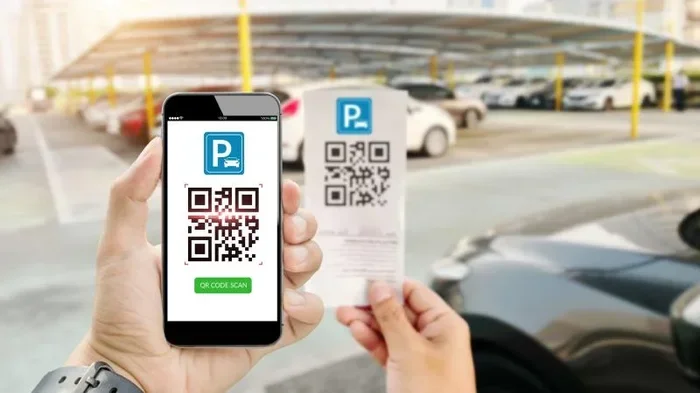
Why Is There a QR Code on My Car and What Does It Mean
A QR code on my car serves as a digital bridge between your vehicle and the modern world. These scannable codes help with vehicle identification, contactless information sharing, and even roadside assistance. Understanding why automakers and car owners use them can make your driving experience safer and more convenient.
Have you ever looked at your car and noticed a small square pattern stuck to the window or body? You are not alone. More and more drivers are asking the same question: why is there a QR code on my car? These little black-and-white squares are popping up on vehicles everywhere, and they are not just random decorations. They serve real, practical purposes that can make your life as a car owner much easier.
The QR code on my car phenomenon is growing fast. From new vehicles rolling off the assembly line to custom stickers added by individual owners, these codes are reshaping how we interact with our cars. They link the physical world of driving to the digital world of apps, websites, and instant information. Whether you are a tech enthusiast or someone who just wants to understand what that little square does, this guide has you covered.
In this article, we will explore every angle of QR codes on vehicles. You will learn what they are, why they exist, how they work, and what they mean for you as a driver. We will also look at the different ways car owners and businesses use them. By the end, you will have a clear picture of this modern automotive trend and how it can benefit you on the road.
Key Takeaways
- QR codes on cars serve multiple purposes: from digital business cards to emergency contact storage and vehicle tracking.
- Automakers use them for smart car technology: linking physical vehicles to digital platforms and services.
- Car owners benefit from contactless information sharing: no need to exchange paper documents after minor accidents.
- Fleet managers rely on QR vehicle tracking: for maintenance schedules, location monitoring, and operational efficiency.
- Dealerships use QR codes for marketing: connecting buyers to vehicle specs, financing options, and virtual tours.
- Safety features are enhanced: QR codes can store emergency medical info and roadside assistance contacts.
- Adding a QR code to your car is easy: with the right tools and a clear purpose, anyone can do it.
📑 Table of Contents
What Is a QR Code on Your Car?
A QR code is a quick response code. It is a type of barcode that stores information in a grid of black and white squares. When you scan it with your phone camera, it instantly pulls up linked content. This could be a website, a contact card, a payment link, or even a video. The technology has been around for decades, but its use in the automotive world is relatively new and exciting.
When you see a QR code on my car, it usually means someone has placed it there on purpose. The code acts as a bridge between the physical car and digital content. Car manufacturers, fleet operators, dealerships, and everyday drivers all use them for different reasons. The content behind the code can vary widely based on the use case.
How QR Codes Work in the Automotive Space
Scanning a QR code on a car works just like scanning any other QR code. You open your phone camera, point it at the code, and your device reads the data embedded inside. Most modern smartphones do this automatically without needing a separate app. The linked content then appears on your screen instantly.
In the automotive space, this technology supports smart car technology and digital twin concepts. A digital twin is a virtual replica of a physical vehicle. By scanning a QR code, you can access the digital twin of your car. This opens up possibilities for vehicle tracking, maintenance history, and real-time diagnostics. The automotive innovation behind QR codes makes cars more connected than ever before.
Why Are QR Codes Appearing on Vehicles?
The rise of QR codes on vehicles is driven by several key factors. Let us break down the main reasons why you might find a QR code on your car or see one on someone else’s vehicle.
Digital Marketing and Branding
Car dealerships and automotive brands use QR codes as a powerful marketing tool. A small sticker or etched code on a vehicle can link directly to the car’s full spec sheet, a virtual tour, or a financing calculator. This is part of the broader digital marketing strategy for car sales. Instead of handing buyers a stack of paper brochures, a single QR code gives instant access to all the information they need.
Dealerships also use QR codes for contactless payment options. Buyers can scan the code on a display vehicle and start the financing process right from their phone. This smooth, modern experience helps close deals faster and appeals to tech-savvy shoppers.
Vehicle Identification and Registration
Some vehicles come with QR codes as part of the vehicle identification system. These codes store unique data about the car, such as the VIN, model year, and manufacturer details. Law enforcement and parking authorities can scan these codes to quickly pull up vehicle records. This makes vehicle registration checks faster and more accurate.
In parking management, QR codes help automate the process. Drivers scan a code to pay for parking or validate their parking pass. This removes the need for physical tickets and makes the whole process smoother for everyone involved.
Emergency and Safety Information
One of the most valuable uses of a QR code on my car is safety. Some car owners place QR codes on their vehicles that link to emergency contact information. In the event of an accident, first responders can scan the code and instantly access critical details. This might include the driver’s medical history, emergency contacts, or insurance information.
This concept ties into automotive safety innovations. Having instant access to a driver’s medical info can save lives, especially if the driver is unconscious or unable to communicate. Emergency medical teams can make faster, better-informed decisions when they have this data at their fingertips.
How QR Codes on Cars Work
Understanding how a QR code on my car actually functions helps you appreciate the technology behind it. The process is simple but powerful.
- The code is created: A user or business generates a QR code that links to specific content. This could be a URL, a text document, a Wi-Fi network, or payment information.
- The code is placed on the car: It can be a sticker, a printed label, an etched marking, or even a digital display.
- Someone scans the code: Using a smartphone camera or a dedicated QR scanner app, the code is read.
- Content is delivered: The linked information appears on the scanner’s device instantly.
The beauty of this system is its simplicity. No special equipment is needed. Almost any smartphone can scan a QR code in seconds. This makes contactless information sharing incredibly convenient for both car owners and the people who interact with their vehicles.
Static vs. Dynamic QR Codes
Not all QR codes are the same. There are two main types used on cars:
- Static QR codes: These link to fixed content that cannot be changed after creation. They are simple and reliable but not very flexible.
- Dynamic QR codes: These link to a URL that can be updated with new content at any time. This is useful for fleet management and dealerships that need to change information frequently.
Dynamic QR codes are becoming more popular in the automotive world. They allow businesses to update vehicle service information, promotions, or safety notices without reprinting codes. This flexibility is a big advantage for fleet management operations that handle dozens or even hundreds of vehicles.
Benefits of Having a QR Code on Your Vehicle
There are many advantages to having a QR code on my car. Let us look at the key benefits that make this technology worth considering.
Instant Access to Vehicle Information
A QR code gives anyone instant access to your vehicle’s details. This is especially helpful during test drives, inspections, or after a minor fender bender. Instead of digging through paperwork, you can simply let the other person scan the code. All the relevant information appears on their phone in seconds.
This is also useful for car sharing and rental services. When you rent a car, a QR code can link to the vehicle’s user guide, features overview, and support contact information. It makes the rental experience more seamless and modern.
Streamlined Roadside Assistance
Imagine breaking down on a lonely highway at night. A QR code on my car linked to your roadside assistance provider can make getting help much faster. Anyone who finds your vehicle can scan the code and immediately call for help. No need to search for insurance cards or membership numbers.
Some roadside assistance programs now offer QR code stickers specifically designed for this purpose. They link directly to the service’s emergency hotline and include your vehicle details. This small addition can make a huge difference in an emergency situation.
Easier Insurance and Claims Processing
Dealing with insurance after an accident can be stressful. A QR code linked to your policy information simplifies the process. The other driver, police officer, or claims adjuster can scan the code and access your insurance details instantly. This reduces paperwork and speeds up the claims process.
Some insurance companies are starting to offer QR code stickers as part of their policy packages. These stickers link to your digital insurance card and policy number. It is a simple change that saves time and reduces hassle after an accident.
Enhanced Car Maintenance Tracking
For car maintenance, a QR code can be a game changer. You can link a code to your vehicle’s service history. Every time you visit a mechanic, they can scan the code and see all previous repairs, oil changes, and inspections. This creates a complete maintenance record that travels with the car, not just with a stack of paper receipts.
Car owners who sell their vehicles also benefit. A QR code linked to a full service history adds value and transparency. Buyers can verify the maintenance records instantly, which builds trust and can help with the sale price.
Common Uses for QR Codes on Cars
The QR code on my car trend has led to a wide variety of practical applications. Here are the most common ways people and businesses use them.
Personal Vehicle Identification
Many car owners use QR codes as a personal identification tool. The code links to their contact information, making it easy for someone who finds a parked car to reach the owner. This is especially popular among classic car enthusiasts and collectors who want to protect their vehicles.
Car Sharing and Ride Services
Car sharing platforms use QR codes extensively. When you rent a car through an app, you scan a code on the vehicle to unlock it. The code also links to the car’s specific details, including fuel level, mileage, and any special instructions. Ride services like Uber and Lyft also use QR codes for driver and rider verification.
Dealership Showrooms and Events
Car dealerships place QR codes on display vehicles, brochures, and event banners. Scanning the code takes potential buyers directly to the vehicle’s online listing, 360-degree view, or financing application. This contactless payment and information sharing approach became even more important after the pandemic.
Fleet and Commercial Vehicle Management
Businesses with large fleets rely on QR codes for daily operations. Each vehicle in the fleet has a unique code that links to its maintenance schedule, driver assignments, and location data. This makes fleet management more efficient and helps companies save money on operational costs.
| Use Case | Who Uses It | Primary Benefit |
|---|---|---|
| Emergency Contact Storage | Individual Car Owners | Faster emergency response |
| Vehicle Marketing | Dealerships and Brands | Higher engagement and sales |
| Insurance Claims | Insurance Companies and Drivers | Faster claims processing |
| Fleet Tracking | Logistics and Transport Companies | Better operational efficiency |
| Car Sharing Access | Rental Services and Platforms | Seamless vehicle unlocking |
| Maintenance Records | Mechanics and Car Owners | Complete service history access |
What to Do If You See a QR Code on Someone Else’s Car
You are driving down the road and notice a QR code on my car that belongs to someone else. Should you scan it? The answer depends on the context and your comfort level.
If the code is clearly placed by a business, such as a dealership or rental company, scanning it is perfectly fine. These codes are meant to be public and accessible. They usually link to vehicle information, marketing content, or service details.
If the code is on a personal vehicle and looks like a custom sticker, use your judgment. Some car owners place QR codes with their contact info for convenience. Others may use them for personal tracking or identification purposes. If you are unsure, it is best not to scan codes on vehicles that are not yours. Respect for privacy is important.
Quick Tips:
- Only scan QR codes from sources you trust.
- Avoid scanning codes on parked cars that look personal or unfamiliar.
- If a code is part of a business transaction, scanning is expected and safe.
- Keep your phone’s QR scanner updated for the best security.
Common Mistakes People Make with Car QR Codes
There are a few mistakes that car owners and users make when dealing with QR codes on vehicles. Being aware of these can save you time and trouble.
- Placing the code in a hard-to-scan location: If the code is stuck in a spot that is always dirty or hidden, no one will be able to scan it. Choose a clean, visible spot like the rear windshield or a door panel.
- Using a static code for changing information: If your needs change over time, a static code becomes useless. Always opt for dynamic codes when possible.
- Ignoring privacy concerns: Do not put personal or sensitive information behind a public QR code. Always use secure links and avoid storing private data directly in the code.
- Forgetting to test the code: Before placing a QR code on your car, scan it yourself to make sure it works and leads to the right content.
Expert Insights on QR Codes in the Automotive World
Industry experts see QR codes on vehicles as just the beginning of a larger trend toward connected cars. According to automotive analysts, the integration of scannable codes into vehicles supports the growing smart car technology ecosystem. These small codes are part of a bigger vision where every physical object is linked to a digital counterpart.
Experts also highlight the role of QR codes in making car sharing and vehicle service more efficient. As the automotive industry continues to evolve, we can expect QR codes to become even more integrated into the driving experience. From factory-installed codes to user-generated stickers, the trend is only growing.
One thing is clear: the QR code on my car is not a fad. It is a practical tool that bridges the gap between physical vehicles and digital services. As more people discover its benefits, adoption will continue to rise across the automotive industry.
How to Add a QR Code to Your Own Car
If you are interested in adding a QR code on my car for your own purposes, the process is straightforward. Here is a simple guide to get you started.
- Decide on the purpose: What do you want the code to do? Link to your contact info? Store emergency details? Connect to your insurance policy?
- Generate the QR code: Use a free online QR code generator or a dedicated app. Enter the content you want to link to.
- Choose a dynamic code if possible: This gives you the flexibility to update the linked content later without creating a new code.
- Print or create a sticker: You can print the code on waterproof sticker paper or order custom vinyl stickers online.
- Place it strategically: Put the code on the rear windshield or a visible door area where it can be easily scanned.
- Test it: Scan the code with your phone before final placement to make sure everything works correctly.
Following these steps ensures your QR code on my car is functional, secure, and useful. Whether you are a car owner looking for convenience or a business owner managing a fleet, a well-placed QR code adds real value.
Quick Tips for Car QR Code Success
- Use waterproof materials for your QR code sticker so it lasts in all weather conditions.
- Keep the linked content short and relevant. Long loading times frustrate users.
- Update dynamic codes regularly to keep the information current.
- Consider adding a small label below the code explaining what it does.
- Avoid placing the code where it could block your view or interfere with driving safety.
Conclusion
The QR code on my car is more than just a modern novelty. It is a practical tool that connects your vehicle to the digital world in meaningful ways. From emergency safety to streamlined marketing, these small codes offer big benefits for car owners, businesses, and the automotive industry as a whole.
Whether you are a driver who wants to add convenience and safety to your vehicle, a dealership looking to enhance the buyer experience, or a fleet manager seeking better operational control, QR codes deliver real value. The technology is simple, accessible, and ready for widespread adoption.
Now that you understand why there is a QR code on my car and what it means, you can make informed decisions about using this technology yourself. Embrace the innovation, stay safe on the road, and enjoy the convenience that modern automotive technology brings to your daily driving experience.
Frequently Asked Questions
Can I add a QR code to my own car?
Yes, absolutely. You can generate a QR code using free online tools and print it on a waterproof sticker. Place it on your rear windshield or a visible door panel. Just make sure the code links to something useful and does not block your view while driving.
Is a QR code on a car safe to scan?
Generally, yes. QR codes from trusted sources like dealerships, rental companies, or your own custom codes are safe. However, avoid scanning unfamiliar QR codes on other people’s cars, as they could potentially link to malicious websites. Always use a secure and updated QR scanner app.
Do dealerships put QR codes on new cars?
Many dealerships now include QR codes on new vehicles. These codes typically link to the car’s full specifications, financing options, or virtual tours. This is part of a broader digital marketing strategy to provide a seamless, contactless buying experience for customers.
Can a QR code on a car help with insurance claims?
Yes, it can. A QR code linked to your insurance policy and contact details makes the claims process faster and smoother. After an accident, the other driver or police can scan your code and instantly access your insurance information, reducing paperwork and delays.
Will QR codes on cars become standard?
It is very likely. As smart car technology continues to advance, QR codes are expected to become a standard feature on vehicles. They already play a big role in car sharing, fleet management, and dealership operations. The trend is moving toward more connected and digitally integrated vehicles.
What information is stored in a car QR code?
The information depends on what the code creator chose to link. It could be a website URL, contact details, insurance policy info, vehicle maintenance records, or emergency contact data. The code itself does not store the content directly; it stores a link that leads to the content when scanned.