What Does EPB Malfunction Mean and How to Fix It Fast
An EPB malfunction means your electronic parking brake system has detected a fault and needs attention. This warning can appear for many reasons, from a simple sensor glitch to a serious brake actuator failure. Understanding the EPB malfunction meaning helps you act fast and avoid costly repairs.
You are driving down the road, and suddenly a strange light pops up on your dashboard. It looks like a “P” inside a circle, maybe with an exclamation mark. Your mind races. What does this mean? More importantly, is your car safe to drive? If you have seen this light, you are likely dealing with an EPB malfunction. This warning can feel scary, especially if you do not know what it means or how to fix it.
The good news is that an EPB malfunction is a common issue, and in many cases, it is fixable without a huge expense. Whether you drive a Honda, Toyota, Ford, or BMW, this guide will walk you through everything you need to know. We will cover what the EPB system does, why it fails, what symptoms to watch for, and exactly how to fix it. By the end, you will feel confident about tackling this problem head-on.
Let us start with the basics. EPB stands for Electronic Parking Brake. It replaced the old manual lever or foot pedal parking brake in most modern cars. The system uses electric motors and sensors to engage and release your parking brake at the touch of a button. It is convenient, but like any electronic system, it can develop faults. When that happens, your car alerts you with an EPB malfunction warning on the dashboard.
Key Takeaways
- EPB malfunction indicates a problem with your electronic parking brake system that should not be ignored.
- Common symptoms include a dashboard warning light, stiff parking brake, or inability to release the brake.
- Low brake fluid, faulty EPB switch, and worn brake calipers are among the top causes of this issue.
- You can try simple fixes like a brake reset or checking fluid levels before visiting a mechanic.
- Using an OBD scanner helps you read the exact error code and pinpoint the problem faster.
- Ignoring the EPB warning light can lead to safety risks and more expensive repairs down the road.
- Regular brake maintenance can prevent many EPB issues from ever occurring.
📑 Table of Contents
What Does EPB Malfunction Mean?
So, what exactly does EPB malfunction mean? Simply put, it means your car’s electronic parking brake system has detected an error and has switched to a safety mode. The system cannot operate normally, and you will see a warning light on your instrument cluster.
The EPB malfunction message tells you that something is wrong with one or more components of the electronic parking brake system. This could be as simple as a loose connection or as serious as a failed brake motor. The car’s computer continuously monitors the EPB system through various sensors. When it receives an abnormal signal, it triggers the warning to protect you.
It is important to understand that an EPB malfunction does not always mean your car is unsafe. In many cases, the regular service brakes still work fine. However, the parking brake function may be compromised. This means your car could roll when parked, especially on a hill. That is why you should never ignore this warning.
The EPB malfunction light can appear in different ways depending on your vehicle. Some cars show a text message on the dashboard display. Others use a warning symbol. In certain models, the light flashes, while in others it stays solid. Each pattern can give you a clue about the severity of the problem. A flashing light often signals a more urgent issue than a steady one.
How the EPB System Works
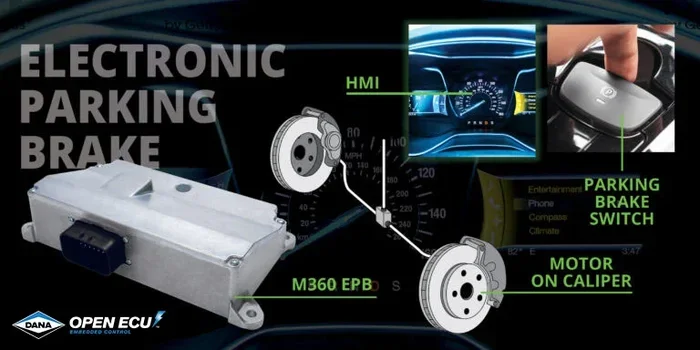
To understand the EPB malfunction meaning fully, it helps to know how the system works. The electronic parking brake uses an electric motor attached to each rear brake caliper. When you press the EPB button, the motor engages the caliper, which presses the brake pads against the rotor. When you release the button, the motor reverses and lets go.
The system relies on several components working together. These include the EPB control module, brake sensors, wiring harness, and the electric motors themselves. If any one of these parts fails or sends incorrect data, the system throws an error code. That is when the EPB malfunction light comes on.
Common EPB Malfunction Symptoms
Recognizing the early signs of an EPB malfunction can save you from bigger problems later. Here are the most common symptoms drivers report:
- Dashboard Warning Light: The most obvious sign. A yellow or red “P” symbol lights up on your dash.
- Parking Brake Will Not Release: You press the button, but the brake stays engaged. This is a serious symptom.
- Parking Brake Will Not Engage: The button does nothing, and the parking brake fails to hold the car.
- Stiff or Jerky Brake Operation: The EPB feels rough or unresponsive when you press the button.
- Unusual Noises: Clicking, grinding, or buzzing sounds come from the rear brakes when you use the EPB.
- Error Message on Screen: Some vehicles display text like “Service Parking Brake” or “EPB Fault Detected.”
- Brake Light on Dashboard: The general brake warning light may also illuminate alongside the EPB light.
- Car Rolls When Parked: The parking brake fails to hold the vehicle on an incline.
If you notice any of these EPB malfunction symptoms, do not wait. The longer you ignore them, the more damage can occur. For example, a parking brake that will not release can cause the brake pads to overheat and wear out prematurely. This turns a small repair into a much bigger one.
When Symptoms Appear Intermittently
Sometimes, the EPB malfunction light comes and goes. You might notice it only in cold weather or after driving through water. Intermittent issues can be tricky because they seem minor. However, they often point to a wiring problem or a sensor that is starting to fail. Even if the light disappears, get the system checked. Intermittent faults tend to become permanent over time.
What Causes EPB Malfunction?
Now that you know the symptoms, let us look at the causes. Understanding what causes EPB malfunction helps you take the right steps toward a fix. Several factors can trigger this warning, and some are more common than others.
Low Brake Fluid Level
One of the most frequent causes of an EPB malfunction is low brake fluid. The EPB system shares the brake hydraulic circuit with the regular service brakes. When the fluid level drops, the system detects a problem and activates the warning. Brake fluid can leak from the master cylinder, brake lines, or caliper seals. If you check your fluid and it is low, top it off and look for leaks.
Faulty EPB Switch or Button
The EPB button on your console gets a lot of use over the years. The switch inside can wear out or become corroded. When the switch fails, it cannot send the correct signal to the control module. This results in an EPB malfunction error. In many cases, replacing the switch is a simple and inexpensive fix.
Worn Brake Calipers or Motors
The electric motors inside the rear brake calipers have a limited lifespan. Over time, they can burn out or become stuck. When the motor fails, the caliper cannot engage or release properly. This is a common cause of EPB malfunction in higher-mileage vehicles. Replacing a caliper motor typically costs between $200 and $500 per side, depending on your car model.
Wiring and Connector Issues
Modern cars rely heavily on electrical connections. The wiring harness that connects the EPB motors to the control module can suffer from corrosion, chafing, or disconnection. Road salt, moisture, and age can all damage these connections. A broken wire or corroded connector is one of the sneakiest causes of an EPB malfunction because it does not always show visible damage.
ABS Sensor Problems
The EPB system works closely with the ABS (Anti-lock Braking System) sensors. These sensors monitor wheel speed and help the car determine how much braking force to apply. If an ABS sensor fails or gets dirty, it can send wrong data to the EPB module. This confusion triggers the EPB malfunction warning. Cleaning or replacing the sensor often resolves the issue.
EPB Control Module Failure
In rare cases, the EPB control module itself fails. This is the computer that manages the entire electronic parking brake system. Module failures can result from water damage, electrical surges, or general wear. Replacing the control module is the most expensive repair for an EPB malfunction, often costing $500 or more including programming.
Brake Pad Wear
Worn brake pads can also trigger the EPB malfunction light. When the pads get too thin, the caliper motor has to work harder to engage the brake. This extra strain can cause the motor to overheat or fail to operate correctly. Regular brake pad replacements help prevent this issue.
How to Diagnose EPB Problems
Before you start replacing parts, proper diagnosis is essential. Guessing can waste your time and money. Here is how to approach diagnosing an EPB malfunction step by step.
Step 1: Check the Brake Fluid
Open the hood and locate the brake fluid reservoir. Check the fluid level against the MIN and MAX marks. If the level is low, top it off with the correct DOT-rated brake fluid for your vehicle. Then watch the light. If it goes off, the low fluid was the culprit. If it stays on, move to the next step.
Step 2: Inspect the EPB Button
Press the EPB button and listen for any unusual sounds. A healthy system should click smoothly. If you hear grinding or clicking from the console area, the switch may be faulty. Try wiggling the button gently while pressing it. If the light changes behavior, the switch is likely the problem.
Step 3: Use an OBD Scanner
An OBD scanner is the best tool for diagnosing an EPB malfunction. Plug it into the OBD-II port under your dashboard. The scanner will read the error codes stored in the car’s computer. Common EPB-related codes include C0010, C0011, C0020, and C0021. Each code points to a specific part of the system that needs attention.
Step 4: Inspect the Wiring
Look at the wiring harness connected to the rear brake calipers. Check for frayed wires, loose connectors, or corrosion. Sometimes the connector simply needs to be unplugged and reseated. This simple step fixes many EPB malfunction cases that owners panic over.
Step 5: Check the Brake Calipers
If the wiring looks fine, inspect the rear brake calipers visually. Look for any signs of damage, rust, or leaking. You can also try manually moving the caliper slider to see if it moves freely. A stuck caliper often causes the EPB malfunction light to appear.
How to Fix EPB Malfunction
Once you know the cause, fixing the EPB malfunction becomes much easier. Here are the most effective solutions, ranked from simplest to most complex.
Fix 1: Reset the EPB System
Sometimes the system just needs a reset. Start by turning off the engine. Wait about 30 seconds. Then restart the car and press the EPB button to release and re-engage the parking brake a few times. This simple reset clears minor glitches and often resolves the EPB malfunction light. Many drivers have fixed their problem with this easy step.
Fix 2: Top Off Brake Fluid
If the brake fluid was low, simply refilling it may turn off the warning light. Use the correct brake fluid type specified in your owner’s manual. After refilling, drive the car for a few minutes and see if the light stays off. If it does, you have solved the problem. If it returns, there is likely a leak that needs attention.
Fix 3: Replace the EPB Switch
A faulty EPB switch is a relatively affordable repair. The switch usually costs between $30 and $80. Replacement involves removing the console trim, unplugging the old switch, and installing the new one. This is a job most DIYers can handle with basic tools. Always disconnect the battery before working on electrical components.
Fix 4: Clean or Replace the ABS Sensor
If the ABS sensor is dirty or failing, cleaning it may fix the EPB malfunction. The sensor is usually located near the rear wheel hub. Remove it, clean the tip with a soft cloth and brake cleaner, and reinstall it. If cleaning does not work, a new sensor costs around $20 to $50 and is straightforward to replace.
Fix 5: Replace the Brake Caliper Motor
A burned-out caliper motor requires a more involved repair. You will need to remove the rear brake caliper, disconnect the motor connector, and swap in a new unit. This repair typically costs $200 to $500 per caliper, including parts and labor. If both calipers need replacement, the cost doubles. Always replace calipers in pairs for balanced braking.
Fix 6: Repair or Replace Wiring
If you find damaged wiring, repair it by splicing in a new section or replacing the harness entirely. Clean any corroded connectors with electrical contact cleaner. For minor wire damage, a simple solder and heat-shrink repair works well. More extensive damage may require replacing a section of the harness, which can cost $100 to $300 at a shop.
Fix 7: Replace the EPB Control Module
Module replacement is the most complex and expensive fix. The control module must be programmed to your specific vehicle. This is a job best left to a professional mechanic or dealership. Expect to pay $500 to $1,000 for parts and labor combined. However, once replaced, the EPB malfunction should be permanently resolved.
Quick Tips for EPB Repair
- Always start with the simplest fix first. A reset or fluid top-off costs nothing and takes two minutes.
- Keep your owner’s manual handy. It contains specific EPB reset procedures for your exact car model.
- Use quality replacement parts. Cheap switches and sensors fail quickly and cause the same EPB malfunction to return.
- After any repair, clear the error codes with an OBD scanner to confirm the fix worked.
- Test the parking brake on a flat surface before driving in traffic.
EPB Malfunction Repair Cost
The cost to fix an EPB malfunction varies widely depending on the root cause. Here is a general breakdown:
- EPB Reset: Free (DIY)
- Brake Fluid Top-Off: $10 to $30
- EPB Switch Replacement: $30 to $150
- ABS Sensor Replacement: $50 to $150
- Brake Caliper Motor Replacement: $200 to $500 per caliper
- Wiring Repair: $100 to $300
- EPB Control Module Replacement: $500 to $1,000
These costs can vary based on your vehicle make and model. Luxury cars and European brands often cost more for parts and labor. Always get a quote from a trusted mechanic before committing to a major repair.
Can You Drive with an EPB Malfunction?
This is one of the most common questions drivers ask. The short answer is: it depends. If your regular service brakes are working normally, you can usually drive carefully to a repair shop. However, the parking brake may not function correctly, which creates a safety risk when you park.
If the EPB malfunction light is red instead of yellow, treat it as urgent. A red light often means the system has completely failed. In this case, avoid driving and have the car towed. Safety should always come first.
Some drivers try to bypass the EPB system with a wire or by disconnecting the battery. This is a bad idea. The electronic parking brake is a safety system, and tampering with it can create dangerous situations. Always fix the problem properly rather than finding a shortcut.
How to Prevent EPB Malfunction
The best way to deal with an EPB malfunction is to prevent it from happening in the first place. Regular maintenance goes a long way toward keeping your electronic parking brake system healthy.
- Check Brake Fluid Regularly: Inspect the fluid level and color every few months. Dark fluid indicates contamination and should be changed.
- Use the EPB Button Often: Regular use keeps the motor and mechanisms lubricated and functioning smoothly.
- Keep Brakes Clean: Dirt and grime buildup around the rear calipers can cause corrosion and motor failure.
- Address Small Issues Early: If you notice any unusual behavior, get it checked immediately. Small problems become big ones fast.
- Follow the Maintenance Schedule: Your owner’s manual includes recommended service intervals for the brake system. Stick to them.
Expert Insight on EPB Maintenance
Experienced mechanics often say that the biggest mistake drivers make is ignoring early warning signs. A faint EPB light or occasional stiffness in the parking brake operation should never be dismissed. Catching these minor issues early can prevent a full EPB malfunction and save hundreds of dollars in repair costs. Think of it as an investment in your safety and your wallet.
Key Takeaways
- EPB malfunction means your electronic parking brake system has detected a fault and needs attention.
- Common symptoms include a dashboard warning light, stiff parking brake, or inability to release the brake.
- Low brake fluid, faulty EPB switch, and worn brake calipers are among the top causes of this issue.
- You can try simple fixes like a brake reset or checking fluid levels before visiting a mechanic.
- Using an OBD scanner helps you read the exact error code and pinpoint the problem faster.
- Ignoring the EPB warning light can lead to safety risks and more expensive repairs down the road.
- Regular brake maintenance can prevent many EPB issues from ever occurring.
Conclusion
An EPB malfunction is a warning you should take seriously, but it is not the end of the world. With the right knowledge and approach, most EPB problems are fixable without breaking the bank. Start with the basics: check the brake fluid, try a system reset, and use an OBD scanner to read the error codes. These simple steps resolve many cases and cost you nothing.
If the problem persists, move on to inspecting the switch, sensors, wiring, and calipers. Each component is a potential culprit, and knowing what to look for saves you time and money. For more complex issues like a failed control module or burned-out motor, do not hesitate to seek professional help. A qualified mechanic has the tools and expertise to handle these repairs safely.
Remember, the electronic parking brake is a critical safety system. Keeping it in good working order protects you, your passengers, and your vehicle. The next time that EPB malfunction light appears on your dashboard, you will know exactly what it means and what to do about it. Stay proactive, stay safe, and keep your brakes in top shape.
Frequently Asked Questions
What does EPB malfunction mean on the dashboard?
It means your car’s electronic parking brake system has detected a fault. The warning light alerts you that the system cannot operate normally. Common causes include low brake fluid, a faulty switch, or a failed caliper motor.
Is it safe to drive with an EPB malfunction light on?
It depends on the severity. If your regular brakes work fine and the light is yellow, you can drive carefully to a repair shop. If the light is red or the parking brake will not release, avoid driving and have the car towed.
How much does it cost to fix an EPB malfunction?
Costs range from free (a simple reset) to $1,000 (control module replacement). Most common fixes like switch or sensor replacement cost between $50 and $150. Caliper motor replacement typically runs $200 to $500 per side.
Can low brake fluid cause an EPB malfunction?
Yes, low brake fluid is one of the most common causes. The EPB system shares the hydraulic circuit with the service brakes. When fluid drops below the minimum level, the system triggers the warning light.
How do I reset my EPB system?
Turn off the engine, wait 30 seconds, then restart the car. Press the EPB button to release and re-engage the parking brake a few times. This simple reset often clears minor glitches and turns off the warning light.
What should I do if the EPB malfunction light keeps coming back?
A recurring light means the underlying problem is not fully resolved. Use an OBD scanner to read the error codes, inspect the wiring and connectors, and check the brake fluid level. If you cannot find the cause, take the car to a professional mechanic for a thorough diagnosis.