How Long Should You Wait to Add Coolant to Your Car
Knowing how long you should wait to add coolant can save your engine from serious damage. The general rule is to let your car cool down for at least 30 minutes before opening the radiator or coolant reservoir. Adding coolant to a hot engine can cause burns and cracks, so patience is your best friend. This guide covers the right timing, safety steps, and warning signs to keep your car running smoothly.
Your car’s engine works hard. It generates a lot of heat, and without the right cooling system, it would overheat in minutes. That is where coolant comes in. This special fluid absorbs heat from the engine and carries it away through the radiator. But here is the thing many car owners get wrong: timing matters a lot when it comes to adding coolant.
You might be tempted to pop the hood right after a long drive and pour in more fluid. Resist that urge. How long should you wait to add coolant? The answer depends on a few factors, but the golden rule is simple. Let the engine cool down first. In this guide, we will walk you through everything you need to know about the right timing, the safety steps, and the common mistakes to avoid.
Whether you are a seasoned DIY mechanic or a first-time car owner, understanding coolant basics can save you money, time, and a whole lot of headaches. Let us dive in.
Key Takeaways
- Wait at least 30 minutes: Let your engine cool down before touching the coolant system to avoid burns and damage.
- Check for warning signs first: Look out for temperature gauge spikes, steam, or puddles under your car before adding coolant.
- Use the right coolant type: Mixing incompatible coolants can cause blockages and reduce cooling efficiency.
- Never open a hot radiator cap: The pressure inside a hot system can spray boiling fluid and cause serious injury.
- Regular maintenance matters: Routine checks on your coolant level and cooling system prevent costly repairs down the road.
- Know when to call a pro: If you notice recurring coolant loss or leaks, a mechanic can diagnose deeper issues.
📑 Table of Contents
Why Coolant Matters for Your Engine
What Coolant Does Inside Your Car
Coolant, also called antifreeze, plays a vital role in your car’s engine cooling system. It flows through channels in the engine block, absorbs heat, and then moves to the radiator where the heat dissipates into the air. Without coolant, your engine would overheat within minutes of starting.
Most modern cars use a 50/50 mixture of antifreeze and distilled water. This mix offers the best protection against both freezing in cold weather and boiling in hot conditions. The fluid also contains corrosion inhibitors that protect metal and rubber parts inside the cooling system.
Over time, coolant breaks down. Its pH level drops, and the protective additives wear out. That is why regular coolant flushes are important. But that is a topic for another day. Right now, let us focus on the timing of adding new coolant.
The Role of the Radiator and Reservoir
Your car has two main places where coolant sits. The radiator is the big metal unit at the front of the engine. The coolant reservoir is a smaller plastic tank connected to the radiator by hoses. When you need to top off your fluid, you usually add it to the reservoir, not directly to the radiator.
The reservoir has minimum and maximum fill lines. You want to keep the level between those marks. If it drops below the minimum, your engine may not get enough cooling. If it goes above the maximum, excess fluid can leak out when the system heats up.
How Long Should You Wait to Add Coolant
The 30-Minute Rule
The most important thing to remember is this: wait at least 30 minutes after turning off your engine before opening any part of the cooling system. A hot engine runs at temperatures between 195 and 220 degrees Fahrenheit. The coolant inside is under pressure, and it can reach temperatures hot enough to cause severe burns.
Thirty minutes gives the engine enough time to drop to a safe temperature. The pressure inside the system also decreases during this time, making it much safer to open the reservoir cap or radiator cap.
If you are in a hurry, you might be tempted to wait only 10 or 15 minutes. That is not enough. The metal parts of the engine retain heat for a long time. Even if the temperature gauge looks normal, internal components can still be extremely hot.
Ideal Timing for Different Situations
Not all situations are the same. The wait time can vary depending on how hot your engine was and what you are trying to do.
- Quick top-off after a short drive: Wait at least 20 to 30 minutes. The engine may not be as hot, but you still need to be safe.
- After a long road trip or heavy driving: Wait a full 30 to 45 minutes. The engine has been working hard and retains more heat.
- After the engine has been sitting overnight: You can add coolant right away. The engine has had hours to cool completely.
- After a coolant flush: Let the engine cool fully before draining and refilling. This ensures safety and accuracy when checking fluid levels.
What Happens If You Add Coolant Too Soon
Adding coolant to a hot engine is dangerous for a few reasons. First, the pressurized system can spray boiling fluid out when you open the cap. This can cause serious burns to your face, hands, and arms. Second, the sudden temperature change can cause thermal shock, which may crack engine blocks or radiator tanks over time.
There is also a practical problem. Hot coolant expands. If you fill the reservoir while the engine is hot, the level will drop once the engine cools down. This can give you a false reading and lead to overfilling or underfilling.
| Situation | Wait Time | Risk Level |
|---|---|---|
| Engine off for 5 minutes | Wait longer | High |
| Engine off for 15 minutes | Wait more | Medium |
| Engine off for 30 minutes | Safe to add | Low |
| Engine cooled overnight | Safe to add | Very Low |
Signs Your Car Is Low on Coolant
Warning Lights and Gauges
Your car gives you plenty of warning signs when the coolant level drops too low. The most obvious one is the temperature gauge on your dashboard. If the needle starts climbing toward the red zone, your engine is getting too hot. This often means the coolant level is low.
Many modern cars also have a check engine light or a specific coolant temperature warning light. Do not ignore these signals. They are designed to protect your engine from damage.
If you notice steam or a sweet smell coming from under the hood, that is another red flag. Coolant has a slightly sweet odor that is quite distinctive. If you smell it, pull over safely and let the engine cool before checking the level.
Physical Symptoms to Watch For
There are several physical signs that your car needs more coolant. Look out for these:
- Puddles under your car: Bright green, orange, or pink fluid on the ground is a strong sign of a coolant leak.
- Overheating episodes: If your temperature gauge spikes frequently, especially in traffic or on hot days, the coolant level may be low.
- Heater not working: Your car’s heater uses coolant to generate warm air. If the heater blows cold air, the coolant level might be the issue.
- Low reservoir level: Open the hood and check the reservoir. If the fluid is below the minimum line, you need to add more.
If you want to learn more about checking fluid levels in your car, you can read about how to tell if your car is low on oil. The process is similar and should be part of your regular maintenance routine.
Step-by-Step: Adding Coolant Safely
What You Need Before You Start
Before you add coolant, make sure you have everything ready. Here is a quick checklist:
- The right type of coolant for your vehicle. Check your owner’s manual for the recommended coolant type.
- Distilled water if you need to dilute concentrated coolant.
- A clean rag or cloth to wipe up any spills.
- Gloves and safety glasses to protect your hands and eyes.
- A funnel to prevent spills when pouring.
Never use tap water to mix with coolant. Tap water contains minerals that can cause buildup inside the cooling system. Always use distilled water for the best results.
The Safe Process Explained
Follow these steps to add coolant safely and correctly:
Step 1: Make sure the engine is cool. Wait at least 30 minutes after turning off the car. The how long should you wait to add coolant rule applies here. Do not skip this step.
Step 2: Open the hood and locate the coolant reservoir. It is usually a translucent plastic tank near the radiator. Look for the minimum and maximum markers on the side.
Step 3: Check the current level. If the fluid is below the minimum line, you need to add more. If it is between the lines, you are good to go.
Step 4: Remove the reservoir cap slowly. Turn it counterclockwise. If there is any pressure, it will release with a slight hiss. Wait a few seconds after the hiss stops before fully removing the cap.
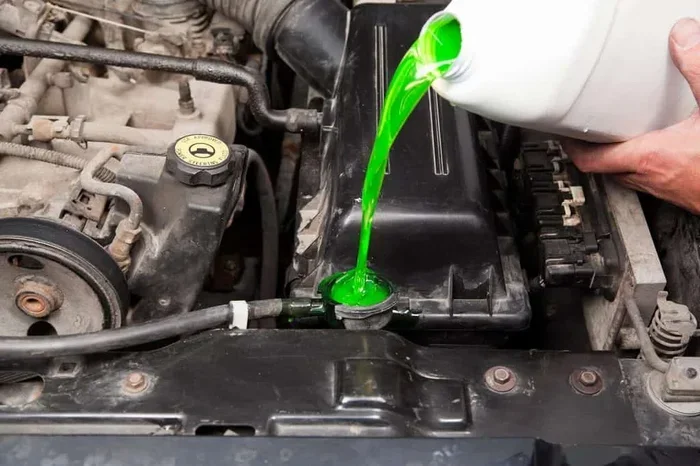
Step 5: Add the coolant mixture. Use a funnel to pour the coolant into the reservoir. Fill it up to the maximum line, but do not overfill.
Step 6: Replace the cap and start the engine. Let the engine run for a few minutes. Watch the temperature gauge to make sure everything is normal. Check for leaks around the reservoir and hoses.
If you are unsure about mixing old and new fluid, check out this guide on adding new coolant to old coolant for more details.
Common Mistakes When Adding Coolant
Mixing the Wrong Coolant Types
One of the biggest mistakes car owners make is mixing different types of coolant. There are several types on the market, including traditional green coolant, OAT (Organic Acid Technology), HOAT (Hybrid Organic Acid Technology), and Si-OAT (Silicate Organic Acid Technology). Each type uses different chemical compounds, and mixing them can cause a sludgy buildup that clogs your cooling system.
Always check your owner’s manual to find the right type. If you are not sure what is currently in your system, a mechanic can test it for you. When in doubt, a full coolant flush and refill is the safest option.
Overfilling the Reservoir
It might seem like a good idea to fill the reservoir all the way to the top, but that is a mistake. Coolant expands when it heats up. If the reservoir is completely full, the expanding fluid has nowhere to go. It can leak out through the overflow hose or even damage the reservoir cap.
Keep the level between the minimum and maximum lines. This gives the fluid room to expand safely when the engine reaches operating temperature.
Ignoring Leaks
If you keep running low on coolant and have to add it frequently, something is wrong. A leaking hose, a cracked radiator, or a failing water pump can all cause coolant loss. Simply topping off the reservoir without fixing the leak is a temporary fix at best.
Look for puddles under your car, white residue around hoses, or a sweet smell inside the cabin. These are all signs of a potential leak that needs professional attention.
Using the Wrong Fluid
Some people try to use plain water instead of coolant in an emergency. While water can carry heat away temporarily, it does not offer the same protection as proper coolant. Water freezes in cold weather and boils at a lower temperature than coolant. It also lacks the corrosion inhibitors that protect your engine’s internal components.
In a pinch, you can add distilled water to get to a service station. But do not make it a habit. Always use the proper coolant mixture for long-term protection.
When to See a Professional
Recurring Coolant Loss
If you find yourself needing to add coolant more than once a month, it is time to see a mechanic. Frequent top-offs usually mean there is a leak somewhere in the system. A professional can pressure-test the cooling system and find the source of the leak before it causes major damage.
Ignoring a small leak can lead to a blown head gasket, a cracked engine block, or a failed radiator. These repairs are expensive and entirely preventable with early detection.
Coolant Looks Dirty or Discolored
Healthy coolant should be bright green, orange, or pink depending on the type. If it looks rusty, muddy, or has particles floating in it, your cooling system needs attention. Dirty coolant loses its ability to transfer heat effectively and can cause corrosion inside the system.
A professional coolant flush will remove the old fluid and any debris from the system. The mechanic will then refill the system with fresh coolant that matches your vehicle’s specifications.
Overheating Despite Having Enough Coolant
Sometimes the problem is not the coolant level. If your engine overheats even though the reservoir is full, the issue could be a faulty thermostat, a broken water pump, or a clogged radiator. These are serious problems that require professional diagnosis.
Do not keep driving an overheating car. Pull over, turn off the engine, and call for help. Continuing to drive can cause catastrophic engine damage that costs thousands of dollars to repair.
Just as you would not ignore a fuel gauge on empty, you should not ignore cooling system warnings. If you are curious about how far your car can go on fumes, you might enjoy reading about how far past empty a car can go. It is a similar mindset of understanding your vehicle’s limits before things go wrong.
Quick Tips for Coolant Maintenance
Here are some simple tips to keep your cooling system in great shape:
- Check coolant levels monthly: Make it a habit to glance at the reservoir once a month. It only takes a few seconds.
- Perform a coolant flush every 30,000 miles: Check your owner’s manual for the exact interval for your vehicle.
- Use distilled water only: Tap water minerals can build up and clog the system over time.
- Keep a backup bottle in your trunk: In an emergency, having a quart of the right coolant can save you from a roadside breakdown.
- Never mix different coolant colors: Different colors usually mean different chemical formulations. Stick to one type.
- Inspect hoses and connections regularly: Look for cracks, swelling, or wet spots around the hoses and clamps.
Taking care of your cooling system is one of the easiest ways to extend the life of your engine. A few simple habits can prevent expensive repairs and keep you safe on the road.
Final Thoughts
So, how long should you wait to add coolant? The answer is clear. Give your engine at least 30 minutes to cool down before opening any part of the cooling system. This simple wait time protects you from burns, prevents damage to engine components, and ensures you get an accurate fluid level reading.
Regular maintenance goes a long way. Check your coolant levels often, use the right type of fluid, and never ignore warning signs like overheating or leaks. Your car’s cooling system works hard for you every day. A little attention and care will keep it running strong for years to come.
Remember, when it comes to car maintenance, patience is a virtue. Take the extra few minutes to let things cool down, follow the steps in this guide, and you will keep your engine safe and your trips worry-free.
Frequently Asked Questions
Can I add coolant while the engine is still warm?
No, you should always wait at least 30 minutes for the engine to cool down. Opening the cooling system while it is hot can cause boiling fluid to spray out and lead to serious burns. The risk is not worth the time you might save.
What happens if I overfill the coolant reservoir?
Overfilling can cause coolant to leak out through the overflow hose when the fluid expands from heat. It can also put extra pressure on the system, potentially damaging the reservoir cap or hoses. Always keep the level between the minimum and maximum marks.
Can I use water instead of coolant in an emergency?
Yes, in a true emergency, you can add distilled water temporarily. However, water does not protect against freezing, boiling, or corrosion. Get to a service station as soon as possible and replace the water with proper coolant.
How often should I flush my coolant system?
Most manufacturers recommend a full coolant flush every 30,000 miles or every two to five years, whichever comes first. Check your owner’s manual for the specific interval for your vehicle model.
Why is my car losing coolant but there is no visible leak?
An invisible leak could be caused by a cracked head gasket, a small crack in the radiator, or a failing intake manifold gasket. These issues allow coolant to seep into combustion chambers or evaporate. A mechanic can perform a pressure test to find hidden leaks.
Is it safe to drive with low coolant?
Driving with low coolant is risky. The engine may overheat, which can cause warped head gaskets, cracked engine blocks, or other serious damage. If your coolant level is low, add the proper fluid as soon as possible and avoid long drives until the issue is resolved.
=== CONCLUSION ===
How long should you wait to add coolant to your car? The answer is at least 30 minutes after turning off the engine. This simple rule protects you from injury and keeps your engine running at the right temperature. By following the steps in this guide, checking for warning signs, and avoiding common mistakes, you can take confidence in handling your car’s cooling system.
Regular maintenance, the right fluid choices, and a little patience go a long way. Your engine works hard for you, and a well-maintained cooling system is the best way to return the favor. Stay safe, stay cool, and keep your car running strong.