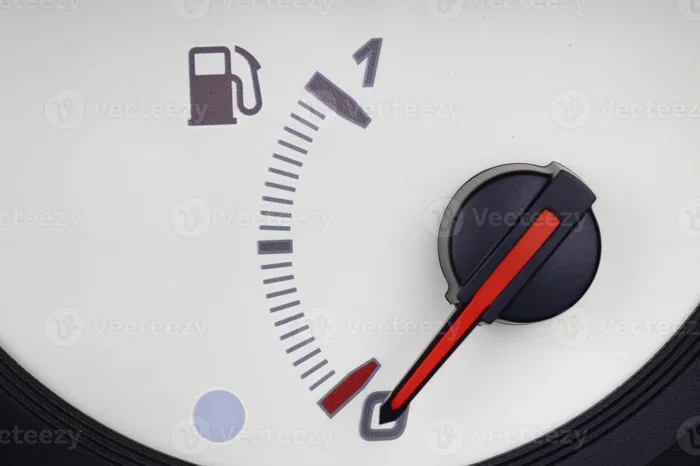
How Far Past Empty Can a Car Go Before It Breaks Down
Most cars can travel between 30 and 50 miles past the empty light, but this varies by vehicle, driving habits, and road conditions. Running on empty risks damaging your fuel pump and leaving you stranded. Understanding your car’s reserve tank and reading the fuel gauge correctly can save you time, money, and a lot of stress.
You are driving down the highway, and suddenly that little yellow light on your dashboard blares to life. The fuel warning light. Every driver knows that sinking feeling. Your mind races through a single question: how far past empty can a car go before it shuts off for good?
The answer is not as simple as you might hope. Some cars limp along for 40 miles or more. Others barely make it a mile. The truth depends on your vehicle type, driving style, road conditions, and a handful of other factors. This guide breaks it all down so you never have to guess when your tank hits zero.
Understanding your car’s fuel system is more than just a fun fact. It can save you from a costly repair, a dangerous roadside situation, or an unexpected trip cancellation. Let us walk through everything you need to know about driving past empty.
Key Takeaways
- Every car has a reserve range: Most vehicles can go 30 to 50 miles after the fuel light comes on, but this is not a fixed number.
- Running on empty harms your fuel pump: Sediment settles at the bottom of the tank and can clog your fuel filter and injectors over time.
- Your trip computer gives better estimates: The miles-to-empty display is more accurate than the fuel gauge needle alone.
- Driving habits matter a lot: Aggressive acceleration, highway speeds, and hilly terrain burn fuel faster and shrink your reserve range.
- Temperature and load affect range: Cold weather and heavy cargo reduce fuel efficiency, meaning you have fewer miles past empty than you think.
- Prevention is simple: Keep your tank at least a quarter full and refuel early to protect your engine and avoid breakdowns.
📑 Table of Contents
How Far Past Empty Can a Car Go on Different Vehicles
The honest answer is that every car behaves differently. Manufacturers build reserve tanks for safety, but they do not all offer the same cushion. Here is a closer look at what to expect across common vehicle types.
Sedans and Compact Cars
Most sedans and compact cars have a reserve range of about 30 to 45 miles after the fuel light comes on. Models like the Toyota Corolla, Honda Civic, and Hyundai Elantra tend to fall in this range. These vehicles are light and fuel-efficient, so they stretch every last drop. However, that does not mean you should test the limit regularly.
The fuel tank in a sedan is usually smaller than in a truck or SUV. That means the reserve is smaller too. When the gauge hits empty, you are working with a limited window. Smart drivers use this window to find the nearest gas station, not to push their luck.
SUVs and Trucks
Larger vehicles like SUVs and pickup trucks often have bigger fuel tanks. A Ford F-150 or Chevrolet Tahoe might give you 40 to 60 miles past empty. The bigger tank means more fuel in the reserve, but these vehicles also burn more gas. So the net result is a wider range, but not necessarily more time before you run dry.
Trucks and SUVs also tend to be heavier. That extra weight means the engine works harder, which affects fuel economy. If you are hauling a trailer or towing a boat, your reserve range shrinks even more. Keep that in mind whenever you are running low.
Hybrid and Electric Vehicles
Hybrid cars behave differently from traditional gas-powered vehicles. A Toyota Prius, for example, can sometimes go several more miles on electric power alone after the gas tank hits empty. This gives hybrid drivers a small but valuable buffer.
Fully electric vehicles do not have a gas tank at all, so the question of “how far past empty” does not apply the same way. Instead, EV drivers watch their battery percentage and range estimate. The principle remains the same though. Always refuel or recharge well before you hit zero.
What Happens When You Run Out of Gas
Running out of gas is more than just an inconvenience. It can cause real damage to your vehicle. Here is what happens inside your car when the fuel tank goes dry.
Fuel Pump Damage
Your fuel pump sits inside the tank. It relies on gasoline or diesel to stay cool while it operates. When the fuel level drops very low, the pump starts to overheat. Running on empty repeatedly can wear out the pump faster than normal.
A failed fuel pump is an expensive repair. In many cars, it costs between 400 and 800 dollars to replace. The pump is deep inside the tank, so labor adds to the cost. One simple habit, like keeping your tank above a quarter full, can prevent this problem entirely.
Fuel Filter and Injector Clogs
Dirt and sediment settle at the bottom of every fuel tank. When you drive on fumes, the fuel pump pulls that sediment through the system. Over time, this gunk clogs your fuel filter and fuel injectors.
Clogged injectors cause rough idling, poor acceleration, and reduced fuel economy. A clogged filter restricts flow and starves the engine. Both problems lead to expensive repairs that are completely avoidable.
Engine Stalling and Breakdowns
The most immediate consequence of running out of gas is a stalled engine. When the last bit of fuel burns through the system, the engine sputters and dies. This can happen on a busy highway, a dark road, or a dangerous stretch with no shoulder.
A roadside breakdown is stressful and potentially unsafe. You may need to call a tow truck, wait for roadside assistance, or walk to find help. None of these situations are fun, and all of them are preventable with a simple trip to the gas station.
How to Know Your Remaining Miles
Modern cars come equipped with tools that tell you exactly how far you can go on the fuel you have left. Learning to use these tools is one of the best skills a driver can develop.
The Fuel Gauge Needle
The traditional fuel gauge needle is the most basic indicator. It shows whether your tank is full, half, or near empty. But the needle is not always precise. It can stick, lag, or give false readings, especially in older vehicles.
Never rely on the needle alone. Use it as a general guide, but trust the digital tools your car offers for a more accurate picture. The needle tells you something is wrong. The computer tells you exactly how serious it is.
The Trip Computer and Miles-to-Empty Display
Most cars built after 2010 have a trip computer that displays miles to empty. This number is based on your recent driving patterns. It calculates how many miles you can travel with the fuel remaining in the tank.
The miles-to-empty display is far more accurate than the fuel gauge needle. It updates in real time based on how much fuel you are using. If you accelerate hard, the number drops faster. If you cruise steadily, it stays higher. Use this display to plan your next fuel stop confidently.
Factors That Affect Your Remaining Range
Several factors influence how many miles you actually have left after the empty light comes on:
- Driving speed: Highway driving at high speeds burns fuel faster than city driving at lower speeds.
- Terrain: Hilly or mountainous roads use more gas than flat, straight roads.
- Weather: Cold temperatures reduce fuel efficiency. Your car burns more gas to warm up the engine.
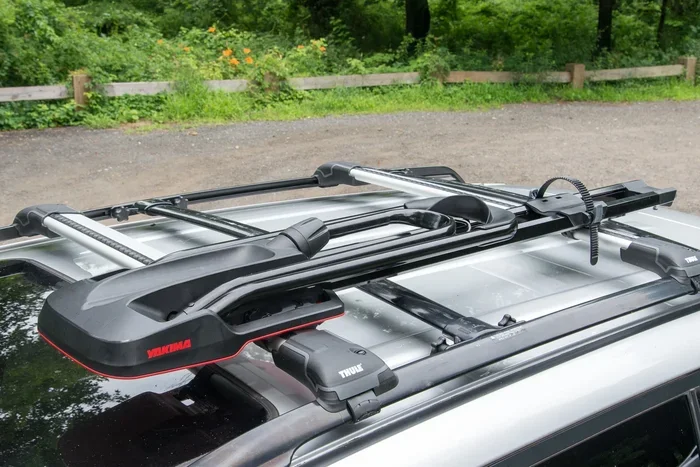
- Load weight: A heavy trunk or roof rack makes the engine work harder and use more fuel.
- Tire pressure: Underinflated tires create more rolling resistance, which reduces your range.
- AC usage: Running the air conditioning puts extra load on the engine and burns more gas.
All of these factors mean your actual reserve range may differ from what the trip computer shows. Always add a buffer and refuel sooner than you think you need to.
Tips to Avoid Running Out of Fuel
Preventing a fuel emergency is much easier than dealing with one. These simple habits will keep you on the road and out of trouble.
Keep Your Tank Above a Quarter Full
The golden rule of fuel management is to never let your tank drop below one-quarter full. At a quarter tank, you have a comfortable reserve. You can handle detours, traffic delays, and unexpected closures without stress.
Driving on a quarter tank also protects your fuel pump. The pump stays submerged in fuel, which keeps it cool and lubricated. This small habit can extend the life of your fuel system by thousands of miles.
Plan Your Fuel Stops
When you are on a long road trip, plan your fuel stops ahead of time. Know where gas stations are along your route. Do not wait until you are low to start looking for fuel.
Use apps like GasBuddy or Google Maps to find the cheapest and closest fuel stations. This is especially helpful in rural areas where gas stations can be far apart. A little planning goes a long way toward avoiding an empty tank.
Monitor Your Fuel Economy
Keep an eye on your fuel economy over time. If you notice your miles per gallon dropping, something may be wrong. A clogged fuel filter, dirty injectors, or a failing oxygen sensor can all reduce your fuel efficiency.
Tracking your fuel economy also helps you estimate your range more accurately. If you know your car gets 25 miles per gallon and you have 2 gallons left, you can estimate about 50 miles of range. This kind of mental math takes seconds and can save you from an unexpected breakdown.
Avoid Aggressive Driving
Hard acceleration and speeding burn fuel much faster than smooth, steady driving. If you are running low, ease off the gas pedal and maintain a constant speed. This simple change can add several extra miles to your reserve range.
Aggressive driving also wears out your brakes, tires, and engine faster. So slowing down benefits your wallet in more ways than one. Smooth driving is safe driving and fuel-efficient driving all at the same time.
Common Mistakes Drivers Make When the Fuel Light Comes On
When that fuel warning light appears, many drivers make avoidable mistakes. Here are the most common ones and how to fix them.
Ignoring the Warning Light
The biggest mistake is simply ignoring the light and pressing the gas pedal harder. Some drivers think they can make it to their destination, and sometimes they do. But every time you ignore the warning, you risk stalling out in a dangerous spot.
The fuel light is not a suggestion. It is a clear warning that your tank is nearly empty. Treat it as a signal to find fuel immediately. Even if you are only 10 minutes from home, pull over and refuel.
Relying on the Reserve Tank Too Often
Some drivers get comfortable running on the reserve tank. They reset their habits and start treating the empty light as the new “full.” This is a dangerous pattern. It wears out the fuel pump, clogs the injectors, and increases the risk of a breakdown.
Your car’s reserve tank is an emergency backup, not a regular fuel source. Use it only in true emergencies. Make refueling a priority every single time the gauge drops below half.
Not Knowing Your Vehicle’s Specific Range
Every car is different. Your friend’s sedan might go 40 miles past empty, but your SUV might only go 25. Do not assume your car behaves the same way as someone else’s. Check your owner’s manual or look up your specific model online to learn its reserve range.
Knowing your car’s exact reserve range gives you confidence and helps you make better decisions on the road. It is one of those small details that makes a big difference when you are running low.
When to Call for Roadside Assistance
If you do run out of gas and cannot reach a station, do not panic. Here is what to do and when to call for help.
Assess Your Situation
First, evaluate your surroundings. Are you on a busy highway with no shoulder? Are you in a remote area? Is it dark or raining? Your safety comes first in every situation.
If you are in a safe spot and can walk to a gas station, that might be your best option. Carry a small gas can in your trunk for emergencies. A one-gallon can gives you enough fuel to reach the nearest station in most cases.
Call for Help When Needed
If you cannot safely reach a gas station, call roadside assistance. Your insurance policy may include this service. Many car manufacturers also offer free roadside assistance for the first few years of ownership.
Do not try to walk for help on a highway. Standing on the shoulder or walking along a busy road is extremely dangerous. Stay with your vehicle if it is in a safe location and wait for assistance.
Prevent Future Fuel Emergencies
After you resolve a fuel emergency, take steps to prevent it from happening again. Set a reminder on your phone to refuel when your tank hits a quarter full. Keep a gas can in your trunk for long trips. Make fuel management a regular part of your driving routine.
These small actions add up over time. They protect your vehicle, save you money, and keep you safe on every journey. Prevention is always better than cure, especially when it comes to your fuel supply.
Key Takeaways
How far past empty can a car go depends on your vehicle, driving habits, and conditions. Most cars offer a reserve range of 30 to 50 miles, but this is not a guarantee. Treat the empty light as a warning to refuel immediately and protect your engine from damage.
Keep your tank above a quarter full, use your trip computer for accurate range estimates, and avoid aggressive driving when fuel is low. These simple habits will keep your fuel pump healthy, your engine running smoothly, and you safely on the road.
Remember, the reserve tank is an emergency backup, not a regular fuel source. Respect your vehicle’s limits and plan your fuel stops ahead of time. A few minutes at the gas station can save you hours of trouble and hundreds of dollars in repairs.
Driving on empty is a gamble you do not need to take. Stay informed, stay prepared, and never let your tank hit zero if you can help it. Your car and your peace of mind will thank you.
Frequently Asked Questions
Can I drive 50 miles after the fuel light comes on?
Some vehicles can, but it depends on your make and model. Most cars have a reserve range between 30 and 50 miles. Check your owner’s manual or look up your specific vehicle to get an accurate number. Do not rely on the maximum estimate every time, as driving conditions can reduce your actual range.
Is it bad to drive with the fuel light on?
Occasionally is fine, but doing it regularly can damage your fuel pump and clog your fuel filter. Sediment at the bottom of the tank gets pulled through the system when fuel is very low. This causes wear and reduces engine performance over time.
How many gallons are left when the fuel light comes on?
Most cars have about 2 to 3 gallons of fuel remaining when the warning light activates. The exact amount varies by vehicle. You can find this information in your owner’s manual or by searching online for your specific model.
Does cold weather reduce how far I can go on empty?
Yes, cold weather reduces fuel efficiency. Your engine takes longer to warm up, and the fuel system operates less efficiently in low temperatures. This means your reserve range after the empty light shrinks in winter compared to summer driving.
What should I do if I run out of gas on the highway?
Pull over safely to the right shoulder and turn on your hazard lights. Stay inside your vehicle if it is in a safe spot. Call roadside assistance or a tow truck. Do not attempt to walk along the highway to find fuel. It is extremely dangerous and should always be avoided.
How can I improve my fuel economy and stretch my range?
Drive at steady speeds, avoid hard acceleration, keep your tires properly inflated, and reduce unnecessary weight in your vehicle. Using cruise control on highways also helps maintain consistent fuel usage. These habits improve your miles per gallon and give you more range overall.



2 Comments