How Fast Is a Hellcat and What Makes It So Insanely Quick
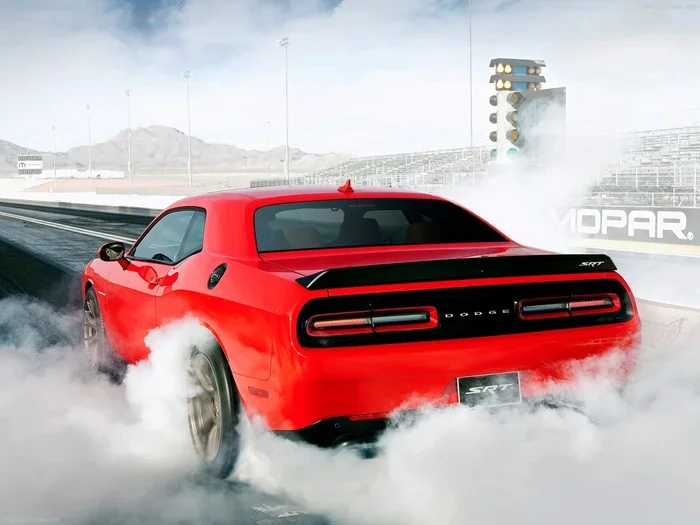
The Dodge Challenger Hellcat is one of the fastest production muscle cars ever built, hitting 196 mph top speed and running the quarter mile in about 11 seconds. Its supercharged HEMI V8 engine produces 717 horsepower and 650 lb-ft of torque, making the 0-60 mph sprint a thrilling 3.5 seconds. This guide breaks down every speed metric, the engineering behind the power, and why the Hellcat remains an icon among performance cars.
When you ask “How Fast Is a Hellcat,” you are really asking about one of the most impressive machines ever made by Dodge. The Hellcat is not just another car. It is a statement. It says that big, bold, American muscle cars still have a place on the road and on the drag strip. The numbers behind this vehicle are enough to make any car enthusiast sit up and take notice.
The Dodge Challenger SRT Hellcat arrived on the scene and changed the game completely. It brought back the idea that a heavy car with a massive engine could still be one of the fastest things on the road. The supercharged HEMI engine under the hood is the heart of this machine. It produces numbers that seem almost too good to be true. If you have ever wondered what makes the Hellcat so special, you are in the right place. This guide covers everything from horsepower to quarter mile time and all the details in between.
We will look at the real numbers that matter. We will explore the engine power that makes it all possible. We will also compare the Hellcat to other muscle cars and talk about what it feels like to drive one. By the end, you will understand why so many people dream of owning this supercharged beast.
Key Takeaways
- Blazing Speed: The Hellcat hits 196 mph top speed and runs the quarter mile in roughly 11 seconds, making it one of the fastest muscle cars available.
- Massive Engine Power: The 6.2-liter supercharged HEMI V8 produces 717 horsepower and 650 lb-ft of torque, delivering effortless acceleration.
- Impressive 0-60 mph: The Hellcat reaches 60 mph in just 3.5 seconds, rivaling many more expensive sports cars.
- Real-World Performance: Beyond numbers, the Hellcat offers a comfortable, daily-drivable experience that balances raw power with practicality.
- Strong Value: At around $60,000 to $70,000, the Hellcat offers incredible performance per dollar compared to exotic competitors.
- Engineering Excellence: The roots-type supercharger, HEMI combustion design, and performance-tuned drivetrain work together seamlessly for maximum speed.
📑 Table of Contents
- How Fast Is a Hellcat? The Numbers That Matter
- What Makes the Hellcat So Insanely Quick?
- Hellcat vs. Other Muscle Cars: The Speed Comparison
- The Engine That Powers the Hellcat
- Real-World Driving and the Hellcat Experience
- Is the Hellcat Worth All the Hype?
- Conclusion: The Hellcat’s Place in Automotive History
How Fast Is a Hellcat? The Numbers That Matter
The most common question people ask is “How Fast Is a Hellcat” and the answer is more impressive than you might think. The numbers alone tell a compelling story about what this car can do. Dodge built the Hellcat to be a benchmark for muscle car speed, and it delivers on that promise every single time.
Top Speed and Quarter Mile Times
The Dodge Challenger Hellcat has a top speed of 196 miles per hour. That number alone turns heads. But the real magic happens at the drag strip. The stock Hellcat can run the quarter mile in about 11 seconds. That is incredibly fast for a car that weighs over 4,400 pounds. Most people expect a car this heavy to be slow, but the Hellcat proves them wrong every time.
Here are the key speed stats for the Hellcat:
- Top Speed: 196 mph
- Quarter Mile Time: Around 11 seconds
- 0-60 mph: Approximately 3.5 seconds
- Horsepower: 717 hp (stock)
- Torque: 650 lb-ft
These numbers put the Hellcat in a league of its own. Very few cars at this price point can match these performance stats. Even some more expensive sports cars struggle to keep up with the Hellcat’s acceleration and top-end speed.
0-60 mph Acceleration
The 0-60 mph time is where the Hellcat really shines. In about 3.5 seconds, this car goes from a standstill to 60 miles per hour. That is faster than many mid-engine exotic cars that cost twice as much. The acceleration is smooth but violent. You feel pressed back into your seat the moment you launch off the line.
What makes this even more impressive is the weight of the car. The Dodge Challenger is a large muscle car with a big engine. Most lightweight cars are faster in a straight line. But the Hellcat uses raw engine power to overcome its size and weight. It is a perfect example of how brute force can beat finesse in a straight line.
Quick Tip: If you want the fastest 0-60 mph time, use the launch control feature. It optimizes tire traction and gives you the best possible start every time. Just remember to warm up the tires first for the best results on the drag strip.
What Makes the Hellcat So Insanely Quick?
Now that you know the numbers, you probably want to know what makes this car so fast. The answer lies in a combination of engineering choices that work together perfectly. Every component of the Hellcat is designed with one goal in mind: maximum performance.
The Supercharged HEMI V8 Engine
The heart of the Hellcat is a 6.2-liter supercharged HEMI V8 engine. This is not a small engine. It is a massive, heavily modified powerplant that has been tuned to deliver insane engine power. The supercharger sits on top of the engine and forces extra air into the combustion chambers. More air means more fuel can be burned. More fuel burned means more power.
The result is 717 horsepower and 650 lb-ft of torque. These numbers are jaw-dropping for a production car. The supercharged V8 is why the Hellcat can produce so much power so reliably. It is not just about big numbers on paper. The engine is built to last and perform under real driving conditions.
Here is what makes this engine special:
- Supercharged design: The roots-type supercharger provides instant power without any lag
- HEMI combustion chambers: These allow for efficient burning and more power output
- Forged internals: The engine internals are built to handle extreme stress and heat
- Large displacement: 6.2 liters of displacement gives the engine plenty of breathing room
- High-octane fuel support: The engine is tuned to run on premium fuel for maximum performance
The supercharged HEMI design has been proven over decades. Dodge took this trusted architecture and pushed it to its absolute limits. The result is an engine that delivers muscle car speed and acceleration that feels almost unfair.
Transmission and Drivetrain
All that power needs to get to the wheels somehow. The Hellcat uses an eight-speed automatic transmission that shifts quickly and smoothly. It is one of the fastest automatic transmissions in its class. The shifts are almost instant, which helps maintain acceleration through the quarter mile.
The car also features a performance-tuned drivetrain that handles the massive torque output with ease. The Hellcat comes with an all-wheel-drive option, but most drivers choose the rear-wheel-drive version. RWD gives you that classic muscle car feel with the tires breaking loose under hard acceleration. It is more engaging and fun for most driving enthusiasts who want the full Hellcat experience.
Aerodynamics and Tires
You cannot talk about speed without mentioning aerodynamics and tires. The Hellcat comes with wide, sticky tires that grip the road like glue. These tires are essential for putting all that horsepower to the ground without spinning out. Good tires are the unsung hero of any fast car.
The body design also helps. The front end is shaped to push air down and create downforce at high speeds. This keeps the car stable and planted on the road, especially at top speed. Even small aerodynamic details matter when you are pushing past 150 mph.
Common Mistake: Many people underestimate the importance of tires. Even the most powerful engine cannot deliver its full potential without good tires. If you are buying a Hellcat, investing in high-performance tires is one of the best upgrades you can make. The stock tires are already excellent, but aftermarket options can shave tenths off your quarter mile time.
Hellcat vs. Other Muscle Cars: The Speed Comparison
The Hellcat does not exist in a vacuum. It competes with other powerful muscle cars and sports cars. Let us look at how it stacks up against the competition. Understanding the comparison helps you see where the Hellcat truly excels.
Hellcat vs. Chevy Camaro ZL1
The Chevy Camaro ZL1 is one of the Hellcat’s biggest rivals. It also has a supercharged V8 engine, but it produces less power. The ZL1 makes about 650 horsepower compared to the Hellcat’s 717. That 67-horsepower difference might not sound like much, but it adds up on the track and on the drag strip.
The Hellcat also has more torque than the ZL1. This gives it an advantage in straight-line acceleration and quarter mile races. However, the Camaro is lighter and more nimble. On a twisty road course, the Camaro might have the edge because it changes direction more quickly. The Hellcat is the better choice if you want raw straight-line muscle car speed.
Hellcat vs. Ford Mustang GT500
The Ford Mustang GT500 is another tough competitor. It has a twin-turbo V8 engine that produces over 760 horsepower. That is more than the Hellcat. But the Hellcat has a few advantages of its own.
The Hellcat is often more affordable than the GT500. It also has a more comfortable ride for daily driving. The interior is roomier and more practical. For many buyers, these factors make the Hellcat the better choice even if the GT500 has slightly more engine power. The Hellcat offers a better balance of performance, comfort, and value.
| Model | Horsepower | Torque | 0-60 mph | Quarter Mile |
|---|---|---|---|---|
| Dodge Challenger Hellcat | 717 hp | 650 lb-ft | 3.5 sec | ~11.0 sec |
| Chevy Camaro ZL1 | 650 hp | 650 lb-ft | 3.5 sec | ~11.4 sec |
| Ford Mustang GT500 | 760 hp | 625 lb-ft | 3.3 sec | ~10.6 sec |
As you can see, the Hellcat holds its own against the competition. It may not always be the fastest on paper, but it offers a great balance of performance, comfort, and value. The Hellcat is the sweet spot for buyers who want maximum muscle car speed without breaking the bank.
The Engine That Powers the Hellcat
The supercharged HEMI engine deserves its own section because it is truly remarkable. This engine is the reason the Hellcat can achieve such incredible performance numbers. Understanding the engine helps you appreciate just how impressive this car really is.
How the Supercharger Works
A supercharger is a device that forces more air into the engine’s combustion chambers. More air means the engine can burn more fuel. More fuel burned means more power. The Hellcat uses a roots-type supercharger that sits on top of the engine and is driven by the crankshaft. This type of supercharger provides instant boost. There is no lag or delay. The moment you press the accelerator, the supercharger starts forcing air into the engine.
This is why the Hellcat has such strong acceleration from a standstill. You do not have to wait for a turbo to spool up. The power is always there, waiting for you. This instant delivery of engine power is what makes the Hellcat feel so violent and exciting.
Engine Specifications
Here are the key specifications of the Hellcat’s engine:
- Engine Type: 6.2-liter supercharged HEMI V8
- Horsepower: 717 hp @ 6,000 rpm
- Torque: 650 lb-ft @ 4,000 rpm
- Displacement: 392 cubic inches (6.2 liters)
- Compression Ratio: 10.2:1
- Fuel Type: Premium unleaded (91 octane recommended)
These numbers are impressive by any standard. But what really matters is how they translate to real-world performance. The Hellcat delivers its peak torque at a low 4,000 rpm. This means you get strong pulling power right where you need it most. You do not have to rev the engine to the moon to get the power you want.
Expert Insight: The HEMI design has been around for decades. The Hellcat takes this proven architecture and pushes it to its limits with forced induction. It is a perfect example of how classic engineering combined with modern technology can produce extraordinary results. The supercharged HEMI is why the Hellcat has earned its legendary status in the muscle car world.
Real-World Driving and the Hellcat Experience
The numbers are one thing. But what is it actually like to drive a Hellcat on a daily basis? This is a question that many potential buyers ask before making their decision. The real-world experience is just as important as the performance specs.
On the Street
Driving a Hellcat on the street is an experience like no other. The acceleration is effortless. You can cruise at highway speeds with the engine barely working. Then, when you need to pass or merge, you simply press the pedal and the car surges forward with authority. It is like having a rocket in your driveway.
The ride is surprisingly comfortable for a car with this much engine power. The suspension is tuned to handle both daily commuting and spirited driving. The seats are supportive and the interior is well-designed. This is not a car you have to sacrifice comfort for speed. The Hellcat is a supercharged grand tourer that can do it all.
However, there are some things to keep in mind. The Hellcat is big and heavy. Maneuvering it in tight parking lots can be challenging. Fuel economy is also not great. You should expect around 13-18 mpg depending on driving conditions. But most Hellcat owners agree that the fuel cost is a small price to pay for the thrill of driving this muscle car.
On the Track
If you take a Hellcat to the drag strip, you will quickly understand why it is so popular among performance enthusiasts. The car launches hard and holds its speed through the quarter mile. The supercharged engine pulls strongly through the entire run. The sound alone is worth the price of admission.
Many owners also take their Hellcats to road courses. The car handles well for a large muscle car. The steering is responsive and the brakes are strong. You can push the car hard without feeling like you are at the limit of its capabilities. The Hellcat is a versatile performance car that can shine on different types of tracks.
Quick Tip: If you plan to take your Hellcat to the track, consider upgrading the brake pads and suspension. The stock components are good, but track driving puts extra stress on these parts. A few simple upgrades can make a big difference in performance and safety. Braided brake lines and high-temperature brake pads are great starting points.
Is the Hellcat Worth All the Hype?
After looking at all the numbers and features, you might be wondering if the Hellcat is worth the money. The answer depends on what you value in a car. For the right buyer, the Hellcat is an unbeatable package.
If you want raw performance and muscle car speed at a reasonable price, the Hellcat is hard to beat. For around $60,000 to $70,000, you get a car with over 700 horsepower. That is incredible value compared to exotic sports cars that cost twice as much. The Hellcat gives you supercar-level acceleration at a muscle car price.
The Hellcat also has strong resale value. These cars hold their price well because demand continues to exceed supply. The Hellcat has become a cultural icon in the muscle car world. Owning one is about more than just speed. It is about being part of a legacy that includes some of the most iconic cars in American automotive history.
On the other hand, if you prioritize fuel economy or daily practicality, the Hellcat might not be the best choice. It is a car that demands attention and uses fuel generously. But for those who love the thrill of the drive, these trade-offs are more than worth it. The Hellcat experience is something you simply cannot get from a normal sedan or SUV.
The bottom line is that the Hellcat delivers an experience that very few cars can match. It is fast, powerful, and fun. It is the kind of car that makes you smile every time you turn the key and hear that supercharged V8 come to life.
Conclusion: The Hellcat’s Place in Automotive History
The Dodge Challenger Hellcat has earned its place among the greatest muscle cars ever built. It combines massive engine power with everyday usability in a way that few cars can match. When you ask “How Fast Is a Hellcat,” the answer is clear: it is one of the quickest and most powerful production cars available today.
From the supercharged HEMI engine to the quarter mile times and the 0-60 mph acceleration, every aspect of this car is designed to impress. It is a supercharged beast that continues to turn heads and break records. Whether you are a performance car enthusiast or just someone who appreciates great engineering, the Hellcat deserves your attention and respect.
So the next time someone asks you “How Fast Is a Hellcat,” you will have all the answers. This car is not just fast. It is insanely, breathtakingly fast. And it is a car that will be remembered as a true American icon for years to come. The Hellcat proves that the golden age of muscle car speed is alive and well.
Frequently Asked Questions
How fast is a Hellcat in the quarter mile?
The stock Hellcat runs the quarter mile in approximately 11 seconds. With optimal conditions and launch control, some drivers have achieved times close to 10.5 seconds. The supercharged engine provides consistent power throughout the run, making the Hellcat a reliable drag strip performer.
What is the top speed of a Hellcat?
The Dodge Challenger Hellcat has an electronically limited top speed of 196 miles per hour. This is impressive for a car that weighs over 4,400 pounds. The combination of the supercharged HEMI engine and aerodynamic design allows the Hellcat to reach and maintain this top speed with confidence.
How does the Hellcat compare to supercars?
The Hellcat can match or beat many supercars in straight-line speed. Its 0-60 mph time of 3.5 seconds rivals cars that cost significantly more. However, supercars typically handle better on twisty tracks due to their lighter weight and advanced aerodynamics. The Hellcat offers a different kind of value with its muscle car speed and everyday comfort.
Can you daily drive a Hellcat?
Yes, the Hellcat is designed to be a daily-driver-friendly performance car. The ride is comfortable, the interior is well-equipped, and the car is reliable enough for regular use. The main trade-offs are lower fuel economy and the attention the car attracts everywhere you go.
What makes the Hellcat’s supercharged engine so special?
The Hellcat’s 6.2-liter supercharged HEMI V8 produces 717 horsepower and 650 lb-ft of torque. The roots-type supercharger delivers instant power with no lag. Combined with forged internals and efficient HEMI combustion chambers, this engine is built to deliver incredible performance reliably for years.
Is the Hellcat the fastest Dodge Challenger?
The Hellcat is one of the fastest Dodge Challengers, but the Hellcat Redeye and Demon variants are even quicker. The Redeye produces 797 horsepower, and the Demon was engineered for the drag strip with 840 horsepower. However, the standard Hellcat remains the most popular and accessible option for most buyers seeking muscle car speed.