How Do You Unlock the Steering Wheel When the Car Wont Start
Unlocking a steering wheel when your car won’t start is easier than you think. This guide walks you through proven methods to release the steering wheel lock and get your vehicle running again. Whether it’s a simple key turn or a steering column reset, we cover every solution you need. Save time, money, and frustration with these practical steps.
There’s nothing more frustrating than sitting in your car, turning the key, and realizing the steering wheel won’t move. Your engine might not crank, and the wheel feels completely stuck. This happens to millions of drivers every year. The good news? It’s usually a simple fix that takes just a few minutes.
When your car won’t start and the steering wheel is locked, it’s often the steering lock mechanism doing its job. This built-in security feature prevents thieves from driving your vehicle without the correct key. But when it locks up at the worst possible moment, it feels like a nightmare. This article will show you exactly how to unlock the steering wheel and get back on the road.
We’ll cover every method, from the simplest fix to more advanced solutions. You’ll learn why this happens, what to do step by step, and how to prevent it in the future. No matter your car model or experience level, this guide has you covered. Let’s dive right in.
Key Takeaways
- Steering wheel lock is a normal security feature: It activates when you turn the wheel with the key removed.
- Gentle jiggling and key turning solves most cases: You can often fix this yourself in under two minutes.
- Dead key fob battery causes electronic lock issues: Replacing the battery may unlock your steering column instantly.
- Never force the key or wheel: This can damage the ignition switch and steering lock mechanism.
- Call a locksmith if basic fixes fail: Professional help prevents costly repairs to your ignition lock cylinder.
- Prevention is simple: Release the wheel before removing the key every time.
📑 Table of Contents
- Why Does the Steering Wheel Lock When Your Car Won’t Start?
- Step-by-Step Guide to Unlocking the Steering Wheel
- Common Reasons Your Car Won’t Start Along With a Locked Wheel
- Comparison: Mechanical vs Electronic Steering Locks
- Quick Tips to Prevent Steering Wheel Lock Issues
- When to Call a Professional Mechanic
- How the Steering Wheel Lock System Works in Modern Vehicles
- Key Takeaways
- Conclusion
Why Does the Steering Wheel Lock When Your Car Won’t Start?
The steering wheel lock is a security feature found in almost every modern vehicle. It engages automatically when you remove the key from the ignition and turn the steering wheel slightly. A pin inside the steering column drops into a notch, preventing the wheel from moving. This is great for theft prevention but annoying when you need to drive.
Several things trigger this lock. Turning the wheel after removing the key is the most common cause. Sometimes a dead key fob battery sends the wrong signal to the car’s computer. In other cases, the ignition switch itself fails, leaving the wheel stuck. Understanding the root cause helps you choose the right fix.
The Role of the Steering Lock Mechanism
Your car’s steering lock mechanism is a simple but effective device. It consists of a lock pin, a spring, and a notched ring inside the steering column. When the key is out and the wheel turns, the pin slides into the notch. This locks the steering column in place. The engine can’t start because the ignition switch is connected to the steering lock system.
Electronic steering locks work differently. Many newer vehicles use an electronic steering lock controlled by the car’s computer. When the key fob isn’t detected or the system detects an issue, it engages the lock electronically. This type of lock can sometimes cause more confusion than the traditional mechanical version.
How the Ignition Switch Relates to Steering Lock
The ignition switch and the steering lock work together. When you insert the key and turn it to the “on” or “start” position, the lock pin retracts. This allows the steering wheel to move freely. If the ignition switch is faulty, the lock may not release properly. You’ll notice the wheel stays stuck even with the key inserted.
A failing ignition switch can also cause your car not starting problems. You might hear a click but no crank. The dashboard lights may flicker. These signs often point to an ignition switch issue rather than just a simple lock. It’s important to tell the difference because the fix varies.
Step-by-Step Guide to Unlocking the Steering Wheel
Now let’s get into the actual solutions. Most methods are simple and require no tools. Follow these steps carefully to avoid damaging any components.
Method 1: The Gentle Wiggle Technique
This is the most common fix and works in the majority of cases. Here’s exactly what to do:
- Sit in the driver’s seat and insert the key into the ignition.
- While gently turning the key to the “on” position, use your other hand to wiggle the steering wheel left and right.
- Apply light pressure. Don’t force it. You should feel the wheel loosen after a few seconds.
- Once the wheel moves freely, turn the key to the “start” position to crank the engine.
Quick Tip: If the wheel feels tight, try wiggling it in the direction it naturally wants to go. The lock pin is usually on one side, so moving the wheel that way releases it more easily.
Method 2: The Key Jiggle Approach
Sometimes the key itself is the problem. A worn or slightly bent key may not engage the ignition properly. Try this:
- Insert the key fully into the ignition cylinder.
- While applying gentle pressure, wiggle the key up and down slightly.
- At the same time, turn the steering wheel gently in both directions.
- The combination of key movement and wheel movement usually releases the lock.
If your key feels loose or wobbly in the ignition, it may be worn down. Consider getting a duplicate key cut at a locksmith. A fresh key often solves the problem instantly.
Method 3: The Key Fob Override
Many modern cars have a key fob override for situations like this. If your key fob battery is dead, the car might not recognize it and engage the electronic steering lock. Try these steps:
- Check if your key fob has a physical backup key. Most fobs hide a small blade inside.
- Use the backup key to start the car manually.
- Place the fob directly against the start button (if push-button start) or the ignition cylinder.
- The car’s antenna can sometimes read the fob even with a dead battery when placed close enough.
Common Mistake: Don’t press the fob against the dashboard randomly. Most cars have a specific spot for fob placement. Check your owner’s manual for the exact location. It’s often near the steering column or the center console.
Method 4: The Steering Column Reset
For stubborn locks, a full steering column reset can work. This method is especially helpful for vehicles with electronic locks:
- Turn the key to the “off” position and remove it.
- Wiggle the steering wheel vigorously in both directions for 10 to 15 seconds.
- Reinsert the key and turn it to the “on” position without starting the engine.
- Wait for the dashboard lights to fully illuminate.
- Turn the steering wheel gently again. It should now move freely.
- Start the engine normally.
This method resets the electrical connection between the ignition switch and the electronic steering lock. It works because the car’s computer rechecks the lock status when you cycle the key. Think of it as giving the system a fresh start.
Common Reasons Your Car Won’t Start Along With a Locked Wheel
Sometimes the locked steering wheel is just one symptom of a bigger problem. Understanding the root causes helps you address everything at once.
Dead Battery
A dead car battery is the number one reason cars won’t start. When the battery is weak, the electrical system can’t send the signal to release the steering lock. You’ll notice dim dashboard lights, slow cranking, or complete silence when you turn the key.
Quick Fix: Jump-start your car using jumper cables or a portable jump starter. Once the battery has enough charge, the steering lock should release normally. If the battery keeps dying, it may need replacement.
Faulty Ignition Switch
The ignition switch controls power flow to your car’s electrical systems. When it fails, you get a cascade of problems. The steering lock may not release, the dashboard won’t light up, and the engine won’t crank.
Signs of a bad ignition switch include:
- The key won’t turn in the ignition at all.
- The car stalls unexpectedly while driving.
- Dashboard lights flicker or don’t come on.
- The engine cranks but won’t stay running.
If you notice these symptoms, have a mechanic inspect the ignition switch promptly. Replacing it is usually affordable and straightforward.
Worn Key or Damaged Keyway
Over time, your car key wears down. The ridges that match the ignition lock cylinder become smooth. A worn key can’t fully engage the tumblers inside the cylinder. This leaves the steering lock partially or fully engaged even when you think the key is turned.
Expert Insight: “I see this more often than people realize,” says automotive technician Mark Dawson. “A worn key is one of the top causes of steering lock issues. Customers think the lock is broken, but it’s really just the key. A new key cuts the problem right out.”
Broken Steering Lock Pin
In rare cases, the steering lock pin itself breaks. This usually happens when someone forces the wheel or tries to break the lock. A broken pin means the steering column is stuck in one position permanently until repaired.
Signs of a broken lock pin include:
- The steering wheel won’t move at all, even with gentle pressure.
- You hear a grinding or clicking sound when turning the key.
- The key turns but nothing happens.
This requires professional repair. Don’t try to force anything. A broken pin can damage the entire steering column if handled incorrectly.
Comparison: Mechanical vs Electronic Steering Locks
Understanding the type of lock your car has helps you choose the right fix. Here’s a quick comparison:
| Feature | Mechanical Lock | Electronic Lock |
|---|---|---|
| How it engages | Pin drops into notch when wheel turns | Computer activates lock motor |
| Common in | Older vehicles and many modern cars | Newer vehicles with push-button start |
| Unlock method | Key turn + wheel wiggle | Key fob detection + ignition cycle |
| Failure cause | Worn key, stuck pin | Dead fob battery, computer glitch |
| DIY fix difficulty | Easy | Moderate |
| Cost to repair | Low to none | Moderate to high |
Both types of locks serve the same purpose. They prevent unauthorized steering movement. The electronic version adds a layer of security but also introduces more potential failure points. Knowing which type you have saves you time and guesswork.
Quick Tips to Prevent Steering Wheel Lock Issues
Prevention is always better than repair. Follow these simple habits to keep your steering wheel free and your car starting smoothly:
- Always release the steering wheel before removing the key. This is the single most important habit. Give the wheel a gentle turn as you pull the key out.
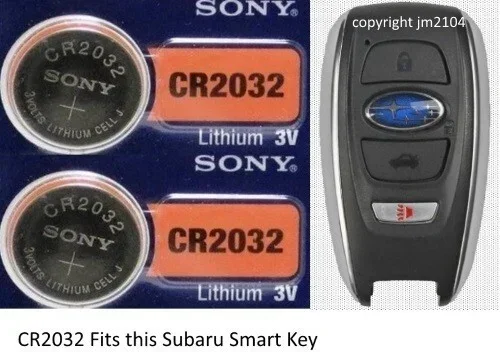
- Replace your key fob battery every 12 months. A fresh battery ensures the car always recognizes your fob. Most fobs use a CR2032 coin cell battery.
- Don’t force the steering wheel to maximum lock. Turning the wheel all the way can engage the lock pin more firmly. Leave a little play in the wheel when you park.
- Use the correct key for your vehicle. Aftermarket keys may not fit perfectly. Always use keys cut to your vehicle’s specifications.
- Keep your ignition keyway clean. Dust and debris can build up inside the cylinder. A quick spray of electrical contact cleaner once a year helps.
Common Mistake: Many drivers turn the steering wheel hard to the left or right when parking and then remove the key. This almost guarantees a lock the next time you try to start. Make it a habit to ease the wheel back to center before pulling the key.
When to Call a Professional Mechanic
Most steering lock issues resolve with the methods above. But some situations need professional attention. Don’t hesitate to call a mechanic if you experience any of the following:
- The key won’t turn at all, even with gentle pressure and wheel wiggling.
- You hear grinding or metal-on-metal sounds when inserting the key.
- The steering wheel moves but the engine still won’t crank.
- Dashboard warning lights stay on and the car shows no signs of power.
- The lock releases but returns immediately when you try to start the car.
A professional mechanic has specialized tools to diagnose and fix steering column problems safely. They can inspect the ignition lock cylinder, test the electrical connections, and replace worn parts. Trying to force a stuck lock can turn a small repair into a major one. When in doubt, get expert help.
Expert Insight: “I tell my customers to try the basic fixes first,” says certified mechanic Sarah Lin. “But if the wheel feels completely frozen or the key is stuck, stop trying. Forcing it almost always makes things worse. A locksmith or mechanic can release it safely without breaking anything.”
How the Steering Wheel Lock System Works in Modern Vehicles
Modern vehicles have become much more sophisticated. The steering lock system is now integrated with the car’s overall security network. Understanding how this system works helps you troubleshoot more effectively.
In vehicles with push-button start, the system uses a transponder inside the key fob. The car’s antenna ring around the ignition reads this transponder. If the signal is valid, the computer allows the steering lock to release and the engine to start. If the signal is weak or missing, the system keeps the lock engaged.
This is why a dead key fob battery causes so many issues. The transponder can’t broadcast a strong enough signal. The car thinks the key isn’t present and engages the electronic steering lock as a security measure. Replacing the battery or using the backup physical key bypasses this problem entirely.
Some vehicles also have a steering wheel vibration feature that alerts you when the lock is engaged. You might feel a slight buzz or pulse in the wheel. This is normal and not a cause for concern. It’s simply the lock mechanism activating or releasing.
Newer models from brands like Toyota, Honda, Ford, and BMW all use variations of this system. The exact method varies by manufacturer, but the core principle remains the same. A sensor detects the key, and the computer controls the lock. This integration makes your car more secure but also means more things can go wrong electronically.
The Cost of Ignoring a Locked Steering Wheel
Ignoring a locked steering wheel might seem harmless at first. But over time, it can lead to bigger problems. Repeatedly forcing the wheel can wear out the ignition cylinder. A stuck lock can drain your key fob battery faster. In worst-case scenarios, a broken lock pin damages the entire steering column.
Repair costs vary widely. A simple key replacement costs $10 to $30. An ignition switch replacement runs $100 to $300. A broken steering lock pin repair can cost $300 to $800 depending on your vehicle. All of these are preventable with the right knowledge and a little patience.
Key Takeaways
- Always release the steering wheel before removing the key to prevent future locks.
- The gentle wiggle technique works for most mechanical steering locks.
- A dead key fob battery is a common cause of electronic steering lock issues.
- Never force the key or wheel. This causes more damage than it fixes.
- Call a professional if basic methods don’t work within a few minutes.
- Regular maintenance like key replacement and fob battery swaps prevent most lock problems.
Conclusion
Dealing with a locked steering wheel when your car won’t start is stressful, but it doesn’t have to be. Most of the time, a simple wiggle and key turn solves the problem in seconds. You now know how to handle both mechanical and electronic steering locks, how to prevent them from happening, and when to call for help.
The key is staying calm and working through the methods step by step. Don’t force anything. Listen to what your car is telling you through sounds, dashboard lights, and how the key feels in the ignition. These clues guide you to the right solution every time.
Remember that the steering wheel lock is there to protect your vehicle. It’s a helpful feature when it works the way it should. With the knowledge in this article, you can handle it confidently whenever it locks up. Share this guide with friends and family who might benefit from it. A little preparation goes a long way toward keeping your car running and your steering free.
Next time you find yourself staring at a locked wheel and a silent dashboard, you’ll know exactly what to do. You’ve got this. Get out there, try the methods above, and get back on the road safely.
Frequently Asked Questions
Can a locked steering wheel damage my car?
Forcing the wheel or key when the steering lock is engaged can damage the ignition switch and steering column. Always use gentle pressure and try the wiggle method first. If it doesn’t release within a minute or two, stop and seek professional help to avoid costly repairs.
How do I know if my steering wheel lock is mechanical or electronic?
If your car uses a traditional key to start, it likely has a mechanical lock. If you have a push-button start and a key fob, you probably have an electronic lock. Check your owner’s manual to confirm the type. The fix method differs slightly between the two.
What should I do if the key breaks off in the ignition?
Do not try to pull the broken key out with tweezers or other tools. This can push it deeper or damage the ignition cylinder. Call a locksmith or mechanic who has specialized extraction tools. They can remove the broken piece safely and get your steering lock released.
How often should I replace my key fob battery?
Replace your key fob battery once a year or when you notice the range decreasing. Most fobs use a CR2032 battery that costs just a few dollars. Keeping a spare battery in your glove box ensures you’re never stranded with a dead fob and a locked steering wheel.
Is it normal for the steering wheel to be hard to turn after unlocking?
Yes, this is normal, especially in vehicles with power steering assist. The power steering system needs the engine running to provide full assistance. Once you start the car, the wheel should turn smoothly. If it stays stiff after starting, check your power steering fluid level.
Can cold weather cause the steering wheel to lock?
Cold weather can make the steering lock mechanism stiffer, but it doesn’t directly cause the lock to engage. The lock activates when you turn the wheel with the key removed, regardless of temperature. In cold weather, give yourself extra time to gently warm up the mechanism before trying to start the car.