How Do You Pop a Hood Without a Latch When It Breaks
When your hood latch breaks, you can still get your hood open using a few simple methods. Whether you need to use the emergency release cable, a long tool, or remove the latch pin by hand, this guide walks you through every step. You will also learn how to fix the latch, what tools to grab, and how to stop this problem from happening again.
Have you ever stood in front of your car, ready to pop the hood, and realized the latch is broken? It happens more often than you think. A hood latch can fail for many reasons, and when it does, you might feel stuck. The good news is that how do you pop a hood without a latch is a question with several practical answers. You do not need to call a tow truck or spend hundreds of dollars at a repair shop. In this guide, we will walk you through every method, every tool, and every tip you need to get that hood open safely and easily.
Whether your hood latch cable snapped, the spring wore out, or the whole hood latch assembly seized up, we have got you covered. We will explain each method in plain language, share real-world examples, and give you honest advice about what works best. By the end of this article, you will know exactly what to do when your hood latch not working situation hits. Let us get into it.
Key Takeaways
- Multiple backup methods exist: You can use the emergency hood release cable, a long wire tool, or manually remove the latch pin to open your hood when the latch fails.
- Safety comes first: Always turn off the engine, let the engine cool, and secure the hood with a prop rod before working underneath it.
- Common causes include wear and tear: A broken hood latch cable, worn spring, or rusted latch assembly are the top reasons hood latches stop working.
- Replacement is affordable: A hood latch replacement typically costs between $50 and $200 for parts, and you can save money by doing it yourself.
- Prevention is simple: Regular lubrication, cable adjustment, and visual inspections can extend your hood latch life by years.
- You do not need a mechanic: Most hood latch problems can be fixed at home with basic tools and about 30 minutes of your time.
- Know your emergency release: Most cars have a secondary hood release cable inside the cabin that you can pull as a backup method.
📑 Table of Contents
Why Does a Hood Latch Fail?
Understanding why a hood latch fails helps you prevent future problems. A hood latch failure does not usually happen without warning. There are clear reasons behind most breakdowns, and once you know them, you can take action early.
Common Causes of Hood Latch Failure
Several things can cause your hood latch stuck situation. Here are the most common culprits:
- Worn hood latch cable: The cable that connects your interior release lever to the latch can stretch, fray, or snap over time. This is the number one cause of hood latch problems.
- Rust and corrosion: If you live in a wet or snowy area, salt and moisture can eat away at the hood latch assembly, causing it to seize up.
- Broken spring mechanism: The small spring inside the latch helps it pop open. When that spring weakens or breaks, the latch gets stiff and hard to release.
- Misaligned latch pin: The pin that holds the latch closed can shift out of position, especially after an accident or rough driving.
- Ice buildup in winter: In cold climates, ice can form around the latch mechanism, freezing it in place.
- Age and general wear: Like any car part, a hood latch has a lifespan. After years of daily use, the components simply wear out.
Signs Your Hood Latch Is Going Bad
You do not always get a sudden failure. Often, there are warning signs weeks or months before the latch completely stops working:
- The hood feels loose or rattles while driving.
- You need to pull the release lever harder than usual.
- The hood does not stay fully latched and pops open slightly while driving.
- You hear a clicking or grinding sound when releasing the hood.
- The interior release cable feels slack or unresponsive.
If you notice any of these signs, it is a good idea to inspect the hood release mechanism sooner rather than later. Catching a problem early can save you from a frustrating roadside situation.
How to Pop a Hood Without a Latch When It Breaks
Now let us get to the main question. How do you pop a hood without a latch when everything has gone wrong? There are several proven methods. Each one works in different situations, so read through all of them before you try.
Safety Precautions Before You Start
Before you do anything, please follow these safety steps. Your protection matters more than getting the hood open quickly:
- Turn off the engine and let the car cool down completely. Hot engine parts can burn you.
- Put the car in park and engage the parking brake.
- Find a flat, stable surface to work on. Do not try this on a slope.
- Wear gloves to protect your hands from sharp edges and grease.
- Keep your face away from the hood when you finally get it to release. Springs and latches can snap unexpectedly.
Step-by-Step Process to Open the Hood
Once you are safe, follow these steps to pop a hood without a latch:
Step 1: Locate the front of the car and look for any visible screws, bolts, or clips holding the hood down. Some vehicles use additional fasteners beyond the latch.
Step 2: Try the interior emergency release. Most cars have a secondary cable inside the cabin, usually under the dashboard on the driver side. Pull it firmly.
Step 3: If the interior release does not work, move to the external methods we will cover next. Have your tools ready.
Step 4: Once the hood pops up slightly, use a hood prop rod to hold it securely open. Never work under a hood that is not properly supported.
Step 5: Inspect the latch mechanism and determine what needs repair or replacement.
Common Methods to Open a Hood With a Broken Latch
When the hood latch broken situation hits, you have several reliable methods at your disposal. Let us walk through each one in detail.
Method 1: Using the Emergency Hood Release Cable
Most cars built after 1990 have a backup hood release cable inside the cabin. This cable connects to the same latch mechanism but gives you a second way to pull it open. Here is how to use it:
- Open the driver door and look under the dashboard on the left side.
- Find a small lever, handle, or cable end with a plastic cover.
- Pull it firmly toward you. You may need to pull hard if the latch is stiff.
- You should hear a click or feel the hood release slightly.
If you cannot find it, check your vehicle owner manual. The emergency release location varies by car model, but it is always inside the cabin somewhere near the driver side footwell.
Method 2: Using a Long Tool or Wire
This method works well when the latch is visible but stuck. You will need a long, flexible tool:
- A bent wire coat hanger is a classic choice.
- A long screwdriver with a hooked tip can also work.
- A specialized hood latch repair kit often includes a thin probe tool.
Slide the tool through the front grille or bumper opening and feel around for the latch mechanism. Gently push or pull the latch release while someone else tries to lift the hood from outside. This method requires patience but works in most cases.
Method 3: Removing the Hood Latch Pin Manually
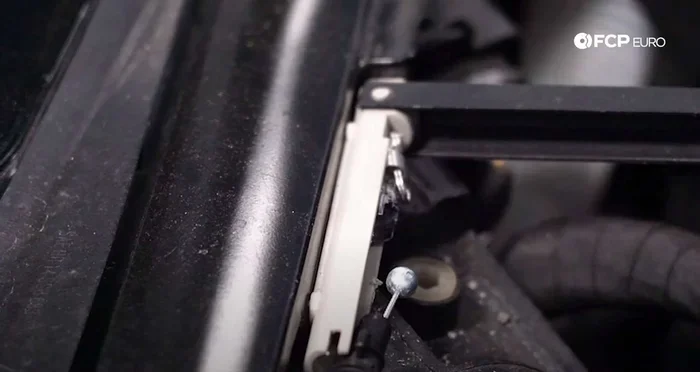
Every hood latch assembly has a pin or bolt that holds the latch in place. If you can access it from the front of the car, you can remove it entirely:
- Look for a visible pin or bolt near the center of the hood line.
- Use a socket wrench or pliers to remove it.
- Once the pin is out, the latch should release, and the hood can be lifted.
This method works great on older vehicles and many modern cars. Just be careful not to lose the small pin or spring.
Method 4: Using the Hood Prop Rod as Leverage
If you have a hood prop rod but the latch is stuck, you can sometimes use it as a lever:
- Lift the hood slightly, even just one or two inches.
- Slide the prop rod under the hood edge.
- Use gentle pressure to push the latch mechanism open from below.
This trick works because even a small gap gives you enough room to apply force to the latch. Be very gentle to avoid damaging the hood or fenders.
Tools and Supplies You Will Need
Having the right tools makes how do you pop a hood without a latch a much easier job. Here is a checklist of what to keep in your garage or trunk:
- Socket wrench set: For removing latch bolts and pins.
- Flathead and Phillips screwdrivers: For prying and adjusting components.
- Wire coat hanger: A cheap and effective tool for reaching internal mechanisms.
- Needle-nose pliers: For gripping small pins and cables.
- Hood prop rod: Essential for safely holding the hood open.
- Penetrating oil (like WD-40): Helps loosen rusted or seized latch mechanisms.
- Work gloves: Protects your hands from sharp edges.
- Flashlight: Lets you see into tight spaces under the hood.
Keeping these items in your car or garage means you are always ready for a hood latch stuck emergency. A small investment in tools can save you a lot of time and money.
Hood Latch Repair and Replacement Guide
Once you have the hood open, you need to address the root cause. A hood latch repair or hood latch replacement is usually straightforward. Let us walk through both options.
How to Replace a Hood Latch Assembly
Replacing a hood latch assembly is one of the most manageable car repairs you can do at home. Here is the process:
- Buy the correct replacement part. Check your vehicle make, model, and year to find the right hood latch assembly. Parts cost between $30 and $150 for most cars.
- Remove the old latch. Disconnect the hood release cable and unbolt the latch from the frame. There are usually two to three bolts holding it in place.
- Install the new latch. Bolt the new assembly into position and reconnect the cable.
- Test the latch. Close the hood and pull the release lever to make sure it engages properly.
The entire process takes about 30 to 45 minutes. You do not need any special skills, just patience and the right tools.
Hood Latch Repair Cost and Time
If you are wondering about the hood latch repair cost, here is a rough breakdown:
- DIY repair: $30 to $150 for the replacement part. No labor costs.
- Mechanic repair: $100 to $300 including parts and labor.
- Emergency roadside assistance: $75 to $150 just for the service call.
Doing it yourself saves you at least $50 to $150 in most cases. Plus, you learn a valuable skill that will help you with future car problems. The whole hood latch replacement process is quick and satisfying to complete on your own.
Hood Latch Cable Adjustment Tips
Sometimes the problem is not a broken part but a loose cable. A simple hood latch cable adjustment can fix many issues:
- Locate the cable adjustment nut where the cable connects to the latch.
- Turn the nut to tighten or loosen the cable tension.
- Test the release lever after each adjustment.
- You want the cable snug but not so tight that it binds the latch.
This quick fix takes about five minutes and can save you from a full replacement. Many hood latch troubleshooting situations resolve with a simple cable adjustment.
Preventing Hood Latch Failures
The best way to deal with a broken hood latch is to prevent it from happening in the first place. Regular maintenance goes a long way toward keeping your hood release mechanism working smoothly for years.
Simple Prevention Steps
- Lubricate the latch regularly. Apply a silicone-based lubricant or white lithium grease to the latch mechanism every six months. This prevents rust and keeps everything moving freely.
- Check the hood release cable. Inspect the cable for fraying, stretching, or rust at least twice a year. Replace it at the first sign of wear.
- Keep the latch area clean. Remove dirt, debris, and leaves from around the latch. Buildup can cause the mechanism to stick or corrode.
- Test the hood release monthly. Simply pull the lever and make sure the hood pops open smoothly. This quick habit catches problems early.
- Address small issues immediately. If the hood feels loose or the release feels different, do not ignore it. A small problem today becomes a big problem tomorrow.
Following these simple steps can add years of reliable service from your hood latch assembly. Prevention is always easier and cheaper than repair.
When to Call a Professional
There are times when calling a mechanic makes sense. If you have tried all the methods above and the hood still will not open, it is time for professional help. Also, if you notice damage to the hood latch spring or the entire hood latch pin area looks bent or broken, a professional has the tools and experience to fix it safely.
Most auto repair shops can handle a hood latch repair in under an hour. The hood latch repair cost at a shop is reasonable, especially compared to the convenience and peace of mind you get.
Final Thoughts on Popping a Hood Without a Latch
Dealing with a broken hood latch is frustrating, but it is also very manageable when you know what to do. Whether you use the emergency release cable, a long wire tool, or remove the latch pin by hand, you now have multiple ways to get the job done. How do you pop a hood without a latch is no longer a mystery. You have the knowledge, the methods, and the confidence to handle it yourself.
Remember to always prioritize safety. Work on a flat surface, let the engine cool, and secure the hood with a prop rod before you reach inside. Take your time, be patient, and do not force anything that feels stuck. A little penetrating oil and gentle patience often solve what brute force cannot.
Once the hood is open, take a moment to inspect the hood latch mechanism and decide whether you need a quick cable adjustment or a full hood latch replacement. With the right parts and tools, most repairs take less than an hour. And do not forget to add regular latch maintenance to your car care routine. A little prevention today saves you from a stressful breakdown tomorrow.
You now know everything there is to know about opening and fixing a hood when the latch fails. Keep this guide saved for future reference, and share it with a friend who might need it someday. Being prepared is the best way to handle any car problem that comes your way.
Frequently Asked Questions
Can I drive my car with a broken hood latch?
Yes, you can drive short distances with a broken hood latch as long as the hood stays closed and secure. However, it is not safe for long trips because the hood could open unexpectedly while driving, blocking your vision. Have the latch repaired as soon as possible.
How much does it cost to fix a hood latch?
The hood latch repair cost ranges from $30 to $150 for a DIY replacement part. If you take it to a mechanic, expect to pay $100 to $300 including labor. The exact cost depends on your car model and the extent of the damage to the hood latch assembly.
What causes a hood latch cable to break?
A hood latch cable breaks due to normal wear and tear, rust, or repeated pulling with too much force. Cars in cold or coastal areas are more prone to cable damage because of moisture and salt exposure. Regular inspection and lubrication help prevent premature cable failure.
How do I find the emergency hood release in my car?
The emergency hood release cable is usually located inside the cabin on the driver side, under the dashboard near the footwell. Look for a small lever or cable end with a plastic cover. Check your vehicle owner manual for the exact location if you cannot find it.
Can I use WD-40 on a stuck hood latch?
Yes, WD-40 or similar penetrating oil can help loosen a stuck hood latch. Spray it on the latch mechanism and let it sit for 10 to 15 minutes before trying to open or adjust it. WD-40 works well for rusted or corroded latches but is not a permanent lubricant. Use a silicone-based lubricant for long-term protection.
How long does a hood latch replacement take?
A hood latch replacement typically takes 30 to 45 minutes when done at home. If you visit a mechanic, the job usually takes about one hour including diagnosis. The process involves removing the old latch, installing the new one, and adjusting the cable tension for proper operation.
=== CONCLUSION ===
Knowing how do you pop a hood without a latch is an essential skill for every car owner. A broken hood latch does not have to leave you stranded or force you to spend money on a mechanic. With the right methods, tools, and a little patience, you can open your hood safely and fix the problem yourself. From using the emergency release cable to manually removing the latch pin, you now have a full toolkit of solutions. Remember to maintain your hood release mechanism regularly, address small issues early, and always prioritize safety. You are now equipped to handle this common car problem with confidence and ease.