How Do I Turn Off the Airbag Warning Light for Good
Turning off the airbag warning light starts with understanding why it is on in the first place. This guide walks you through every possible cause, from a loose seat belt to a faulty airbag module, and gives you clear steps to fix it. Whether you want to reset the airbag light yourself or know when to call a mechanic, you will find everything you need right here.
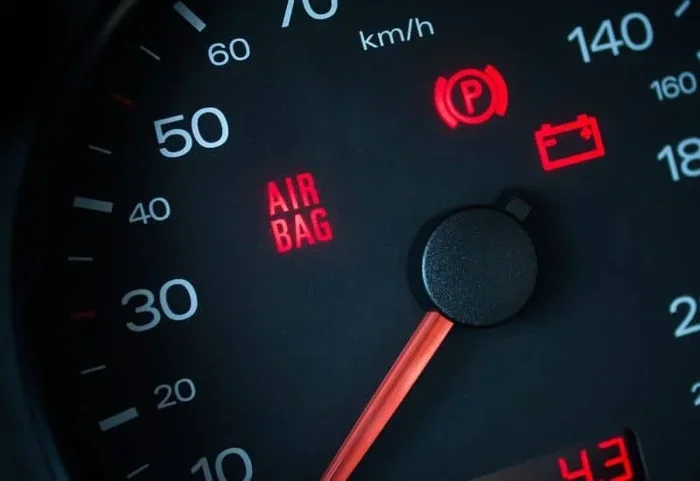
That little yellow light on your dashboard shaped like a person sitting in a seat with a circle in front of it can be really unsettling. You are driving along, minding your own business, and suddenly there it is. The airbag warning light is glowing on your dash, and your mind starts racing. What does it mean? Is your car safe to drive? And most importantly, how do you turn off the airbag warning light for good?
Here is the thing most people do not realize. The airbag warning light is not just a random dashboard annoyance. It is part of your car’s Supplemental Restraint System, or SRS for short. This system works hand in hand with your seat belts and airbags to protect you during a crash. When the light comes on, it means your car has detected a problem somewhere in that system. And until you reset the airbag light and fix the real issue, your airbags may not work when you need them most.
This guide is going to walk you through everything you need to know. We will cover what the light means, the most common reasons it shows up, how to diagnose the problem, and yes, how to turn off the airbag warning light the right way. Whether you are a DIY person who loves working on cars or someone who just wants to understand what is going on, you are in the right place. Let us get into it.
Key Takeaways
- Know the cause first: The airbag warning light always signals a real problem that needs attention before you reset it.
- An OBD2 scanner is your best friend: It reads the exact airbag code hiding behind the light and saves you guesswork.
- Simple fixes work often: A loose seat belt, low battery voltage, or blown fuse triggers the light more than you think.
- Never ignore the light: A working airbag system saves lives, and driving with the light on means your airbags may not deploy.
- Battery disconnect is temporary: Disconnecting the battery may turn the light off for a while, but it will come back if the root issue is not fixed.
- Professional help matters: Some airbag problems require a trained mechanic with the right tools and safety knowledge.
- Prevention is easy: Regular maintenance and quick habits keep the airbag light off for good.
📑 Table of Contents
What Does the Airbag Warning Light Mean?
The Role of Your Airbag System
Your car’s airbag system is one of the most important safety features you have. It is designed to deploy in a fraction of a second during a collision. The system includes sensors, modules, wires, and the airbags themselves. All of these parts talk to each other constantly. They run a self-check every time you turn the key in the ignition.
When everything is working properly, the light turns on for a couple of seconds when you start the car and then goes off. That is normal. It means the system is doing its self-test. But if the light stays on or comes on while you are driving, something is wrong. The airbag system has found an issue it cannot fix on its own.
The light is basically your car saying, “Hey, I have a problem with my safety system. Please check this.” Ignoring it is not a good idea. Your airbags are your last line of defense in a serious accident. You want them working perfectly every single time.
Why the Light Matters More Than You Think
Some people drive for months with the airbag light on and never think twice about it. That is a risky habit. If your car gets into an accident and the airbag system has a fault, the airbags might not deploy. Or worse, they might deploy at the wrong time. Either scenario is dangerous.
Beyond safety, a lit airbag light can also cause your car to fail an inspection in many states. It is not just about passing a test either. A working airbag system protects you and your passengers every time you get behind the wheel. So when that light comes on, treat it seriously. Your life and the lives of your loved ones depend on it.
Common Reasons the Airbag Warning Light Comes On
There are many reasons the airbag warning light might show up on your dashboard. Some are simple fixes. Others need a mechanic’s touch. Let us break down the most common causes so you know what to look for.
Faulty Seat Belt Sensors
This is one of the most common reasons the airbag light comes on. Your car has sensors in the seat belt buckles. They check whether the belt is clicked in properly. If the sensor thinks the belt is not buckled, even when it is, the airbag warning light will turn on.
Sometimes a piece of debris gets stuck in the buckle. A coin, a small item, or even crumbs can prevent the sensor from reading the belt correctly. A loose or worn seat belt latch can also cause the same problem. It is a simple fix more often than you would think.
Problems with the Airbag Clockspring
The clockspring is a spiral ribbon cable inside your steering wheel. It connects the airbag to the car’s electrical system. It also keeps the connection alive while you turn the steering wheel. Over time, the clockspring can wear out or break.
When the airbag clockspring fails, you will often see the airbag light on along with a ticking sound from the steering column. This is not something you should ignore. A broken clockspring means the airbag in your steering wheel cannot deploy in a crash. That is a serious safety issue.
Low Battery Voltage
Here is one that surprises a lot of people. If your car battery is low or dying, the airbag warning light can turn on. The airbag system needs a steady flow of power to work correctly. When the voltage drops, the system throws a code and lights up the warning.
This often happens after you jump-start your car or when the battery is old. If the light comes on after a jump start or a cold morning, the battery might be the culprit. Check your battery voltage before you assume the worst.
Damaged or Corroded Wiring
Your car’s airbag system relies on a network of wires. These wires run under the seats, through the dashboard, and along the floor. Over time, they can get damaged, corroded, or loose.
Moisture is a big enemy here. If water gets under your seat from a spill or a leak, it can corrode the connectors. Corrosion interrupts the signal between the airbag control module and the sensors. The system detects a fault, and the light comes on. Checking your wiring is an important step in airbag light troubleshooting.
Faulty Passenger Airbag Sensor
Many modern cars have a sensor in the passenger seat. It detects whether someone is sitting there and whether they are heavy enough for the airbag to deploy. If this sensor malfunctions, the passenger airbag light may come on even when the seat is empty.
Kids, heavy bags, or even a pet sitting in the passenger seat can sometimes trigger this sensor incorrectly. But if the light stays on with no one in the seat, the sensor itself may need to be replaced.
Blown Airbag Fuse
Every car has a fuse box, and the airbag system has its own fuse. If that fuse blows, the airbag light will turn on immediately. A blown fuse can happen from a power surge, an old fuse that has simply worn out, or a short circuit.
Checking the airbag fuse is one of the first things you should do when the light comes on. It is quick, easy, and free. Your owner’s manual will tell you exactly where the fuse box is and which fuse controls the airbag system.
How to Diagnose the Airbag Warning Light
Before you try to reset the airbag light, you need to know what is causing it. Diagnosing the problem saves you time and money. It also keeps you from turning off the light only to have it come right back.
Using an OBD2 Scanner
An OBD2 scanner is the single best tool for diagnosing an airbag light. This small device plugs into your car’s diagnostic port, usually found under the steering column. Once connected, it reads the trouble codes stored in your car’s computer.
Each code tells you exactly what part of the airbag system has a problem. For example, a code might point to a faulty seat belt sensor or a problem with the airbag control module. Without a scanner, you are basically guessing. With one, you know exactly what to fix.
You can buy a basic OBD2 scanner for under $30. Some auto parts stores will also read the codes for free. This is the easiest first step in airbag light troubleshooting.
Checking the Airbag Fuse
As mentioned above, a blown fuse is one of the simplest causes. Open your fuse box and locate the airbag fuse. Look at the metal strip inside. If it is broken or melted, the fuse is blown.
Replace it with a fuse of the exact same amperage. You can find this number on the fuse box lid or in your owner’s manual. After replacing the fuse, start the car and see if the airbag warning light goes off.
Inspecting the Seat Belt System
Take a close look at your seat belts. Check the buckle for any debris or damage. Try clicking and unclicking the belt several times. Listen for any unusual clicking or grinding sounds.
Also check the seat belt retractor. Pull the belt out all the way and let it retract slowly. It should wind back in smoothly. If it sticks or jerks, the retractor mechanism might be the problem. Cleaning the buckle with a little compressed air can often fix sensor issues caused by dirt and debris.
Step-by-Step: How to Turn Off the Airbag Warning Light
Now for the part you have been waiting for. How do you actually turn off the airbag warning light? There are a few methods, and the right one depends on what is causing the light in the first place.
Method 1: Reset with an OBD2 Scanner
This is the most reliable way to reset the airbag light and the one I recommend the most. Here is how to do it:
- Plug your OBD2 scanner into the diagnostic port under the steering column.
- Turn the ignition to the “on” position without starting the engine.
- Follow the scanner’s prompts to read the trouble codes.
- Write down the codes so you know what they mean.
- Fix the underlying issue that caused the codes.
- Use the scanner to clear the codes and reset the airbag light.
- Start the car and confirm the light stays off.
This method works because you are fixing the real problem first. The scanner then clears the codes, and the light goes off. It is the cleanest and most professional approach.
Method 2: Fix the Underlying Issue First
Sometimes the fix is so simple that the light turns off on its own. If you found a loose seat belt or a blown fuse and fixed it, try turning the car off and back on. The airbag system runs a new self-check, and if everything passes, the light should stay off.
This is the best-case scenario. No tools needed. No scanning required. Just a simple fix that solves the problem. Many people turn off the airbag warning light this way without even realizing it was an easy fix all along.
Method 3: Disconnect the Battery (Temporary Fix)
Some people suggest disconnecting the car battery for 10 to 15 minutes to reset the airbag light. While this can work temporarily, I want to be upfront with you. This is not a real fix.
Disconnecting the battery clears the codes, and the light may go off for a while. But if the underlying problem is still there, the light will come right back. Sometimes it comes back within minutes. This method does not address the actual issue, and it can also reset other settings in your car like your radio stations and power windows.
Use this method only as a last resort or as a temporary measure until you can properly diagnose and fix the problem. Think of it as a band-aid, not a cure.
Comparison: DIY Methods vs Professional Help
Not every airbag light fix is a DIY job. Here is a quick comparison to help you decide.
| Factor | DIY Fix | Professional Mechanic |
|---|---|---|
| Cost | Low ($20-$50 for tools) | Higher ($100-$300+ for diagnosis and repair) |
| Time | 30 minutes to 2 hours | 1 to 3 hours depending on the issue |
| Skill Level Needed | Basic mechanical knowledge | None required, you just bring the car |
| Best For | Simple issues like fuses or loose sensors | Complex wiring or module problems |
| Risk Level | Low if you follow safety steps | Very low, handled by trained experts |
As a general rule, if the problem involves the airbag control module, clockspring, or wiring under the dashboard, leave it to a professional. Airbag systems deal with explosive charges. You do not want to mess with them unless you know exactly what you are doing.
When to See a Professional Mechanic
There are times when turning off the airbag warning light is not a job for a weekend DIYer. Knowing when to call in the experts can save you money, time, and most importantly, keep you safe.
Signs You Need Expert Help
Watch for these warning signs that your problem is beyond a simple fix:
- The airbag light comes back on immediately after you reset it.
- You hear clicking or buzzing sounds from the dashboard or steering column.
- The airbag light flashes in a specific pattern, which often indicates a serious fault code.
- You have been in even a minor accident, even if there is no visible damage.
- The airbag light is on along with other warning lights like the check engine light.
- You smell a burning odor near the dashboard or seats.
If any of these apply to you, it is time to see a mechanic. These signs point to deeper issues in the airbag system that need professional diagnosis and repair.
What a Mechanic Will Do
A professional mechanic will start by plugging in an advanced diagnostic scanner. This scanner reads all the airbag codes and gives a detailed report on what is wrong. From there, they will inspect the wiring, sensors, modules, and clockspring.
If a part needs replacing, such as the airbag clockspring or airbag control module, the mechanic will handle it safely. They have the training and the right tools to work with airbag components without risk. Most airbag repairs take between one and three hours, depending on the complexity.
Preventing the Airbag Warning Light from Returning
Once you have turned off the airbag warning light and fixed the problem, you do not want it to come back. The good news is that keeping the light off is not hard. A few simple habits go a long way.
Regular Maintenance Tips
- Check your seat belts regularly. Make sure they click in properly and retract smoothly. A stuck seat belt can trigger the sensor again.
- Keep your battery healthy. Test your battery at least once a year, especially before winter. A weak battery can cause all kinds of electrical issues, including the airbag light.
- Avoid spilling liquids under the seats. Moisture is the enemy of electrical connectors. If you spill something, clean it up right away and let the area dry completely.
- Do not modify your seat or dashboard. Aftermarket seat covers or dash accessories can sometimes interfere with the airbag sensors. Stick to factory-compatible parts.
Quick Habits That Help
- Always buckle your seat belt fully before driving.
- Make sure no heavy objects are sitting on the passenger seat that could confuse the weight sensor.
- Keep the fuse box area clean and dry.
- Address any dashboard warning lights promptly. Do not let them linger.
Quick Tips
Here are some quick tips to keep in mind:
- Always read your owner’s manual first. It has specific information about your car’s airbag system and fuse locations.
- Keep an OBD2 scanner in your glove box. It is one of the most useful tools a car owner can have. It helps you diagnose airbag light issues and many other problems too.
- Do not drive with the airbag light on longer than you have to. If you must drive, drive carefully and get it fixed as soon as possible.
Common Mistakes to Avoid
Here are some mistakes people make when dealing with the airbag warning light:
- Ignoring the light. This is the biggest mistake. The airbag system is a safety system. A problem with it is a problem with your protection in a crash.
- Just disconnecting the battery to turn off the light. This does not fix the real problem and the light will come back.
- Trying to repair airbag wiring yourself without proper knowledge. Airbag systems involve explosive components. Incorrect handling can cause accidental deployment or serious injury.
- Using the wrong fuse. Always match the amperage exactly. A wrong fuse can cause further electrical damage.
- Assuming the light is a false alarm. The airbag system is not known for giving false warnings. If the light is on, there is a real issue.
Expert Insights
According to automotive safety experts, the airbag warning light is one of the dashboard warnings that should never be ignored. The Insurance Institute for Highway Safety (IIHS) emphasizes that properly functioning airbags reduce the risk of fatal injury in front-end crashes by about 30 percent. A malfunctioning system means that protection is compromised.
Experienced mechanics also point out that most airbag light issues come down to simple causes. A loose seat belt connection, a corroded wire, or a blown fuse accounts for a large percentage of cases. This is good news for car owners because it means many problems are easy and affordable to fix.
The key takeaway from the experts is simple. Do not ignore the light. Diagnose it quickly. Fix the root cause. Then reset the airbag light properly. This approach keeps you safe and your car running right.
Key Takeaways
- The airbag warning light is a safety alert: It means your car has detected a fault in the Supplemental Restraint System that needs attention.
- Common causes include seat belt sensors, clockspring, battery voltage, and blown fuses: Most of these are simple and affordable to fix.
- An OBD2 scanner is the best tool for diagnosis: It reads the exact trouble codes so you know exactly what to fix.
- Always fix the root cause before resetting the light: Turning off the light without fixing the problem will just bring it back.
- Disconnecting the battery is only a temporary fix: It clears the codes but does not address the underlying issue.
- See a professional for complex issues: Wiring, module, and clockspring problems are best left to trained mechanics.
- Regular maintenance prevents the light from coming back: Simple habits like keeping seat belts clean and the battery healthy go a long way.
Conclusion
The airbag warning light is not something you should brush off or ignore. It is your car telling you that a critical safety system needs attention. The good news is that in most cases, the problem is simple and fixable. Whether it is a loose seat belt, a blown fuse, or a corroded wire, you can often turn off the airbag warning light yourself with the right approach.
The key is to diagnose first and fix the root cause. Use an OBD2 scanner to read the codes. Check the fuse and seat belt system. Inspect the wiring and connectors. Once the real issue is resolved, you can safely reset the airbag light and drive with confidence again.
Remember, your airbag system is there to protect you and your passengers in a crash. Taking care of the airbag warning light is not just about passing an inspection or clearing a dashboard warning. It is about making sure your safety system works when it matters most. So take action today. Diagnose the problem, fix it the right way, and enjoy the peace of mind that comes with a fully functioning airbag system.
Do not let that yellow light on your dash be a source of stress anymore. Follow the steps in this guide, and you will know exactly how to turn off the airbag warning light and keep it off for good. Your car, your safety, and your wallet will all thank you.
Frequently Asked Questions
Can I drive my car with the airbag warning light on?
Technically yes, but it is not recommended. The airbag system may not deploy in a crash if there is a fault. You are risking your safety and the safety of your passengers every time you drive with the light on.
How much does it cost to fix the airbag warning light?
The cost depends on the cause. A blown fuse or loose seat belt sensor can cost under $20 to fix. A new clockspring or airbag module can range from $100 to $400 or more, including labor.
Will disconnecting the battery turn off the airbag light permanently?
No. Disconnecting the battery may turn the light off temporarily, but it will come back if the underlying issue is not fixed. Always diagnose and repair the real problem first.
What does it mean if the airbag light flashes in a pattern?
A flashing pattern is your car’s way of telling you a specific fault code. Count the flashes and look up the pattern in your owner’s manual or with an OBD2 scanner for the exact code meaning.
How long does it take to fix the airbag warning light?
Simple fixes like a blown fuse or loose connection take about 15 to 30 minutes. More complex issues like a clockspring or wiring problem may take one to three hours at a mechanic.
Is it safe to reset the airbag light myself?
Yes, as long as you fix the root cause first and use an OBD2 scanner properly. Never attempt to repair airbag wiring or components directly unless you have the right training and tools.
=== CONCLUSION ===
Turning off the airbag warning light for good is all about diagnosing the real problem and fixing it the right way. Whether you grab an OBD2 scanner and handle it yourself or take your car to a trusted mechanic, the most important step is taking action. Do not let that little yellow light sit on your dashboard another day. Your airbag system is counting on you to keep it working, and it is counting on you to keep you safe.