Eon Car Alloy Wheel Guide Everything You Need to Know
This eon car alloy wheel guide covers everything you need to know about upgrading and caring for alloy wheels on your Eon. You will learn about specs, types, benefits, and simple maintenance steps. Whether you are a first-time buyer or a seasoned owner, this guide will help you make the best choice.
If you drive an Eon, you know how important it is to keep your car looking and running its best. One of the easiest ways to boost both style and performance is by upgrading to a eon car alloy wheel. These wheels are not just about looks. They can make your car feel lighter, handle better, and even save fuel.
Many Eon owners wonder about the right wheel size, the difference between OEM and aftermarket options, and how to care for them. This guide answers all those questions. You will learn the key specs, the types of alloy wheels available, and simple maintenance tips. By the end, you will feel confident choosing the perfect wheels for your Eon.
Key Takeaways
- Perfect Fit Matters: Always check bolt pattern, offset, and rim size before buying new wheels for your Eon.
- Alloy Wheels Boost Performance: They are lighter than steel, improving fuel efficiency and handling.
- Regular Cleaning Prevents Damage: A simple wash routine keeps alloy wheels shiny and protected from brake dust.
- OEM vs Aftermarket Has Trade-offs: OEM wheels offer guaranteed fit, while aftermarket wheels give more style choices.
- Repair Is Often Possible: Small cracks and curb damage can be fixed by a professional, saving you money.
- Torque Specs Are Critical: Always use the correct torque when installing wheel nuts to avoid safety issues.
📑 Table of Contents
What Is an Eon Car Alloy Wheel?
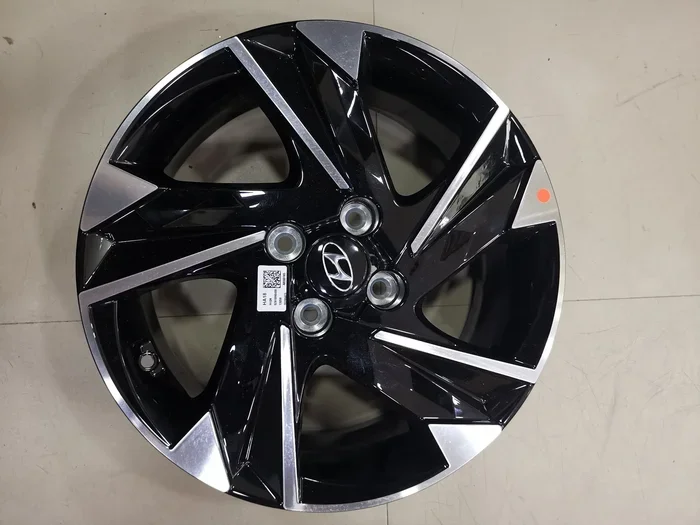
An alloy wheel is made from a mix of aluminum or magnesium. This makes it lighter and stronger than traditional steel wheels. For Eon cars, alloy wheels are a popular upgrade. They give the car a sporty look and improve driving feel. The term eon car alloy wheel simply refers to these wheels designed for the Eon model.
Steel wheels are common in base models. But alloy wheels offer better heat dissipation. This helps brakes perform well, especially during long drives. They also resist corrosion better than steel. If you want a cleaner, more modern look, alloy wheels are the way to go.
Why Upgrade to Alloy Wheels on Your Eon?
Upgrading your wheels is one of the most visible changes you can make. It affects more than just appearance. Here are the main reasons Eon owners choose alloy wheels:
- Weight Reduction: Alloy wheels are lighter. Less weight means better acceleration and braking. Your engine does not have to work as hard.
- Fuel Efficiency: Lighter wheels reduce rolling resistance. This can lead to slight improvements in miles per gallon.
- Styling Options: Alloy wheels come in many designs. You can pick a look that matches your personality, from sleek polished to bold painted finishes.
- Resale Value: A car with nice alloy wheels often fetches a higher price. First impressions matter when selling or trading in.
- Road Hazard Protection: Some alloy wheels offer better resistance to pothole damage. They can absorb impacts better than cheap steel wheels.
When you choose the right eon car alloy wheel, you get all these benefits. It is a simple upgrade with real impact.
Quick Tips for Choosing the Right Wheel
- Quick Tip: Always check your owner’s manual for the recommended wheel size and bolt pattern.
- Quick Tip: Consider your driving conditions. If you face rough roads, pick a wheel with good durability.
- Quick Tip: Test the wheel fitment before buying. Ensure there is enough clearance for brake calipers.
Understanding Eon Car Alloy Wheel Specifications
Specs can seem confusing, but they are simple once you know the basics. The right eon car alloy wheel must match your car’s requirements. Here are the key terms you need to understand:
- Bolt Pattern: This is the arrangement of lug holes on the wheel. The Eon typically uses a 4×100 or 5×100 pattern. Always match this exactly.
- Offset: Offset is the distance from the wheel’s center line to the mounting surface. Positive offset pushes the wheel inward. Negative offset pushes it outward. The correct offset prevents rubbing on fenders or suspension.
- Rim Size: Measured in inches. Common sizes for Eon are 15, 16, or 17 inches. Larger rims can look sporty but may affect ride comfort.
- Hub Bore: The center hole that fits over the hub. A proper hub bore ensures the wheel sits perfectly centered.
- Load Rating: This indicates how much weight the wheel can safely carry. Always choose a rating that meets or exceeds your car’s needs.
OEM vs Aftermarket Alloy Wheels for Eon
OEM wheels are made by the original manufacturer. Aftermarket wheels are made by third-party companies. Both have pros and cons. Here is a simple comparison:
| Feature | OEM Alloy Wheels | Aftermarket Alloy Wheels |
|---|---|---|
| Fitment Guarantee | Perfect fit, no adjustments needed | May require minor adjustments |
| Price Range | Higher cost, often dealer-only | Wider range, more budget options |
| Design Options | Limited to factory styles | Hundreds of designs and finishes |
| Material Quality | Consistent with factory standards | Varies by brand; premium options available |
| Warranty | Often covered under vehicle warranty | Separate warranty from manufacturer |
| Availability | May take longer to order | Widely available online and in stores |
For many Eon owners, aftermarket wheels offer the best value. They give you more choice without sacrificing quality. Just ensure the wheel specs match your car. If you are unsure, consult a trusted tire shop.
Types of Eon Car Alloy Wheels
Not all alloy wheels are the same. They differ in how they are made and the materials used. Understanding these types helps you pick the best eon car alloy wheel for your needs.
Cast Alloy Wheels
Cast wheels are made by pouring molten aluminum into a mold. This is the most common and affordable type. They are durable and work well for daily driving. Most factory alloy wheels on Eon models are cast. They offer a good balance of weight, strength, and cost. If you want a reliable upgrade without a big budget, cast alloy wheels are a solid choice.
Forged Alloy Wheels
Forged wheels are made by applying extreme pressure to a single piece of aluminum. This process makes them much stronger and lighter than cast wheels. They are ideal for performance driving. Forged wheels can handle more stress and resist cracking better. However, they come at a higher price. If you push your Eon hard on tracks or rough roads, forged wheels are worth the investment.
Painted vs Polished Alloy Wheels
Painted wheels have a colored finish. They can be silver, black, or even custom colors. The paint is usually protected with a clear coat. Polished wheels have a mirror-like shine. They look stunning but require more care. Brake dust and road grime show up quickly on polished surfaces. Many Eon owners choose painted wheels for practicality and polished wheels for a premium look.
Wheel Size and Tire Compatibility
When you change wheel size, you must also consider tire compatibility. A larger rim often requires a lower-profile tire. This can affect ride comfort and speedometer accuracy. Always check the overall diameter of the wheel and tire combination. You want it to stay within 3% of the original size. This ensures proper wheel alignment and wheel balancing after installation.
How to Maintain and Clean Your Alloy Wheels
Alloy wheels look great when they are clean. But they also need regular care to stay that way. Brake dust, road salt, and dirt can cause corrosion over time. A simple maintenance routine keeps your wheels looking new for years.
Daily and Weekly Care
Rinse your wheels with water after driving through dirt or salt. Use a soft brush to remove loose debris. Avoid harsh chemicals that can damage the finish. A mild car wash soap works well. Dry the wheels with a soft cloth to prevent water spots.
Deep Cleaning Routine
Every two weeks, give your wheels a thorough clean. Use a dedicated alloy wheel cleaner. Spray it on and let it sit for a minute. Gently scrub with a soft-bristle brush. Rinse completely and dry. This removes brake dust and prevents buildup that can lead to pitting.
Protection and Sealants
After cleaning, apply a wheel sealant or wax. This creates a barrier against dirt and brake dust. It makes future cleaning easier. Some sealants also provide road hazard protection. They help shield the wheel from minor scratches and chips. Reapply the sealant every few months for best results.
Dealing with Alloy Wheel Damage
Even with care, damage can happen. Curb rash is a common issue. Small scratches and chips can be repaired. For deeper cracks, you may need professional alloy wheel repair. Many shops offer alloy wheel refurbishment services. They can strip, repair, and refinish your wheels. This is often cheaper than buying new ones. Always address damage promptly to prevent rust from forming.
Quick Maintenance Tips
- Quick Tip: Never use abrasive pads or harsh solvents on alloy wheels.
- Quick Tip: Check tire pressure regularly. Under-inflated tires can cause wheel damage.
- Quick Tip: Rotate your tires every 5,000 miles to ensure even wear on both wheels and tires.
- Quick Tip: Inspect wheels for cracks or bends after hitting a pothole or curb.
Common Mistakes and Expert Tips for Eon Car Alloy Wheel Owners
Many Eon owners make avoidable mistakes when buying or maintaining alloy wheels. Learning from these can save you time and money.
Common Mistakes to Avoid
- Mistake: Buying wheels without checking the bolt pattern. An incorrect pattern will not fit.
- Mistake: Ignoring offset. Wrong offset can cause the wheel to rub on the suspension or fender.
- Mistake: Over-tightening wheel nuts. This can warp the brake rotor or damage the wheel.
- Mistake: Using the same tire for all seasons without checking compatibility. All-season tires are fine, but ensure the speed rating matches.
- Mistake: Skipping wheel balancing after a change. Unbalanced wheels cause vibration and uneven tire wear.
Expert Insights on Alloy Wheel Care
Expert Insight: “Always use a torque wrench when installing wheels. The correct torque for most Eon models is around 100-110 Nm. This ensures a secure fit without damaging the wheel or hub. Also, remember that alloy wheels are an investment. Proper care and regular cleaning will preserve their appearance and structural integrity for the long haul.”
Key Takeaways for Eon Car Alloy Wheel Owners
- Match bolt pattern, offset, and rim size exactly.
- Choose cast for budget, forged for performance.
- Clean wheels regularly with proper products.
- Apply sealant to protect against brake dust.
- Repair damage early to prevent corrosion.
- Use a torque wrench for safe installation.
These simple steps keep your eon car alloy wheel in top condition. They also ensure safety and longevity.
Conclusion
Choosing the right eon car alloy wheel is more than a cosmetic change. It improves how your car drives, handles, and looks. From understanding bolt patterns to picking between cast and forged, this guide covers the essentials. Regular maintenance keeps your wheels shining and protected. Avoid common mistakes, follow the torque specs, and enjoy the benefits of a proper wheel upgrade.
Whether you are a first-time buyer or a seasoned Eon enthusiast, the right alloy wheels can transform your driving experience. Take your time, do your research, and make a choice that fits your style and budget. Your Eon will thank you with every mile.
Frequently Asked Questions
What size alloy wheels fit an Eon car?
The right size depends on your Eon model and year. Most Eon cars accept 15, 16, or 17-inch alloy wheels. Always check your owner’s manual or the sticker inside the driver’s door for the exact rim size and bolt pattern.
Can I put alloy wheels on a Eon that came with steel wheels?
Yes, you can upgrade from steel to alloy wheels on any Eon. You just need to match the bolt pattern, offset, and hub bore. A tire shop can help you find the right fit and ensure proper wheel alignment after the swap.
How often should I clean my alloy wheels?
A quick rinse after dirty drives helps. For a deep clean, do it every two weeks. Regular cleaning prevents brake dust buildup and keeps the finish looking new. Apply a sealant after each deep clean for extra protection.
Are forged alloy wheels better than cast for an Eon?
Forged wheels are stronger and lighter than cast wheels. They are great for performance driving and rough roads. However, they cost more. For daily driving, cast alloy wheels offer a great balance of durability and price for most Eon owners.
What is the bolt pattern for Eon alloy wheels?
The bolt pattern is usually 4×100 or 5×100, depending on the model. You must match this exactly. An incorrect bolt pattern will not fit the hub safely. Always double-check the specs before purchasing new wheels.
How do I repair a cracked alloy wheel on my Eon?
Small cracks can often be repaired by a professional alloy wheel refurbishment shop. They clean the area, weld or fill the crack, and refinish the wheel. Deep cracks or bent wheels may need replacement to ensure safety on the road.