Electric Window Tint for Cars Will Transform Your Drive
Electric window tint for cars is a smart upgrade that lets you control your window shade at the push of a button. This auto tint technology uses electrochromic layers to instantly darken or lighten your windows, giving you full control over heat, glare, and privacy. Whether you drive a sedan or a convertible, this dimmable window film solution offers serious benefits. It is fast, sleek, and one of the best aesthetic upgrades you can make to your vehicle.
Have you ever been driving on a sunny day and wished you could just flip a switch to darken your windows? That dream is now a reality with electric window tint for cars. This innovative technology is changing the way we think about vehicle comfort, privacy, and style. Unlike traditional car window film that stays at one shade forever, this system lets you adjust your tint whenever you want.
The idea behind electric window tint is simple but brilliant. You apply a special film or glass treatment to your car windows, and then you control how dark or light it gets. Some systems work with a remote, while others connect to your car’s built-in controls. The result is a driving experience that feels futuristic and incredibly practical at the same time.
If you have been dealing with harsh sun glare, a hot interior, or lack of privacy, this technology might be exactly what you need. Let us walk through everything you need to know about electric window tint for cars, from how it works to why it is worth considering.
Key Takeaways
- Instant Control: Electric window tint lets you adjust shade levels with a button or remote.
- Superior Heat Rejection: These systems block a high percentage of solar heat, keeping your cabin cool.
- UV Protection: Electric tints block harmful UV rays that damage skin and fade interiors.
- Privacy on Demand: Switch between clear and dark modes for instant privacy whenever you need it.
- Modern Aesthetic: This smart tint gives your car a sleek, high-tech look.
- Two Main Types: Electrochromic and PDLC systems offer different features and price points.
- Easy Maintenance: With proper care, electric window tint lasts for years without fading or peeling.
📑 Table of Contents
What Is Electric Window Tint for Cars?
Electric window tint for cars is a smart window treatment system that lets you change the tint shade of your vehicle’s windows with the flip of a switch. Instead of using static car window film that you apply once and forget, this system uses advanced technology to change the window’s opacity on demand. Think of it like sunglasses for your car that you can control electronically.
The most common form of this technology is called electrochromic tint. It uses a thin layer of material that changes color when a small electrical voltage is applied. When you turn it on, the window darkens. When you turn it off, it becomes clear again. Some systems also use PDLC (polymer dispersed liquid crystal) technology, which works in a similar way but uses liquid crystals instead of electrochromic materials.
This is different from a standard window tinting kit you buy at an auto parts store. Those kits use a fixed dye or metal layer that cannot change. Electric window tint is dynamic, responsive, and gives you real-time control. It is the closest thing to having smart tint in your vehicle.
How Is It Different from Traditional Tint?
Traditional auto tint is applied as a permanent film. Once it is on your window, the shade stays the same. You cannot make it lighter or darker. Electric window tint removes that limitation entirely. You get a range of shade levels, from fully clear to fully dark, and everything in between.
Traditional tint also fades over time. It peels, bubbles, and loses its effectiveness after a few years. Electric window tint systems are built to last longer and maintain consistent performance. They also offer features that regular tint cannot match, like instant switching and app-controlled adjustments in some higher-end models.
How Does Electric Window Tint Work?
The science behind electric window tint is fascinating but easy to understand. At its core, the system relies on a thin film or coating that responds to electrical signals. When power is applied, the molecules in the film rearrange, which changes how much light passes through the glass.
In electrochromic systems, a small voltage triggers a chemical reaction in the tint layer. This reaction causes the material to darken. The process is slow and steady, similar to how transition lenses work in eyeglasses. It takes about 3 to 5 minutes for the window to fully darken or clear, depending on the system.
In PDLC systems, the liquid crystals in the film are randomly aligned when no power is applied. This scatters light and makes the window appear frosted or dark. When you apply power, the crystals align in a straight line, allowing light to pass through clearly. This switching happens almost instantly, in about 1 to 2 seconds.
The Role of the Power Source
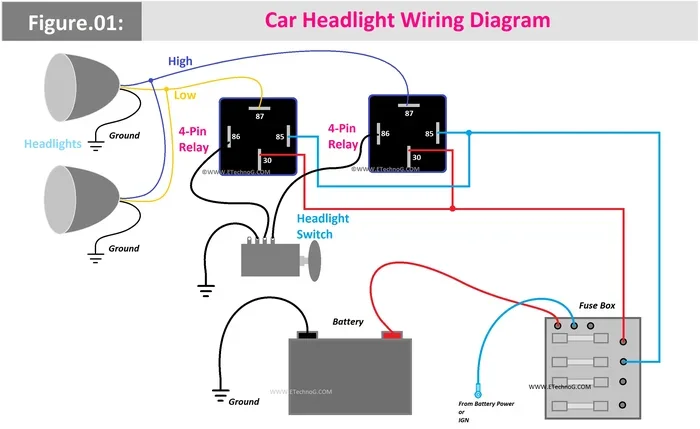
Most electric window tint systems run on your car’s electrical system. They draw very little power, so they will not drain your battery. The power tint switch is usually mounted on the dashboard or center console. Some advanced setups let you control the tint through a smartphone app or voice command.
The wiring is straightforward and integrates easily with your vehicle’s existing electrical system. You can also add a timer or sensor so the tint adjusts automatically based on sunlight intensity. This adds a layer of energy efficiency because your car stays cooler without you having to do anything.
Top Benefits of Electric Window Tint for Cars
Switching to electric window tint for cars comes with a long list of practical benefits. Here is why so many car owners are making the switch.
Heat Rejection and Cabin Comfort
One of the biggest advantages of electric window tint is its ability to reject solar heat. When your windows are tinted, they block a significant portion of the sun’s infrared rays. This keeps your cabin temperature much cooler, especially during summer drives.
Instead of blasting your air conditioning on full power, you can enjoy a naturally cooler interior. This also improves energy efficiency because your car’s cooling system does not have to work as hard. Over time, this can even help with fuel economy.
UV Protection for You and Your Car
UV protection is another major benefit. Harmful ultraviolet rays can cause skin damage and accelerate the aging of your car’s interior. Dashboards, seats, and steering wheels can crack and fade when exposed to direct sunlight for years.
Electric window tint blocks up to 99 percent of UV rays. This protects your skin during long drives and preserves the condition of your car’s interior. You will notice less fading and cracking, which means your car holds its value better over time.
Glare Reduction for Safer Driving
Sun glare is a serious safety hazard, especially during early morning or late afternoon drives. Glare reduction is one of the immediate benefits you will notice with electric window tint. By dimming the windows, you can see the road more clearly without squinting or straining your eyes.
This is especially helpful for drivers who spend a lot of time on the road. Whether you are commuting to work or taking a long road trip, reduced glare means less eye fatigue and better focus.
Privacy on Demand
Privacy is a huge reason many people tint their windows. But traditional tint is always dark, which can make your car feel closed off. With electric window tint, you get privacy tint whenever you need it and clear windows whenever you do not.
Park your car and switch to dark mode for full privacy. Get back on the highway and switch to clear for better visibility. This flexibility is something no traditional after-market tint can offer.
Aesthetic Upgrade
Let us not forget the look. Electric window tint gives your car a sleek, modern appearance. The smooth, seamless operation of the tint looks incredibly stylish. It is a subtle but powerful aesthetic upgrade that sets your vehicle apart from the crowd.
Many people choose electric window tint specifically because it makes their car look more premium. It gives off a high-tech vibe that matches the feel of modern vehicles with advanced features.
Types of Electric Window Tint Systems Available
Not all electric window tint systems are the same. There are two main types you should know about before making a decision.
Electrochromic Tint Systems
Electrochromic systems are the most common type of electric window tint. They use a thin electrochromic layer that changes color when electricity is applied. These systems are known for their smooth, gradual tinting effect and their durability.
Electrochromic tint is often used in high-end vehicles and OEM tint applications. It integrates well with the car’s design and offers a premium feel. The main downside is the slightly slower switching speed compared to PDLC systems.
PDLC (Polymer Dispersed Liquid Crystal) Systems
PDLC systems use liquid crystals suspended in a polymer film. When no power is applied, the crystals scatter light and the window appears dark or frosted. When power is applied, the crystals align and the window becomes clear.
PDLC tint switches almost instantly, which makes it great for privacy tint applications. It is also slightly easier to install in some cases. However, PDLC systems may not offer the same level of heat rejection as electrochromic systems.
Hybrid and Smart Systems
Some manufacturers now offer hybrid systems that combine both technologies. These smart tint solutions give you the best of both worlds: fast switching and excellent heat rejection. They may also include sensors that automatically adjust the tint based on sunlight levels.
These advanced systems are more expensive but offer the most convenience. They are ideal for car enthusiasts who want the full electric window tint for cars experience with maximum control and automation.
How to Choose the Right Electric Window Tint for Your Vehicle
Choosing the right electric window tint for cars depends on several factors. Here is what you should consider before making your purchase.
Compatibility with Your Vehicle
Not every electric window tint system fits every car. You need to check the dimensions of your windows and make sure the kit is compatible. Some systems are designed for specific vehicle models, while others come in universal sizes that you can cut to fit.
If you have a convertible top or unusual window shapes, you may need a custom-fit solution. Always measure your windows carefully and check the product specifications before buying.
Tint Darkness Range
Different systems offer different ranges of darkness. Some go from 10 percent to 90 percent opacity, while others have a narrower range. Think about what you need most. If you want strong heat rejection and UV protection, look for a system that can darken significantly.
If your main goal is privacy tint, a system that switches between clear and frosted may be sufficient. Consider your driving habits and priorities when choosing the darkness range.
Installation Complexity
Some electric window tint kits are designed for DIY installation, while others require professional help. DIY kits come with instructions and all the hardware you need, but the process can be tricky, especially for rear windows with curves.
Professional installation ensures a perfect fit and clean wiring, but it costs more. If you are handy and have some experience with car electronics, a DIY kit can save you money. Otherwise, investing in professional installation is worth it for a clean, reliable result.
Budget and Long-Term Value
Electric window tint is more expensive than traditional car window film, but it also lasts longer and offers more features. A basic electrochromic kit for a single window can cost between $200 and $500. Full-vehicle systems with multiple windows can range from $1,000 to $3,000 or more.
Think of it as an investment in comfort, protection, and style. Over time, the benefits of heat rejection, UV protection, and preserved interior condition can save you money on repairs and maintenance.
Installation Tips, Maintenance, and Common Mistakes
Installing electric window tint is a process that requires patience and attention to detail. Here are some tips to help you get the best results.
Installation Tips for Best Results
Clean your windows thoroughly before applying any film. Even a tiny speck of dust can create bubbles under the tint. Work in a dust-free environment, ideally indoors or in a garage. Use the squeegee that comes with the kit to press out all air bubbles.
Make sure the wiring is routed neatly and does not interfere with window movement or safety features. Test the tint system thoroughly before finishing the installation. Check for any flickering, uneven darkening, or loose connections.
Common Mistakes to Avoid
One of the biggest mistakes is rushing the installation. Taking shortcuts with cleaning or alignment often leads to bubbles, peeling, or poor performance. Another mistake is choosing the wrong tint darkness for your needs. Make sure you understand what each shade level offers before you commit.
Some people also forget to check local laws regarding window tint darkness. Regulations vary by state and country, and certain tint levels may not be legal for front side windows. Always verify your local auto tint laws before installation.
Maintenance and Care
Taking care of your electric window tint is simple. Use a soft, lint-free cloth and a gentle glass cleaner to wipe the windows. Avoid abrasive cleaners or rough materials that could scratch the tint layer.
Check the wiring connections periodically to make sure everything is secure. If you notice any flickering or uneven tinting, inspect the wiring and connections first. With proper care, a quality electric window tint system can last 5 to 10 years or more.
Quick Tips for Electric Window Tint Owners
- Always use a soft cloth when cleaning tinted windows.
- Avoid ammonia-based glass cleaners that can damage the tint layer.
- Check the power connections every few months.
- Keep the tint at a lighter shade when driving at night for better visibility.
- Store your remote or control unit in a safe, accessible place.
Conclusion
Electric window tint for cars is more than just a luxury feature. It is a practical, stylish, and modern upgrade that transforms your driving experience. From superior heat rejection and UV protection to instant privacy tint and glare reduction, the benefits are clear and compelling.
Whether you choose an electrochromic system or a PDLC setup, you are investing in comfort, safety, and style. The ability to control your window shade at the push of a button is something traditional car window film simply cannot match. As this technology becomes more affordable and accessible, it is quickly moving from a premium luxury to a practical upgrade that many car owners can enjoy.
If you have been looking for a way to improve your driving comfort and protect your vehicle, electric window tint for cars is a fantastic option worth exploring. The transformation in your daily drive will be immediate and noticeable. Take the time to research your options, choose the right system for your vehicle, and enjoy the ride of a lifetime.
Frequently Asked Questions
What is electric window tint for cars?
Electric window tint for cars is a smart window treatment system that lets you control the shade of your car windows electronically. It uses electrochromic or PDLC technology to change the window opacity from clear to dark with the push of a button or remote. This gives you instant control over heat, glare, privacy, and style.
How long does electric window tint last?
A quality electric window tint system can last between 5 and 10 years with proper care. The electrochromic layer is designed to maintain consistent performance over time without fading or peeling. Regular maintenance and gentle cleaning will help extend the lifespan of your tint.
Is electric window tint legal?
Laws regarding auto tint vary by state and country. Most regions allow electric tint as long as it meets certain visibility requirements when the windows are in clear mode. Always check your local regulations before installing electric window tint for cars to ensure compliance.
Can I install electric window tint myself?
Yes, many window tinting kit options are designed for DIY installation. However, the process requires patience, clean working conditions, and attention to detail. If you are not comfortable with the installation process, professional installation is recommended for the best results.
Does electric window tint block UV rays?
Yes, electric window tint blocks up to 99 percent of harmful UV rays. This protects your skin during drives and prevents your car’s interior from fading and cracking. UV protection is one of the most valuable benefits of this technology.
How much does electric window tint cost?
The cost of electric window tint for cars varies depending on the system type, number of windows, and brand. A single-window DIY kit typically costs between $200 and $500, while a full-vehicle professional system can range from $1,000 to $3,000 or more. It is an investment that pays off in comfort and protection.