Car Window Sun Protector Tips to Keep Your Car Cool
A car window sun protector is one of the simplest and most effective tools to keep your vehicle cool and protected from harsh UV rays. These shields block heat, prevent interior damage, and extend the life of your car’s dashboard and seats. Whether you drive in summer or year-round, using a car window sun protector can transform your driving comfort and save you money on repairs.
Every summer, cars turn into ovens. You walk out to your vehicle after a few hours of shopping, and the steering wheel burns your hands. The seats are sticky. The dashboard smells like it is melting. This nightmare scenario happens to millions of car owners every year. But there is a simple solution that works like a charm.
A car window sun protector is a shield placed on your car windows to block sunlight from heating up the interior. These handy devices come in many shapes, sizes, and designs. They are affordable, easy to use, and incredibly effective. In this article, we will share practical tips on how to choose and use the best sun protector for your car. You will learn why these shields matter, what types exist, and how to get the most out of them.
Whether you drive a sedan, SUV, or truck, protecting your car from the sun is one of the smartest things you can do. Let us dive into everything you need to know about car window sun protection and keeping your vehicle cool all year long.
Key Takeaways
- Blocks Harmful UV Rays: A car window sun protector shields your interior from sun damage that causes fading and cracking.
- Keeps Your Car Cooler: Sun protectors can reduce interior temperatures by up to 15 degrees Fahrenheit.
- Saves Money Long-Term: Protecting your dashboard and seats prevents costly replacements and repairs.
- Easy to Use and Store: Most sun protectors fold compactly and fit in any car door pocket or trunk.
- Multiple Types Available: From foldable shades to static cling covers, there is a protector for every window and budget.
- Works Year-Round: UV damage happens in every season, not just summer.
- Boosts Resale Value: A well-protected interior looks newer and attracts higher resale prices.
📑 Table of Contents
What Is a Car Window Sun Protector?
A car window sun protector is a device placed on the inside of your car windows to reflect or absorb sunlight. It works like a giant mirror that bounces heat away from your car. Most sun protectors are made from reflective materials, foam, or fabric designed to block ultraviolet (UV) rays and infrared heat.
You have probably seen people using them on their windshields before. But car window sun protectors are not just for windshields. You can use them on side windows and rear windows too. Some covers fit the entire window, while others are smaller and target specific areas like the dashboard.
The science behind these protectors is straightforward. Sunlight carries energy in the form of visible light, UV radiation, and infrared heat. When this energy enters your car through glass, it gets trapped inside. The interior absorbs it and re-radiates it as heat. A sun protector interrupts this cycle by reflecting the energy back outside before it enters your vehicle.
How Do They Work?
Most car window sun protectors use one of two methods to block heat. The first is reflection. Reflective protectors have a shiny metallic surface that bounces sunlight away. The second is absorption. Some protectors use dark or insulated materials that soak up heat instead of letting it pass through into your car.
The best protectors combine both methods. They have a reflective outer layer and an insulating inner layer. This dual-action approach gives you maximum heat rejection. Some high-end models also include UV-blocking coatings that protect your skin and your car interior at the same time.
Why You Need a Car Window Sun Protector
You might wonder if a simple piece of cardboard or fabric can really make a difference. The answer is absolutely yes. The benefits of using a car window sun protector go far beyond just keeping your car cooler. Let us look at the top reasons why every car owner should invest in one.
Protects Your Interior from Damage
UV rays are sneaky. They cause damage even on cloudy days. Over time, sunlight breaks down the materials in your car. Your dashboard can crack and fade. Leather seats dry out and develop unsightly cracks. Plastic trim pieces become brittle and fall apart. A car window sun protector blocks up to 99 percent of UV rays, keeping your interior looking new for years.
Think about how much a new dashboard or leather seat repair costs. A quality sun protector costs a fraction of that price and does a much better job of preventing damage. It is one of the most cost-effective car care accessories you can own.
Keeps Your Car Comfortable
Nobody likes climbing into a scorching hot car. A car window sun protector can lower your interior temperature by 10 to 15 degrees Fahrenheit. That difference is huge. Instead of waiting for your air conditioner to cool down the cabin, you can start driving comfortably right away.
This is especially important for families with young children or pets. A cooler car means a safer car. Baby seats and pet carriers can reach dangerous temperatures quickly in a sun-baked vehicle. A sun protector helps prevent this risk.
Preserves Your Car’s Resale Value
Buyers notice a well-maintained interior. Cracked dashboards, faded seats, and sun-bleached trim tell a buyer that the car was not cared for. Using a car window sun shade consistently shows that you took good care of your vehicle. This attention to detail can help you get a higher price when it is time to sell or trade in your car.
Types of Car Window Sun Protectors
Not all sun protectors are the same. Different types serve different purposes and fit different needs. Let us explore the most popular options available on the market today.
Foldable Windshield Sun Shades
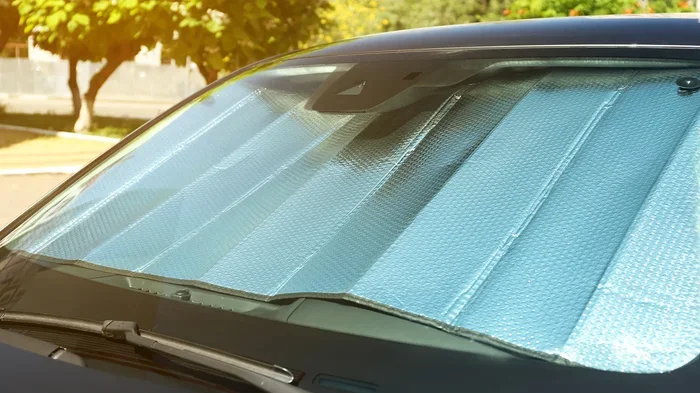
These are the most common type of car window sun protector. They fold up like an accordion and slide into a storage bag. You place them against the windshield from the inside. They are lightweight, easy to install, and work great for blocking direct sunlight through the front window.
Most foldable shades use a reflective silver coating on one side. This side faces outward to reflect sunlight. The other side is usually black or dark-colored, which helps absorb any remaining heat. These shades come in universal sizes that fit most vehicles, but you can also find custom-fit options for specific car models.
Static Cling Window Covers
Static cling protectors stick to your car windows without any adhesive. They use static electricity to hold themselves in place. This makes them reusable and easy to remove. You can reposition them anytime without leaving residue on your windows.
These covers work well on side windows and rear windows. They come in various designs, from solid colors to patterns. Some static cling protectors also offer privacy by darkening the glass from the inside. They are a great choice for people who want a clean, sleek look without bulky foldable shades.
Dashboard Covers and Pads
While window shades protect the glass and the area around it, dashboard covers protect the dashboard itself. These pads sit directly on top of your dashboard and shield it from direct sun exposure. They prevent cracking, fading, and warping of the dashboard surface.
Many dashboard covers double as organizers. They have pockets and slots for your phone, sunglasses, and other small items. This makes them both functional and practical. If you live in a very sunny climate, combining a dashboard cover with a windshield sun shade gives you complete protection.
Side Window Shades
Side windows are often overlooked when people think about sun protection. But the sun hits side windows just as intensely as the windshield. Side window shades attach to the inside of your door windows and block UV rays from reaching your passengers.
Some side shades are designed to roll down and up with the window. Others are static cling or use suction cups to stay in place. These are especially useful for families because they protect children and pets from too much sun exposure on long road trips.
How to Choose the Right Car Window Sun Protector
With so many options available, choosing the right car window sun protector can feel overwhelming. Here are the key factors to consider before you buy.
Size and Fit
The most important thing is that your sun protector fits your window properly. A shade that is too small will leave gaps where sunlight gets through. A shade that is too big will be difficult to store and may not lay flat against the glass.
Measure your windshield and side windows before shopping. Look for protectors that match those dimensions. Universal-fit shades work for most cars, but custom-fit options give you a better seal and cleaner look.
Material and Build Quality
Not all materials are created equal. Look for protectors with a double-layered design. The outer reflective layer bounces sunlight away, while the inner insulating layer traps heat. Foam padding adds extra insulation and also protects your window glass from scratches.
Avoid thin, single-layer protectors. They may look nice but do not block heat effectively. The best car window sun shades feel substantial and sturdy in your hands. They should not feel flimsy or cheaply made.
Ease of Use and Storage
A sun protector that is hard to use will end up in the trunk and forgotten. Choose one that is easy to unfold, place, and fold away. Foldable designs with a storage bag are the most convenient for daily use.
Consider how you will store the protector when not in use. Some people keep theirs behind the front seats. Others use the trunk or a door pocket. Make sure the protector folds small enough to fit in your available storage space.
UV and Heat Rejection Ratings
Check the product specifications for UV and heat rejection percentages. A good car window sun protector should block at least 95 percent of UV rays and reject a significant amount of infrared heat. Higher numbers mean better protection. Do not settle for anything less than these minimums if you want real results.
Best Practices for Using Your Car Window Sun Protector
Buying a sun protector is only half the battle. Using it correctly makes all the difference. Here are some practical tips to get the most out of your car window sun protector.
Place It Before You Leave the Car
Always put your sun protector in place before you leave the car. This might sound obvious, but many people forget until they return to a hot vehicle. Make it a habit. Every time you park, take five seconds to place the shade on the windshield and side windows.
On windy days, make sure the protector is secure. A gust of wind can blow a loose shade off the windshield. Some protectors come with suction cups or clips that help hold them in place. Use these features whenever possible.
Clean Your Protector Regularly
Dust and dirt on your sun protector reduce its effectiveness. A dirty reflective surface bounces less sunlight away. Wipe down your protector with a damp cloth every few weeks. Let it dry completely before folding it up for storage.
Do not use harsh chemicals or abrasive cleaners. These can damage the reflective coating. A gentle soap and water solution works perfectly for most protectors.
Use Multiple Protectors for Full Coverage
For maximum protection, use more than one protector. A windshield shade alone is great, but adding side window covers and a dashboard pad gives your car complete sun defense. Think of it as a sun protection system for your vehicle.
Many manufacturers sell kits that include multiple pieces. These kits often cost less than buying each protector separately. They are a great value for car owners who want full coverage.
Store Your Car in the Shade When Possible
While a car window sun protector does a great job, it works even better when combined with smart parking habits. Whenever possible, park your car in the shade. A garage is ideal, but even a covered parking spot helps. Combining shade parking with a sun protector keeps your car as cool as possible.
Common Mistakes to Avoid
Even with the best intentions, many car owners make mistakes when using sun protectors. Here are the most common ones and how to avoid them.
Using the Wrong Size
One size does not fit all when it comes to sun protectors. Using a protector that is too small for your windshield leaves gaps. Sunlight pours through those gaps and heats up your car anyway. Always check the size before you buy and measure your windows if needed.
Ignoring Side Windows
Many people only protect their windshield and forget about the side windows. But side windows get just as much sun exposure. Your passengers, especially children, are directly in the path of UV rays through side windows. A complete sun protection plan includes all windows.
Leaving the Protector on Overnight
Some protectors are not designed to stay on the window overnight. Moisture can build up between the protector and the glass, which can lead to mold or water spots. Remove your sun protector when you are not using it, especially overnight or during rainy weather.
Buying the Cheapest Option
It is tempting to grab the cheapest sun protector at the store, but this is often a mistake. Thin, low-quality protectors do not block heat or UV rays effectively. They may also tear or lose their reflective coating after a few months. Invest in a quality protector from a reputable brand. Your car and your comfort will thank you.
Expert Tips for Maximum Cooling
Want to take your car cooling strategy to the next level? Here are some expert-backed tips that work alongside your car window sun protector.
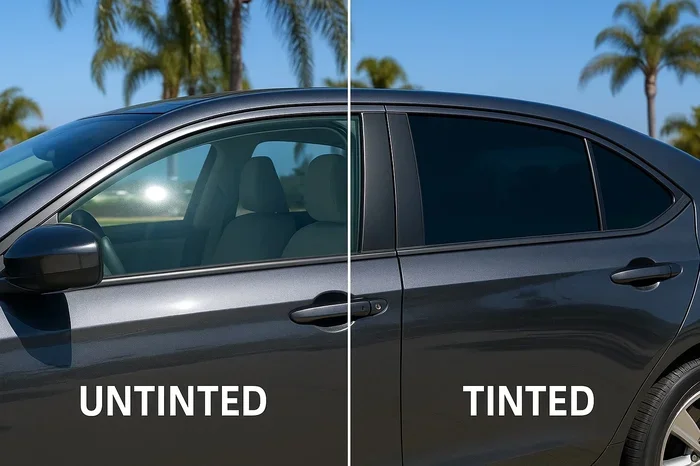
Tint your windows. Window tinting adds another layer of heat rejection. Many tint films block 90 percent or more of UV rays. Combined with a sun protector, tinted windows keep your car noticeably cooler. Just make sure your tint complies with local laws.
Use a sunshade on the rear windshield too. Rear windshields get hit by just as much sun as the front. A rear sun shade protects your rear seats and cargo area from heat buildup and UV damage.
Crack your windows slightly. When parked, leaving your windows cracked open by just one inch allows hot air to escape. This reduces the greenhouse effect inside your car. Combined with a sun protector, cracked windows can lower interior temperatures even more.
Cover your steering wheel. A steering wheel cover prevents the burning-hot grip you dread in summer. Some covers are specifically designed to resist heat and UV damage. They are a small accessory that makes a big difference in comfort.
Apply UV-protectant dashboard polish. A UV-protectant spray or polish adds an extra layer of defense for your dashboard. It fills in micro-cracks and creates a barrier against sun damage. Use it monthly for the best results.
Conclusion
A car window sun protector is one of the simplest, most affordable, and most effective tools in your car care toolkit. It keeps your car cooler, protects your interior from sun damage, and preserves your vehicle’s value over time. The tips and strategies shared in this article give you everything you need to choose, use, and maintain your sun protector like a pro.
Do not wait for summer to start protecting your car. Invest in a quality car window sun protector today and enjoy a cooler, more comfortable ride every single day. Your car interior will thank you, and your wallet will too. Start with one protector and build from there. Your future self will appreciate the effort every time you step into a cool, comfortable car after a hot day in the sun.
Frequently Asked Questions
How effective are car window sun protectors at reducing heat?
A quality car window sun protector can reduce interior temperatures by 10 to 15 degrees Fahrenheit. The exact reduction depends on the material, size, and fit of the protector. Reflective models with dual layers offer the best heat rejection results.
Can I use a car window sun protector on all types of windows?
Yes, you can use sun protectors on windshields, side windows, and rear windows. There are specific protectors designed for each window type. Windshield shades are usually foldable, while side window protectors often use static cling or suction cups for secure placement.
Do car window sun protectors damage the windows?
No, when used correctly, sun protectors do not damage windows. In fact, they protect your glass from thermal stress caused by extreme heat. Just make sure your protector has a soft backing to prevent scratches, and clean it regularly to avoid dust buildup.
How often should I replace my car window sun protector?
Most quality sun protectors last two to four years with proper care. Replace yours if you notice the reflective coating peeling, the material tearing, or a significant drop in heat-blocking performance. Regular cleaning extends the lifespan of your protector significantly.
Are car window sun protectors worth the investment?
Absolutely. A car window sun protector costs between $15 and $50 depending on the type and quality. Compare that to the cost of repairing a cracked dashboard or replacing sun-damaged leather seats. The protection and comfort benefits far outweigh the small upfront cost.
Should I use a sun protector even in winter?
Yes, UV rays are present year-round and can still damage your car interior. In winter, low-angle sun can be especially intense and directly hits your windshield for longer periods. Using a car window sun shade in winter helps protect your dashboard and seats from cumulative sun damage over time.