How Much Oil Does My Engine Take Here Is the Answer
Your engine’s oil capacity depends on its size and design. This guide explains exactly how much oil does my engine take, how to find the number, and what happens if you overfill. You will learn simple steps to check and add oil safely.
Your engine is a complex machine that relies on a precise amount of oil to run smoothly. Too little oil can cause damage, and too much oil can create its own set of problems. If you have ever wondered how much oil does my engine take, you are not alone. This guide will walk you through everything you need to know about your engine’s oil capacity, from finding the exact number to adding oil the right way. We will also cover what happens if you overfill and how to choose the correct oil type. By the end, you will feel confident about maintaining your engine’s oil level and keeping your car running strong.
Engine oil is often called the lifeblood of your vehicle. It lubricates moving parts, reduces friction, and helps regulate engine temperature. Without the right amount of oil, those parts can grind together and cause expensive damage. That is why knowing the exact capacity is so important. Whether you are a new car owner or have been driving for years, understanding your engine’s oil needs is a simple step that can save you money and headaches.
Key Takeaways
- Oil capacity varies by engine: Always check your owner’s manual or oil fill cap for the exact number.
- Overfilling can cause serious damage: Too much oil leads to pressure buildup, leaks, and even engine failure.
- Checking oil is easy: Use the dipstick on a level surface after the engine has cooled.
- Oil type matters: Use the viscosity grade recommended by your manufacturer, and confirm if synthetic oil is safe.
- Act quickly if you overfill: Drain the excess oil to protect your engine and avoid costly repairs.
- Regular oil changes keep your engine healthy: Follow the manufacturer’s interval for oil changes and filter replacements.
📑 Table of Contents
How Much Oil Does My Engine Take? Find the Exact Answer Here
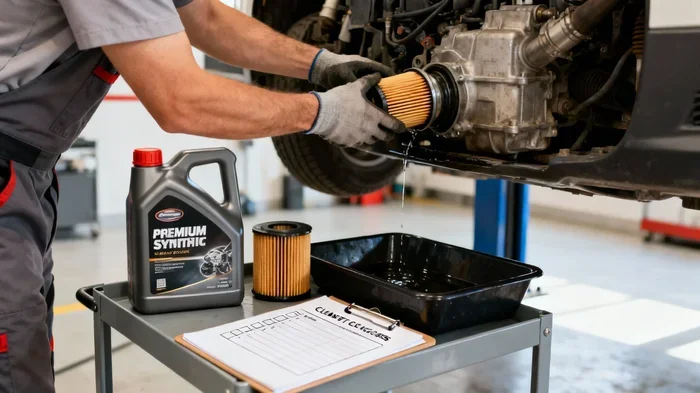
The answer to how much oil does my engine take is not a single number for all cars. Every engine is built differently. A small four-cylinder engine might need around 3.5 to 4 quarts, while a larger V6 or V8 could require 5 to 8 quarts or more. The capacity includes the oil that fills the crankcase, the oil filter, and all the internal passages. When you change your oil, you replace the old oil and the filter, so you need to add the full capacity fresh.
Knowing the exact amount helps you avoid two common mistakes. First, adding too little oil leaves parts unprotected. Second, adding too much oil can cause pressure problems. The goal is to hit the sweet spot between the minimum and maximum marks on your dipstick. This article will show you how to find that number and keep your engine in top shape.
Understanding Your Engine’s Oil Capacity
Why Oil Capacity Matters
Oil capacity is the total volume of oil your engine can hold when completely full. It is measured in quarts or liters. The capacity is carefully determined by the engineers who design the engine. They consider the size of the crankcase, the oil pump’s needs, and the volume of oil that flows through the filter and galleries.
Here are a few reasons why oil capacity is so important:
- Proper lubrication: The oil pump needs a full reservoir to maintain steady pressure.
- Heat dissipation: Oil absorbs heat from the pistons and bearings and carries it away.
- Cleaning: Oil traps contaminants and holds them until the filter catches them.
- Sealing: Oil helps seal the gaps between piston rings and cylinder walls.
If you run below the minimum level, the oil pump can suck air instead of oil. This leads to poor lubrication and overheating. If you exceed the maximum, the crankshaft can whip the oil into a froth, which reduces its ability to lubricate. Both extremes are harmful.
The Role of Oil in Your Engine
Engine oil does much more than just lubricate. It plays a role in almost every function of your engine. Clean oil flows through tiny passages to reach every bearing and moving part. It carries away metal particles and combustion byproducts. The oil also helps cool the turbocharger if your car has one. In modern engines, oil even plays a role in valve timing and variable valve lift systems.
This is why using the right oil capacity and the right type of oil is so critical. The engine is designed to hold a specific volume, and the oil pressure system is calibrated for that volume. Changing the oil type or adding the wrong amount can throw off the entire system.
How to Find Your Engine’s Oil Capacity
Check Your Owner’s Manual
The most reliable source is your owner’s manual. Open the maintenance section, and you will find a table that lists the engine oil capacity. It will tell you the capacity with and without the oil filter. For example, it might say “Oil capacity with filter: 5.2 quarts” and “Oil capacity without filter: 5.0 quarts.” This tells you exactly how much oil to add after a filter change.
If you have lost your manual, you can often find a digital copy on the manufacturer’s website. Simply enter your vehicle’s year, make, model, and engine size. The manual will give you the exact specifications, including the recommended oil viscosity.
Look at the Oil Fill Cap
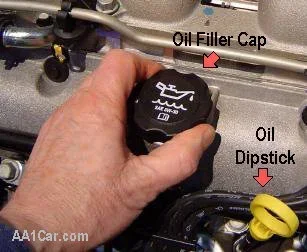
Another quick way to find the oil capacity is to look at the oil fill cap. Pop the hood and locate the cap that says “Engine Oil” or has an oil can symbol. Many caps have the capacity stamped directly on them. It might say “5W-30, 5.5 qts” or something similar. This is a fast and easy method that does not require any tools.
Make sure you are looking at the correct cap. Some vehicles have separate caps for the engine oil and the transmission fluid. The engine oil cap is usually located on top of the engine and has a bright color for easy identification.
Search Online Using Your Engine Code
If you cannot find the manual or the cap, you can search online using your engine code. The engine code is a combination of letters and numbers that identifies your specific engine. You can find it on the engine block itself or in the vehicle identification number (VIN) details. Enter the engine code into a search engine along with the words “oil capacity.” You will often find charts and forums that list the exact amount.
Many automotive websites also have searchable databases. You can enter your vehicle details and get the oil capacity, recommended oil type, and change interval. This is a great backup method that takes just a few minutes.
What Happens If You Overfill Oil
Symptoms of Too Much Oil
Overfilling your engine with oil can cause a range of problems. The symptoms can be subtle at first but become more serious over time. Here are the most common signs that you have put too much oil in your engine:
- High oil pressure: The oil gauge on your dashboard may read higher than normal.
- Oil leaks: Excess pressure can push oil past seals and gaskets, causing leaks around the engine.
- Blue or white smoke from the exhaust: This happens when oil enters the combustion chamber and burns.
- Unusual engine noises: You might hear knocking or rattling sounds as the crankshaft interacts with the excess oil.
- Foul smell: Burning oil produces a distinct, acrid smell inside or around the car.
If you notice any of these symptoms, check your oil level immediately. Do not ignore them, because continued driving with too much oil can lead to expensive repairs.
Can You Still Drive?
If you have overfilled, you might wonder can I drive my car with too much oil in it? The short answer is that it depends on how much extra oil is in there. A slight overfill of half a quart might not cause immediate damage, but it is still not recommended. If the oil level is well above the maximum mark on the dipstick, you should not drive the car. Instead, have the excess oil drained as soon as possible.
Driving with too much oil can cause the crankshaft to aerate the oil, creating a frothy mixture that cannot properly lubricate the engine bearings. This can lead to increased wear and overheating. Even a short drive can cause damage if the oil level is significantly high.
Long-Term Damage from Overfilling
In severe cases, overfilling can cause too much oil to make your car not start. This happens when the oil level is so high that the crankshaft cannot rotate freely. The oil can also get sucked into the intake system and flood the cylinders, causing a condition known as hydrolock. Hydrolock can bend connecting rods or crack the engine block, resulting in a very costly repair.
Long-term overfilling also puts extra stress on the oil seals and gaskets. Over time, these seals can deteriorate and fail, leading to persistent oil leaks. You might find oil spots on your driveway or a burning oil smell while driving. Replacing seals and gaskets can be expensive, and it is entirely preventable by simply keeping the oil level at the correct mark.
How to Check and Add Oil Properly
Step-by-Step Guide
Checking your oil level is one of the simplest maintenance tasks you can do. It takes only a few minutes and requires no special tools. Follow these steps to get an accurate reading:
- Park on a level surface: This ensures the oil settles evenly in the oil pan.
- Turn off the engine and wait a few minutes: This allows the oil to drain back into the oil pan. Checking oil right after driving can give a false high reading.
- Open the hood and locate the dipstick: The dipstick usually has a brightly colored handle.
- Pull the dipstick out and wipe it clean: Use a clean rag or paper towel to remove any oil from the stick.
- Reinsert the dipstick fully, then pull it out again: Look at the oil level on both sides of the dipstick.
- Check the marks: The dipstick will have minimum and maximum marks or crosshatched areas. The oil should fall between these lines.
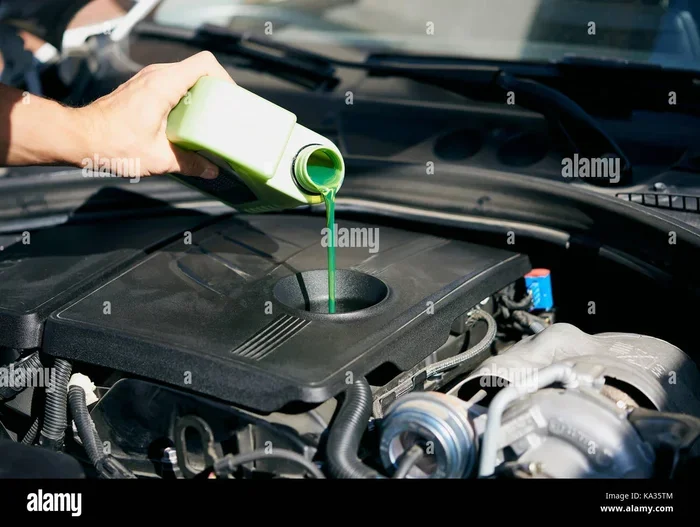
- Add oil if needed: Use a funnel to pour in small amounts of the correct oil. Check the level again after each addition.
Always use the oil type and viscosity recommended by your manufacturer. The owner’s manual will specify whether you need 5W-30, 0W-20, or another grade. Using the wrong oil can affect engine performance and longevity.
Quick Tips for Adding Oil
Here are a few practical tips to make adding oil easier and safer:
- Never add oil to a hot engine: Let the engine cool down to avoid burns and to get an accurate reading.
- Use a funnel: This prevents spills and ensures the oil goes directly into the fill hole.
- Add oil in small increments: Add about half a quart at a time, then recheck the level. It is easier to add more than to remove excess.
- Check the oil color: Fresh oil is amber or golden. Dark brown or black oil means it is time for an oil change.
- Dispose of old oil properly: Take used oil to a recycling center or auto parts store that accepts it.
Following these tips will help you maintain the correct oil level and protect your engine from damage. It is a simple habit that pays off in the long run.
Oil Type and Viscosity: Does It Matter?
Conventional vs. Synthetic Oil
When it is time to change your oil, you will have a choice between conventional, synthetic blend, and full synthetic oil. Each type has its own benefits and is designed for different engine needs.
Conventional oil is the most basic and affordable option. It works well for older engines with simpler designs. Synthetic blend oil is a mix of conventional and synthetic base oils, offering better protection at higher temperatures. Full synthetic oil provides the highest level of protection and performance, especially for modern turbocharged engines.
Before you switch, check if you can put synthetic oil in your car. Most modern engines can handle synthetic blends without any issues. However, some older vehicles with high mileage may have seal compatibility concerns. Always refer to your owner’s manual to confirm the recommended oil type. Using the wrong oil can void your warranty and lead to premature engine wear.
Viscosity Grades Explained
Viscosity refers to how thick or thin the oil is at different temperatures. You will see viscosity grades on the oil bottle, such as 5W-30 or 0W-20. The first number (with the W for winter) indicates the oil’s flow rate at low temperatures. A lower number means the oil flows more easily in cold weather. The second number indicates the oil’s thickness at operating temperature.
Choosing the right viscosity is crucial for proper lubrication. If the oil is too thick in cold weather, it will not reach the bearings quickly enough when you start the engine. If it is too thin at high temperatures, it will not maintain a strong protective film. Stick with the viscosity grade recommended by your car’s manufacturer. This information is always in the owner’s manual and on the oil fill cap.
Common Oil Capacity Questions
Many car owners have similar questions about engine oil capacity. Here are answers to a few of the most common ones:
What is the average oil capacity for a car? Most passenger cars fall between 4 and 6 quarts. Smaller four-cylinder engines are often around 3.5 to 4.5 quarts, while larger V6 and V8 engines can hold 5 to 8 quarts. Always check your specific vehicle for the exact number.
How often should I check my oil level? It is a good practice to check your oil at least once a month. You should also check it before any long road trip. Modern cars with oil life monitoring systems may not require manual checks as often, but a visual check never hurts.
Can I mix different oil brands? Yes, you can mix brands as long as they have the same viscosity grade and meet the same API specification. However, it is best to stick with one brand for consistency. If you need to top off between changes, any compatible oil will do.
What happens if I put the wrong viscosity oil? Using the wrong viscosity can lead to poor lubrication, increased engine wear, and reduced fuel efficiency. In extreme cases, it can cause engine damage. Always use the oil grade specified by your manufacturer.
Do I need to change the oil filter every time? Yes, you should always replace the oil filter when you change the oil. The filter traps contaminants and keeps the oil clean. Reusing an old filter can introduce debris into the fresh oil and reduce its effectiveness.
Conclusion
Knowing how much oil does my engine take is a fundamental part of car maintenance. It is not just about topping off a low level. It is about understanding your engine’s specific needs and meeting them consistently. From checking the owner’s manual to watching for signs of overfill, every step you take helps protect your engine and extend its life.
Remember to use the right oil type and viscosity, and never hesitate to drain excess oil if you accidentally overfill. A few simple habits can save you from costly repairs and keep your car running smoothly for years to come. Take a few minutes today to check your oil level and confirm your engine’s capacity. Your engine will thank you for it.
Frequently Asked Questions
What happens if I put too much oil in my engine?
Overfilling causes excess pressure inside the crankcase, which can lead to oil leaks, blue exhaust smoke, and foaming of the oil. In severe cases, the crankshaft may not be able to spin properly, which can cause the engine to stall or even sustain internal damage. If you suspect you have overfilled, have the excess oil drained promptly.
How do I know the exact oil capacity for my car?
The most reliable way is to check your owner’s manual or the oil fill cap under the hood. Both sources list the capacity in quarts or liters. You can also search online using your engine code or VIN to find the exact specification for your vehicle.
Can I drive my car with too much oil in it?
Driving with a slight overfill of half a quart may not cause immediate harm, but it is not recommended. A significant overfill can cause oil aeration, poor lubrication, and overheating. If the level is well above the maximum mark on the dipstick, do not drive the car and have the excess oil removed.
How often should I check my engine oil level?
You should check your oil level at least once a month and before any long trips. Modern cars with oil life monitors may extend the interval, but a manual check takes only a few minutes and helps you catch low oil or overfill situations early.
What type of oil should I use in my engine?
Always use the oil viscosity and type recommended by your car’s manufacturer. This information is found in the owner’s manual and on the oil fill cap. If you are considering synthetic oil, confirm that your engine is compatible with it before making the switch.
Does the oil filter count toward the total oil capacity?
Yes, the oil filter holds a small amount of oil, and the total capacity listed in your manual usually includes the oil in the filter. When you change the oil, you should also replace the filter to ensure clean oil circulates through the engine.