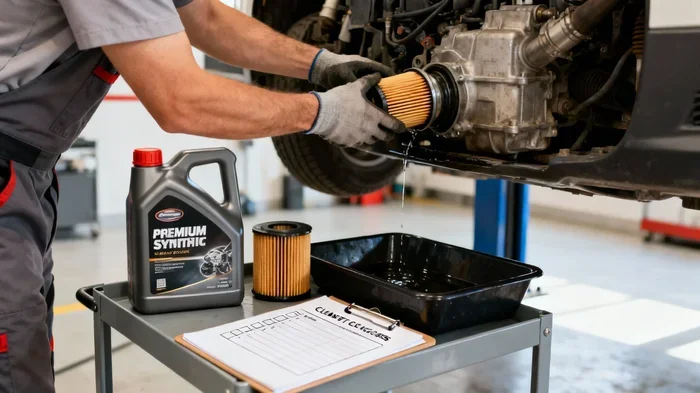
How Long Does Fully Synthetic Oil Last in Your Car
Fully synthetic oil typically lasts between 7,500 and 15,000 miles depending on your vehicle, driving habits, and oil brand. Unlike conventional oil, synthetic oil resists breakdown better and offers superior engine protection. Most modern cars can go longer between oil changes when using high-quality synthetic lubricants. Always check your owner’s manual and watch for warning signs that your oil needs replacing.
Every car owner wants to know the answer to one simple question: how long does fully synthetic oil last? The truth is, it depends on several factors. Your driving style, your vehicle type, and the quality of the oil all play a role. But one thing is certain. Fully synthetic oil gives your engine better protection than conventional options. It also lasts significantly longer between changes.
In this guide, we will walk you through everything you need to know about synthetic oil life. We will cover how long it lasts, what affects its durability, and when you should schedule an oil change. Whether you drive a daily commuter or a high-performance vehicle, this article has you covered.
Let us start with the basics. Fully synthetic oil is engineered in a lab rather than refined from crude petroleum. This means engineers can design it to perform better under stress. It resists thermal breakdown. It flows smoothly in cold weather. And it protects your engine components for a longer period. But how long exactly? Let us dive in.
Key Takeaways
- Longer Intervals: Fully synthetic oil can last 7,500 to 15,000 miles between changes, far exceeding conventional oil.
- Better Protection: Synthetic oil maintains its viscosity and protective properties longer under extreme temperatures.
- Check Your Manual: Always refer to your vehicle’s owner manual for the manufacturer’s recommended oil change schedule.
- Driving Conditions Matter: Severe driving conditions like towing or extreme heat can shorten synthetic oil life.
- Oil Life Monitors Help: Modern vehicles have systems that track oil condition and remind you when it’s time to change.
- Quality Brands Matter: Premium synthetic oils often contain advanced additives that extend performance and protection.
📑 Table of Contents
- How Long Does Fully Synthetic Oil Last?
- Factors That Affect Synthetic Oil Life
- Can You Go Too Long on Synthetic Oil?
- How to Choose the Right Synthetic Oil for Your Car
- Signs It Is Time to Change Your Synthetic Oil
- How Often Should You Change Synthetic Oil? A Mileage Guide
- Expert Tips to Maximize Synthetic Oil Life
- Common Mistakes People Make With Synthetic Oil
- Final Thoughts
How Long Does Fully Synthetic Oil Last?
The standard answer is between 7,500 and 15,000 miles. Some manufacturers even claim up to 20,000 miles under ideal conditions. However, these numbers are not one-size-fits-all. Your actual mileage will vary based on several factors we will explore below.
For comparison, conventional oil typically needs a change every 3,000 to 5,000 miles. That is a big difference. Synthetic oil simply holds up better over time. Its molecular structure is more uniform, which means it breaks down slower. This gives you more miles between service appointments.
Here is a quick look at how the two compare:
- Fully Synthetic Oil: 7,500 to 15,000 miles per change
- Synthetic Blend Oil: 5,000 to 7,500 miles per change
- Conventional Oil: 3,000 to 5,000 miles per change
These numbers assume normal driving conditions. If you push your car hard, the intervals may shrink. More on that later.
Why Synthetic Oil Outlasts Conventional Oil
To understand why synthetic oil lasts longer, you need to know what makes it different. Synthetic motor oil is made from chemically modified compounds. These compounds are designed to resist oxidation and thermal breakdown. Oxidation is what causes oil to degrade over time. Heat accelerates this process.
Conventional oil comes from crude petroleum. It contains impurities that make it less stable. These impurities break down faster under heat and pressure. That is why you need to change conventional oil more often. Synthetic oil, on the other hand, is purified and engineered for stability.
The additives in synthetic oil also play a big role. Anti-wear agents, detergents, and dispersants help keep your engine clean. They neutralize acids and prevent sludge buildup. Over time, these additives get used up. That is one reason why even synthetic oil eventually needs to be replaced.
How to Tell If Your Synthetic Oil Is Still Good
You do not need to guess whether your oil is still effective. There are clear signs to watch for. Most modern vehicles come with an oil life monitor system. This system tracks your driving patterns and tells you when it is time for a change. Pay attention to it.
You can also check the oil yourself. Pull out the dipstick and look at the color. Fresh synthetic oil is amber and clear. If it looks dark brown or black, it is time for a change. Feel the oil between your fingers. If it feels gritty or thick, the additives are breaking down.
Another sign is a change in oil pressure. If your dashboard warning light comes on, do not ignore it. Low oil pressure can mean your oil has degraded or your oil filter is clogged. Either way, it needs attention right away.
If you are unsure about your oil level, you can learn more about how to tell if your car is low on oil in our detailed guide.
Factors That Affect Synthetic Oil Life
Not all driving is the same. Your lifestyle and environment have a direct impact on how long your oil lasts. Let us break down the key factors.
Driving Conditions
Do you drive in stop-and-go traffic every day? Or do you cruise on open highways? Your driving conditions matter a lot. Short trips are actually harder on oil than long highway drives. When you drive less than ten miles at a time, the engine never reaches full operating temperature. Moisture and fuel can contaminate the oil faster.
On the other hand, highway driving keeps the engine at a steady temperature. This helps the oil flow properly and burn off contaminants. If your daily commute is mostly highway driving, your synthetic oil will likely last closer to the upper end of the recommended interval.
Temperature and Climate
Extreme heat is the enemy of oil. High temperatures accelerate oxidation. They also cause the oil to thin out faster. If you live in a hot climate, your synthetic oil may degrade more quickly than expected. Cold weather is less damaging but still a factor. Very cold temperatures can cause oil to thicken, which puts extra stress on the engine during startup.
Ideally, you want to operate your vehicle in moderate temperatures when possible. If you live somewhere with extreme heat or cold, consider shortening your oil change interval slightly.
Towing and Heavy Loads
Do you tow a trailer or carry heavy cargo? This puts extra strain on your engine and your oil. The higher operating temperatures break down the oil faster. If you regularly tow or haul heavy loads, you should change your synthetic oil more frequently. A good rule of thumb is to reduce your interval by about 20 to 25 percent.
Vehicle Age and Condition
Older engines tend to produce more contaminants. They may also burn oil at a higher rate. If your vehicle has high mileage, the oil may not last as long as it would in a newer car. This is especially true for vehicles with over 100,000 miles on the odometer. Keep an eye on your oil level and condition more frequently as your car ages.
Can You Go Too Long on Synthetic Oil?
This is a question many car owners ask. The short answer is yes, you can go too long. Even the best synthetic oil has a limited lifespan. Over time, the additives wear out. The oil loses its ability to lubricate and protect engine components. Going too long between changes can lead to increased engine wear.
Some people believe that synthetic oil can last forever. This is a myth. The oil may still look clean on the dipstick, but its protective properties have weakened. Think of it like sunscreen. It still looks like sunscreen on your skin, but it is no longer protecting you after a few hours in the sun.
Most manufacturers recommend a maximum interval of about 10,000 to 15,000 miles for fully synthetic oil. Going beyond that puts your engine at risk. The cost of an oil change is tiny compared to the cost of engine repairs.
If you are curious about whether you can go two full years without changing your oil, we have covered that topic in our article can you go 2 years without changing oil. It is a great read for anyone trying to stretch their oil change intervals.
How to Choose the Right Synthetic Oil for Your Car
Not all synthetic oils are created equal. Choosing the right one can make a big difference in engine performance and longevity. Here is what you need to know.
Check Your Owner’s Manual
Your vehicle’s manufacturer knows what is best for your engine. The owner’s manual will specify the recommended oil viscosity and type. Look for specifications like API SN or SP ratings. These are industry standards that guarantee the oil meets certain performance criteria.
If your manual says to use 5W-30 full synthetic oil, stick with that. Using a different viscosity can affect engine performance and fuel economy. Some people think thicker oil is always better. That is not true. Using the wrong viscosity can actually cause more harm than good.
Brand Quality Matters
Premium synthetic oils often come with better additive packages. Brands like Mobil 1, Castrol Edge, and Shell Rotella are well-regarded in the industry. They invest heavily in research and development. Their oils are tested under extreme conditions to ensure reliability.
You do not always need the most expensive option. But choosing a reputable brand gives you peace of mind. The oil will perform as promised and last the advertised mileage.
Can You Put Synthetic Oil in Any Car?
A common question we hear is whether synthetic oil is safe for older vehicles. The answer is yes. Modern synthetic oils are safe for all engine types. If you have been using conventional oil and want to switch, go ahead. Just make sure the viscosity matches your manufacturer’s recommendation.
For more information on this topic, check out our guide on can I put synthetic oil in my car. It covers everything you need to know about making the switch.
Signs It Is Time to Change Your Synthetic Oil
Even with a reliable oil life monitor, it helps to know the physical signs of oil degradation. Here are the most common indicators that your synthetic oil needs to be replaced:
- Dark or Dirty Oil: Fresh synthetic oil is amber-colored. If it looks very dark on the dipstick, it has collected contaminants.
- Burnt Smell: If you smell something burnt coming from the engine bay, the oil may have degraded from excessive heat.
- Reduced Fuel Economy: Old oil creates more friction inside the engine. This forces the engine to work harder and use more fuel.
- Engine Noise: Clean oil lubricates engine parts smoothly. If you hear more knocking or ticking sounds, the oil may not be protecting your engine properly anymore.
- Check Engine Light: In some cases, degraded oil triggers the check engine light. Do not ignore this warning.
- Oil Pressure Warning: Low oil pressure means the oil is too thin or too low. This requires immediate attention.
Do not wait until you see all of these signs. By then, it may already be too late. Change your oil at the first sign of trouble.
How Often Should You Change Synthetic Oil? A Mileage Guide
Here is a practical guide based on common driving scenarios. These intervals assume you are using high-quality fully synthetic oil.
- Normal Driving (Highway, Moderate Climate): Every 10,000 to 15,000 miles
- Moderate Driving (Mixed City and Highway): Every 7,500 to 10,000 miles
- Severe Driving (Stop-and-Go, Hot Climate, Towing): Every 5,000 to 7,500 miles
- High-Mileage Vehicles (Over 100,000 Miles): Every 5,000 to 7,500 miles
If you are unsure about what counts as severe driving, here are some examples:
- Frequent short trips under five miles
- Driving in extreme heat or cold
- Towing a trailer or carrying heavy loads
- Driving on dusty or gravel roads
- Frequent idling in traffic
If any of these apply to you, stick closer to the shorter end of the interval range. It is always better to change your oil a little early than to risk engine damage.
Some drivers wonder if they can push the mileage further. For example, can you go 7,000 miles on synthetic oil? In most cases, yes. That falls well within the normal range for most vehicles. But pushing beyond 15,000 miles is risky and not recommended by most manufacturers.
Expert Tips to Maximize Synthetic Oil Life
Want to get the most out of your synthetic oil? Follow these practical tips from automotive experts:
- Change Your Oil Filter Regularly: Always replace the oil filter with every oil change. A clogged filter reduces oil flow and shortens oil life.
- Warm Up Your Engine: Let your car idle for 30 seconds to a minute before driving. This allows the oil to circulate and lubricate all engine parts.
- Avoid Aggressive Driving: Hard acceleration and sudden braking generate extra heat. This speeds up oil degradation.
- Check Oil Levels Monthly: Get into the habit of checking your oil level once a month. This helps you catch leaks or burning issues early.
- Follow the Manufacturer’s Schedule: Your vehicle’s manual is the ultimate guide. It is designed specifically for your engine. Follow it closely.
- Keep a Maintenance Log: Write down every oil change date and mileage. This helps you stay on track and maintain your vehicle’s resale value.
These small habits add up over time. They keep your engine running smoothly and extend the life of your vehicle.
Common Mistakes People Make With Synthetic Oil
Even with the best intentions, car owners sometimes make mistakes when it comes to oil changes. Here are the most common ones to avoid:
Myth: Synthetic Oil Causes Leaks
Some people believe that synthetic oil is thinner and causes leaks in older engines. This is not true. Synthetic oil has the same viscosity as conventional oil in the same grade. It will not cause new leaks. If your car already has leaks, synthetic oil may seep through them more easily because it flows smoother, but it does not create leaks.
Myth: You Do Not Need to Change Synthetic Oil
Just because synthetic oil lasts longer does not mean it never needs changing. All oil degrades over time. Additives get used up. Contaminants build up. Skipping oil changes entirely will lead to engine damage.
Myth: You Can Mix Any Oil Types Freely
While topping off with a different oil brand occasionally is fine, you should not mix synthetic and conventional oil regularly. They have different additive packages. Mixing them can reduce the overall performance of the oil.
Final Thoughts
So how long does fully synthetic oil last? The answer is clear. With proper care and regular monitoring, fully synthetic oil can protect your engine for 7,500 to 15,000 miles. That is a significant improvement over conventional oil. It saves you time, money, and trips to the mechanic.
Remember to always check your owner’s manual for the manufacturer’s specific recommendations. Pay attention to your oil life monitor. And watch for the warning signs we discussed. Taking care of your oil is one of the simplest and most effective ways to protect your engine.
Your car is a big investment. Treating it right with quality synthetic oil and regular maintenance pays off in the long run. You will enjoy better engine performance, improved fuel economy, and fewer unexpected repairs. Keep your oil fresh, keep your engine happy, and keep driving with confidence.
Frequently Asked Questions
How many miles can fully synthetic oil last?
Fully synthetic oil typically lasts between 7,500 and 15,000 miles. Some manufacturers claim up to 20,000 miles under ideal conditions. Always check your owner’s manual for the specific recommendation for your vehicle.
Is synthetic oil better than conventional oil?
Yes, synthetic oil is superior in almost every way. It resists thermal breakdown better, flows more smoothly in cold weather, and lasts significantly longer between changes. It also provides better engine protection overall.
Can I switch from conventional oil to synthetic oil?
Absolutely. You can switch from conventional oil to synthetic oil at any time. There is no risk of damage. In fact, many drivers notice improved engine performance and smoother operation after making the switch.
What happens if you go too long without changing synthetic oil?
Going too long without an oil change causes the additives to wear out. The oil loses its ability to lubricate and protect engine components. This leads to increased friction, heat buildup, and eventually, engine wear or damage.
Does synthetic oil last longer in newer cars?
Newer cars with well-maintained engines tend to get the full benefit of synthetic oil’s longevity. Older engines with more wear may consume oil faster and produce more contaminants, which can shorten the effective oil life.
How often should I check my synthetic oil level?
Check your synthetic oil level at least once a month. This simple habit helps you catch leaks, monitor oil consumption, and ensure your engine always has proper lubrication. It only takes a few minutes and can save you from costly repairs.