How Much Oil Does a 1 8 Take for Best Engine Performance
Knowing how much oil does a 1 8 take is essential for every car owner. A 1.8 liter engine typically holds between 3.7 and 4.5 quarts of oil, depending on your vehicle model and whether you are replacing the filter too. Using the wrong amount can lead to poor engine performance, increased wear, or even serious damage over time.
If you own a car with a 1.8 liter engine, you have probably wondered about the right amount of oil to use. Getting this detail correct is one of the simplest yet most important things you can do for your vehicle. How much oil does a 1 8 take is a question that comes up often among new car owners and DIY mechanics alike.
The answer is not always straightforward. Different makes and models have different oil capacities. Some 1.8 liter engines take just under 4 quarts, while others need closer to 4.5 quarts when you include the oil filter change. Getting this right matters because too little oil means poor lubrication, and too much oil can cause serious problems like foaming and pressure buildup.
In this guide, we will walk you through everything you need to know. We will cover the standard oil capacity for 1.8 liter engines, the best oil types to use, how to perform a safe oil change, and common mistakes to avoid. By the end, you will feel confident about maintaining your engine the right way. Let us dive in.
Key Takeaways
- Standard Capacity: Most 1.8 liter engines take between 3.7 and 4.5 quarts of oil, but always check your owner manual for the exact figure.
- Oil Type Matters: Choosing between synthetic and conventional oil affects both performance and how often you need to change it.
- Overfilling Is Dangerous: Too much oil can cause foaming, leaks, and even engine failure. Can too much oil make your car not start?
- Always Replace the Filter: Changing your oil filter along with the oil ensures clean circulation and extends engine life.
- Check Regularly: Monitoring your oil level with the dipstick helps you catch leaks or consumption issues early.
- Follow Manufacturer Specs: Stick to the viscosity and capacity recommended by your car maker for best results.
📑 Table of Contents
- Understanding Your 1.8 Liter Engine Oil Capacity
- Best Oil Types for a 1.8 Engine
- Step-by-Step Guide to Changing Oil in a 1.8 Engine
- Common Mistakes When Adding Oil to a 1.8 Engine
- How Often Should You Change Oil in a 1.8 Engine?
- Expert Tips for Maintaining Optimal Oil Levels
- Key Takeaways
- Conclusion
Understanding Your 1.8 Liter Engine Oil Capacity
The oil capacity of a 1.8 liter engine refers to the total volume of oil the crankcase can hold. This includes both the oil that sits in the pan and the oil that circulates through the engine passages, galleries, and filter housing. How much oil does a 1 8 take depends on several factors, including the engine design, whether the filter is being replaced, and the specific vehicle model.
Why Oil Capacity Varies Between Models
Even though two engines may both be labeled as 1.8 liters, they can have slightly different oil capacities. Here is why:
- Engine Design: Some 1.8 engines have deeper oil pans than others. A deeper pan holds more oil, which changes the total capacity.
- Filter Type: Cartridge-style filters often sit inside the engine and hold a small amount of oil. Screw-on filters hold less. This affects how much oil you need to add after a change.
- Engine Modifications: Performance upgrades or aftermarket parts can change the internal volume of the engine.
- Climate and Usage: Engines used in extreme heat or heavy towing may require slightly different oil volumes for optimal performance.
Typical Oil Capacity for Common 1.8L Engines
Here is a general breakdown of what you can expect from popular 1.8 liter engines found in common vehicles:
- Toyota 1.8L engines: Usually around 4.0 to 4.2 quarts with filter replacement.
- Honda 1.8L engines: Typically around 3.7 to 3.9 quarts with filter replacement.
- Volkswagen 1.8T engines: Often around 4.3 to 4.5 quarts with filter replacement.
- Ford 1.8L engines: Generally around 3.8 to 4.0 quarts with filter replacement.
Always double-check your owner manual or the manufacturer website for the exact number. Guessing can lead to overfilling or underfilling, both of which are bad news for your engine.
Best Oil Types for a 1.8 Engine
Choosing the right oil type is just as important as getting the correct volume. The wrong oil can reduce engine life, void your warranty, and hurt overall performance. When you are figuring out how much oil does a 1 8 take, you also need to know which oil is best for your engine.
Synthetic vs Conventional Oil
Most modern 1.8 liter engines perform best with full synthetic oil. Here is a quick comparison:
- Synthetic Oil: Offers superior thermal stability, better flow in cold weather, and longer change intervals. It is the top choice for most 1.8 engines today.
- Conventional Oil: A more budget-friendly option that works well for older engines or vehicles with simpler designs. It requires more frequent changes.
- Synthetic Blend: A mix of synthetic and conventional oil. It offers some benefits of full synthetic at a lower price point.
Viscosity Ratings Explained
Viscosity refers to how thick or thin your oil is at different temperatures. The most common viscosity ratings for 1.8 liter engines include 5W-30 and 5W-20. Always follow what your owner manual recommends. If you are unsure, check whether 5W-20 can be used instead of 5W-30 for your specific model.
Step-by-Step Guide to Changing Oil in a 1.8 Engine
Changing the oil in a 1.8 liter engine is a straightforward process if you follow the right steps. Whether you are a beginner or a seasoned DIYer, this guide will help you do the job safely and correctly.
Step 1: Gather Your Supplies
Before you start, make sure you have everything you need:
- The correct amount of oil (check your owner manual for the exact capacity)
- A new oil filter
- A socket wrench and the correct size socket
- An oil drain pan
- A funnel
- Jack and jack stands or ramps (if needed)
- Gloves and safety glasses
Step 2: Warm Up the Engine
Start your engine and let it run for about 3 to 5 minutes. Warm oil flows more easily and drains better. Then turn off the engine and wait a minute or two for the oil to settle.
Step 3: Drain the Old Oil
Locate the oil drain plug underneath the engine. Place your drain pan beneath it. Use the socket wrench to loosen the plug carefully. Let the old oil drain completely into the pan. This usually takes about 10 to 15 minutes.
Step 4: Replace the Oil Filter
While the oil is draining, remove the old oil filter. Before installing the new one, lightly coat the rubber gasket with a little fresh oil. Screw the new filter on by hand until it is snug, then tighten it a quarter turn more. Do not overtighten.
Step 5: Add New Oil
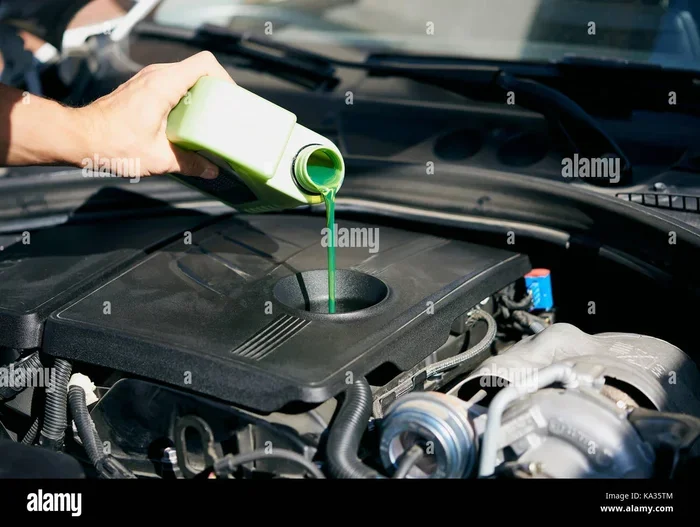
Locate the oil fill cap on top of the engine. Remove it and insert a funnel. Pour in the new oil slowly. Start with about 3.5 quarts and then check the level with the dipstick. Add more oil gradually until the level sits between the minimum and maximum marks on the dipstick.
Step 6: Check for Leaks and Reset the Oil Monitor
Start the engine and let it run for a minute. Check underneath for any leaks around the drain plug and filter. Turn off the engine and wait a few minutes for the oil to settle. Check the dipstick again and top off if needed. Finally, reset your oil change reminder if your vehicle has one.
Common Mistakes When Adding Oil to a 1.8 Engine
Even experienced car owners sometimes make mistakes when adding oil. Here are the most common ones and how to avoid them.
Overfilling the Engine
Adding too much oil is one of the most common errors. When the oil level exceeds the maximum mark on the dipstick, the crankshaft can whip the oil into a foam. Foamed oil loses its lubricating ability and can cause serious engine damage. If you accidentally overfill, drain the excess oil immediately. Driving with too much oil can cause real problems.
Underfilling the Engine
Not adding enough oil is just as dangerous. Low oil levels mean the engine components are not getting proper lubrication. This leads to increased friction, overheating, and eventually costly repairs. Always check the dipstick after every oil change to confirm the level is correct.
Using the Wrong Oil Type
Using an oil with the wrong viscosity or formulation can reduce engine efficiency and accelerate wear. Always use the oil type and weight recommended by your vehicle manufacturer. When in doubt, consult a trusted mechanic or refer to your owner manual.
Forgetting to Replace the Oil Filter
Skipping the oil filter change is a mistake that many people make. The old filter contains contaminants from the previous oil cycle. A clogged or old filter cannot properly clean the new oil, which reduces its effectiveness and can shorten the time between needed oil changes.
How Often Should You Change Oil in a 1.8 Engine?
The frequency of your oil changes depends on the type of oil you use and how you drive your vehicle. Most manufacturers recommend changing oil every 5,000 to 7,500 miles for conventional oil and every 7,500 to 10,000 miles for synthetic oil. However, these are general guidelines.
If you drive in severe conditions such as extreme heat, cold, stop-and-go traffic, or tow heavy loads, you should change your oil more frequently. Short trips under 10 miles also cause oil to break down faster because the engine does not reach full operating temperature.
Pay attention to signs that your oil needs changing. These include a dark or gritty appearance on the dipstick, engine noise that sounds louder than usual, and an oil pressure warning light on your dashboard. Regular oil changes are one of the simplest and most cost-effective ways to keep your engine healthy for years.
Expert Tips for Maintaining Optimal Oil Levels
Keeping your 1.8 liter engine in top shape goes beyond just changing the oil. Here are some expert tips that make a real difference.
- Check your oil monthly: Get into the habit of checking your oil level once a month. It only takes a couple of minutes and can catch problems early.
- Use the right funnel: A narrow funnel prevents spills and makes it easier to pour oil precisely into the fill hole.
- Dispose of old oil properly: Take your used oil to a recycling center or auto parts store. Never pour it down the drain or onto the ground.
- Keep records: Write down the date and mileage of each oil change. This helps you stay on track and can be useful if you ever sell the vehicle.
- Watch for oil consumption: Some 1.8 engines burn a small amount of oil between changes. If you find yourself adding oil frequently, have a mechanic inspect for leaks or piston ring issues.
Following these tips will help you get the most out of your engine. Proper oil maintenance is one of the best investments you can make in your vehicle’s long-term health and performance.
Key Takeaways
- Correct Capacity Is Critical: Most 1.8 liter engines take between 3.7 and 4.5 quarts of oil. Always verify with your owner manual.
- Synthetic Oil Is Best: Full synthetic oil provides the best protection and longest change intervals for 1.8 engines.
- Avoid Overfilling: Too much oil causes foaming, pressure issues, and potential engine damage.
- Change the Filter Too: Always replace the oil filter when you change the oil for clean circulation.
- Check Regularly: Monthly dipstick checks help you catch low oil levels or leaks before they become expensive problems.
- Follow Manufacturer Guidelines: Stick to the recommended oil type, viscosity, and change interval for your specific vehicle.
Conclusion
Knowing how much oil does a 1 8 take is one of the most fundamental pieces of knowledge every car owner should have. It is not just about pouring oil into an engine. It is about understanding your vehicle, protecting your investment, and ensuring safe, reliable performance mile after mile.
We have covered the typical oil capacity for 1.8 liter engines, the best oil types to use, a step-by-step oil change guide, common mistakes to avoid, and expert maintenance tips. With this information, you are well equipped to handle your next oil change with confidence.
Remember, your engine is the heart of your vehicle. Treating it right with the proper oil amount and type will pay off in reliability, efficiency, and longevity. Take a few extra minutes to double-check your oil level, use the right products, and stay consistent with your maintenance schedule. Your engine will thank you for it.
Whether you are a first-time car owner or a seasoned driver, never underestimate the power of proper oil maintenance. It is simple, affordable, and absolutely essential. Start today and enjoy the peace of mind that comes with knowing your engine is running at its best.
Frequently Asked Questions
How much oil does a 1.8 engine take with filter change?
Most 1.8 liter engines take between 3.7 and 4.5 quarts of oil when you include an oil filter replacement. Always check your owner manual for the exact capacity of your specific vehicle model.
Can I use 5W-30 oil in a 1.8 engine that calls for 5W-20?
It is best to use the viscosity recommended by your manufacturer. Using 5W-30 in an engine designed for 5W-20 may slightly reduce fuel efficiency and performance. Check your owner manual or consult a mechanic for guidance.
What happens if I put too much oil in my 1.8 engine?
Overfilling causes the oil to foam, which reduces its ability to lubricate properly. It can also increase crankcase pressure and lead to oil leaks or damage to engine components. If you overfill, drain the excess oil immediately.
How do I check my oil level after adding oil?
Wait a few minutes after adding oil for it to settle. Pull the dipstick out, wipe it clean, reinsert it fully, then pull it out again. The oil level should fall between the minimum and maximum marks on the dipstick.
How often should I change the oil in my 1.8 liter engine?
For synthetic oil, most 1.8 engines need an oil change every 7,500 to 10,000 miles. For conventional oil, the interval is typically 5,000 to 7,500 miles. Driving conditions and habits may require more frequent changes.
Is it okay to mix synthetic and conventional oil?
While it is not harmful in an emergency, mixing oils is not ideal. Synthetic and conventional oils have different formulations and do not blend perfectly. Stick to one type for best results and consistent engine protection.