Can a Head Gasket Problem Cause Your Car to Overheat
A failing head gasket is one of the most common reasons a car overheats. When the head gasket seal breaks, coolant escapes into the combustion chamber or oil passages, causing engine overheating and serious damage. Watch for white smoke, coolant loss, and rising temperature gauges as early overheating symptoms. Catching a head gasket problem early can save you from expensive engine repair and keep your vehicle running safely.
Most drivers never give a second thought to their head gasket until something goes seriously wrong. This small, flat piece of material sits between your engine block and cylinder head, doing a job that is absolutely critical to how your car runs. When it works, you never notice it. When it fails, your entire engine can be in trouble.
The head gasket creates a head gasket seal that keeps coolant, oil, and combustion gases where they belong. Without that seal, your cooling system cannot do its job properly. The result? Engine overheating that can lead to warped cylinder heads, cracked engine blocks, and thousands of dollars in repairs. Understanding how a head gasket problem causes your car to overheat is the first step toward protecting your vehicle and your wallet.
Key Takeaways
- Head gasket failure directly causes overheating: A blown seal lets coolant escape, leading to dangerous temperature spikes.
- Early detection saves money: Recognizing symptoms like white smoke and coolant loss early prevents costly engine damage.
- Multiple causes contribute to head gasket failure: Overheating, age, poor maintenance, and engine misfires all play a role.
- Diagnosis is straightforward: Simple tests like compression tests and coolant pressure checks can confirm a head gasket problem.
- Repair costs vary widely: Depending on severity, fixes range from sealant repairs to full gasket replacement.
- Prevention is possible: Regular coolant checks and timely cooling system maintenance can extend head gasket life significantly.
📑 Table of Contents
- What Does a Head Gasket Actually Do?
- How a Head Gasket Problem Leads to Engine Overheating
- Warning Signs That Your Head Gasket Is Failing
- Common Causes of Head Gasket Failure
- How to Diagnose a Head Gasket Problem
- Repair Options and Prevention Tips
- Can You Drive with a Blown Head Gasket?
- Final Thoughts on Head Gasket Problems and Overheating
What Does a Head Gasket Actually Do?
Your head gasket might be small, but its role is enormous. It sits right between the engine block and the cylinder head, forming a tight barrier. This barrier does three essential jobs at the same time.
First, it keeps coolant flowing through the cooling system without leaking into areas where it should not be. Second, it seals oil passages so your engine parts stay properly lubricated. Third, it contains combustion gases inside the cylinders where fuel burns to create power.
The Three Layers of Protection
Think of your head gasket as a security guard for your engine. It makes sure three different systems stay completely separate:
- Coolant system: Keeps your engine at the right operating temperature
- Oil system: Lubricates moving parts to reduce friction and wear
- Combustion chamber: Contains the explosive force that powers your engine
When the head gasket seal holds strong, all three systems work together perfectly. Your engine runs smooth, stays cool, and produces power efficiently. But when that seal breaks, everything falls apart quickly.
How a Head Gasket Problem Leads to Engine Overheating
A blown head gasket causes overheating through several different paths. Each path disrupts your cooling system in a way that lets engine temperatures climb dangerously high. Here is exactly how it happens.
Coolant Leaks Into the Combustion Chamber
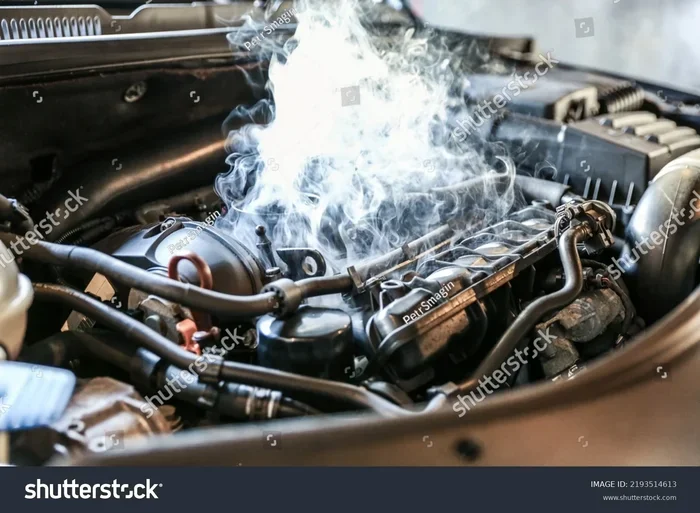
When the head gasket fails between a coolant passage and the combustion chamber, coolant escapes into the cylinder. This coolant then burns along with the fuel and air mixture. You will often see white smoke coming from your exhaust as a result. The loss of coolant means less fluid is available to absorb heat from the engine, causing temperatures to rise fast.
Coolant Leaks Into the Oil Passages
Another common failure point happens when coolant seeps into the oil galleries. This creates a dangerous mixture of oil and coolant that cannot cool your engine properly. The oil contamination reduces the cooling efficiency of both fluids. Your engine starts running hotter than it should, and the cooling fan and radiator struggle to keep up.
Loss of Combustion Chamber Pressure
A failed head gasket seal also lets combustion gases escape into the cooling system. These combustion gases create pressure inside the coolant passages. This pressure can push coolant out through the overflow hose and reservoir. As coolant levels drop, the engine loses its ability to regulate temperature, and overheating begins.
Reduced Coolant Flow and Circulation
Internal leaks caused by a bad head gasket reduce the total volume of coolant in the system. Even small leaks add up over time. Less coolant means less heat absorption, which means your engine temperature climbs steadily. The thermostat and water pump cannot compensate for the lost fluid, and overheating becomes inevitable.
Warning Signs That Your Head Gasket Is Failing
Catching a head gasket problem early can save you from a full engine rebuild. Your car gives you plenty of warning signs before a complete failure. Here are the most common overheating symptoms to watch for.
White Smoke From the Exhaust
Thick white smoke, especially when it smells sweet like coolant, is one of the biggest red flags. This happens when coolant burns inside the combustion chamber. If you see this smoke consistently, do not ignore it. A coolant leak into the cylinders is a classic sign of head gasket failure.
Rising Temperature Gauge
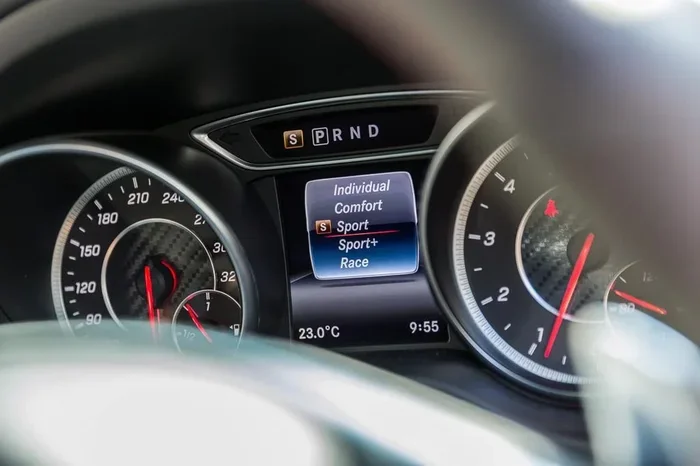
Your temperature gauge should sit in the normal range while driving. If it starts climbing into the red zone frequently, your cooling system is not working correctly. A blown head gasket often causes unexplained temperature spikes that come and go.
Coolant Loss Without Visible Leaks
Finding yourself topping off coolant more often than usual is a major warning sign. When coolant disappears without any puddles under your car, it is likely going somewhere internally. Internal leaks caused by head gasket failure are sneaky because they are not always easy to spot.
Bubbles in the Radiator or Coolant Reservoir
Combustion gases escaping into the cooling system create visible bubbles in your coolant. If you open your radiator cap (only when the engine is cool!) and see constant bubbling, combustion gases are leaking into your coolant. This is a strong indicator of head gasket failure.
Milky Residue on the Oil Cap or Dipstick
When coolant mixes with engine oil, it creates a milky, frothy substance. Check under your oil cap or on your dipstick for this telltale sign. Oil contamination from a leaking head gasket is harmful to engine bearings and internal components.
Rough Idle and Engine Misfires
A compromised head gasket seal can let compression escape from one or more cylinders. This leads to a rough idle, hesitation when accelerating, or misfires. If you notice these issues along with any overheating symptoms, a head gasket problem is very likely the cause.
Overheating Car After Normal Driving
Sometimes your car overheats only under heavy load, such as when climbing a hill or towing. A failing head gasket may not cause problems at low speeds but struggles when the engine works harder. If your overheating car behaves inconsistently, a head gasket issue could be the culprit.
| Symptom | Likely Cause | Severity |
|---|---|---|
| White exhaust smoke | Coolant entering combustion chamber | High |
| Rising temperature gauge | Coolant loss or internal leak | High |
| Coolant disappearing | Internal head gasket leak | High |
| Bubbles in radiator | Combustion gases in coolant system | Medium-High |
| Milky oil residue | Oil and coolant mixing | High |
| Rough idle or misfires | Loss of compression from gasket failure | Medium |
| Overheating under load | Partial head gasket failure | Medium |
Common Causes of Head Gasket Failure
Head gaskets do not just fail out of nowhere. There are usually underlying reasons that weaken the head gasket seal over time. Understanding these causes can help you prevent future problems.
Engine Overheating
The number one cause of head gasket failure is repeated or prolonged engine overheating. When your engine runs too hot, the cylinder head and engine block expand beyond normal limits. This expansion puts enormous stress on the head gasket. Over time, the gasket material warps, cracks, or loses its ability to maintain a proper seal.
Age and Mileage
Like every component in your car, head gaskets wear out over time. Most head gaskets last between 100,000 and 200,000 miles under normal conditions. As the gasket ages, it becomes brittle and less flexible. Older vehicles with high mileage are naturally more susceptible to head gasket failure.
Engine Hot Spots
Some engines develop hot spots between the cylinders. These uneven heat concentrations put extra stress on specific areas of the head gasket. Engines with aluminum cylinder heads are particularly vulnerable because aluminum expands more than cast iron when heated.
Improper Installation
If a head gasket was replaced previously and the bolts were not torqued to the correct specifications, the seal can fail prematurely. Over-tightening or under-tightening cylinder head bolts are common mistakes that lead to early head gasket problems.
Cooling System Issues
A malfunctioning thermostat, a failing water pump, or a clogged radiator can all cause your engine to run hotter than normal. These cooling system problems put extra strain on the head gasket over time. Keeping your cooling system in good shape is essential for head gasket longevity.
Pre-Ignition and Detonation
When fuel ignites prematurely inside the cylinder, it creates shock waves that hammer against the piston and cylinder head. This detonation stress can damage the head gasket seal over time. Using the wrong fuel octane rating or having carbon buildup in the combustion chamber can trigger pre-ignition.
Quick Tips to Prevent Head Gasket Failure
- Check your coolant level regularly and top off as needed
- Watch your temperature gauge during every drive
- Flush and replace coolant according to your owner’s manual schedule
- Never ignore an overheating engine, even for a short distance
- Use the correct fuel octane rating recommended by your manufacturer
- Address any cooling system leaks immediately
How to Diagnose a Head Gasket Problem
If you suspect your head gasket is failing, several diagnostic tests can confirm the problem. A mechanic can perform these checks to determine whether you are dealing with a blown head gasket or another issue.
Compression Test
A compression test measures the pressure inside each cylinder. If one or more cylinders show lower compression than the others, it could indicate that the head gasket seal has failed between cylinders. This test is quick, affordable, and gives clear results.
Coolant Pressure Test
This test pressurizes the cooling system to check for external and internal leaks. If the system loses pressure and there is no visible external leak, the loss is likely internal, pointing to a head gasket problem.
Combustion Leak Test (Block Test)
A block test uses a special fluid that changes color when it detects combustion gases in the coolant. If the fluid turns yellow or green, combustion gases are present in the cooling system, confirming a head gasket failure.
Visual Inspection of Coolant and Oil
A simple visual check can reveal a lot. Look for coolant in your oil (milky residue) or oil in your coolant (oily film on the surface). Both are strong indicators that the head gasket seal has been compromised.
Exhaust Gas Analysis
Testing the exhaust for hydrocarbons that have entered the cooling system can confirm combustion gases are leaking into the coolant. This test is more specialized but provides definitive proof of a head gasket problem.
Common Mistakes People Make When Diagnosing Overheating
- Assuming it is just low coolant: Topping off coolant without finding the source of the leak can mask a serious head gasket problem
- Ignoring early warning signs: Small symptoms like occasional bubbling or slight coolant loss often get dismissed until the problem becomes severe
- Confusing head gasket symptoms with thermostat issues: Both can cause overheating, but the repair approaches are very different
- Driving an overheating car: Continuing to drive when your engine is overheating can turn a head gasket repair into a full engine replacement
Expert Insight: Why Timing Matters
According to experienced engine repair specialists, the difference between a simple head gasket replacement and a catastrophic engine failure often comes down to timing. Drivers who address overheating symptoms within the first few days of noticing them typically face repair costs 60 to 70 percent lower than those who wait until the engine is severely damaged. If your temperature gauge climbs into the red, pull over safely and let the engine cool down before continuing.
Repair Options and Prevention Tips
Once a head gasket problem is confirmed, you have several repair paths available. The right choice depends on the severity of the damage, your vehicle type, and your budget.
Head Gasket Sealant (Temporary Fix)
For minor leaks, a head gasket sealant added to the coolant can sometimes seal small gaps temporarily. These products work by circulating through the cooling system and hardening at the leak point. This is not a permanent solution, but it can buy you time to plan for a proper repair. Sealants work best on small external leaks and minor failures.
Head Gasket Replacement
The most common permanent fix is replacing the head gasket entirely. This involves removing the cylinder head, resurfacing it if needed, and installing a new gasket with fresh bolts. The process requires significant labor because the mechanic must carefully remove and reinstall the cylinder head. Expect this repair to take anywhere from 8 to 15 hours depending on the engine design.
Cylinder Head Resurfacing
If the cylinder head has warped due to overheating, it must be resurfaced on a precision machining table. This restores the flat surface needed for the new head gasket to seal properly. Resurfacing is often done as part of a head gasket replacement job and adds to the total repair cost.
Engine Replacement or Rebuild
In severe cases where the engine block has cracked or the cylinder head is badly damaged, a full engine replacement or rebuild may be necessary. This is the most expensive option but sometimes the only viable one when neglect has allowed a small head gasket problem to become catastrophic.
Cost Comparison: Repair vs. Replacement
| Repair Option | Average Cost Range | Duration | Longevity |
|---|---|---|---|
| Head gasket sealant | $30 – $80 | 30 minutes | Temporary (weeks to months) |
| Head gasket replacement | $1,000 – $2,500 | 8 – 15 hours | 5 – 10+ years with proper maintenance |
| Head gasket + resurfacing | $1,200 – $3,000 | 10 – 18 hours | Long-term fix |
| Engine replacement | $3,000 – $7,000 | 10 – 20 hours | Full engine lifespan |
| Engine rebuild | $2,500 – $5,000 | 20 – 40 hours | Full engine lifespan |
Prevention Strategies That Actually Work
The best way to deal with a head gasket problem is to prevent one from happening in the first place. Here are proven strategies that keep your head gasket seal strong for years.
- Maintain your cooling system regularly: Flush old coolant and replace it with fresh fluid at manufacturer-recommended intervals. Old coolant loses its ability to prevent corrosion and regulate temperature.
- Monitor your temperature gauge: Make it a habit to glance at your temperature gauge during every drive. Catching a subtle rise early can prevent a full head gasket failure.
- Address overheating immediately: If your engine starts overheating, stop driving and let it cool down. Continuing to drive with an overheating engine puts extreme stress on the head gasket seal.
- Check for coolant leaks frequently: Look under your car for any puddles and inspect your coolant reservoir level weekly. Early detection of a coolant leak can prevent head gasket damage.
- Use quality coolant and follow specifications: Not all coolants are the same. Use the type recommended by your vehicle manufacturer to ensure proper protection and compatibility.
- Replace worn thermostats and water pumps proactively: These cooling system components wear out over time. Replacing them before they fail keeps your engine at a stable temperature.
Quick Tip: The Coolant Flush Schedule
Most manufacturers recommend flushing and replacing coolant every 30,000 to 60,000 miles. Check your owner’s manual for the exact schedule. A simple coolant flush costs a fraction of a head gasket repair and can extend the life of your entire cooling system.
Can You Drive with a Blown Head Gasket?
The short answer is no, not for long. Driving with a blown head gasket will only make the damage worse. Every mile you drive with a compromised head gasket seal risks further overheating, increased oil contamination, and potential cracking of the cylinder head or engine block.
If you absolutely must move your car, drive only a very short distance to a safe location. Keep an eye on the temperature gauge and pull over immediately if it starts climbing. Arrange for a tow truck to transport the vehicle to a repair shop. The cost of a tow is nothing compared to the cost of replacing a damaged engine.
Final Thoughts on Head Gasket Problems and Overheating
A head gasket problem is one of the most serious issues your car can face, but it is also one of the most manageable when caught early. Understanding the connection between your head gasket and engine overheating empowers you to take action before small problems become major disasters.
Keep an eye out for the warning signs we covered: white smoke, coolant loss, rising temperature gauges, and milky oil residue. Perform regular maintenance on your cooling system, and never ignore an overheating engine. Your head gasket is a small part that carries a huge responsibility, and treating it well will keep your engine running strong for years to come.
If you suspect a head gasket problem is causing your car to overheat, do not wait. Get a proper diagnosis from a trusted mechanic and address the issue promptly. Your wallet and your engine will thank you for it.
Frequently Asked Questions
How long can you drive with a bad head gasket?
You should not drive with a bad head gasket at all if possible. Even a short drive can cause further damage to your engine block and cylinder head. If you must move the vehicle, drive only a few blocks and arrange for a tow to a repair shop immediately.
Is a head gasket replacement worth the cost?
Yes, in most cases a head gasket replacement is worth the cost. It is far less expensive than replacing an entire engine. The repair restores your cooling system to proper function and prevents further overheating damage that could cost thousands more.
Can low coolant cause a head gasket to fail?
Yes, consistently low coolant levels can contribute to head gasket failure. When your engine does not have enough coolant, it overheats, which puts stress on the head gasket seal. Always address coolant loss promptly to protect your engine.
What is the difference between a head gasket leak and a coolant hose leak?
A coolant hose leak is external and usually visible as a puddle under your car. A head gasket leak is often internal, meaning coolant enters the combustion chamber or oil passages. Internal leaks are harder to spot but more dangerous because they cause overheating and engine damage.
Does head gasket sealant really work?
Head gasket sealant can work for very minor leaks and small cracks. It is not a permanent solution for a fully blown head gasket. Think of it as a temporary fix that gives you time to save up for a proper head gasket replacement.
How can I tell if my head gasket is failing before it gets worse?
Watch for early signs like slight coolant loss without visible leaks, occasional white smoke from the exhaust, and small bubbles in your coolant reservoir. These subtle symptoms often appear weeks or months before a complete failure, giving you time to get the problem diagnosed and repaired.
=== CONCLUSION ===
A head gasket problem is one of the most common reasons a car overheats, and understanding this connection is essential for every vehicle owner. From the moment your head gasket seal weakens, your cooling system starts to break down. Coolant leaks into the wrong places, combustion gases enter the cooling passages, and your engine temperature climbs beyond safe limits.
The warning signs are there if you know what to look for. White smoke from your exhaust, unexplained coolant loss, bubbles in your radiator, and milky oil residue all point toward a blown head gasket. Catching these overheating symptoms early and getting a proper diagnosis can mean the difference between a few hundred dollars for a gasket replacement and thousands for engine repair.
Prevention remains your best strategy. Regular coolant maintenance, prompt attention to overheating, and careful monitoring of your cooling system components can keep your head gasket healthy for the life of your vehicle. Do not wait until your car overheats on the highway to pay attention to this critical engine component.
Take action today. Check your coolant levels, watch your temperature gauge, and schedule regular cooling system inspections. Your head gasket works hard every time you turn the key, and giving it the care it deserves will keep your engine running cool and strong for miles to come.