Can Someone Actually Tow My Car Without Permission
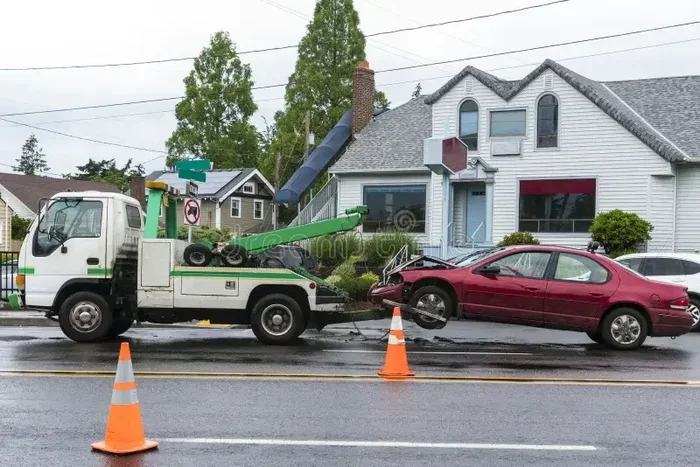
Yes, someone can tow your car without permission in certain situations, but it depends heavily on local laws, property type, and whether proper procedures were followed. Unauthorized towing is illegal in most states and can result in serious penalties for the tow truck operator. Understanding your towing rights and parking regulations helps you protect your vehicle and respond effectively if your car is removed without consent.
Have you ever walked out to a parking lot and found your spot empty? That sinking feeling in your stomach is something no one wants to experience. The first question that hits your mind is usually, can someone tow my car without permission? The answer is not as simple as a yes or no. It depends on where your car was parked, local laws, and whether the person who called the tow truck followed the rules.
Vehicle towing laws differ from one state to another. Some places have strict rules that protect car owners. Others give property owners a lot of leeway. Understanding these towing rights can save you time, money, and a lot of stress. In this guide, we will walk through everything you need to know about unauthorized towing and how to handle it if it happens to you.
Key Takeaways
- Laws vary by state: Different states have different rules about who can tow a vehicle and under what circumstances.
- Private property towing is more common: Property owners can often have vehicles towed if they are illegally parked.
- Proper signage matters: A tow truck operator usually needs visible signs posted to legally tow from private property.
- You have recourse: If your car was towed without permission, you can file complaints and even take legal action.
- Prevention is key: Following parking rules and checking local ordinances can help you avoid unauthorized towing.
- Fees can be recovered: In cases of illegal towing, you may be able to recover towing and storage fees.
📑 Table of Contents
- Understanding Towing Laws and Your Vehicle Ownership Rights
- When Is It Legal to Tow a Car Without Permission?
- What Happens If Your Car Gets Towed Without Permission
- How to Prevent Unauthorized Towing
- What To Do If Your Car Was Towed Without Your Consent
- Understanding the Role of Tow Truck Operators and Lien Holders
- Conclusion
Understanding Towing Laws and Your Vehicle Ownership Rights
Before you panic, it helps to understand the basic framework of vehicle towing laws. These laws exist to balance the rights of property owners with the rights of vehicle owners. Both sides have protections under the law.
What Does “Without Permission” Really Mean?
When we talk about towing without permission, we mean someone removes your vehicle without your explicit consent to tow. This could be a landlord, a business owner, or even a stranger. The key question is whether the person who ordered the tow had the legal authority to do so.
For example, if you park on someone’s private property without asking, the property owner may have the right to have your vehicle removed. But there are rules they must follow. They cannot just call any tow truck operator and have your car hauled away on the spot.
How Vehicle Ownership Rights Protect You
Your vehicle ownership rights are protected by state and local laws. These rights include:
- The right to know who towed your vehicle
- The right to receive a proper tow receipt
- The right to retrieve your vehicle within a reasonable time
- The right to dispute an illegal tow
- The right to recover fees if the tow was unlawful
If any of these rights are violated, you may have grounds to take action against the tow truck company or property owner.
Quick Tips
- Always check posted signs before parking in any lot
- Take photos of your parking spot for evidence
- Keep your registration and proof of insurance in the car
- Save the phone number of a roadside assistance service in your contacts
When Is It Legal to Tow a Car Without Permission?
Not all towing without permission is illegal. There are specific situations where a tow truck operator can legally remove your vehicle. Let us break down the most common scenarios.
Private Property Towing Rules
Private property towing is one of the most common reasons cars get towed without the owner’s direct involvement. Businesses, apartment complexes, and homeowners often hire towing companies to remove vehicles that violate their parking rules.
However, private property owners must follow specific guidelines:
- They must post clear and visible towing signs at all entrances
- The signs must include the name and phone number of the towing company
- The signs must comply with local towing ordinances
- The vehicle must be parked in violation of posted rules
If any of these conditions are not met, the tow may be considered unauthorized towing even on private property.
Public Property and Parking Enforcement
On public property, things work a bit differently. Parking enforcement officers from the city or county can tow vehicles that are illegally parked. This includes cars parked in fire lanes, handicap spots without a permit, or in areas marked as no-parking zones.
Public towing is governed by local towing ordinances and state vehicle towing laws. The process must be documented, and the vehicle must be taken to an approved car impound facility.
Emergency and Safety-Related Towing
In some cases, vehicles can be towed for safety reasons. If a car is blocking a driveway, obstructing emergency access, or posing a hazard, authorities may order a vehicle removal without contacting the owner first. This is legal in most jurisdictions under emergency towing provisions.
| Towing Situation | Legal Without Permission? | What Must Be Followed |
|---|---|---|
| Parking on private property without authorization | Yes, if proper signs are posted | Visible towing signs with company info |
| Illegally parked on public streets | Yes | City or county parking enforcement rules |
| Blocking emergency access | Yes | Emergency safety provisions |
| Parked legally with no violation | No | Owner consent required |
| Towed by unauthorized individual | No | Illegal in all states |
Expert Insight
According to most vehicle towing laws, a tow truck operator must verify that the vehicle is parked in violation before initiating a vehicle removal. If they skip this step, the tow is considered illegal and the property owner or operator can face fines.
What Happens If Your Car Gets Towed Without Permission
Finding out your car has been towed is stressful. But knowing what to expect can help you stay calm and take the right steps.
The Towing Process Explained
When a vehicle is towed, the tow truck operator is typically required to follow a specific process:
- Document the vehicle’s location and condition
- Attach a notice to the vehicle if possible
- Transport the vehicle to an approved storage facility
- Notify the registered owner if possible
- Provide a tow receipt to the person who requested the tow
If this process is not followed, you may have a strong case for towing dispute or even a lawsuit against the party that ordered the tow.
Costs and Fees You May Face
Even if a tow was legal, the costs can add up quickly. Typical fees include:
- Towing fee: Usually between $75 and $200 depending on distance
- Storage fee: Charged per day at the impound lot
- Release fee: A flat fee to retrieve your vehicle
- Administrative fees: Miscellaneous charges by the storage facility
These car impound costs can range from $150 to over $500 total. If the tow was illegal, you should not have to pay anything.
How to Retrieve Your Vehicle
If your car has been towed, here is what you should do step by step:
- Check the parking area for any towing signs or notices
- Call the local police non-emergency line to ask where your car was taken
- Contact the tow truck company listed on any signage
- Bring your driver’s license, registration, and proof of insurance
- Pay any legitimate fees and get a receipt
- Inspect your vehicle for any damage before leaving the lot
Common Mistakes to Avoid
- Do not confront the tow truck operator aggressively. This can escalate the situation and may lead to legal trouble for you.
- Do not sign documents you do not understand. Read everything carefully before signing at the impound lot.
- Do not delay retrieving your vehicle. Storage fees increase every day, and some facilities charge after 30 days.
- Do not assume the tow was legal. Always verify the signage and procedures before assuming you have no recourse.
How to Prevent Unauthorized Towing
The best way to deal with unauthorized towing is to prevent it from happening in the first place. A few simple steps can save you a lot of hassle.
Know Your Parking Regulations
Before parking anywhere, take a moment to look for signs. Check for parking regulations that apply to that area. Are there time limits? Is it a reserved spot? Is it on private property?
Many people overlook parking enforcement signs and end up with their vehicles towed. A quick scan can save you hundreds of dollars and hours of inconvenience.
Communicate with Property Owners
If you regularly park on private property, make sure you have consent to tow or at least verbal permission from the property owner. This is especially important for:
- Apartment complexes
- Office parking lots
- Shopping center parking areas
- Private driveways
Use a Parking App or Permit System
Many apartment complexes and businesses now use parking permit systems. These help identify authorized vehicles and reduce the chances of unauthorized towing. Some apps even let you register your vehicle with a specific property.
Quick Tips for Prevention
- Always read the fine print on parking signs
- Take a photo of where you park every time
- Register your vehicle with property management if possible
- Use roadside assistance services that include towing coverage
- Keep your contact information updated with your local DMV
What To Do If Your Car Was Towed Without Your Consent
If you believe your car was towed without proper authorization, you have several options to fight back and protect your rights.
Step 1: Gather Evidence
Start by collecting as much evidence as possible. Take photos of where your car was parked. Note the absence or presence of towing signs. Write down the date, time, and location. If anyone witnessed the tow, get their contact information.
Step 2: File a Complaint
You can file a complaint with your local parking enforcement agency or consumer protection office. Many cities have specific departments that handle towing disputes. They can investigate whether the tow followed proper procedures.
Step 3: Contact a Lawyer
If the towing caused significant damage or financial loss, consider consulting a lawyer who specializes in vehicle ownership rights and towing authorization cases. Many offer free initial consultations.
Step 4: Recover Your Costs
In cases of illegal towing, you may be entitled to recover all towing and storage fees. Some states even allow you to claim additional damages for inconvenience and stress caused by unauthorized towing.
Expert Insight
Legal experts recommend keeping all documentation related to an unauthorized towing incident. This includes photos, receipts, communication records, and any correspondence with the tow company. This evidence can be critical if you decide to pursue legal action.
Understanding the Role of Tow Truck Operators and Lien Holders
Not all towing is done by random companies. Some towing situations involve lien holder towing, which is a specialized type of vehicle removal.
What Is Lien Holder Towing?
A lien holder is a party that has a legal claim on your vehicle, usually because of an unpaid loan. In some states, a lien holder has the legal right to have your vehicle towed and impounded if you default on payments. This is different from unauthorized towing because it is backed by a legal agreement you signed when you purchased the vehicle.
How Tow Truck Companies Operate
A reputable tow truck company follows strict guidelines. They verify ownership, check for violations, and document the entire process. However, not all operators follow the rules. Some cut corners, which leads to unauthorized towing and legal disputes.
This is why it is so important to know your towing rights and to verify that any tow was conducted legally before paying fees or signing documents.
Car Booting vs. Towing
In some cities, instead of towing, vehicles are booted. This means a device is attached to a wheel to prevent the car from being driven. Car booting is another form of parking enforcement and is legal in many municipalities. However, it must follow specific procedures just like towing does.
Conclusion
The question of whether someone can tow my car without permission does not have a one-size-fits-all answer. It depends on your location, the type of property, and whether proper procedures were followed. In many cases, towing without your direct consent is legal if the property owner followed the correct steps under local towing ordinances and vehicle towing laws.
However, if those steps were not followed, you have every right to dispute the tow, recover your costs, and hold the responsible parties accountable. Understanding your towing rights and vehicle ownership rights puts you in a much stronger position.
Take the time to learn about parking regulations in your area. Keep your documentation handy. And if you ever face unauthorized towing, remember that the law is on your side as long as you act quickly and gather the right evidence.
Stay informed, stay protected, and do not let an unexpected vehicle removal catch you off guard again.
Frequently Asked Questions
Can my landlord tow my car without telling me?
In most cases, a landlord must follow specific procedures before towing a vehicle. They need to post proper towing signs and give notice if possible. If your landlord towed your car without following these steps, it may be considered unauthorized towing and you could have grounds to dispute it.
How long does a tow truck have to notify the owner?
The timeline varies by state and local parking enforcement rules. Some jurisdictions require the tow truck operator to attempt to notify the owner immediately. Others allow the vehicle to be towed first with notification happening afterward. Check your local towing ordinances for specific requirements.
What should I do if my car is damaged during towing?
Document the damage with photos and get a written report from the tow truck company. File a complaint with your local consumer protection agency. You may also be able to file a claim against the towing company’s insurance or pursue legal action for towing dispute damages.
Is car booting the same as towing?
No, car booting is a different form of enforcement. Instead of removing the vehicle, a boot is attached to a wheel to prevent the car from being driven. Both are regulated by local towing ordinances and must follow specific legal procedures.
Can a private citizen tow my car?
In most states, a private citizen cannot tow a vehicle unless they are the property owner or have explicit authorization. Lien holder towing is an exception where a financial institution can order a tow under specific conditions. Otherwise, only licensed tow truck operators with proper authorization can perform a vehicle removal.
How much does it cost to retrieve a towed car?
Costs vary widely depending on the location, distance towed, and storage duration. Typical car impound fees range from $150 to $500 or more. If the tow was illegal, you should not have to pay any fees and may be entitled to recover costs from the party that ordered the tow.