Why Are Lug Nuts So Hard to Get Off When They Are Stuck
Why Are Lug Nuts So Hard to Get Off is a question that frustrates countless car owners. Stuck lug nuts are caused by rust, corrosion, over-torquing, and heat cycling that locks the threads in place. Understanding the root cause helps you choose the right removal method and avoid costly damage to the wheel hub or brake rotor. This guide covers proven techniques, the best tools, and simple prevention steps you can start using today.
Why Are Lug Nuts So Hard to Get Off is a question that frustrates millions of car owners every single year. You grab the lug wrench, apply force, and nothing moves. The nut seems welded to the stud, and you wonder what on earth happened. This is a very common problem, especially with older vehicles or cars that sit unused for long stretches of time.
The truth is, several factors work together to make lug nuts nearly impossible to remove. Rust builds up between the threads. Heat from braking causes metal to expand and then contract, locking the nut in place. And if a previous mechanic over-torqued the lug nut, you are already fighting an uphill battle before you even start. The good news is that you can almost always free a stuck lug nut without calling a mechanic. You just need to understand why they get stuck, use the right tools, and apply the correct technique. This article walks you through everything you need to know.
Key Takeaways
- Rust and corrosion are the top culprits behind why lug nuts get stuck over time
- Over-torquing during installation can cause lug nuts to seize onto the wheel studs permanently
- Penetrating oil and heat are two of the most effective removal methods for seized lug nuts
- Using the right tools like an impact wrench makes removal much easier and safer
- Anti-seize compound prevents future issues and extends the life of your wheel hardware significantly
- Knowing when to call a pro saves you from costly damage to the wheel hub or brake rotor
📑 Table of Contents
Why Are Lug Nuts So Hard to Get Off
The simple answer is friction and corrosion. When a lug nut sits on a wheel stud for months or years, moisture and road grime work their way into the threads. This creates a tight bond between the metal surfaces. Once rust sets in, the nut essentially fuses with the stud. But corrosion is not the only reason. Several factors combine to make removal difficult.
- Rust and corrosion between the threads create a strong bond that resists turning
- Over-torquing during previous tire changes stretches the threads and increases friction
- Heat cycling from driving causes metal expansion and contraction that tightens the fit
- Dirty or damaged threads prevent smooth movement and accelerate wear
- Galvanic corrosion occurs when dissimilar metals meet in the presence of moisture
- Lack of anti-seize lubricant during installation leaves threads unprotected
Each of these factors alone can make a lug nut hard to remove. But when they combine, you have a real problem on your hands. The good part is that once you know the cause, you can pick the right fix. Let us look at each cause in more detail so you understand exactly what is happening inside your wheel assembly.
The Role of Rust and Corrosion
Rust is the number one enemy of lug nuts. When your car sits in rain, snow, or high humidity, moisture seeps into the tiny gaps between the lug nut and the wheel stud. Over time, this moisture causes iron oxide to form. That rust layer fills the threads and creates a tight grip that is hard to break.
Cars that live near the coast face an even bigger threat. Salt air speeds up the corrosion process dramatically. If you live in a snowy climate, road salt is just as damaging. Both environments cause rust to form faster than normal. Even a thin layer of rust can make a lug nut feel permanently stuck. The rust acts like a glue that bonds the threads together. And once rust fully develops, normal force from a lug wrench is usually not enough to break the bond.
How Over-Torquing Causes Seizure
Over-torquing happens when a lug nut is tightened beyond its recommended torque specification. Every wheel stud has a specific torque value, usually printed in the owner manual. When you exceed that value, the threads stretch and deform slightly. Stretched threads create more surface contact between the nut and stud. This increased contact area leads to more friction. And more friction means the nut is harder to turn.
Over time, this friction combined with moisture leads to a seized lug nut that will not budge. Many DIY mechanics make this mistake. They think tighter is better. But tighter is not always safer. In fact, over-torquing can crack the wheel hub or warp the brake rotor. It is a common error that leads to bigger problems down the road. Always use a torque wrench and follow the manufacturer specifications to avoid this issue.
Heat Cycling and Metal Expansion
Every time you drive, your brakes generate heat. That heat transfers to the wheel assembly, including the lug nuts. As the metal heats up, it expands. When you turn off the engine, the metal cools and contracts. This cycle of expansion and contraction happens thousands of times over the life of a vehicle. Each cycle slightly tightens the fit between the lug nut and the stud. This is called thermal seizing. It is especially common on performance vehicles or trucks that tow heavy loads.
The repeated heating and cooling creates a very tight fit. Eventually, the nut becomes so tight that standard tools cannot remove it. This is why stuck wheel lug nuts are so common on high-mileage vehicles. The good news is that thermal seizing can be reversed with the right approach and a bit of patience.
The Science Behind Seized Lug Nuts
Understanding the science behind seized lug nuts helps you choose the best removal method. When metal surfaces press against each other for a long time, several physical processes occur. Let us break them down so you can see exactly what is happening at the thread level.
What Is Thread Galling?
Thread galling is a form of wear that happens when metal surfaces slide against each other under pressure. The friction generates heat at the microscopic level. This heat causes tiny metal particles to weld together. When the nut tries to turn, these welds break apart, taking tiny pieces of metal with them.
Over time, thread galling creates rough, damaged surfaces. These damaged surfaces trap moisture and speed up corrosion. The cycle continues until the nut is truly stuck. Thread galling is one of the main reasons rusted wheel bolts refuse to turn. It is a slow process that builds up over months of driving. By the time you notice the problem, the damage is already significant.
How Galvanic Corrosion Works
Galvanic corrosion happens when two different metals touch in the presence of moisture. For example, if your wheel studs are steel and your lug nuts are aluminum, the combination can cause an electrochemical reaction. This reaction eats away at the metal and creates a sticky residue between the threads. Many modern vehicles use different metal combinations for weight savings. While this is good for fuel economy, it increases the risk of galvanic corrosion. If your vehicle has mixed metals in the wheel assembly, you are more likely to deal with stuck lug nuts over time.
The Impact of Brake Dust and Road Grime
Brake dust is a fine, abrasive powder that accumulates near the wheel. Over time, it works its way into the lug nut area. Combined with road grime and dirt, this creates a gritty paste that grinds against the threads. This paste acts like sandpaper on the thread surfaces. It wears away the protective coating and exposes bare metal to moisture. The result is faster corrosion and a tighter bond. Keeping your wheels clean is a simple way to slow this process down and protect your wheel lug hardware from premature failure.
Tools You Need to Remove Stuck Lug Nuts
Having the right tools makes all the difference when dealing with seized lug nuts. Using the wrong tool can damage the nut, the stud, or even the wheel hub. Here is a comparison of the best tools for the job.
| Tool | Best For | Difficulty Level |
|---|---|---|
| Impact Wrench | Heavy rust and over-torqued nuts | Easy |
| Penetrating Oil | Light to moderate rust buildup | Very Easy |
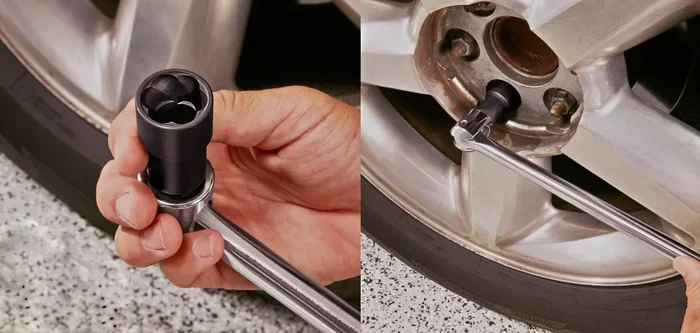
| Lug Nut Extractor | Broken or stripped lug nuts | Moderate |
| Heat Gun or Propane Torch | Severely seized nuts and thermal seizure | Moderate |
| Breaker Bar | Stubborn nuts that need extra leverage | Easy |
| WD-40 or PB Blaster | General loosening and prevention | Very Easy |
Each tool serves a different purpose. You might need more than one tool depending on how bad the situation is. Let us look at the most important ones in detail.
Impact Wrench
An impact wrench is the most powerful tool for removing stuck lug nuts. It delivers rapid, high-torque impacts that break the bond between rusted threads. You can use a pneumatic impact wrench at a shop or a cordless electric one at home. Pro tip: Always use the correct socket size. An ill-fitting socket can slip and damage the lug nut. A snug fit ensures all the force goes into turning the nut, not rounding it off.
Penetrating Oil
Penetrating oil like PB Blaster or WD-40 is a solvent designed to work its way into tight spaces. It seeps between the threads and breaks down rust and corrosion. You apply it to the lug nut and wait. Do not rush this step. Let the oil sit for at least 15 to 30 minutes. For badly seized nuts, you may need to apply it multiple times over several hours. The longer you let it work, the easier the removal will be. Quick tip: Spray the oil at an angle so it runs down into the thread line where the nut meets the stud.
Heat Application
Applying heat to the lug nut causes the metal to expand. This temporarily breaks the rust bond and allows the nut to turn. Use a propane torch or heat gun, but be very careful. Keep the flame away from the tire, brake lines, and any plastic components. Heat the nut evenly and for short bursts. Let it cool for a minute, then try turning it. The combination of heat and penetrating oil is one of the most effective methods for removing seized lug nuts. Expert mechanics often use this two-step approach as their first line of defense.
Step-by-Step Guide to Freeing Stuck Lug Nuts
Now that you understand the causes and have the right tools, here is a step-by-step process to remove stuck lug nuts safely and effectively. Follow these steps in order for the best results.
Step 1: Safety First
Before you do anything, make sure the vehicle is on a flat surface. Use wheel chocks to prevent the car from rolling. Engage the parking brake and put the transmission in park. Safety should always come first when working under a vehicle. Never work under a car supported only by a jack. Always use jack stands or ramps. A jack can slip, and the results can be catastrophic. Take an extra five minutes to set up safely.
Step 2: Apply Penetrating Oil
Spray penetrating oil directly onto each lug nut. Make sure the oil reaches the thread area where the nut meets the stud. Let it soak for at least 15 minutes. For badly stuck nuts, apply the oil every hour and let it sit overnight if possible. While you wait, gather your other tools and prepare your workspace. Having everything ready makes the process smoother and safer.
Step 3: Apply Heat
Using a propane torch or heat gun, apply heat to each lug nut for 10 to 15 seconds. Keep the flame moving to avoid concentrating heat in one spot. Let the nut cool for a minute, then apply penetrating oil again. The heat and oil work together to break down the rust and corrosion. This two-step process is much more effective than using either method alone. It is a technique that professional mechanics use every day in their shops.
Step 4: Use a Breaker Bar
A breaker bar gives you extra leverage without risking damage to the nut. Attach the correct socket and place the breaker bar on the nut. Push down firmly and steadily. Do not jerk or use sudden force. If the nut still does not move, try tapping the breaker bar with a rubber mallet. The vibration can help break the rust bond. You can also try rocking the bar back and forth gently to work the nut loose. Patience is the key here. Rushing this step is how stripped hex heads happen.
Step 5: Try an Impact Wrench
If the breaker bar is not enough, move to an impact wrench. Set it to reverse and apply steady pressure. The rapid impacts will often break the nut free when manual force cannot. Be careful not to overheat the impact wrench. Give it breaks if needed. And always wear safety glasses to protect your eyes from any debris that may fly off. This is the step where most lug nuts finally give way.
Step 6: Remove and Inspect
Once the nut is free, remove it carefully. Inspect the wheel stud for any signs of damage. Look for stripped threads, bends, or cracks. If the stud is damaged, it needs to be replaced before you reinstall the wheel. Also inspect the lug nut itself. If the hex is rounded or damaged, it may need to be replaced too. Using damaged hardware is a safety risk and can cause the same problem to recur. Always replace any compromised parts before reassembly.
How to Prevent Lug Nuts From Getting Stuck
Prevention is always easier than cure. A few simple habits can save you from the frustration of stuck lug nuts in the future. Here is what you should do to keep your wheel hardware in great shape.
Use Anti-Seize Compound
Anti-seize compound is a lubricant that prevents metal surfaces from fusing together. Apply a thin layer to the wheel stud threads before installing the lug nut. This simple step creates a barrier against moisture and corrosion. Anti-seize compound is inexpensive and widely available at auto parts stores. A small tube can last for years and protect every wheel on your vehicle. It is one of the best investments you can make for routine maintenance. Apply it every time you remove or reinstall lug nuts for maximum protection.
Follow Proper Torque Specifications
Always tighten lug nuts to the manufacturer recommended torque specification. Over-torquing is just as bad as under-torquing. Use a torque wrench to ensure you are applying the correct amount of force. Most vehicles require between 80 and 100 foot-pounds for passenger cars. Trucks and SUVs may need more. Check your owner manual or the sticker inside the driver door for the exact number. Following the spec keeps your wheels secure without damaging the threads.
Keep Your Wheels Clean
Regularly clean your wheels and wheel hubs. Remove brake dust, road grime, and moisture. This prevents rust from forming in the thread area and keeps your lug nuts in good condition. A simple wash with soap and water works well. For tough brake dust, use a dedicated wheel cleaner. Taking five minutes to clean your wheels during regular car washes goes a long way in preventing stuck lug nuts. Clean wheels also let you spot early signs of corrosion before it becomes a problem.
Inspect Hardware Regularly
During tire rotations or oil changes, take a moment to inspect your lug nuts and wheel studs. Look for signs of rust, wear, or damage. Catching problems early makes them much easier to fix. If you notice any rust starting to form, apply anti-seize compound right away. A little prevention now can save you a lot of trouble later. Make this inspection a habit and your wheel hardware will thank you for years.
When to Call a Professional Mechanic
Most stuck lug nuts can be removed at home with patience and the right tools. However, there are situations where professional help is the smart choice. Do not hesitate to call a mechanic when the situation calls for it.
Call a professional if the lug nut is broken off at the stud. This means the top of the nut has snapped off, leaving the base stuck on the stud. Removing the base requires specialized tools like a lug nut extractor kit, and improper removal can damage the wheel hub. Also seek professional help if you notice damage to the wheel studs or the wheel hub itself. A cracked hub or bent stud is a safety issue that needs proper attention. Do not try to force a damaged component back into place.
Finally, if you have tried multiple methods and the lug nut still will not move, it is time to call in the experts. A professional mechanic has access to industrial-grade tools and years of experience. They can remove the nut safely without risking further damage to your vehicle. Sometimes paying for professional help saves you from much more expensive repairs down the road.
Common Mistakes to Avoid
When dealing with stuck lug nuts, many people make avoidable errors. Here are the most common mistakes and how to prevent them:
- Using the wrong size socket – This rounds off the lug nut and makes removal much harder
- Applying too much force too quickly – This can break the stud or damage the hub surface
- Skipping penetrating oil – Going straight to force wastes time and risks damaging the threads
- Using an impact wrench without penetration – This can worsen the seizure and damage the stud
- Ignoring damaged threads – Reusing damaged hardware leads to the same problem recurring
- Not using jack stands – Working under a car on just a jack is extremely dangerous
Expert Insights
Professional mechanics agree that patience is the most important tool when removing stuck lug nuts. Rushing the process almost always leads to more problems. Take your time, apply penetrating oil, use heat when needed, and work through the steps methodically. Many experienced technicians also recommend applying anti-seize compound every time you remove and reinstall lug nuts. This small habit prevents the vast majority of seizure problems. It takes just a few extra seconds during tire changes but saves hours of frustration later. The best mechanics in the industry swear by this simple routine.
Conclusion
Why Are Lug Nuts So Hard to Get Off comes down to a combination of rust, corrosion, over-torquing, and heat cycling. These factors work together to create a tight bond between the lug nut and the wheel stud that normal force cannot break. Understanding the root cause is the first step toward solving the problem.
The good news is that you have the power to fix this problem. With the right tools, patience, and technique, you can free even the most stubborn lug nuts. Start with penetrating oil, add heat if needed, and use proper tools like a breaker bar or impact wrench. Follow the step-by-step process outlined in this guide and you will see results.
Prevention is the best long-term solution. Use anti-seize compound, follow torque specifications, and keep your wheels clean. These simple habits will keep your lug nuts in good shape for years to come. If you ever feel stuck or unsure, do not hesitate to call a professional. Your safety and the integrity of your vehicle matter more than saving a few dollars. Now you have the knowledge to handle stuck lug nuts with confidence the next time they come up.
Frequently Asked Questions
Can I use a regular wrench to remove stuck lug nuts?
A regular wrench can work for mildly stuck lug nuts, but it lacks the leverage needed for severely seized ones. A breaker bar or impact wrench is much more effective. Using a regular wrench on a badly stuck nut also risks rounding off the hex edges, making the problem worse and potentially requiring a lug nut extractor.
How long should I let penetrating oil sit on a stuck lug nut?
Let penetrating oil sit for at least 15 to 30 minutes for moderately stuck nuts. For severely seized lug nuts, apply the oil every hour and let it soak overnight. The longer the oil has to work, the easier the removal will be. Reapplication helps the solvent reach deeper into the corroded threads and break down the rust bond more effectively.
Is it safe to use a torch to heat lug nuts?
Yes, it is safe when done carefully. Keep the flame away from the tire, brake lines, fuel lines, and any plastic components. Apply heat in short bursts and let the nut cool slightly before trying to turn it. Always wear heat-resistant gloves and safety glasses when using a torch to protect yourself from sparks and hot metal.
What causes lug nuts to strip or break?
Lug nuts strip or break when excessive force is applied, especially with a tool that does not fit properly. Over-torquing, using the wrong socket size, and applying force at an angle all contribute to stripping. Damaged or worn lug nuts are also more likely to break under pressure. Always use the correct socket size and apply force steadily rather than in sudden jerks.
Can I drive with a missing lug nut?
No, driving with a missing lug nut is dangerous. It causes uneven pressure on the wheel, which can lead to the wheel coming loose while driving. If you lose a lug nut while driving, pull over safely and replace it as soon as possible. If you cannot replace it immediately, call for roadside assistance. Driving on a missing lug nut risks catastrophic wheel failure.
How often should I check my lug nuts for tightness?
You should check your lug nuts after the first 50 to 100 miles of driving a new set of tires. After that, inspect them during every tire rotation or oil change. Regular checks help you catch loose or damaged lug nuts before they become a serious problem. Most professionals recommend a torque check at 50 miles, 100 miles, and then every 10,000 miles after that.