Where Is the Cruise Main Button Located on Your Vehicle
The cruise main button is typically found on your steering wheel, dashboard, or steering column stalk. Its exact placement depends on your vehicle’s make, model, and year. Knowing where this button lives helps you set and resume cruise control safely and quickly on every drive.
Have you ever slid behind the wheel of a car and thought, “Where is the cruise main button located?” You are not alone. Many drivers search for this tiny but mighty control every time they get behind the wheel of a new or unfamiliar vehicle. The cruise main button is your gateway to setting a steady speed on long highway drives. It saves your foot from working the gas pedal and makes road trips far more enjoyable.
But here is the thing — the location of this button changes from vehicle to vehicle. A sedan from 2015 might have it in a completely different spot than a truck from 2005. Cruise control systems have evolved a lot over the years, and so have the ways car makers place the controls. In this guide, we will walk you through every common location. We will also explain how the system works, what to do when it malfunctions, and how to use it safely.
Whether you drive a compact car, a full-size SUV, or a heavy-duty pickup, this article has you covered. We will break down the cruise main switch locations for different vehicle types. We will also compare the cruise main button to other cruise-related buttons so you never press the wrong one again. Let us dive in and find that elusive button.
Key Takeaways
- Steering Wheel Location: Most modern vehicles place the cruise main button on the steering wheel controls.
- Steering Column Stalk: Older and some luxury vehicles use a stalk on the steering column for cruise functions.
- Dashboard Buttons: A few vehicle models house the cruise main switch on the dashboard near the gauge cluster.
- Know Your System: Understanding the difference between cruise main, set, and resume buttons prevents confusion.
- Safety First: Always deactivate cruise control in heavy traffic or bad weather conditions.
- Common Issues: Blown fuses, faulty wiring, or a malfunctioning switch can cause cruise control problems.
📑 Table of Contents
- Understanding the Cruise Main Button
- Where the Cruise Main Button Is Located
- How the Cruise Main Button Works
- Common Cruise Control Issues and Fixes
- Cruise Main Button vs. Other Cruise Buttons
- Tips for Using Cruise Control Safely
- Quick Tips for Finding the Cruise Main Button
- Key Takeaways
- Conclusion
Understanding the Cruise Main Button
The cruise main button is the master switch for your vehicle’s cruise control system. Think of it as the on/off toggle that activates the entire system. Without pressing this button first, the other cruise functions — like set, resume, and accelerate — will not work. It is the starting point of every cruise control interaction.
Not every vehicle uses the exact same label. Some cars say “CRUISE,” others say “MAIN,” and a few use a symbol that looks like a speedometer with an arrow. Despite the different labels, they all serve the same purpose. They power up the cruise control system so you can set a desired speed.
What Does the Cruise Main Button Do?
When you press the cruise main button, you are telling your vehicle to prepare the cruise control system for operation. The system stays in standby mode until you set a speed. At that point, the vehicle takes over throttle control and maintains your chosen pace. This is incredibly helpful on long, straight stretches of highway where you want to relax your foot.
Here is a quick look at what happens after you hit the cruise main button:
- The dashboard cruise indicator light turns on.
- The system enters standby mode and waits for a speed input.
- You can then press “SET” to lock in your current speed.
- The vehicle maintains that speed until you cancel or turn it off.
Why the Cruise Main Button Matters
Many drivers overlook the cruise main button and wonder why their cruise control will not engage. The answer is simple — they never turned the system on. The cruise main switch is the first step in the process. Skipping it means the entire system stays dormant. Understanding this one fact can save you a lot of frustration on the road.
Also, the cruise main button plays a role in safety. It allows you to quickly deactivate the system with a single press. In an emergency, knowing exactly where this button is located can make a real difference. That is why we always recommend familiarizing yourself with your vehicle’s controls before hitting the highway.
Where the Cruise Main Button Is Located
The placement of the cruise main button varies widely across different vehicle brands and models. Car manufacturers use three primary locations for this control. Let us explore each one in detail so you know exactly where to look.
1. Steering Wheel Controls
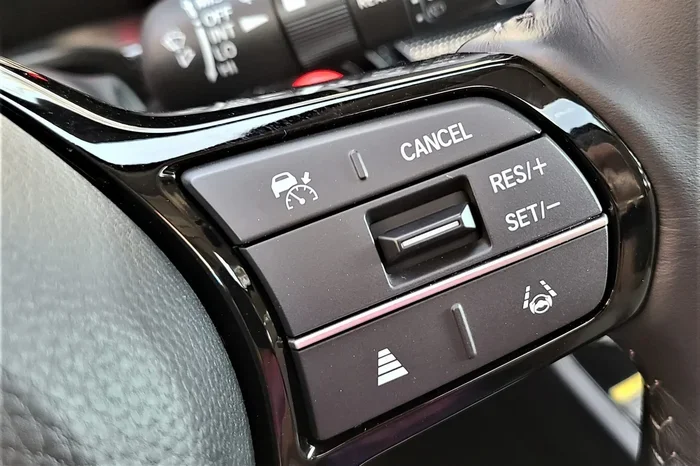
The most common location for the cruise main button is on the steering wheel. Most modern vehicles from the last 15 years place cruise controls right on the steering wheel spokes. This puts the button within easy thumb reach while you drive.
On many cars, the cruise controls are grouped together on the left or right spoke. You will typically find buttons for cruise main, set, resume, accelerate, and decelerall all in one cluster. The cruise control button layout makes it simple to operate the system without taking your hands off the wheel for long.
For example, Toyota and Honda vehicles often place the cruise main button on the left side of the steering wheel. Ford and Chevrolet tend to use the right side. Luxury brands like BMW and Mercedes may spread the controls across both sides for easier access.
2. Steering Column Stalk
Older vehicles and some current models use a stalk on the steering column to house cruise controls. This is the same lever that controls your turn signals and headlights in many cars. The cruise control stalk is typically located on the left side of the steering column.
Vehicles from the early 2000s and many trucks still use this design. You pull the stalk toward you to set the speed, push it to cancel, and rotate it to adjust. The cruise main function is often a separate position on the stalk or a button near its base. If your vehicle has a stalk, look closely at the lever and the surrounding area for small labeled buttons.
Here are some brands that commonly use the stalk design:
- Older model Ford trucks and SUVs
- Many Jeep Wrangler and Gladiator models
- Classic Chevrolet Silverado and GMC Sierra pickups
- Some Mazda and Subaru models
3. Dashboard or Center Console Buttons
A less common but still important location is the dashboard or center console. Some vehicle models place the cruise main switch on the dashboard near the gauge cluster. Others tuck it into the center console area, close to the climate controls or infotainment system.
This design is more common in older luxury cars and some European models. If you have checked the steering wheel and the steering column stalk without finding the cruise main button, look at the dashboard. Run your eyes along the lower edge of the instrument panel. You might also check the area just below the center stack.
Quick tip: Always refer to your vehicle owner’s manual. It will show you the exact location of every control, including the cruise main button. The manual is your best friend when you are hunting for a specific switch.
How the Cruise Main Button Works
Understanding how the cruise main button works helps you use the system more effectively. The process is straightforward once you know the basic steps. Let us walk through a typical cruise control activation sequence.
Step-by-Step Activation
- Press the cruise main button to power on the system.
- Accelerate to your desired speed using the gas pedal.
- Press the “SET” button to lock in that speed.
- Lift your foot off the gas pedal. The vehicle now maintains the set speed.
- Use the “+” and “-” buttons to adjust speed up or down as needed.
That is all there is to it. Once the system is active, you can relax your foot and enjoy the drive. To turn off cruise control, simply press the “CANCEL” button or the cruise main button again. The system deactivates immediately and your vehicle returns to normal throttle control.
Adaptive Cruise Control vs. Standard Cruise Control
Many newer vehicles come equipped with adaptive cruise control. This advanced system does everything standard cruise control does, but it also adjusts your speed based on the vehicle ahead of you. The cruise main button still serves as the master switch for adaptive systems. The difference is that adaptive cruise control uses radar sensors and cameras to maintain a safe following distance.
Here is a quick comparison between the two systems:
- Standard Cruise Control: Maintains a fixed speed. Best for open highways with little traffic.
- Adaptive Cruise Control: Adjusts speed automatically based on traffic flow. Uses sensors to detect vehicles ahead.
- Both Systems: Share the same cruise main button as the activation switch.
- Both Systems: Require the driver to remain alert and ready to take control at any time.
Common Cruise Control Issues and Fixes
The cruise main button can sometimes stop working, leaving you unable to engage cruise control at all. Before you panic or visit a mechanic, there are a few common causes you can check yourself. Many cruise control problems have simple solutions.
Blown Fuse
A blown fuse is one of the most common reasons for cruise control failure. The cruise control fuse powers the entire system, and when it blows, nothing works. Check your vehicle’s fuse box — usually located under the dashboard on the driver’s side or in the engine bay. Look for the fuse labeled “CRUISE” or “ACC.” If the metal strip inside the fuse is broken, replace it with a new fuse of the same amperage.
Faulty Brake Light Switch
Your vehicle’s brake light switch plays a role in the cruise control system. When you press the brake pedal, the switch signals the cruise control to cancel. If this switch fails, it can prevent the system from engaging at all. A simple test is to check if your brake lights turn on when you press the pedal. If they do not, the switch may need replacement.
Wiring Problems
Over time, the cruise control wiring can become damaged or corroded. This is especially common in older vehicles or those exposed to road salt and moisture. Inspect the wiring harness that runs from the steering column to the engine bay. Look for frayed wires, loose connectors, or signs of heat damage. Repairing damaged wiring often restores cruise control function.
Dirty or Worn Cruise Control Switch
The cruise main button itself can wear out after years of use. Dirt, grime, and moisture can build up around the switch contacts, causing intermittent failures. If the button feels loose or unresponsive, try cleaning it with electrical contact cleaner. If cleaning does not help, the switch may need to be replaced entirely.
Speed Sensor Malfunction
Your vehicle relies on a vehicle speed sensor to provide speed data to the cruise control system. If this sensor fails, the system cannot maintain a set speed. Common signs of a failing speed sensor include a speedometer that behaves erratically or a cruise control that randomly disengages. Replacing the speed sensor is usually an affordable fix.
Cruise Main Button vs. Other Cruise Buttons
Modern vehicles pack a lot of cruise control buttons into a small space. It is easy to confuse the cruise main button with other cruise-related controls. Understanding the difference between each button helps you use the system correctly every time.
Cruise Main vs. Set Button
The cruise main button turns the entire system on or off. The “SET” button, on the other hand, locks in your current speed once the system is active. You must press cruise main first before the set button will work. Think of cruise main as the ignition and set as the gear shift.
Cruise Main vs. Cancel Button
The “CANCEL” button temporarily deactivates cruise control without turning off the system entirely. When you press cancel, the vehicle returns to manual throttle control but the system stays powered on. Pressing the cruise main button fully shuts the system down. You would press cancel when you need to slow down briefly, like for a curve or slower traffic.
Cruise Main vs. Resume Button
The “RESUME” button brings back the last set speed after you have canceled cruise control. For example, if you tap the brake to slow down for traffic, pressing resume will return your vehicle to the previously set speed. The cruise main button does not perform this function. It only turns the system on or off.
| Button | Function | When to Use It |
|---|---|---|
| CRUISE MAIN | Turns the cruise system on or off | At the start and end of every cruise control session |
| SET | Locks in the current speed | After reaching your desired cruising speed |
| CANCEL | Temporarily deactivates cruise control | When you need to slow down or take manual control |
| RESUME | Returns to the last set speed | After canceling cruise control in traffic or curves |
| ACCEL / DECEL | Adjusts the set speed up or down | When you want to change your cruising speed |
Tips for Using Cruise Control Safely
The cruise main button makes driving more comfortable, but it also comes with responsibilities. Using cruise control safely requires awareness and good judgment. Here are some practical tips to keep in mind every time you use the system.
Only Use Cruise Control on Open Roads
Cruise control works best on long, straight highways with consistent traffic flow. Avoid using it in heavy city traffic, on winding mountain roads, or in areas with frequent stops. The system is designed to maintain speed, not to navigate complex road conditions.
Stay Alert and Keep Your Hands on the Wheel
Even with cruise control engaged, you must remain fully attentive. Keep both hands on the steering wheel at all times. The cruise control system is a driver assistance feature, not a replacement for active driving. Always be ready to take control if traffic slows or road conditions change.
Know How to Cancel Quickly
In an emergency, you need to cancel cruise control immediately. The fastest way is to press the brake pedal, which automatically deactivates the system. You can also press the “CANCEL” button or the cruise main button. Make sure you know which method works fastest in your specific vehicle.
Do Not Use Cruise Control in Wet or Icy Conditions
Using cruise control on wet or icy roads can be dangerous. If your vehicle hydroplanes or loses traction, the cruise control system may try to maintain speed, which can worsen the situation. Always deactivate cruise control when road conditions are less than ideal.
Regular Maintenance Keeps the System Running
Like any other vehicle system, cruise control benefits from regular maintenance. Have a technician check the cruise control wiring and sensors during routine service appointments. A simple inspection can catch small problems before they become expensive repairs.
Quick Tips for Finding the Cruise Main Button
If you are still searching for your cruise main button, here are some quick tips that can help you locate it fast:
- Check the steering wheel first — this is where 80 percent of vehicles place it.
- Look for a button labeled “CRUISE,” “MAIN,” or a speedometer icon.
- Consult your owner’s manual for a diagram of all controls.
- Search the steering column stalk if your vehicle does not have steering wheel buttons.
- Check the dashboard near the instrument cluster for older or luxury models.
- Ask a dealer or mechanic to show you the location during your next service visit.
Key Takeaways
- Steering Wheel Location: Most modern vehicles place the cruise main button on the steering wheel controls.
- Steering Column Stalk: Older and some luxury vehicles use a stalk on the steering column for cruise functions.
- Dashboard Buttons: A few vehicle models house the cruise main switch on the dashboard near the gauge cluster.
- Know Your System: Understanding the difference between cruise main, set, and resume buttons prevents confusion.
- Safety First: Always deactivate cruise control in heavy traffic or bad weather conditions.
- Common Issues: Blown fuses, faulty wiring, or a malfunctioning switch can cause cruise control problems.
Conclusion
Finding the cruise main button on your vehicle does not have to be a mystery. Whether it sits on your steering wheel, your steering column stalk, or your dashboard, once you know where it is, you will never have to search again. The cruise control button is your ticket to more relaxed, comfortable driving on long highway trips. It saves energy, reduces fatigue, and makes your journeys more enjoyable.
We covered the three primary locations where the cruise main switch can be found. We also explored how the system works, common problems you might encounter, and the differences between cruise main and other cruise buttons. With this knowledge, you are now equipped to use cruise control confidently and safely.
Take a moment today to locate your cruise main button and test the system on your next drive. Familiarity breeds confidence, and confidence makes you a safer driver. Happy cruising, and enjoy the open road ahead.
Frequently Asked Questions
Where exactly is the cruise main button on a Toyota Camry?
On most Toyota Camry models, the cruise main button is located on the steering wheel controls, typically on the right spoke. Look for a button labeled “MAIN” or “CRUISE” in the cluster of steering wheel buttons. The owner’s manual will confirm the exact position for your specific model year.
Can the cruise main button stop working suddenly?
Yes, the cruise main button can fail suddenly due to a blown fuse, a faulty brake light switch, or damaged wiring. If the button feels loose or unresponsive, start by checking the fuse box. If the fuse is fine, a visit to a mechanic can diagnose the issue quickly and affordably.
Is the cruise main button the same as the set button?
No, the cruise main button and the “SET” button serve different purposes. The cruise main button turns the entire cruise control system on or off. The set button locks in your current speed once the system is active. You must press cruise main before you can use the set function.
Why does my cruise control keep turning off by itself?
This issue often stems from a faulty brake light switch, a problem with the cruise control wiring, or a defective vehicle speed sensor. When the brake light switch malfunctions, it sends a false signal that cancels cruise control. Have a technician inspect these components to identify and fix the root cause.
Do all vehicles have a cruise main button?
Most vehicles manufactured after the early 2000s include cruise control, and therefore a cruise main button. However, some base model trim levels or older vehicles may not offer cruise control at all. Check your vehicle’s features list or owner’s manual to confirm whether your car has this capability.
How do I reset my cruise control system?
To reset your cruise control system, turn the engine off and wait for at least 30 seconds. Then turn the engine back on and press the cruise main button to reactivate the system. If the problem persists, check the fuse box for a blown cruise control fuse and inspect the wiring connections under the dashboard.