What Triggers Immobilizer and How to Fix It Quickly
What Triggers Immobilizer issues can leave you stranded and frustrated. The immobilizer is your car’s anti-theft system, and it activates when it detects a problem with the key, the security module, or the engine control unit. Understanding the common triggers helps you fix the issue fast and get back on the road. This guide covers every major trigger, simple DIY fixes, and expert tips to prevent future problems.
There is nothing worse than turning your key or pressing the start button and hearing nothing happen. Your car immobilizer has kicked in, and suddenly your vehicle won’t start. If you have ever faced this situation, you know how stressful it can be. The good news is that understanding what triggers immobilizer activation can help you solve the problem fast.
Your vehicle’s anti-theft system is designed to protect your car from theft. It works by verifying that the correct key or key fob is being used. When the system detects something wrong, it locks down the engine. This is called engine immobilization, and it is a powerful vehicle theft prevention tool. But sometimes, the system triggers when it should not. That is where this guide comes in.
In this article, we will walk you through every common trigger, every fix, and every tip to keep your car security system running smoothly. Whether you are dealing with a car won’t start situation right now or just want to be prepared, you will find everything you need here.
Key Takeaways
- A dead key fob battery is the number one cause of immobilizer activation.
- Faulty ignition switches and steering lock jams can also trigger the system.
- ECU glitches and transponder chip damage are more serious but fixable.
- Most immobilizer issues can be resolved with simple reset steps at home.
- Regular key fob maintenance prevents many problems before they start.
- Knowing the warning signs saves time and money on costly repairs.
📑 Table of Contents
- Understanding What Triggers Immobilizer in Your Vehicle
- Top Triggers That Activate the Immobilizer
- How to Tell If Your Immobilizer Is Active
- Step-by-Step Fixes for Immobilizer Problems
- Preventing Immobilizer Issues Before They Start
- Common Mistakes That Make Immobilizer Problems Worse
- Comparison: Common Immobilizer Triggers vs. Their Fixes
- Final Thoughts on Immobilizer Triggers and Fixes
Understanding What Triggers Immobilizer in Your Vehicle
How the Immobilizer System Works
Your car immobilizer is a small but smart security system built into your vehicle. It sits between your ignition and your engine. When you insert your key or press your key fob, the system sends a security code request. The key or fob must respond with the correct key recognition code. If the codes match, the engine starts. If they do not match, the immobilizer warning light flashes on your dashboard, and the engine stays locked.
The system is managed by your car’s ECU (Engine Control Unit). This computer handles many functions, including fuel injection, spark timing, and immobilizer verification. When the ECU detects a mismatch or a fault, it triggers engine immobilization as a safety measure.
The entire process happens in milliseconds. You turn the key, the ECU checks the code, and either the engine starts or it does not. It is a brilliant piece of car security technology. But like any electronic system, it can have problems.
The Role of the Transponder Key
Most modern cars use a transponder key. This is a special key with a tiny chip inside the plastic head. The chip stores a unique security code. When you insert the key into the ignition, the car’s reader sends a radio signal to the chip. The chip responds with its code. If the code is correct, the immobilizer releases the engine.
If the transponder chip is damaged, the code will not match. The system will think someone is trying to steal your car. This is one of the most common reasons what triggers immobilizer problems. Even a small crack in the key head can break the chip inside.
Quick Tip
Always keep a spare transponder key in a safe place. If your primary key gets damaged, you will not be left stranded. Many locksmiths can cut and program a spare key for a fraction of the dealer cost.
Top Triggers That Activate the Immobilizer
Several things can cause your immobilizer system to activate unexpectedly. Let us look at the most common triggers and why they happen.
Dead Key Fob Battery
This is the number one trigger for immobilizer activation. Your key fob has a small battery inside. When that battery dies, the fob cannot send its security code to the car. The system does not recognize the key, and it locks the engine.
A dead battery is easy to fix. Most key fobs use a CR2025 or CR2032 coin cell battery. Replacing it takes about two minutes. You just pop open the back of the fob, swap the old battery for a new one, and you are good to go.
If you replace the battery and the problem persists, the fob may need to be reprogrammed. Some cars automatically recognize a new battery. Others require you to hold a button or follow a specific sequence. Check your owner’s manual for the exact steps.
Faulty Ignition Switch
The ignition switch is the mechanical part you turn with your key. Over time, the internal contacts can wear out. When the contacts degrade, they may not send the correct signal to the ECU. The system interprets this as a security threat and triggers engine immobilization.
A faulty ignition switch often causes intermittent problems. Your car might start fine one day and refuse to start the next. If you notice your key feeling loose or sticky in the ignition, that is a warning sign. Have it checked before it fully fails.
Steering Lock Interference
Your car has a steering lock mechanism that engages when you turn off the engine and turn the wheel. This is a physical anti-theft feature. Sometimes, the steering lock can jam or bind, which interferes with the ignition. The immobilizer system may interpret this as an unauthorized start attempt.
To fix this, try gently wiggling the steering wheel while turning the key. You should feel the lock release. This simple trick resolves the issue in many cases. It is one of the easiest immobilizer reset methods you can try at home.
ECU or Security Module Glitches
The ECU (Engine Control Unit) is the brain of your car’s security system. Like any computer, it can experience software glitches. A power surge, a dead battery in the car, or a recent jump start can cause the ECU to lose its immobilizer programming.
When this happens, the system may not recognize your key even if the key is perfectly fine. The immobilizer warning light will stay on, and the engine will not start. This type of problem usually requires a professional reset or a software update at a dealership or qualified mechanic.
Damaged Transponder Chip
The transponder chip inside your key is delicate. It can crack, chip, or stop working over time. Heat, moisture, and physical impact are the main culprits. If the chip is damaged, it cannot transmit the correct security code, and the car immobilizer will lock the engine.
A damaged transponder chip cannot be repaired. You will need a new key with a new chip. A locksmith or dealer can cut and program a replacement for you. The cost varies, but it is usually much cheaper than a full immobilizer system replacement.
Aftermarket Alarm System Interference
If you have installed an aftermarket alarm system, it may interfere with your factory immobilizer. Cheap or poorly installed alarms can send conflicting signals to the ECU. This confuses the security system and causes false activations.
If you recently had an alarm installed and started having immobilizer problems, the alarm is likely the culprit. Have a professional check the wiring and compatibility. Sometimes, simply reprogramming the alarm solves the issue.
How to Tell If Your Immobilizer Is Active
Knowing the signs of an active immobilizer can save you a lot of guesswork. The system gives you clear signals when it is engaged.
Dashboard Warning Signs
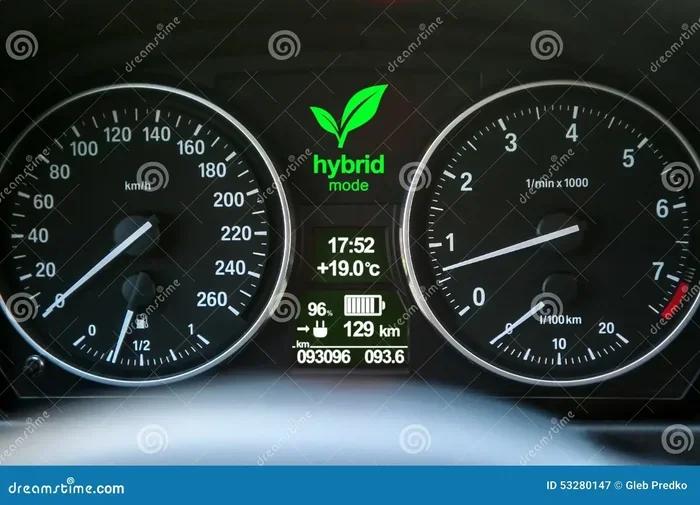
Your dashboard is your best friend when diagnosing immobilizer issues. Look for these warning lights:
- Immobilizer warning light — This looks like a car with a key symbol. It stays on or flashes when the system is active.
- Check engine light — A flashing check engine light can sometimes indicate an immobilizer fault.
- Security indicator — Some cars show a padlock icon when the anti-theft system is engaged.
Common Symptoms of Immobilizer Activation
Watch for these symptoms that point to an active immobilizer:
- The engine cranks but does not start.
- The starter motor engages, but the engine turns over without firing.
- The dashboard lights come on, but the engine refuses to turn over.
- The key fob works for locking and unlocking, but the car will not start.
- The immobilizer warning light stays on after you turn the key.
If you notice any of these symptoms, do not panic. Most of the time, the fix is simple and quick. Start with the easiest solutions and work your way up.
Step-by-Step Fixes for Immobilizer Problems
Now that you know the triggers and the symptoms, let us get into the fixes. Here is a practical guide to resolving immobilizer issues step by step.
Quick Reset Methods You Can Try at Home
Before you call a mechanic, try these simple fixes. Many immobilizer reset procedures are quick and easy:
- Replace the key fob battery. This solves the problem about 60% of the time. Use a fresh CR2025 or CR2032 battery and snap the fob back together.
- Try the spare key. If your spare key works, the problem is with your primary key’s transponder chip. Get it replaced or reprogrammed.
- Wiggle the steering wheel. Turn the wheel left and right while turning the key. This releases a jammed steering lock.
- Turn the key to the “On” position. Do not start the engine. Just turn it to the “On” position and wait 10 minutes. Then try starting. This allows the ECU to re-recognize the key.
- Disconnect the car battery. Unclip the negative terminal, wait 15 minutes, and reconnect it. This resets the ECU and clears temporary glitches.
Quick Tip
If the immobilizer warning light flashes when you try to start, write down the pattern. Some cars use flash patterns to communicate specific fault codes. Your owner’s manual or a quick online search can help you decode them.
When to Call a Professional
Some immobilizer problems need professional help. Call a mechanic or locksmith if:
- None of the DIY fixes work.
- The immobilizer warning light stays on constantly.
- Your car started fine yesterday but will not start today with no clear reason.
- You have recently had work done on your ECU or electrical system.
- Multiple keys fail to start the car.
A professional has the tools to run a full immobilizer diagnostic. They can read fault codes from the ECU, reprogram keys, and replace faulty components. This saves you time and prevents costly mistakes.
Preventing Immobilizer Issues Before They Start
The best way to deal with what triggers immobilizer problems is to prevent them in the first place. A little regular maintenance goes a long way.
Maintenance Tips for Key Fobs
- Replace the key fob battery every 12 to 18 months, even if it still works. This prevents unexpected failures.
- Keep the key fob dry. Moisture can damage the internal electronics and the transponder chip.
- Do not drop your key fob. Physical impacts can crack the housing and damage the chip inside.
- Store the spare key in a safe, dry place at home. Never keep both keys in the same location.
- Avoid placing the key fob near strong magnets or electronic devices that emit strong signals.
Keeping Your Security System in Top Shape
Your car security system includes more than just the immobilizer. The alarm system, the ECU, and the ignition switch all work together. Here is how to keep them healthy:
- Have the battery tested regularly. A weak car battery can cause voltage drops that confuse the ECU.
- Get electrical inspections during regular service visits. A mechanic can spot loose wiring or corroded connections before they cause problems.
- Avoid cheap aftermarket parts. Low-quality alarm systems or key replacements can interfere with your factory immobilizer.
- Keep your software updated. Some manufacturers release ECU updates that improve immobilizer performance and fix known bugs.
Expert Insights
Automotive security experts recommend treating your key fob like a small electronic device that needs care. Just like your phone battery, the fob battery has a limited lifespan. Proactive replacement prevents most immobilizer surprises. Also, if you buy a used car, always ask for the full history of immobilizer programming and key replacements. This information can save you hours of troubleshooting later.
Common Mistakes That Make Immobilizer Problems Worse
When your car will not start, it is easy to panic and make mistakes. Here are the most common errors and how to avoid them:
- Trying to start the car repeatedly. This drains the battery further and can confuse the ECU. Wait a few minutes between attempts.
- Using the wrong key. Some people keep a spare key from a different car model. The transponder code will not match, and the immobilizer will stay active.
- Ignoring the warning light. The immobilizer warning light is your car telling you something is wrong. Ignoring it can lead to bigger problems.
- Attempting DIY repairs on the ECU. The ECU is a sensitive computer. Opening it or tampering with it can cause permanent damage.
- Buying cheap replacement keys online. Unprogrammed or incompatible keys will not work and may require additional programming fees.
Comparison: Common Immobilizer Triggers vs. Their Fixes
| Immobilizer Trigger | Severity | DIY Fix? | Typical Cost to Fix |
|---|---|---|---|
| Dead Key Fob Battery | Low | Yes | $5-$10 |
| Faulty Ignition Switch | Medium | Sometimes | $50-$200 |
| Steering Lock Jam | Low-Medium | Yes | $0 |
| ECU Software Glitch | Medium | Rarely | $100-$400 |
| Damaged Transponder Chip | High | No | $150-$500 |
| Aftermarket Alarm Interference | Medium | Sometimes | $50-$300 |
As you can see, most triggers fall into the low or low-medium severity range. The good news is that many fixes are simple and inexpensive. The key is to act quickly and not ignore the warning signs.
Key Takeaways
- A dead key fob battery causes the most common immobilizer activations.
- Simple reset methods like wiggling the steering wheel or turning the key to “On” resolve many issues.
- Professional help is needed for ECU glitches, damaged transponder chips, and faulty ignition switches.
- Regular maintenance of your key fob and car battery prevents most problems.
- Avoid common mistakes like repeated start attempts and using incompatible keys.
Final Thoughts on Immobilizer Triggers and Fixes
Understanding what triggers immobilizer activation is the first step toward a fast fix. Your car’s anti-theft system is there to protect you, but when it malfunctions, it can be a real hassle. The good news is that most triggers are simple and easy to address.
Start with the basics. Check the key fob battery. Try the spare key. Wiggle the steering wheel. These simple steps solve the majority of immobilizer problems. If those do not work, move on to the more advanced fixes like ECU resets or professional diagnostics.
Prevention is always better than cure. Take care of your key fob, keep your car battery healthy, and stay on top of regular maintenance. These habits will keep your car security system working reliably for years to come.
Remember, a car immobilizer is one of the best investments in vehicle theft prevention. When it works correctly, it keeps your car safe. When it malfunctions, now you know exactly how to handle it. Keep this guide handy, and you will never be left wondering why your car will not start again.
Frequently Asked Questions
What is the most common trigger for a car immobilizer?
The most common trigger is a dead battery in the key fob. When the fob battery dies, it cannot send the correct security code to the car, and the immobilizer locks the engine. Replacing the battery usually fixes this immediately.
Can a faulty key fob trigger the immobilizer even if the car starts sometimes?
Yes, absolutely. A weak or faulty key fob can cause intermittent immobilizer activation. The car might start fine when the fob signal is strong but fail to start when the battery is low or the signal is weak. Replacing the fob battery or the key itself usually resolves this.
How do I know if my immobilizer is activated?
Look for the immobilizer warning light on your dashboard. It usually appears as a car with a key symbol. Other signs include the engine cranking but not starting, the check engine light flashing, and the key fob working for locks but not starting the car.
Is it safe to drive with the immobilizer light on?
It is not recommended. The immobilizer warning light means the system has detected a fault. While you might be able to drive in some cases, the engine could cut out unexpectedly. Have the issue diagnosed and fixed as soon as possible for safety and reliability.
Can an immobilizer problem drain my car battery?
Yes, it can. If the immobilizer system stays active or the ECU is stuck in a fault loop, it can draw power even when the car is off. This leads to a slow battery drain. If your battery dies frequently, the immobilizer system could be the cause.
How much does it cost to fix an immobilizer issue?
The cost depends on the trigger. A simple key fob battery replacement costs $5-$10. A faulty ignition switch repair runs $50-$200. A damaged transponder chip replacement can cost $150-$500. Professional immobilizer diagnostics typically cost $50-$150 at a locksmith or dealership.