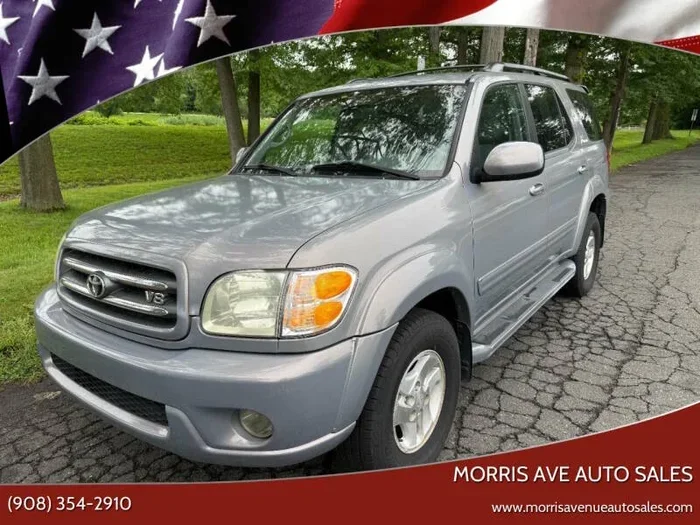
Do Toyota Sequoias Hold Their Value After Five Years
Do Toyota Sequoias hold their value? The short answer is yes — better than most full-size SUVs. Toyota Sequoias are known for strong value retention thanks to legendary reliability, brand loyalty, and high market demand. On average, a Sequoia loses about 30-35% of its value over five years, which is competitive in the SUV world.
When you drop serious money on a big SUV, you want to know one thing: will it be worth anything down the road? That is the question every Toyota Sequoia buyer asks eventually. Do Toyota Sequoias hold their value? The answer might surprise you.
The Toyota Sequoia has been a staple in the full-size SUV world for over two decades. It is big, tough, and built with the same DNA that makes Toyota trucks legendary. But does that translate into strong value retention? Let us break it all down.
In this guide, we will look at real numbers, compare the Sequoia to its rivals, and give you practical tips to keep your SUV worth as much as possible. Whether you are buying new or shopping the used market, this article has you covered.
Key Takeaways
- Strong Value Retention: Toyota Sequoias depreciate slower than many competing full-size SUVs, making them a smart long-term investment.
- Reliability Drives Resale: Toyota’s reputation for durability keeps demand high in the used market, boosting resale value.
- Trim Matters: Higher trims like the TRD Pro and Platinum tend to hold value better than base models.
- Three-Row Advantage: As one of the few remaining full-size three-row SUVs, the Sequoia fills a unique niche that supports its market value.
- Maintenance Helps: Keeping up with service records and proper care significantly slows Toyota Sequoia depreciation.
- Competitive Comparison: The Sequoia holds value better than many rivals but may trail trucks like the Toyota Tundra in some markets.
📑 Table of Contents
Understanding Toyota Sequoia Depreciation
Every vehicle loses value over time. This is called depreciation, and it is the single biggest cost of owning a car. But not all vehicles depreciate at the same rate. Some hold value incredibly well, and the Toyota Sequoia is one of them.
What Is Depreciation and Why Does It Matter?
Depreciation is the difference between what you pay for a vehicle and what it is worth later. If you buy a Sequoia for $65,000 and sell it five years later for $42,000, you have experienced about 35% depreciation. That sounds like a lot, but in the SUV world, it is actually quite good.
Here is why Toyota Sequoia depreciation matters:
- Lower cost of ownership: Slower depreciation means you lose less money over time.
- Better trade-in offers: Dealers will pay more for a well-maintained Sequoia.
- Easier resale: High demand means you can sell quickly and at a fair price.
- Financial flexibility: If you lease, lower depreciation means lower monthly payments.
Average Depreciation Rate for the Toyota Sequoia
Most full-size SUVs lose about 40-50% of their value in the first five years. The Toyota Sequoia, however, tends to fall in the 30-35% range. That is a meaningful difference. Over a ten-year ownership span, those percentage points add up to real money in your pocket.
Several factors contribute to this strong resale value:
- Toyota brand reputation: Buyers trust Toyota to deliver long-lasting vehicles.
- Proven reliability: The Sequoia has a track record of running well past 200,000 miles.
- Limited competition: Few full-size three-row SUVs remain in the market, which keeps demand steady.
- Strong used market: Families and businesses actively seek out used Sequoias for their durability and space.
How the Toyota Sequoia Compares to Other SUVs
To truly understand if the Sequoia holds its value, you need to see how it stacks up against the competition. Let us look at some direct comparisons and market positioning.
Sequoia vs. Toyota Tundra
The Toyota Tundra is a full-size truck, and trucks generally hold value better than SUVs. So how does the Sequoia compare? In many cases, the Tundra edges ahead in value retention, especially in markets where trucks are in high demand. However, the Sequoia holds its own impressively, particularly in regions where families prefer SUVs over trucks.
Both vehicles benefit from Toyota’s strong brand loyalty. If you are deciding between the two, consider that the Sequoia offers more passenger space while the Tundra provides better towing capability. Both are excellent investments for long-term ownership.
Sequoia vs. Competitor SUVs
When compared to other full-size SUVs like the Chevrolet Tahoe, Ford Expedition, and GMC Yukon, the Toyota Sequoia often comes out ahead in resale value. Here is a quick look at how they compare:
- Chevrolet Tahoe: Loses value slightly faster than the Sequoia, partly due to higher maintenance costs.
- Ford Expedition: Holds value reasonably well but generally falls short of Toyota’s numbers.
- GMC Yukon: Similar to the Tahoe, with slightly better retention thanks to the GMC brand premium.
- Toyota Sequoia: Consistently ranks at or near the top for SUV value retention in its class.
One reason the Sequoia outperforms many rivals is its reputation for reliability. Buyers know that a used Sequoia will likely not give them the headaches that some competitors might. That confidence translates directly into higher resale prices.
How Does the Sequoia Compare to Other Toyota SUVs?
Toyota SUVs are known for holding value well across the board. The Toyota 4Runner, for example, is famous for its incredible value retention and reliability. The Toyota Highlander also performs strongly in the used market. The Sequoia sits at the top of the Toyota SUV lineup in terms of size and capability, and its market value reflects that premium positioning.
If you are curious about how other Toyota SUVs hold up, you might want to check out how are Toyota 4Runners reliable or explore are Toyota Highlanders 3 row options for a broader perspective on the Toyota SUV family.
Factors That Affect Toyota Sequoia Value Retention
Not all Sequoias hold value equally. Several factors influence how well your specific vehicle retains its worth. Understanding these can help you make smarter buying and ownership decisions.
Model Year and Generation
The Toyota Sequoia has gone through a few generations since its debut in 2000. Newer generations generally benefit from updated technology, improved safety features, and modern styling — all of which support stronger value retention. However, older models from the 2000s and 2010s have also proven to hold value remarkably well due to their legendary durability.
Here are some key model year considerations:
- 2001-2007 (First Generation): These early Sequoias have become collectible in some circles. Their simplicity and ruggedness appeal to buyers looking for a dependable workhorse.
- 2008-2019 (Second Generation): This long run brought refinements and improvements. These models are the backbone of the used Sequoia market and hold value very well.
- 2020-Present (Third Generation): The newest generation features a modern platform, updated styling, and advanced tech. Early data suggests strong Toyota Sequoia depreciation resistance for these models as well.
Trim Level and Options
Not every Sequoia is created equal when it comes to resale value. Higher trims and well-optioned models tend to command better prices in the used market. Here is a quick breakdown:
- Base SR5: Holds value well but offers the fewest premium features.
- Limited: Adds comfort and convenience features that buyers love in the used market.
- Platinum: Offers luxury touches that help it retain value above the base model.
- TRD Pro: The performance-oriented trim is highly sought after and often holds the strongest market value.
- 1794 Edition: Named after Toyota’s off-road heritage, this trim appeals to enthusiasts and holds value well.
Mileage and Condition
This one is obvious but worth emphasizing. A Sequoia with 60,000 miles in excellent condition will always be worth more than one with 150,000 miles and visible wear. Regular maintenance, clean interiors, and accident-free history all contribute to stronger value retention.
Here are quick tips for preserving your Sequoia’s condition:
- Keep up with all scheduled maintenance and save the records.
- Address small issues before they become big problems.
- Keep the interior clean and protect the exterior with regular washing and waxing.
- Store the vehicle in a garage or covered area when possible.
Market Demand and Regional Factors
Where you live matters. In regions with harsh winters, four-wheel-drive Sequoias hold value better. In areas where trucks and SUVs dominate, the Sequoia’s market value stays strong. Urban areas with less demand for large vehicles may see slightly faster depreciation.
Toyota Sequoia Value by Model Year and Trim
Let us get specific. If you are shopping for a used Sequoia or planning to sell yours, here is what you can expect in terms of value retention over a five-year period.
Five-Year Value Estimates
Based on general market trends and historical data, here is a rough estimate of how a new Toyota Sequoia holds its value over five years:
- Year 0 (New): $60,000 – $75,000+ depending on trim and options.
- Year 1: $48,000 – $60,000 (approximately 20% depreciation).
- Year 3: $36,000 – $45,000 (approximately 35-40% depreciation).
- Year 5: $30,000 – $40,000 (approximately 30-35% depreciation).
- Year 10: $18,000 – $28,000 (depending on condition and mileage).
These numbers can vary based on the factors we discussed above. But the overall trend is clear: the Toyota Sequoia holds value remarkably well for a large SUV.
Why the Sequoia Outperforms Expectations
Several reasons explain why the Sequoia beats the average for its class:
- Toyota reliability reputation: Buyers know these vehicles last. That confidence supports higher used prices.
- Strong towing and capability: The Sequoia can tow up to 9,520 pounds, making it useful for work and recreation.
- Three-row practicality: With the decline of three-row SUVs from other manufacturers, the Sequoia becomes more desirable.
- Toyota brand loyalty: Repeat buyers often return to Toyota, creating a steady demand for used models.
If you are exploring other Toyota options, you might also wonder about are Toyota Tundras reliable or how are Toyota Rav4s reliable — both of which speak to the broader Toyota ownership experience that supports the Sequoia’s strong resale numbers.
Tips to Maximize Your Toyota Sequoia’s Resale Value
Want to get the most money back when it is time to sell or trade in your Sequoia? Follow these practical tips to protect your investment.
1. Keep a Complete Service History
Buyers and dealers love seeing documented maintenance. Every oil change, tire rotation, and major service should be recorded. A full service history tells buyers the vehicle was cared for, which directly supports a higher market value.
2. Avoid Modifications That Narrow Your Buyer Pool
Custom lifts, aggressive body kits, and aftermarket wheels can turn away potential buyers. While some modifications are appealing, most reduce the number of people willing to pay top dollar. Stick with factory options or mild, tasteful upgrades.
3. Address Issues Promptly
Small problems become big expenses fast. A minor rattles or a check engine light can scare off buyers and lower your offer. Fix issues early and keep the vehicle running smoothly.
4. Keep Mileage Reasonable
Low mileage always helps, but even higher-mileage Sequoias hold value well thanks to Toyota’s durability reputation. Still, keeping annual mileage under 15,000 miles will help your resale value stay strong.
5. Sell at the Right Time
Timing matters. Spring and early summer are typically the best times to sell a large SUV. Families are shopping for summer road trips, and demand for vehicles like the Sequoia increases.
6. Clean and Detail Before Selling
First impressions matter enormously. A professionally detailed Sequoia with clean carpets, shining exterior, and fresh interior smells will always fetch a better price than one that looks neglected. This small investment can return significant dividends in your final sale price.
The Bottom Line: Are Toyota Sequoias Worth It?
So, do Toyota Sequoias hold their value? The evidence says yes. The Sequoia consistently outperforms many competitors in value retention, thanks to Toyota’s reliability reputation, strong brand loyalty, and the vehicle’s unique position in the market as a capable, spacious, full-size three-row SUV.
Is the Sequoia perfect? No vehicle is. Some critics point to its aging interior design and less-than-class-leading fuel economy. But when you factor in the total cost of ownership — including strong resale value and low repair costs — the Sequoia becomes a compelling choice for anyone who needs a big, dependable SUV.
If you are in the market for a used Sequoia or planning to sell one, you are making a smart move. This vehicle has proven time and again that it is worth the investment. Whether you are looking at a 2010 model or a brand-new 2024, the Toyota Sequoia delivers on both capability and value retention.
For those interested in exploring other Toyota options, consider checking out whether are Toyota Sienna rear seats removable or learn about do any SUVs get 40 mpg for a broader view of the SUV landscape. And if you are curious about the full Toyota ownership experience, understanding can I take my Toyota to any dealership for service can help you make the most of your investment.
The Toyota Sequoia is more than just a big SUV. It is a statement about what matters: reliability, capability, and long-term value. If those things matter to you, the Sequoia deserves a spot at the top of your list.
Frequently Asked Questions
How much does a Toyota Sequoia depreciate in 5 years?
On average, a Toyota Sequoia depreciates about 30-35% over five years. This is better than most full-size SUVs, which typically lose 40-50% in the same timeframe. Your actual depreciation will depend on the trim, condition, mileage, and local market demand.
Is the Toyota Sequoia a good investment for used car buyers?
Yes, the Sequoia is widely considered a solid investment in the used SUV market. Its strong reliability reputation and limited competition in the full-size three-row segment help it maintain excellent resale value compared to many rivals.
Which Toyota Sequoia trim holds its value best?
The TRD Pro and Platinum trims tend to hold their value the strongest. The 1794 Edition also performs well in the used market. These trims offer desirable features and capabilities that buyers actively seek out, supporting higher market value over time.
How does the Toyota Sequoia’s value retention compare to the Toyota Tundra?
Trucks generally hold value slightly better than SUVs, so the Tundra may edge ahead in some markets. However, the Sequoia holds its own very well, especially in regions where families prefer SUVs over trucks. Both vehicles benefit from Toyota’s strong brand loyalty and reliability reputation.
Can I improve my Toyota Sequoia’s resale value with regular maintenance?
Absolutely. Regular maintenance is one of the most effective ways to protect your Sequoia’s value retention. Keeping detailed service records, addressing issues promptly, and maintaining the vehicle in clean, mechanical-good condition will all help you get more money when you sell.
Are newer Toyota Sequoias better at holding value than older ones?
Newer Sequoias benefit from updated technology and modern features that appeal to buyers. However, older models from the second generation (2008-2019) have also proven excellent at holding value due to their proven reliability and durability. Both new and older Sequoias can offer strong Toyota Sequoia depreciation resistance when properly maintained.
=== CONCLUSION ===
The Toyota Sequoia stands out as one of the best full-size SUVs for value retention. With depreciation rates that beat the competition, a reputation for bulletproof reliability, and strong demand in the used market, the Sequoia proves that big SUVs can be smart financial choices. Whether you are buying new or shopping the used market, the Sequoia delivers capability, comfort, and long-term value that few rivals can match. Take care of your vehicle, keep the records, and enjoy the ride knowing your investment is protected.