What Happens If I Drive My Car in Sport Mode All the Time
Driving in sport mode all the time increases engine RPM, reduces fuel economy, and adds wear to your transmission and brakes. While it delivers a more thrilling driving experience, constant use can lead to higher maintenance costs and shorter component life. Use sport mode strategically for spirited driving, not as your default setting.
You have probably seen the sport mode button on your car’s console. Maybe you have even pressed it a few times while cruising down the highway. It makes your car feel more alive. The engine revs higher. The transmission holds gears longer. Every press of the accelerator feels more immediate and exciting.
But what happens if you drive your car in sport mode all the time? Is it harmless fun, or does it quietly damage your vehicle? Many car owners assume sport mode is just a harmless setting. They think it only changes how the car sounds and feels. The truth is more complex. Sport mode changes how your engine, transmission, and drivetrain work. And those changes have real consequences over weeks, months, and years of constant use.
In this article, we will walk through exactly what happens inside your car when you leave sport mode on all the time. We will cover fuel economy, engine wear, transmission health, brake and tire impact, and long-term maintenance costs. By the end, you will know whether sport mode deserves a permanent spot in your driving routine or if it is better saved for special occasions.
Key Takeaways
- Sport mode changes how your car responds: It sharpens throttle, holds gears longer, and increases RPM for a sportier feel.
- Fuel economy drops significantly: Constant sport mode use can reduce your miles per gallon by 10 to 20 percent or more.
- Engine and transmission wear increases: Higher RPMs and more heat put extra stress on key components over time.
- Brake and tire wear accelerates: Sport mode encourages harder driving, which wears out brakes and tires faster.
- Maintenance costs go up: More frequent oil changes, brake pad replacements, and transmission service are needed.
- Sport mode is best used in short bursts: Save it for open roads, weekends, or spirited driving sessions.
- Normal mode is better for daily driving: It balances performance with fuel efficiency and component longevity.
📑 Table of Contents
What Sport Mode Actually Does
Before we look at the long-term effects, let us understand what sport mode does in the first place. When you press that button or switch, your car changes several settings at once. These changes are designed to make your driving more aggressive and responsive.
How Sport Mode Changes Your Driving
Sport mode alters the way your car’s computer manages the engine and transmission. Here is what typically happens when you activate it:
- Throttle response becomes sharper: Your car reacts faster to small inputs on the accelerator pedal.
- The transmission shifts later: Instead of upshifting at low RPMs, the gearbox holds gears longer to keep the engine in its power band.
- RPM stays higher: Your engine idles and runs at higher revolutions per minute, which gives it a more aggressive sound.
- Steering feels heavier: In some cars, sport mode tightens the steering response for better cornering control.
- Engine braking increases: The car resists slowing down less, which means you rely more on the brakes.
All of these changes feel great in the moment. They make your daily commute feel more exciting. But they also put extra strain on your car’s systems. That is where the problems begin.
What Happens Under the Hood
When sport mode is active, your engine works harder than it does in normal mode. The computer tells the fuel injectors to deliver more fuel. The ignition timing changes. The engine operates at higher temperatures more often. Over time, this constant stress adds up. Components that would normally last a long time may wear out faster than expected.
Think of it like running a marathon every single day instead of occasional exercise. Your body would break down much faster. The same principle applies to your car’s engine and drivetrain.
Fuel Economy and Sport Mode
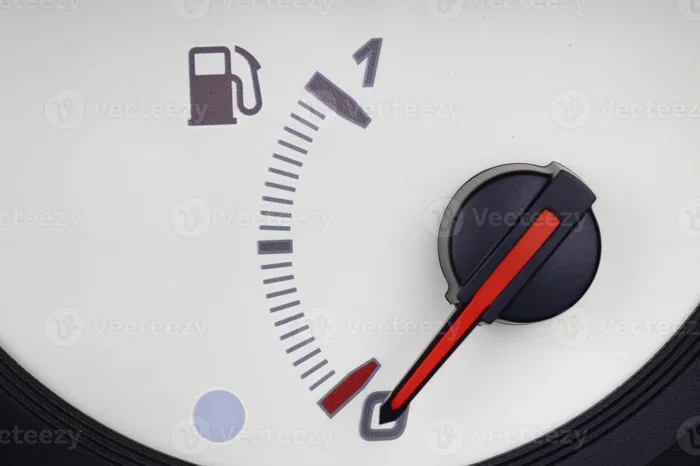
One of the most noticeable effects of driving in sport mode all the time is the hit to your fuel economy. If you have ever wondered why you are visiting the gas station more often, sport mode might be the culprit.
Why Your Gas Mileage Drops
Sport mode forces your engine to burn more fuel. Here is why that happens:
- Higher RPMs mean more fuel burned: The engine stays at higher revolutions, which uses more gasoline or diesel with every rotation.
- Sharper throttle means more fuel dumps: When you press the pedal lightly, sport mode still delivers more fuel than normal mode would.
- Longer gear holds keep the engine working hard: The transmission stays in lower gears where the engine consumes more fuel.
Studies and real-world tests show that driving in sport mode can reduce your fuel economy by 10 to 20 percent. For someone who drives 12,000 miles a year, that could mean spending several hundred extra dollars on fuel annually. Over five years, the cost adds up quickly.
The Cost of Constant Sport Driving
Let us look at a simple example. Say your car gets 30 miles per gallon in normal mode. In sport mode, it might drop to 24 miles per gallon. If you drive 1,000 miles a month and gas costs three dollars per gallon, you would spend about 100 dollars a month in normal mode. In sport mode, that jumps to about 125 dollars. That is an extra 300 dollars a year just from the sport mode setting.
Now add the increased wear on engine components, and the real cost becomes even higher. Fuel economy is just the beginning of the financial impact.
Engine and Transmission Health
The heart of your car is the engine. The transmission connects that engine to the wheels. Both are expensive to repair or replace. Sport mode puts both of these critical systems under more stress than normal driving ever would.
Increased Wear on Key Components
When you drive in sport mode constantly, several engine and transmission parts experience extra wear:
- Piston rings and cylinder walls: Higher RPMs increase friction and heat in these areas. Over time, this can reduce engine compression.
- Valve train components: The valves open and close more frequently at higher RPMs, which wears out the timing chain, camshafts, and lifters faster.
- Transmission clutches and bands: In automatic cars, the transmission clutch packs work harder when the gearbox holds lower gears longer.
- Torque converter: This component deals with more stress when the engine runs at higher RPMs for extended periods.
None of these parts are cheap to replace. A transmission rebuild can cost anywhere from 1,800 to 3,500 dollars. Engine repairs can easily run into the thousands. While sport mode alone might not cause a catastrophic failure, it certainly shortens the lifespan of these components.
Transmission Fluid and Heat
Heat is the enemy of any transmission. Sport mode generates more heat because the transmission works harder. The fluid inside the gearbox breaks down faster when temperatures stay elevated. Old or degraded transmission fluid leads to rough shifting, slipping gears, and eventually major transmission failure.
If you drive in sport mode all the time, you should check your transmission fluid more often. Most experts recommend changing it every 30,000 miles instead of the standard 60,000-mile interval. This small maintenance step can save you thousands of dollars in the long run.
Driving Dynamics and Safety
Sport mode changes how your car handles, accelerates, and brakes. These changes affect your driving experience and, in some cases, your safety on the road.
How Sport Mode Changes Handling
When sport mode is active, your car feels more planted and responsive. The steering weighs up, the suspension firms up (in cars with adjustable suspension), and the powertrain delivers power more eagerly. This can be fun on a winding road or a track day.
But on a rainy morning commute or a busy highway, sport mode can work against you. The sharper throttle response means a small pedal input can cause a sudden burst of acceleration. In wet or icy conditions, this increases the risk of wheel spin and loss of control.
When Sport Mode Helps and When It Does Not
Here is a simple way to think about when sport mode makes sense:
- Use sport mode when: You are on open roads, driving on weekends, or want a more engaging driving experience.
- Avoid sport mode when: Roads are wet, icy, or gravelly. You are in heavy traffic. You want to maximize fuel efficiency.
The best drivers adapt their driving mode to the conditions. Leaving sport mode on all the time means you lose the ability to fine-tune your car’s behavior to match the road and weather.
Long-Term Effects on Your Car
Driving in sport mode every day does not just affect your immediate driving experience. It has long-term consequences for your car’s components and your wallet. Let us look at the bigger picture.
Brake and Tire Wear
Sport mode encourages harder driving. You accelerate faster. You brake later and harder. Both of these habits wear out your brakes and tires more quickly.
Brake pads in normal driving might last 40,000 to 60,000 miles. With constant sport mode use, that number can drop to 25,000 or even lower. Brake rotors can warp more often too. Tires wear unevenly when you push the car harder through corners and hard acceleration. Replacing a set of performance tires can cost 600 dollars or more.
Maintenance Costs Over Time
All of these factors combine to raise your car maintenance costs. Here is a quick comparison:
- Oil changes: You may need them more frequently because the engine runs hotter and dirtier in sport mode.
- Brake service: Pads and rotors wear out faster, requiring more frequent replacements.
- Tire replacements: Aggressive driving eats through tire tread more quickly.
- Transmission service: Fluid degrades faster, and the transmission itself may need attention sooner.
- Engine repairs: Increased wear on internal components can lead to earlier major repairs.
Over the life of your car, these costs can add up to thousands of dollars. Sport mode is not free, even if it does not cost you anything to press the button.
Should You Use Sport Mode All the Time?
Now that you know the full picture, the real question becomes: should you use sport mode all the time? The honest answer is no. But that does not mean you should never touch the button either.
When Sport Mode Makes Sense
Sport mode has its place. Here are situations where it makes perfect sense to use it:
- Open highways with light traffic: You can enjoy the extra power and responsiveness safely.
- Weekend drives or road trips: When you have time to enjoy the driving experience without rushing.
- Track days or spirited driving: Sport mode is designed for exactly this kind of use.
- Overtaking on two-lane roads: The extra throttle response can help you complete passes quickly and safely.
Best Practices for Sport Mode Use
Here are some practical tips to get the most out of sport mode without damaging your car:
- Switch to sport mode when you need it: Turn it on for spirited driving sessions, then switch back to normal mode when you are done.
- Monitor your gauges: Keep an eye on engine temperature and RPMs. If the engine is running hot, switch back to normal mode.
- Adjust your driving habits: Even in sport mode, avoid aggressive launches and hard braking in everyday traffic.
- Stay on top of maintenance: Shorten your oil change and brake inspection intervals if you use sport mode often.
- Use your ears: If your engine sounds strained or the transmission shifts roughly, give it a break.
The best approach is to treat sport mode as a tool rather than a default setting. Use it when the situation calls for it, and let your car relax in normal mode the rest of the time.
Final Thoughts
Driving your car in sport mode all the time is tempting. The sharper throttle, the higher RPMs, and the more engaging feel are hard to resist. But the costs are real and they add up. You will burn more fuel, wear out your brakes and tires faster, put extra stress on your engine and transmission, and face higher maintenance bills over the life of your vehicle.
The smart approach is simple. Use sport mode when you want a more exciting driving experience. Switch back to normal mode for your daily commute, bad weather, and fuel-saving trips. Your car will last longer, run better, and save you money in the long run.
Sport mode is a great feature when used correctly. Treat it as a fun upgrade for special moments, not a permanent setting. Your car and your wallet will thank you.
Frequently Asked Questions
Can driving in sport mode all the time damage my engine?
Yes, constant sport mode use can accelerate engine wear. The higher RPMs, increased fuel delivery, and extra heat put more stress on pistons, valve train components, and cylinder walls. While it may not cause immediate failure, it shortens the overall lifespan of engine parts over time.
How much does sport mode affect fuel economy?
Sport mode typically reduces fuel economy by 10 to 20 percent. The exact drop depends on your car model, driving habits, and road conditions. If you drive 12,000 miles a year, this could mean spending an extra 200 to 500 dollars on fuel annually.
Is it okay to use sport mode in the rain?
It is not recommended. Sport mode delivers power more aggressively, which increases the risk of wheel spin on wet roads. The sharper throttle response can cause loss of traction, especially on slippery surfaces. Always use normal mode in rainy or icy conditions.
How often should I change my transmission fluid if I use sport mode?
If you frequently drive in sport mode, change your transmission fluid every 30,000 miles instead of the standard 60,000-mile interval. Sport mode generates more heat, which breaks down transmission fluid faster. Fresh fluid helps protect your gearbox from premature wear.
Does sport mode make my car faster?
Sport mode does not add horsepower or torque. What it does is change how your car delivers the power it already has. Throttle response becomes sharper, the transmission holds gears longer, and the engine stays in its power band more often. The result feels faster, but the actual horsepower numbers stay the same.
Can I leave sport mode on while parked?
Leaving sport mode on while parked does not damage your car. However, it may cause the engine to idle at a slightly higher RPM, which uses a tiny bit more fuel. It is best to switch back to normal mode when you are parked or in stop-and-go traffic for the best fuel efficiency and comfort.