What Is the Code for a Bad Camshaft Position Sensor
The code for a bad camshaft position sensor is typically P0340, but several related codes can also point to a failing sensor. This guide covers every camshaft position sensor code, what they mean, common symptoms to watch for, and simple steps to fix the problem yourself or with a mechanic.
Your car talks to you. It does this through codes stored in its computer system. When something goes wrong under the hood, the check engine light turns on and a specific code gets saved. One of the most common codes drivers encounter involves the camshaft position sensor. If you have ever wondered what the code for a bad camshaft position sensor actually is, you are in the right place. This article breaks it all down in simple, easy-to-understand language.
We will cover the specific codes, what they mean, how to spot the symptoms early, and what steps you can take to fix the problem. Whether you are a DIY mechanic or someone who just wants to understand what the shop is telling you, this guide has you covered. Let us dive right in.
Key Takeaways
- P0340 is the most common code for a bad camshaft position sensor.
- Other related codes include P0341, P0342, P0343, P0344, and P0016.
- Common symptoms include rough idle, stalling, hard starting, and a check engine light.
- You can diagnose the issue at home with an OBD-II scanner.
- Replacement cost typically ranges from $100 to $300 for parts and labor.
- Driving with a bad sensor is risky and can damage your engine over time.
- Regular maintenance helps prevent camshaft sensor issues before they start.
📑 Table of Contents
- What Is the Camshaft Position Sensor?
- What Is the Code for a Bad Camshaft Position Sensor?
- Common Symptoms of a Bad Camshaft Position Sensor
- How to Diagnose a Bad Camshaft Position Sensor Code
- Camshaft Position Sensor vs. Crankshaft Position Sensor
- How to Fix a Camshaft Position Sensor Code
- Camshaft Position Sensor Replacement Cost
- Can You Drive with a Bad Camshaft Position Sensor?
- Prevention Tips for Camshaft Sensor Problems
- Expert Insights on Camshaft Sensor Codes
- Key Takeaways
- Conclusion
What Is the Camshaft Position Sensor?
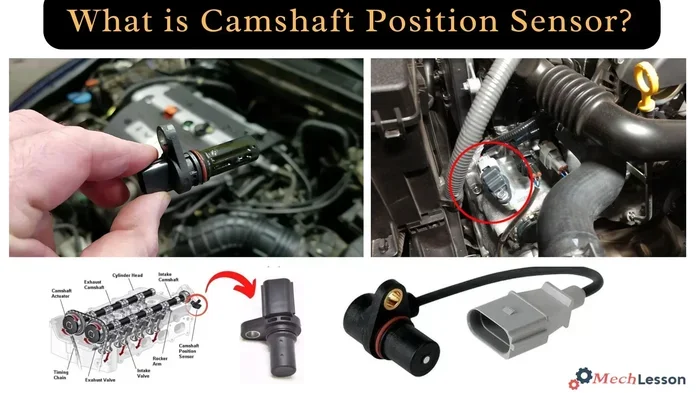
Before we talk about codes, it helps to understand what the camshaft position sensor actually does. This small device sits near the camshaft in your engine. Its job is to monitor the position and speed of the camshaft. It sends this information to your car’s engine control module, also called the ECM or PCM. The computer uses this data to control fuel injection and spark timing. Without accurate data from this sensor, your engine cannot run properly.
Why Does the Camshaft Sensor Matter?
The camshaft sensor works closely with the crankshaft position sensor. Together, they tell the engine exactly where everything is in the combustion cycle. This coordination is essential for smooth operation. If the camshaft sensor fails or sends wrong signals, the engine timing gets thrown off. This can lead to poor performance, reduced fuel economy, and even engine damage over time.
What Is the Code for a Bad Camshaft Position Sensor?
The most well-known code is P0340. This is the general code that means the camshaft position sensor circuit has a malfunction. However, several other codes can also point to a bad camshaft sensor. Let us look at each one so you know exactly what you are dealing with.
Code P0340: Camshaft Position Sensor Circuit Malfunction
This is the primary code for a bad camshaft position sensor. It means the ECM is not receiving a proper signal from the sensor. The problem could be a faulty sensor, damaged wiring, or a bad connector. This code is the one most mechanics look for first when diagnosing camshaft sensor issues.
Code P0341: Camshaft Position Sensor Circuit Range/Performance
This code means the sensor signal is out of the expected range. The sensor might be working, but the signal it sends is weak or inconsistent. This often points to a worn sensor or problems with the camshaft timing itself.
Code P0342: Camshaft Position Sensor Circuit Low Input
A P0342 code means the sensor is sending a signal that is too low. This usually happens when the wiring has a short or the sensor is failing. It can also be caused by a poor ground connection in the sensor circuit.
Code P0343: Camshaft Position Sensor Circuit High Input
The opposite of P0342, this code means the signal is too high. A short in the wiring or a failing sensor can cause this. Sometimes, a problem with the engine control module itself can trigger this code, though that is rare.
Code P0344: Camshaft Position Sensor Intermittent
This code indicates the problem comes and goes. It can be tricky to diagnose because the sensor might test fine one day and fail the next. Wiring issues or connector corrosion are common culprits for this intermittent code.
Code P0016: Camshaft Position Timing Over-Advanced
While not exclusively a camshaft sensor code, P0016 often relates to variable valve timing or VVT system problems. A bad camshaft sensor can cause this code because the computer cannot properly time the camshaft rotation.
Common Symptoms of a Bad Camshaft Position Sensor
You do not always need a scanner to know something is wrong. Your car gives you plenty of warning signs. Here are the most common symptoms to watch for.
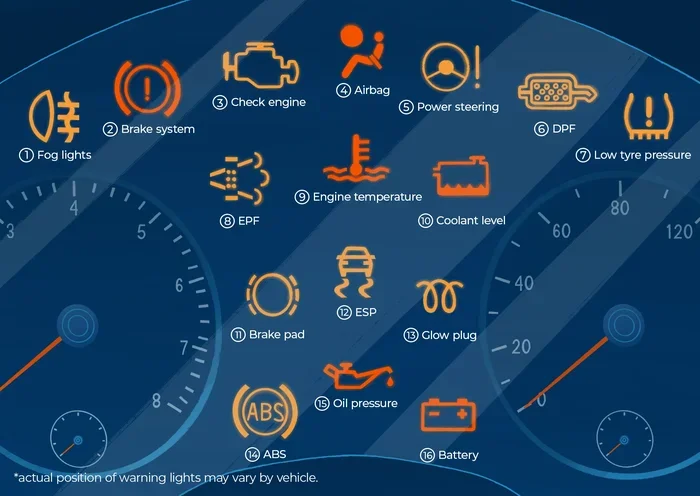
Check Engine Light
The check engine light is the first and most obvious sign. As soon as the computer detects a problem with the camshaft sensor signal, it stores a code and illuminates the warning light on your dashboard. Do not ignore this light, even if the car seems to drive fine.
Rough Idle or Stalling
A failing camshaft sensor can cause your engine to idle roughly or stall unexpectedly. You might notice the engine shakes at a stoplight or dies when you slow down. This happens because the fuel injection timing gets disrupted without accurate camshaft position data.
Hard Starting
Having trouble starting your car? A bad camshaft sensor can make it difficult for the engine to fire up. The computer relies on the sensor to know when to inject fuel and fire the spark plugs. Without that information, starting becomes a struggle.
Engine Misfires
If your engine is misfiring, the camshaft position sensor could be to blame. Misfires feel like a jerking or stumbling sensation when you are driving. They happen when the timing between fuel delivery and spark is off. A faulty sensor throws off this delicate balance.
Poor Fuel Economy
Have you noticed you are filling up more often? A bad camshaft sensor can cause the engine to run inefficiently. The computer may inject too much fuel because it does not have accurate timing information. Over time, this wastes gas and costs you money.
Reduced Engine Power
Some vehicles go into a limp mode when the camshaft sensor fails. This limits engine power to protect the engine from damage. You might notice your car feels sluggish or lacks its usual responsiveness on the road.
How to Diagnose a Bad Camshaft Position Sensor Code
Diagnosing this issue is easier than you might think. You do not need to be a professional mechanic to get started. Here is a simple step-by-step process you can follow at home.
Step 1: Get an OBD-II Scanner
An OBD-II scanner is a small device that plugs into your car’s diagnostic port. You can buy one for under $50 at most auto parts stores. Plug it in, turn the ignition on, and read the stored codes. Write down all the codes you see, especially any starting with P0340 or P0016.
Step 2: Check the Wiring and Connector
Before replacing the sensor, inspect the wiring and connector first. Look for frayed wires, corrosion, or loose connections. Sometimes the problem is not the sensor at all but a damaged wire. This simple check can save you money on an unnecessary replacement.
Step 3: Test the Sensor
Use a multimeter to test the sensor’s resistance and signal output. Refer to your vehicle’s service manual for the correct specifications. If the readings fall outside the expected range, the sensor likely needs to be replaced.
Step 4: Clear the Codes and Test Drive
After making any repairs, clear the codes with your scanner and take the car for a test drive. If the check engine light comes back on, there may be a deeper issue. Return to your scanner and check for new codes. This process helps confirm whether your fix worked.
Camshaft Position Sensor vs. Crankshaft Position Sensor
People often confuse these two sensors, but they serve different purposes. The crankshaft position sensor monitors the rotation speed and position of the crankshaft. The camshaft sensor monitors where the camshaft is in its rotation cycle. Together, they give the engine control module the complete picture of engine timing.
When a code appears, it is important to determine which sensor is actually causing the problem. A bad crankshaft sensor can sometimes trigger symptoms that look like a camshaft sensor issue. Using a quality scanner and following the diagnostic steps above helps you pinpoint the exact problem.
How to Fix a Camshaft Position Sensor Code
Once you have confirmed the sensor is the problem, fixing it is straightforward. Here is what you need to know.
DIY Replacement
Replacing the camshaft position sensor is one of the easier repairs you can do yourself. The sensor is usually located near the top of the engine, either on the cylinder head or the timing cover. Here is a quick overview of the process.
- Disconnect the negative battery terminal for safety.
- Locate the sensor using your vehicle repair manual.
- Unplug the electrical connector from the sensor.
- Remove the mounting bolt and pull the old sensor out.
- Install the new sensor and secure it with the bolt.
- Reconnect the electrical connector and battery.
- Clear the codes and test drive the vehicle.
When to See a Professional Mechanic
If you are not comfortable working on your car, or if the code keeps coming back after replacement, it is time to see a mechanic. Sometimes the problem lies deeper in the wiring harness or the engine control module. A professional has the tools and expertise to diagnose these complex issues. They can also check the camshaft actuator and VVT system for related problems.
Camshaft Position Sensor Replacement Cost
The cost to replace a camshaft position sensor is generally affordable. The sensor itself usually costs between $20 and $100, depending on your vehicle make and model. Labor costs add another $50 to $200 at most repair shops. In total, you can expect to pay around $100 to $300 for parts and labor combined.
If you do the repair yourself, you only pay for the part. This makes it one of the more budget-friendly engine repairs you can tackle. Keep in mind that prices vary based on your location and the specific vehicle you drive.
Can You Drive with a Bad Camshaft Position Sensor?
The short answer is: it depends. In some cases, the car will still run, though not as well as it should. You might experience rough idling, misfires, or reduced power. However, driving with a bad sensor for too long can cause serious engine problems. Poor timing can lead to engine misfires, catalytic converter damage, and even internal engine damage in severe cases.
If you get a camshaft sensor code, get it checked out as soon as possible. Addressing the issue early saves you from more expensive repairs down the road. It also keeps your car running safely and reliably.
Prevention Tips for Camshaft Sensor Problems
You cannot prevent every sensor failure, but you can take steps to reduce the risk. Here are some practical tips.
- Keep your engine clean. Oil and debris can damage sensor connectors over time.
- Check wiring regularly. Look for wear, fraying, or corrosion on sensor wires during routine maintenance.
- Use quality parts. When replacing sensors, choose OEM or reputable aftermarket parts.
- Address check engine lights promptly. Do not ignore warning lights. The sooner you diagnose the issue, the less damage it can cause.
- Follow your maintenance schedule. Regular oil changes and engine tune-ups help keep all sensors and systems working properly.
Expert Insights on Camshaft Sensor Codes
Experienced mechanics often see the same mistakes when diagnosing camshaft sensor codes. One common error is replacing the sensor without checking the wiring first. Another is assuming a single code tells the whole story. Sometimes multiple codes appear together, and they all point to a root cause like a wiring problem or a failing engine control module.
Experts also recommend using a quality OBD-II scanner that provides live data, not just stored codes. Live data lets you see the sensor signal in real time. This makes it much easier to determine whether the sensor is truly failing or if the problem lies elsewhere in the circuit.
Key Takeaways
- P0340 is the most common code for a bad camshaft position sensor.
- Other related codes include P0341, P0342, P0343, P0344, and P0016.
- Common symptoms include rough idle, stalling, hard starting, and a check engine light.
- You can diagnose the issue at home with an OBD-II scanner.
- Replacement cost typically ranges from $100 to $300 for parts and labor.
- Driving with a bad sensor is risky and can damage your engine over time.
- Regular maintenance helps prevent camshaft sensor issues before they start.
Conclusion
Now you know exactly what the code for a bad camshaft position sensor is. The primary code is P0340, but several related codes can also point to this problem. By understanding these codes and their symptoms, you can take action quickly and avoid more serious engine damage. Whether you choose to diagnose and fix the issue yourself or visit a mechanic, the most important thing is to address it promptly.
Your camshaft position sensor plays a small but vital role in keeping your engine running smoothly. Take care of it, and your car will reward you with reliable performance for years to come. Do not wait for a small sensor problem to turn into a big engine repair. Use the knowledge from this guide to stay ahead of camshaft sensor issues and keep your vehicle in top shape.
Frequently Asked Questions
What does the P0340 camshaft position sensor code mean?
The P0340 code means the engine control module has detected a malfunction in the camshaft position sensor circuit. This could be caused by a faulty sensor, damaged wiring, or a bad connector. It is the most common code associated with camshaft sensor problems.
Can a bad camshaft position sensor cause a car to stall?
Yes, a failing camshaft sensor can cause your engine to stall, especially at idle or low speeds. The sensor provides critical timing data to the engine computer, and without it, the engine cannot properly manage fuel injection and spark timing.
How much does it cost to replace a camshaft position sensor?
Replacement costs typically range from $100 to $300 for parts and labor combined. The sensor part itself costs between $20 and $100, while labor adds another $50 to $200 depending on your vehicle and location.
Can I drive my car with a camshaft position sensor code?
It is not recommended. While your car may still run in some cases, driving with a bad camshaft sensor can lead to engine misfires, poor performance, and potential damage to other components like the catalytic converter.
How do I know if it is the camshaft sensor or the crankshaft sensor causing the problem?
An OBD-II scanner will give you specific codes that point to one sensor or the other. Camshaft sensor codes start with P0340, while crankshaft sensor codes typically start with P0335. A professional mechanic can also test both sensors to determine which one is failing.
Can a dirty engine oil cause camshaft position sensor problems?
Yes, dirty or contaminated oil can affect the camshaft actuator and sensor operation. Oil debris can clog the VVT system and interfere with sensor signals. Regular oil changes help prevent this type of issue.