Why Isnt My Bluetooth Working in My Car Right Now
Why Isnt My Bluetooth Working in My Car is one of the most common frustrations drivers face every day. The issue usually stems from Bluetooth settings, compatibility problems, or signal interference. This guide walks you through the most common causes and the fastest fixes to get your wireless connection back. You will learn troubleshooting steps, expert tips, and when to use a Bluetooth adapter. Keep reading to restore your car audio system in minutes.
Why Isnt My Bluetooth Working in My Car is one of the most common frustrations drivers face every day. Whether you are trying to stream music, take hands-free calls, or use navigation apps, a failed Bluetooth connection can ruin your drive. The good news is that most Bluetooth problems have simple causes and even simpler fixes. This guide covers the top reasons your wireless connection drops and gives you step-by-step solutions that actually work. Keep reading to get your car audio system back up and running in no time.
There is nothing worse than pressing play on your favorite playlist and hearing nothing but silence. Or worse yet, trying to answer an important call and realizing your phone is not connecting to the car stereo. Bluetooth technology has made driving more connected and convenient, but it is not always perfect. Interference, outdated software, and simple human error can all cause problems. This article will walk you through everything you need to know to fix your connection and prevent future issues.
We will cover the most common reasons Bluetooth fails in vehicles, give you a clear troubleshooting guide, and share expert tips to keep your wireless connectivity strong. Whether you drive a new model with built-in infotainment or an older car with an aftermarket stereo, you will find practical advice here. Let us dive in and solve this problem for good.
Key Takeaways
- Bluetooth pairing issues are the most common reason for connection failures in cars.
- Resetting both devices solves the problem in most cases quickly.
- Software updates on your phone or car infotainment system can fix hidden bugs.
- Signal interference from other devices can weaken your Bluetooth connection.
- A Bluetooth adapter is a great solution for older car audio systems.
- Distance matters even inside the car, so keep your phone close to the antenna.
- Regular maintenance of Bluetooth settings prevents most problems before they start.
📑 Table of Contents
- Why Isnt My Bluetooth Working in My Car: Top Reasons and Fixes
- How to Troubleshoot Your Car Bluetooth Connection
- Car Bluetooth vs Phone Bluetooth: What’s Different?
- When to Use a Bluetooth Adapter for Your Car
- Expert Tips to Keep Your Car Bluetooth Running Smoothly
- Final Thoughts on Fixing Car Bluetooth Issues
Why Isnt My Bluetooth Working in My Car: Top Reasons and Fixes
Before you start troubleshooting, it helps to understand what might be causing the problem. Several factors can interrupt your Bluetooth connection, and most of them are easy to fix. Let us look at the most common culprits so you can narrow down the issue quickly.
Bluetooth Compatibility Issues
Not all devices play well together. Your phone and your car stereo may use different Bluetooth versions, which can cause pairing problems. Older car audio systems might not support the latest Bluetooth features that newer phones rely on. For example, Bluetooth 5.0 offers better range and faster data transfer than Bluetooth 4.2. If your car stereo only supports the older version, you may experience dropped connections or poor audio quality when streaming music.
Device compatibility also depends on the Bluetooth profiles your car supports. The Hands-Free Profile (HFP) handles calls, while the Advanced Audio Distribution Profile (A2DP) handles music streaming. If your car stereo does not fully support A2DP, you might be able to make hands-free calls but not stream music wirelessly. This is a common pairing problem that many drivers overlook. Always check what Bluetooth profiles your car stereo supports before assuming something is broken.
Another compatibility issue arises when your phone uses Bluetooth 5.0 or newer but your car stereo only supports Bluetooth 4.0 or older. The newer phone may try to use features the car stereo cannot handle, causing the connection to fail. In these cases, your phone may automatically fall back to an older Bluetooth mode, but this can reduce audio quality and connection stability. Understanding your device’s Bluetooth version is the first step in solving compatibility problems.
Distance and Signal Interference
Bluetooth has a limited range, typically about 30 feet. Even inside a car, your phone’s location matters a lot. If you keep your phone in the back seat or in a closed compartment, the Bluetooth signal may weaken significantly. The car stereo antenna is usually located near the front of the vehicle, so keeping your phone close to the center console gives you the best signal strength.
Signal interference is another hidden enemy that many drivers do not consider. Other wireless devices, USB cables, and even the car’s electrical system can disrupt Bluetooth wireless connectivity. Things like Wi-Fi routers, microwave ovens, and other Bluetooth devices in the area can create interference. This is especially true in crowded parking lots or dense urban areas where many wireless signals compete for space.
Metal tinting on your windshield can also block Bluetooth signals. Some cars have metallic film on the windows that blocks radio frequencies, including the Bluetooth signal. If you notice your Bluetooth connection is weaker near the windows or on certain sides of the car, this could be the reason. Moving your phone to the center of the car or using a Bluetooth signal booster can help overcome this issue.
Software and Firmware Problems
Outdated software is one of the biggest reasons Bluetooth stops working unexpectedly. Both your phone and your car infotainment system run on software that gets updated regularly. When a software update rolls out, it can change how Bluetooth connections behave. Sometimes updates fix bugs, and sometimes they introduce new ones that affect Bluetooth performance.
Firmware issues in the car stereo can also cause persistent problems. The firmware is the low-level software that controls the hardware of your car stereo. If the firmware is outdated or corrupted, your Bluetooth settings may not work correctly even when everything else looks fine. A simple reset or firmware update from the manufacturer can often fix this. Always check for updates on both your phone and your car system before trying more complex fixes.
Sometimes a software update on your phone can reset your Bluetooth settings without you noticing. This can delete saved pairings or change which Bluetooth profiles are active. If your Bluetooth stopped working right after a phone update, this is likely the cause. Re-pairing your devices after an update usually solves the problem quickly.
How to Troubleshoot Your Car Bluetooth Connection
Now that you know the common causes, let us get into the fixes. Follow these steps in order, and you will solve most Bluetooth problems quickly. A systematic approach saves time and prevents you from missing simple solutions.
Step-by-Step Reset Process
A reset clears out old connection data and forces both devices to start fresh. This is the single most effective fix for most Bluetooth issues. Here is how to do it properly:
- Turn off Bluetooth on both your phone and your car stereo.
- Restart your phone completely. Do not just put it to sleep. Power it off and back on.
- Restart the car infotainment system by turning the ignition off and back on.
- Delete the old pairing from both devices. Go to your Bluetooth settings and remove the car stereo from your phone’s list, and vice versa.
- Turn Bluetooth back on on both devices.
- Re-pair the devices by searching for available devices and selecting your car stereo.
This process works because it clears cached data and forces a clean handshake between the two devices. Most drivers find that their Bluetooth connection works perfectly after this simple reset. It takes less than two minutes and solves the problem about 80 percent of the time.
If the reset does not work the first time, try it again. Sometimes the first reset does not fully clear all cached data. A second reset with a longer wait time between steps can make a difference. Also, make sure you are deleting the pairing from both sides, not just your phone.
Quick Tips:
- Always restart both devices before trying anything else.
- Keep your phone within 5 feet of the car stereo during pairing.
- Make sure no other devices are connected to the car stereo when pairing.
- Turn off other wireless features like Wi-Fi and Airplane Mode during troubleshooting.
Checking Bluetooth Settings on Your Phone
Sometimes the problem is on the phone side, not the car side. Go to your phone’s Bluetooth settings and check a few things first. Make sure Bluetooth is turned on and visible to other devices. On Android phones, you can go to Settings > Connected Devices > Connection Preferences > Bluetooth. On iPhones, open Settings > Bluetooth.
Check if your phone is connected to a different Bluetooth device. Sometimes phones auto-connect to headphones or smartwatches, which can interfere with the car connection. Also, make sure your phone is not in Battery Saver mode, as this can limit Bluetooth performance. Low battery mode reduces wireless activity to save power, which can weaken or break your Bluetooth signal.
On some phones, you can also check the specific Bluetooth connection details for your car. Look for the connection type and make sure both the Hands-Free and Media audio profiles are enabled. If one is disabled, your Bluetooth connection will only work for calls or music, but not both.
Common Mistakes:
- Forgetting to turn Bluetooth back on after turning it off.
- Not deleting old pairings before re-pairing.
- Trying to pair while the car is moving.
- Ignoring software update notifications on either device.
Car Bluetooth vs Phone Bluetooth: What’s Different?
Understanding the difference between your car’s Bluetooth system and your phone’s Bluetooth system helps you troubleshoot more effectively. They are not the same, and each has its own limitations and strengths.
Understanding Car Infotainment Systems
Your car’s Bluetooth system is built into the infotainment unit. This is the screen and audio system in your dashboard. The car stereo handles both audio output and microphone input for hands-free calling. Unlike your phone, the car system has a fixed location and limited processing power. It cannot run as many background tasks as your phone, which means it relies on a stable and consistent Bluetooth signal.
Car infotainment systems also have their own Bluetooth settings that you access through the car’s display. These settings control what devices can connect, which audio sources are available, and how calls are handled. If these settings get messed up, your Bluetooth connection will fail even if your phone is working perfectly. Many drivers do not realize that the car stereo has its own separate Bluetooth memory that stores paired devices independently of your phone.
The car stereo also has different power management settings for Bluetooth. Some cars turn off the Bluetooth module when the ignition is off to save battery. This means your phone may not find the car stereo immediately when you get back in the car. Waiting a few seconds for the car system to fully boot up can sometimes solve the problem of a device not being found.
Common Pairing Problems Explained
Pairing problems happen when your phone and car cannot establish a stable connection. This usually shows up as “Device Not Found” or “Connection Failed” messages on your car display. The most common cause is that the devices are already paired but the connection is corrupted. The pairing data has become outdated or damaged, and a fresh pairing is needed.
Another frequent issue is that the car stereo is already connected to another phone. Most car systems can remember multiple paired devices, but only one can be actively connected for audio streaming at a time. If a passenger’s phone is connected, your phone will not connect until you switch the active device in the car settings. Some cars allow you to set a priority device that automatically connects when you start the engine.
| Problem | Likely Cause | Quick Fix |
|---|---|---|
| Device not found | Bluetooth is off or in hidden mode | Turn Bluetooth on and make phone visible |
| Connection keeps dropping | Signal interference or outdated software | Reset both devices and update firmware |
| No audio but calls work | A2DP profile not active | Change audio source to Bluetooth Audio |
| Calls work but no music | Phone connected to HFP only | Disconnect and re-pair with A2DP enabled |
| Paired but won’t connect | Corrupted pairing data | Delete old pairing and re-pair |
| Connection is very slow | Bluetooth version mismatch | Update firmware on car stereo |
When to Use a Bluetooth Adapter for Your Car
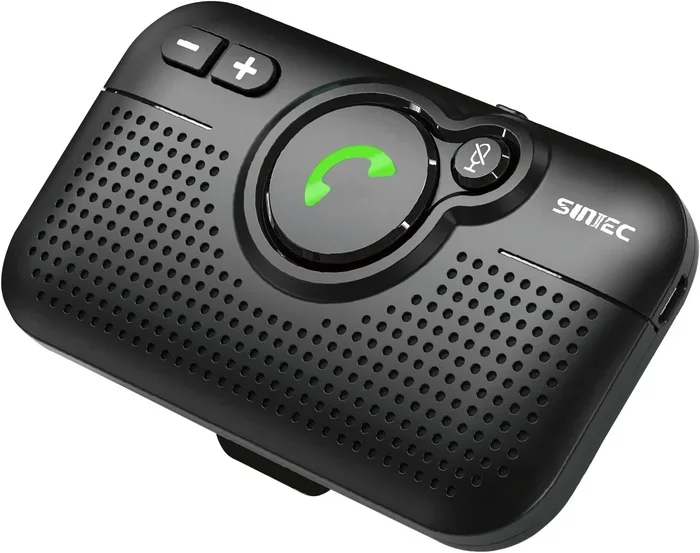
If your car is older and does not have built-in Bluetooth, or if the built-in system is too outdated to work with modern phones, a Bluetooth adapter can be a lifesaver. These small devices plug into your car’s audio system and add wireless connectivity without replacing the entire stereo unit.
Types of Bluetooth Car Adapters
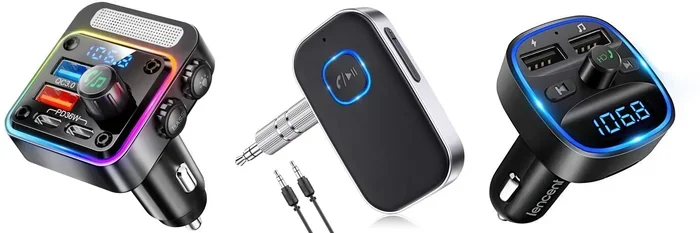
There are several types of Bluetooth car adapters available on the market. The most common ones are FM transmitters, AUX Bluetooth receivers, and built-in Bluetooth modules. Each type works differently and suits different car setups and budgets.
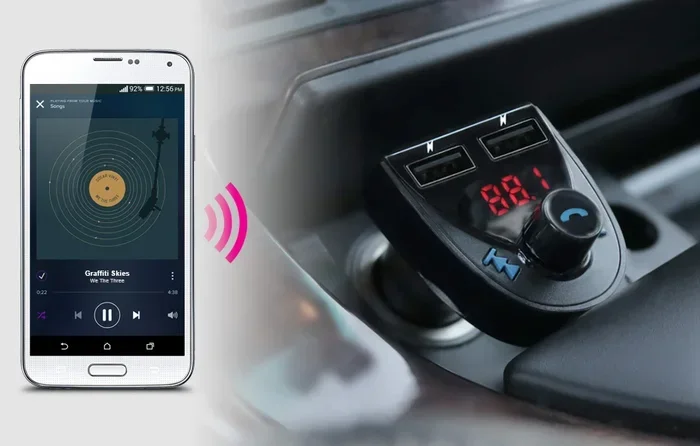
FM transmitters plug into your car’s cigarette lighter and broadcast Bluetooth audio to an unused FM radio frequency. They are the easiest to install and work with almost any car that has a radio. However, FM transmitters can suffer from audio quality issues and interference from local radio stations. They are a budget-friendly option but not the best for audiophiles.
AUX Bluetooth receivers plug directly into your car’s AUX port and provide much better audio quality than FM transmitters. They are small, portable, and easy to use. Just plug them in, pair your phone, and you have wireless streaming. The downside is that not all newer cars have AUX ports anymore, as manufacturers move toward digital connections.
For cars with modern infotainment systems, a built-in Bluetooth module that connects to the factory stereo can add full Bluetooth support without any visible hardware. These adapters integrate seamlessly with the car’s existing audio system and provide the best overall experience. They are more expensive but also the most reliable long-term solution.
Who Should Get One?
A Bluetooth adapter is a great solution if your car stereo does not support Bluetooth at all. It is also helpful if your built-in Bluetooth is broken and you do not want to replace the entire infotainment unit. People who drive older vehicles that did not come with wireless connectivity will benefit the most from these adapters.
However, a Bluetooth adapter is not always the best long-term solution. If your car is relatively new and the built-in system is otherwise working well, it is usually better to fix the existing Bluetooth connection rather than add an adapter. Adapters can sometimes introduce Bluetooth latency, which means a slight delay between pressing play and hearing the music. This delay can be noticeable during video playback or when using voice-controlled apps.
Expert Tips to Keep Your Car Bluetooth Running Smoothly
Prevention is always better than cure. A few simple habits can keep your Bluetooth connection strong and reliable every time you get behind the wheel. These maintenance tips come from automotive professionals and tech experts who deal with Bluetooth issues daily.
Regular Maintenance Habits
Keep your phone and car software up to date. Software updates often include Bluetooth fixes and improvements. Make it a habit to check for updates once a month on both devices. Also, periodically clear old paired devices from both your phone and your car stereo. Too many saved pairings can slow down the connection process and cause conflicts between devices.
Keep your phone’s Bluetooth cache clean. On Android phones, you can go to Settings > Apps > Bluetooth > Storage and clear the cache. On iPhones, you can reset network settings to clear all Bluetooth data. This simple maintenance step prevents many connection issues before they start. Think of it like cleaning out your email inbox, it frees up space and helps everything run smoother.
Expert Insights: Automotive technicians recommend doing a full Bluetooth reset once every three months. This clears out any accumulated connection errors and keeps the wireless connectivity running smoothly. It only takes about five minutes and can save you hours of frustration later. Set a reminder on your phone to do this regularly, especially before long road trips.
Common Mistakes That Break Bluetooth
Many drivers unknowingly do things that damage their Bluetooth connection over time. One of the biggest mistakes is leaving Bluetooth on all the time, even when you are not in the car. This causes your phone to constantly search for the car stereo, which drains battery and can corrupt the pairing data over time. Turn off Bluetooth when you leave the car to keep both devices healthy.
Another common mistake is using low-quality charging cables near the Bluetooth antenna. Some USB cables emit electromagnetic interference that disrupts Bluetooth signals. If you notice your connection drops when your phone is charging, try a different cable or a wireless charger. Also, avoid placing your phone on the dashboard near the windshield, as metal tinting can block Bluetooth signals and weaken your connection.
Overloading your car stereo with too many paired devices can also cause problems. Most car stereos can store between 10 and 20 paired devices, but having too many saved can slow down the connection process. Delete devices you no longer use regularly to keep your Bluetooth settings clean and fast.
Key Takeaways:
- Keep both devices updated to the latest software versions.
- Clear old pairings regularly to prevent connection conflicts.
- Use high-quality cables and avoid cheap alternatives.
- Turn off Bluetooth when you are not in the car.
- Keep your phone close to the car stereo during pairing.
- Do a full Bluetooth reset every three months for best performance.
- Delete unused paired devices to keep your Bluetooth list clean.
Final Thoughts on Fixing Car Bluetooth Issues
Why Isnt My Bluetooth Working in My Car does not have to be a mystery or a permanent problem. Most Bluetooth issues come down to a handful of common causes: compatibility problems, signal interference, outdated software, or corrupted pairing data. With the troubleshooting steps outlined in this article, you can fix the vast majority of Bluetooth problems on your own without visiting a mechanic or buying expensive equipment.
Start with the simple fixes like resetting both devices and checking your Bluetooth settings. If those do not work, move on to firmware updates and clearing old pairings. And if your car simply does not support modern Bluetooth, a Bluetooth adapter can bring wireless connectivity to any vehicle. The key is to stay patient and work through the steps systematically.
Bluetooth technology is convenient, but it is not always perfect. By understanding how it works and what can go wrong, you are already ahead of most drivers. Apply the tips in this guide, and you will be back to enjoying hands-free calls and wireless streaming in no time. Your next drive should be smooth, connected, and frustration-free.
Frequently Asked Questions
Why Does My Bluetooth Keep Disconnecting in the Car?
Bluetooth disconnections are usually caused by signal interference, outdated software, or a corrupted pairing. Try resetting both your phone and your car stereo, then re-pair them. If the problem continues, check for software updates on both devices and make sure your phone is not in battery saver mode.
Can I Connect Two Phones to My Car Bluetooth at the Same Time?
Most modern car infotainment systems can remember multiple paired phones, but only one can be actively connected for audio streaming at a time. You can switch between phones by going to the Bluetooth settings on your car display. Some cars also support simultaneous connections for hands-free calling on both devices.
How Do I Know if My Car Bluetooth Is Outdated?
Check your car stereo’s user manual or the manufacturer’s website for the Bluetooth version. If your car uses Bluetooth 4.0 or older, it may not support the latest features of modern phones. Signs of an outdated system include poor audio quality, short Bluetooth range, and frequent connection drops.
Is It Safe to Use Bluetooth While Driving?
Yes, Bluetooth hands-free calling is designed to be safe for driving. It lets you keep your hands on the wheel and your eyes on the road. However, even hands-free conversations can distract you, so keep calls short and focus on driving. Many states have laws requiring hands-free devices for phone use while driving.
What Should I Do If My Car Bluetooth Only Works for Calls but Not Music?
This usually means the A2DP profile is not active. Go to your car stereo’s Bluetooth settings and make sure the audio source is set to Bluetooth Audio or Media Audio. On your phone, check that media audio is enabled in the Bluetooth settings for your car connection.
Can a Bad Phone Charger Affect Bluetooth Performance?
Yes, cheap or damaged charging cables can emit electromagnetic interference that disrupts Bluetooth signals. If you notice connection issues while charging, try a different cable or a wireless charger. Using high-quality, certified cables can prevent this problem entirely and keep your Bluetooth connection stable.