How to Install Cargo Netting for a Secure Truck Bed
Installing cargo netting is one of the simplest ways to keep your truck bed safe and organized. Whether you haul tools, groceries, or outdoor gear, a properly installed net prevents shifting and spills. This guide walks you through every step of how to install cargo netting with confidence. You will learn about choosing the right net, gathering tools, and avoiding common mistakes. By the end, you will have a secure, reliable setup that protects your load every time you hit the road.
Have you ever loaded up your truck bed only to worry about your stuff shifting on the highway? It is a frustrating feeling. You grip the wheel and wonder if that bag of mulch or pile of camping gear is going to fly out. The answer to that worry is simple. How to install cargo netting is a skill every truck owner should have in their toolkit.
Cargo netting keeps your load secure, organized, and safe. It is one of the most affordable and effective truck bed accessories you can buy. Whether you use your pickup for work, weekend adventures, or everyday errands, a good truck bed net makes a huge difference. This guide covers everything you need to know. We will walk you through choosing the right net, gathering your tools, and installing it step by step. By the time you finish reading, you will feel confident enough to do it yourself in under an hour.
Key Takeaways
- Choose the right type: mesh netting, bungee net, or tie-down net depends on your load and truck model.
- Gather the right tools: ratchet straps, S-hooks, tie-down hooks, and a measuring tape make installation smooth.
- Follow the steps: anchor points, tension, and proper knotting are the keys to a secure fit.
- Avoid common mistakes: over-tightening, using damaged hardware, and ignoring weight limits cause problems.
- Maintain your netting: regular cleaning and inspection extend the life of your cargo netting significantly.
- Safety first: always check your netting before every trip to ensure it is holding tight.
📑 Table of Contents
- Why Cargo Netting Matters for Your Truck Bed
- Choosing the Right Cargo Netting for Your Truck
- Tools and Materials You Will Need
- Step-by-Step Installation Guide
- Common Mistakes to Avoid When Installing Cargo Netting
- Maintenance Tips for Long-Lasting Performance
- Expert Tips for Getting the Most Out of Your Cargo Netting
- Conclusion
Why Cargo Netting Matters for Your Truck Bed
Some people think cargo netting is optional. They just throw stuff in the bed and go. But that approach has real risks. A loose load can shift during sudden stops. It can block your rear view. Worse, items can fly out and cause accidents or damage to other vehicles on the road.
Load securing is not just smart. It is often required by law in many states. Using cargo tie down systems like netting keeps you compliant and safe. Here are the main reasons why truck bed netting deserves a spot in your truck:
- Safety: A secure load stays in place. This reduces the risk of debris on the road and protects everyone around you.
- Protection: Your cargo stays dry and intact. Netting shields items from wind, rain, and road debris.
- Organization: You can separate tools, groceries, and gear easily. No more digging through a messy truck bed.
- Convenience: Loading and unloading becomes faster when everything stays put and accessible.
- Peace of mind: You drive with confidence knowing your belongings are safe and secure.
The benefits go beyond just keeping things in place. A truck bed cargo net also helps with load stability during sharp turns and highway driving. When your load is stable, your truck handles better. This is especially true when you are hauling heavier items. Even if you use a truck bed liner, you still need a way to keep things from sliding around. Netting fills that gap perfectly.
Who Needs Cargo Netting?
Honestly, almost every truck owner benefits from netting. If you carry any of the following, you should seriously consider installing a net:
- Loose tools or equipment
- Groceries or household supplies
- Camping gear, coolers, or luggage
- Construction materials or lumber
- Pet supplies or pet carriers
- Sports equipment like bikes, skis, or coolers
No matter what you haul, cargo retention is the goal. A good net gives you that retention without making your truck bed hard to use.
Choosing the Right Cargo Netting for Your Truck
Not all cargo netting is the same. Before you learn how to install cargo netting, you need to pick the right one. The wrong type of net will cause frustration and might not hold your load properly. Let us break down the main options available.
Mesh Netting
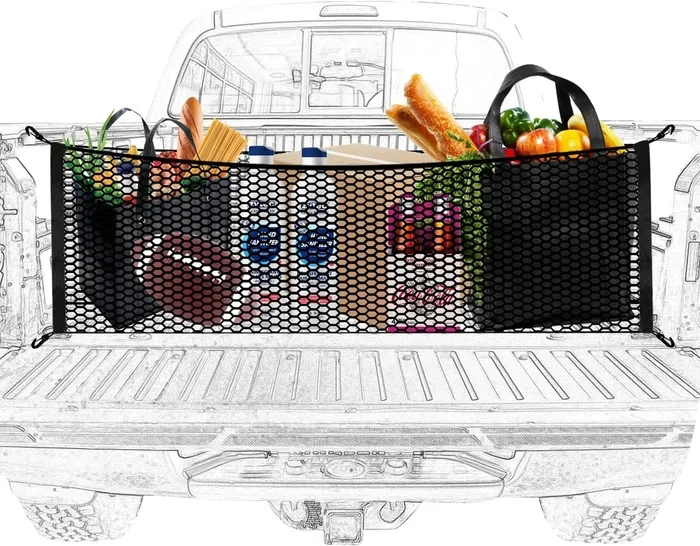
Mesh netting is the most popular choice for truck beds. It is made from durable nylon or polyester material woven into a grid pattern. Mesh nets are lightweight, breathable, and easy to install. They work great for lighter loads like groceries, clothes, and soft goods. Most mesh nets come with reinforced edges and grommets for tying down.
Bungee Netting
Bungee netting uses elastic cords instead of a woven mesh. These are great for quick setups. You can throw a bungee net over your load and hook it in seconds. However, bungee nets are better for lighter items. They may stretch over time and lose tension. If you haul heavy gear, a bungee net might not be the best choice.
Tie-Down Netting
Tie-down netting combines a sturdy mesh with built-in attachment points. These nets are designed to work with ratchet straps and load securing straps. They are the strongest option and ideal for heavy loads. Construction workers, landscapers, and anyone hauling dense materials should look at tie-down netting first.
Custom-Fit vs. Universal Netting
You will also need to decide between custom-fit and universal sizes. Custom-fit netting is made to match your specific truck model. It fits snugly and looks polished. Universal netting is adjustable and works with many truck sizes. Custom nets cost more but offer a better fit. Universal nets are budget-friendly and versatile.
| Net Type | Best For | Strength | Ease of Install |
|---|---|---|---|
| Mesh Netting | Light to medium loads | Good | Very Easy |
| Bungee Netting | Quick, light loads | Fair | Very Easy |
| Tie-Down Netting | Heavy loads | Excellent | Moderate |
| Custom-Fit Netting | Precision fit for specific trucks | Very Good | Easy |
| Universal Netting | Multiple truck sizes | Good | Easy |
Tools and Materials You Will Need
Before you start the installation, gather everything you need. Having your tools ready makes the process much smoother. You do not want to stop halfway through to find a missing hook or strap.
Here is a checklist of what you will need for how to install cargo netting:
- Cargo netting (the right type and size for your truck)
- Ratchet straps or tie-down straps (usually 2 to 4)
- S-hooks or J-hooks for attaching to bed rails
- Tie-down hooks that fit your truck’s anchor points
- Measuring tape to size the net correctly
- Scissors or wire cutters for trimming excess strap
- Gloves to protect your hands during installation
Most cargo netting kits come with the straps and hooks included. Check what is in the box before you buy anything extra. If your truck has bed rails, that makes installation even easier because you have built-in anchor points to work with.
Quick tip: lay out all your materials on a clean surface before you start. This keeps you organized and saves time. It also helps you spot anything missing before you begin the actual installation.
Step-by-Step Installation Guide
Now comes the fun part. Let us walk through exactly how to install cargo netting on your truck bed. Follow these steps carefully and you will have a secure setup in no time.
Step 1: Clean and Inspect Your Truck Bed
Start by clearing out your truck bed completely. Remove any debris, dirt, or old tie-downs. Give the bed a quick sweep. This step is important because debris can interfere with the netting and cause uneven tension. While the bed is empty, inspect your tie-down points and bed rails. Look for rust, damage, or loose bolts. Fix any issues before you move on.
Step 2: Measure Your Truck Bed
Use your measuring tape to get the length and width of your truck bed. Measure from the inside of the cab wall to the tailgate. Write down these measurements. Compare them to the netting size you purchased. If you are using a universal net, make sure it can adjust to fit your bed dimensions. A net that is too small will not cover your load properly. A net that is too large will sag and not hold tight.
Step 3: Attach the Net to the Front Anchor Points
Start at the front of the truck bed. Most trucks have built-in anchor points or cleats near the cab wall. Attach one end of your cargo tie down strap or hook to the front anchor. If your net has built-in loops, thread the strap through them. Pull the strap tight but not so tight that it warps the netting. You want firm, even tension across the entire net.
Step 4: Stretch the Net Across the Bed
Now pull the net across the truck bed toward the tailgate. Keep it taut as you go. If your net has multiple attachment points along the sides, attach each one as you stretch. Use S-hooks or J-hooks to connect the net loops to your bed rail hooks. Work from one side to the other to keep the tension balanced. Uneven tension is one of the biggest causes of netting failure.
Step 5: Secure the Net at the Tailgate End
Once you reach the tailgate, attach the remaining straps or hooks. Most trucks have anchor points near the tailgate as well. Pull the net tight and secure the final attachment. Check that the net is flat and wrinkle-free across the entire bed. Any slack or bunching will create weak spots where your load can shift.
Step 6: Test the Tension and Stability
Give the net a firm pull from different angles. It should hold firmly without stretching too much. If the net feels loose, tighten the straps or add additional load securing straps. You can also adjust the tension by moving the hooks to different anchor points. The goal is a net that feels drum-tight and secure.
Step 7: Load Your Cargo and Do a Final Check
Now place your cargo into the truck bed on top of the netting. Spread the weight evenly across the bed. After loading, do a final check of all attachment points. Make sure nothing has loosened during loading. Give the net another tug to confirm it is still holding tight. This final check takes only a minute but it makes a big difference in safety.
Quick tip: if you are hauling tall or bulky items, consider adding a second layer of netting on top. This extra layer adds security and prevents items from sliding off the sides. It is a simple trick that experienced truck owners use all the time.
Common Mistakes to Avoid When Installing Cargo Netting
Even with the best instructions, mistakes happen. Knowing what to avoid will save you time, money, and frustration. Here are the most common errors people make when installing truck bed netting.
Using Damaged or Worn Hardware
Never use frayed straps, rusted hooks, or worn-out ratchets. Damaged hardware can fail under load and cause your cargo to shift or fall. Always inspect your cargo management system before each use. Replace any worn parts immediately. It is a small cost that prevents big problems.
Over-Tightening the Net
You want the net tight, but too tight can cause issues. Over-tightening stretches the mesh material and weakens the attachment points. It can also warp your bed liner or damage the truck bed surface. Find the sweet spot between snug and overly tight. The net should be firm but still have a little give.
Ignoring Weight Limits
Every piece of cargo netting has a weight rating. Exceeding that limit will cause the net to stretch, tear, or detach. Check the manufacturer’s weight specifications before you buy. Choose a net that can handle at least 1.5 times the weight of your typical load. This gives you a safety margin and extends the life of the netting.
Skipping the Tailgate Anchor Points
Some people only attach the net to the front of the bed. This leaves the tailgate end loose and vulnerable. Always secure the net at both ends of the truck bed. Use all available anchor points. The more attachment points you use, the more stable your load will be.
Not Checking Before Every Trip
Installation is not a one-time event. Vibrations from driving can loosen straps and hooks over time. Make it a habit to check your truck bed cargo net before every trip. A quick inspection takes seconds and keeps you safe on the road.
Maintenance Tips for Long-Lasting Performance
Your cargo netting will last longer with proper care. Regular maintenance keeps the net strong and functional. Follow these simple tips to get the most out of your investment.
- Clean regularly: Wipe down the netting with a damp cloth after each use. Remove dirt, mud, and debris that can weaken the fibers over time.
- Store properly: When not in use, keep the net in a dry, shaded area. UV exposure from sunlight degrades nylon and polyester materials.
- Check for wear: Inspect the mesh, straps, and hooks every few weeks. Look for fraying, holes, or rust. Replace any damaged parts right away.
- Lubricate hardware: If your hooks and ratchets have moving parts, apply a light lubricant to keep them working smoothly.
- Avoid overloading: Stay within the weight limits of your net. Overloading is the fastest way to destroy cargo netting.
With proper care, a good quality truck bed net can last for years. The maintenance routine is simple and takes very little time. A few minutes of care after each use pays off big in the long run.
When to Replace Your Cargo Netting
Even with the best maintenance, netting will eventually wear out. Here are signs that it is time for a replacement:
- Visible holes or tears in the mesh
- Straps that no longer hold tension
- Hooks or clips that are bent, rusted, or broken
- Fraying along the edges or seams
- Any stretch that makes the net sag under load
Do not wait until the net fails while you are driving. Replace worn netting proactively. A new cargo retention system is far cheaper than replacing damaged goods or paying for an accident.
Expert Tips for Getting the Most Out of Your Cargo Netting
Here are some bonus tips from experienced truck owners and industry professionals. These insights will help you get the best results from your installation.
- Use multiple attachment points: The more points you use, the more stable your load. Think of it like a web. Each additional point adds strength and security.
- Combine netting with straps: For heavy loads, use netting on top and ratchet straps underneath. This dual approach gives you the best load stability possible.
- Color-code your nets: If you use different nets for different types of cargo, color-code them. It makes switching between setups faster and easier.
- Consider a cargo management system: If you frequently haul gear, a full cargo management system with rails, pockets, and nets is worth the investment. It transforms your truck bed into an organized workspace.
- Check local regulations: Some areas have specific rules about load securing. Make sure your setup complies with local laws to avoid fines.
These tips may seem small, but they add up to a much better experience. You will save time, protect your cargo, and feel more confident every time you drive.
Conclusion
How to install cargo netting is a straightforward skill that every truck owner should master. It takes less than an hour to learn, and the benefits last for years. A properly installed truck bed net keeps your cargo safe, your truck organized, and your driving experience more enjoyable. You will never have to worry about shifting loads or lost gear again.
Start by choosing the right type of netting for your needs. Gather your tools, follow the step-by-step installation guide, and avoid the common mistakes we covered. Maintain your netting with regular cleaning and inspections, and it will serve you well for a long time. Whether you are a weekend warrior or a daily hauler, cargo netting is one of the best investments you can make for your truck.
Take action today. Pick up the right net, grab your straps and hooks, and install it yourself. You will wonder why you did not do it sooner. Safe travels and happy hauling.
Frequently Asked Questions
What type of cargo netting is best for a truck bed?
Mesh netting is the most versatile and popular choice for most truck owners. It is lightweight, durable, and easy to install. For heavy loads, tie-down netting with ratchet straps offers the strongest hold. Choose based on what you typically haul and how heavy your loads are.
Can I install cargo netting without bed rails?
Yes, you can. Many cargo nets come with straps and hooks that attach directly to tie-down anchor points in the truck bed. If your truck does not have bed rails or anchor points, you can install aftermarket tie-down hooks or cleats to create attachment points for your netting.
How do I know if my cargo netting is securely installed?
Give the net a firm pull from multiple directions after installation. It should hold firmly without stretching or loosening. Check that all hooks are fully engaged and straps are tight. If any part moves or sags, tighten it before you start driving.
How often should I replace my cargo netting?
It depends on how often you use it and what you haul. With regular maintenance, a good cargo net can last 2 to 5 years. Inspect it regularly for wear, fraying, or damage. Replace it as soon as you notice any weakening in the mesh or hardware to keep your load secure.
Is cargo netting legal for securing loads in truck beds?
In most states, yes. Many regions require that loads be properly secured to prevent debris from falling onto the road. Cargo netting is an accepted and common method for load securing. Always check your local regulations to make sure you are compliant.
Can I use cargo netting with a truck bed liner?
Absolutely. Cargo netting works well with most truck bed liners. The hooks and straps attach to the bed rails or anchor points, not the liner itself. Just make sure the hooks do not scratch or damage your liner. Use rubber-lined hooks or place a protective pad between the hook and the liner surface.
=== CONCLUSION ===
How to install cargo netting is a simple but essential skill for every truck owner. This guide has covered everything from choosing the right net to maintaining it for long-term use. A secure truck bed net protects your cargo, keeps your driving safe, and gives you peace of mind on every trip. Follow the steps outlined here, avoid the common mistakes, and enjoy the confidence that comes with a properly secured load. Start your installation today and experience the difference a good cargo netting setup makes.