How Much Oil Should I Fill Up My Car Engine Correctly
Knowing how much oil to fill up your engine is one of the simplest yet most important things you can do for your car. Too little oil causes engine damage, while too much oil can lead to costly repairs. This guide walks you through the exact oil fill amounts, how to check your level, and what type of oil your engine needs.
Your car engine relies on oil to keep everything running smoothly. Oil lubricates moving parts, reduces friction, and helps regulate engine temperature. But here is the thing many car owners overlook: how much oil you actually put in matters just as much as the oil type itself.
Adding too little oil can starve your engine. Adding too much can cause just as much harm. So how do you know the right amount? In this guide, we break down everything you need to know about how much oil you should fill up your engine with. Whether you are a first-time car owner or a seasoned driver, this article will help you get it right every time.
We will cover oil capacity, how to read the dipstick, what happens when you overfill or underfill, and how to pick the right oil for your vehicle. By the end, you will feel confident about your next oil fill.
Key Takeaways
- Check your owner manual: Every engine has a specific oil capacity listed by the manufacturer.
- Use the dipstick: The oil dipstick is your best tool for confirming the correct fill level.
- Avoid overfilling: Too much oil can cause foaming, leaks, and serious engine damage.
- Avoid underfilling: Low oil levels lead to increased friction, overheating, and premature wear.
- Choose the right oil type: Whether synthetic or conventional, match the oil to your engine specifications.
- Check oil regularly: Make it a habit to check your oil level at least once a month.
- Follow the oil change interval: Sticking to your recommended oil change schedule keeps your engine healthy.
📑 Table of Contents
Why Getting the Oil Fill Amount Right Matters
Oil is the lifeblood of your engine. It keeps all the internal parts moving without grinding against each other. But the amount of oil you add directly impacts how well your engine performs. Getting the oil fill amount wrong can lead to problems ranging from minor leaks to complete engine failure.
When you check your oil level, you are really checking the oil in the crankcase. The crankcase is the bottom part of the engine where oil collects when the engine is off. The oil pump sends oil through the engine to lubricate everything, and then gravity pulls it back down to the crankcase.
Here is why the amount matters:
- Too little oil: The engine does not get full lubrication. Metal parts grind against each other, causing wear and overheating.
- Too much oil: The crankshaft starts churning through excess oil, creating foam. Foamed oil loses its lubricating power and can cause pressure buildup.
- Just right: The oil level sits between the minimum and maximum marks on the dipstick, providing optimal lubrication and cooling.
The right amount also depends on your vehicle. A compact sedan needs far less oil than a full-size truck. Always refer to your vehicle owner manual for the exact oil capacity of your engine.
What Happens If You Underfill Your Engine Oil
Running your engine with too little oil is one of the fastest ways to cause serious damage. When the oil level drops below the minimum mark, the oil pump starts pulling in air instead of oil. This creates a cavitation effect that reduces lubrication.
Here are the warning signs of low oil:
- The oil warning light on your dashboard turns on.
- You hear knocking or ticking sounds from the engine.
- Your engine runs hotter than normal.
- Performance drops, and the engine feels sluggish.
If you notice any of these signs, stop driving and check your oil level right away. Driving with low oil can result in a seized engine, which is an expensive repair. If you are unsure whether your oil is low, check out our guide on how to tell if your car is low on oil for more tips.
What Happens If You Overfill Your Engine Oil
Overfilling your engine might seem harmless, but it can cause real problems. When there is too much oil in the crankcase, the spinning crankshaft starts whipping the excess oil into a froth. This froth, or foam, does not lubricate nearly as well as liquid oil.
Common consequences of overfilling include:
- Oil leaks: Excess pressure pushes oil past seals and gaskets.
- Engine misfires: Oil can enter the combustion chamber and foul the spark plugs.
- Catalytic converter damage: Burning excess oil creates harmful deposits.
- Increased emissions: Your car may fail an emissions test.
In severe cases, overfilling can even cause hydro-lock, where the incompressible oil prevents the pistons from moving. If you accidentally overfill, do not ignore it. You can drain the excess oil or visit a mechanic to fix it safely.
How to Find Your Engine Oil Capacity
Every engine is different, so there is no one-size-fits-all answer to how much oil you need. The oil capacity depends on the engine size, design, and model year. Here is how you can find the exact number for your car.
Check Your Vehicle Owner Manual
The fastest and most reliable way to find your oil capacity is to look in the owner manual. The manual will list the oil capacity in both liters and quarts. It will also tell you the recommended oil viscosity, such as 5W-30 or 10W-40.
Most manuals have a section called “Capacities and Specifications” or “Lubrication.” Look there for the exact oil fill amount. If you have lost your manual, you can usually find a digital version on the manufacturer website.
Check the Oil Fill Cap
Another easy method is to look at the oil fill cap on top of the engine. Many caps have the oil capacity or viscosity stamped right on them. Pop the hood, find the oil fill hole, and read what is written on the cap.
Look Up Online or Ask a Mechanic
If you cannot find the information in the manual or on the cap, you can look it up online. Most car manufacturer websites let you enter your vehicle details and pull up the specifications. You can also call or visit your local dealership and ask. They can tell you the exact oil fill amount for your specific engine.
How to Check Your Oil Level After Filling
Once you have added oil, you need to verify that the level is correct. The dipstick is the tool you will use for this. Most cars have a brightly colored dipstick handle that is easy to spot under the hood.
Step-by-Step Oil Check Process
- Park your car on a level surface and turn off the engine.
- Wait a few minutes for the oil to settle back into the crankcase.
- Pull out the dipstick and wipe it clean with a rag or paper towel.
- Reinsert the dipstick fully, then pull it out again.
- Look at the oil level on the dipstick. You should see two marks, typically “Min” and “Max” or two small holes.
- The oil should fall between these two marks. If it is below the minimum, add a small amount and recheck.
Always check your oil when the engine is cool or has been off for a few minutes. This gives the oil time to drain back into the crankcase and gives you an accurate reading.
As a general rule, you should check your oil level at least once a month. This simple habit can catch leaks early and prevent engine damage. If you want more details on oil checking, our article on can you tell if your car is low on oil covers this topic in depth.
Choosing the Right Oil Type for Your Fill
Getting the amount right is only half the battle. You also need to use the correct oil type for your engine. The wrong oil can reduce performance, increase wear, and even void your warranty.
Conventional vs Synthetic Oil
Conventional oil is refined from crude oil and is the most affordable option. It works well for older engines and vehicles with simpler designs. Synthetic oil, on the other hand, is artificially engineered to provide superior lubrication and protection.
Synthetic oil offers several benefits:
- Better performance in extreme temperatures.
- Longer oil change intervals.
- Reduced engine wear over time.
- Improved fuel efficiency.
If you are considering switching to synthetic oil, check our guide on can I put synthetic oil in my car to learn more about compatibility and benefits.
Understanding Oil Viscosity Ratings
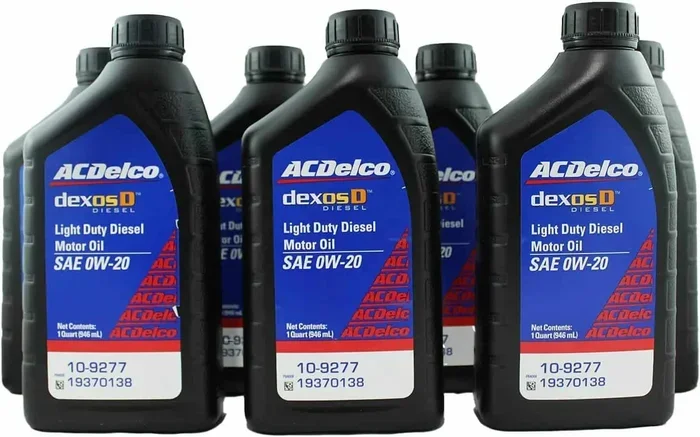
Oil viscosity is a measure of how thick or thin the oil is at different temperatures. You will see ratings like 5W-30 or 0W-20 on the oil bottle. The first number (with the W for winter) tells you how the oil flows in cold temperatures. The second number tells you how it performs at normal operating temperature.
Always use the viscosity grade recommended by your vehicle manufacturer. Using the wrong viscosity can affect oil flow and lubrication. For example, using a thicker oil in a small engine can reduce fuel efficiency and strain the oil pump.
Common Oil Fill Mistakes and How to Avoid Them
Even experienced car owners make mistakes when filling up their engine oil. Here are the most common errors and how to avoid them.
Adding Oil Without Checking the Level First
Many people just pour in oil without checking the current level first. This can easily lead to overfilling. Always check the dipstick before adding any oil so you know exactly how much you need.
Pouring Oil Too Quickly
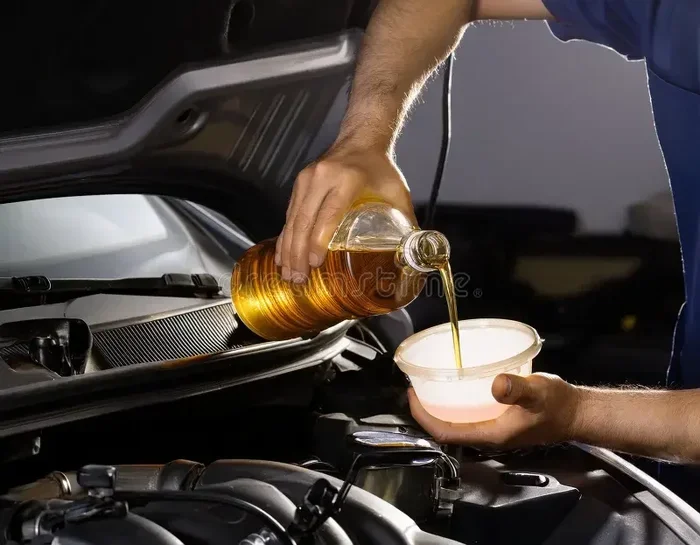
Dumping oil in fast makes it hard to control the amount. Add oil slowly, using a funnel if possible. Add small amounts at a time and recheck the dipstick between additions.
Ignoring Oil Changes
Filling up with the right amount of oil is not enough. You also need to change your oil regularly. Old oil breaks down and loses its lubricating properties. Most manufacturers recommend an oil change interval of every 5,000 to 7,500 miles for conventional oil, and up to 10,000 miles for synthetic oil.
Not Replacing the Oil Filter
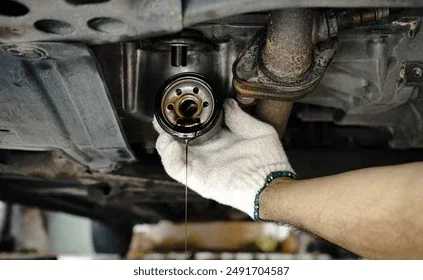
When you change your oil, always replace the oil filter too. The filter catches dirt and debris, and a clogged filter can restrict oil flow. A clean filter ensures your freshly filled oil stays clean longer.
Quick Tips for Perfect Oil Fills Every Time
Here are some expert tips to make sure your oil fills go smoothly:
- Keep a log: Track your oil changes and fill amounts in a notebook or phone app.
- Use quality oil: Stick with trusted brands that meet the API (American Petroleum Institute) certification.
- Buy the right amount: Most oil changes require between 4 and 6 quarts, but always confirm for your specific engine.
- Dispose of old oil properly: Take used oil to a recycling center or auto parts store. Never pour it down the drain.
- Watch for warning signs: If your oil pressure light comes on after a fill, stop and recheck the level immediately.
Remember, your engine is a precision machine. Treating it with the right amount of oil at the right intervals will keep it running strong for years to come.
Final Thoughts
Knowing how much oil to fill up your engine is one of the most basic yet essential skills for any car owner. The right oil level protects your engine, improves performance, and saves you money on costly repairs down the road.
Always check your owner manual for the exact oil capacity, use the dipstick to verify your fill level, and choose the right oil type for your engine. Avoid the common mistakes of overfilling and underfilling, and make oil checks a regular part of your maintenance routine.
If you ever find yourself unsure about your oil level or notice warning signs, do not wait. Take action right away. Your engine will thank you for it. For more helpful maintenance tips, explore our other articles on engine care and vehicle maintenance.
Frequently Asked Questions
How do I know how much oil my engine needs?
Check your vehicle owner manual for the exact oil capacity. You can also look at the oil fill cap on top of the engine, which often lists the capacity. If you are still unsure, consult your dealership or a trusted mechanic.
Can I overfill my engine with oil?
Yes, overfilling your engine can cause serious problems. Excess oil gets churned by the crankshaft, creating foam that loses its lubricating ability. This can lead to oil leaks, engine misfires, and even catalytic converter damage. Always fill to the correct level between the minimum and maximum marks on the dipstick.
What happens if I add too little oil to my engine?
Adding too little oil means your engine does not get full lubrication. This causes increased friction between moving parts, leading to overheating, wear, and potentially a seized engine. Always check your oil level and add oil until it reaches the proper range on the dipstick.
How often should I check my oil level?
You should check your oil level at least once a month. It is also a good idea to check it before any long trips. Make it a quick habit by doing it at the same time you check your tire pressure or fuel level.
Can I mix different types of oil in my engine?
While it is generally safe to mix conventional and synthetic oil in an emergency, it is best to stick with one type consistently. Mixing oils can dilute the properties of the higher-quality oil. When you get a chance, change the oil completely with the recommended type for your engine.
Do I need to change the oil filter every time I change the oil?
Yes, you should always replace the oil filter when you change your oil. The filter traps contaminants and debris, and a used filter can clog over time. A clean filter ensures that your new oil stays clean and flows properly through the engine.