How Do You Manually Disengage an Electric Parking Brake
Manually disengaging an electric parking brake is a simple skill every driver should know. Whether your EPB is stuck, the battery is dead, or you need emergency release, this guide walks you through the exact process for most vehicles. You will learn the tools, steps, and safety tips to handle an electric parking brake without visiting a mechanic.
You hop into your car, ready to hit the road, and then you see it. The red or yellow light on your dashboard is telling you that your electric parking brake is engaged, and the car will not move. You press the button, nothing happens. You yank the lever, still nothing. It is frustrating, right? Well, here is the good news. You can manually disengage an electric parking brake, and you do not need to be a mechanic to do it.
An electric parking brake, often called an EPB, is a modern convenience that replaces the traditional lever or pedal with a motor-driven system. It works great most of the time. But like any car part, it can fail. Batteries die. Switches go bad. Cables seize up. When that happens, knowing how to release the brake manually can save you a lot of time and money. In this article, we will walk you through every step, every tool, and every tip you need to get your car moving again.
This guide covers everything from the basics of how an EPB works to step-by-step manual release procedures for different vehicle types. We will also cover common problems, prevention tips, and when you should call a professional. Whether you drive a sedan, SUV, or truck, this article has you covered. So let us dive in and take the mystery out of your electric parking brake.
Key Takeaways
- Know your EPB system: Understanding how your electric parking brake works helps you troubleshoot issues faster.
- Manual release is built in: Almost all electric parking brakes have a backup release mechanism hidden under a cover or in the trunk.
- Safety first: Always set the emergency brake and use wheel wedges before attempting any manual disengagement.
- Common causes include dead batteries and faulty switches: Knowing these helps you prevent future problems.
- When in doubt, call a pro: Some EPB issues require specialized tools and diagnostic equipment only a mechanic has.
- Regular maintenance helps: Simple checks can keep your electric parking brake working smoothly for years.
📑 Table of Contents
- What Is an Electric Parking Brake?
- Why Would You Need to Manually Disengage It?
- How to Manually Disengage an Electric Parking Brake: Step by Step
- Common Problems With Electric Parking Brakes
- When Should You See a Professional Mechanic?
- Preventing Electric Parking Brake Problems
- Final Thoughts on Manually Disengaging Your Electric Parking Brake
What Is an Electric Parking Brake?
How Does an EPB System Work?
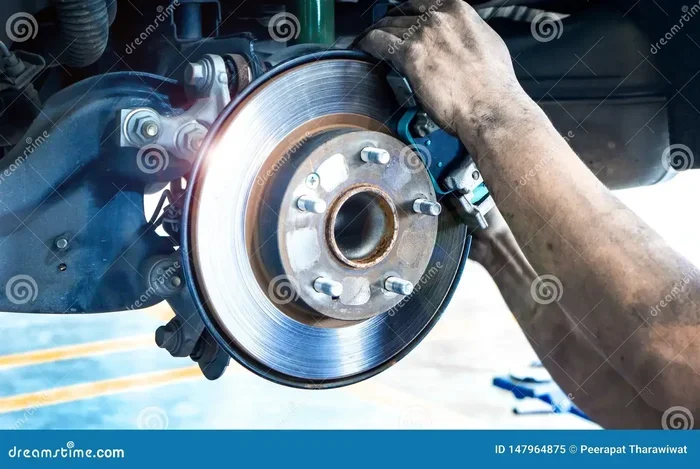
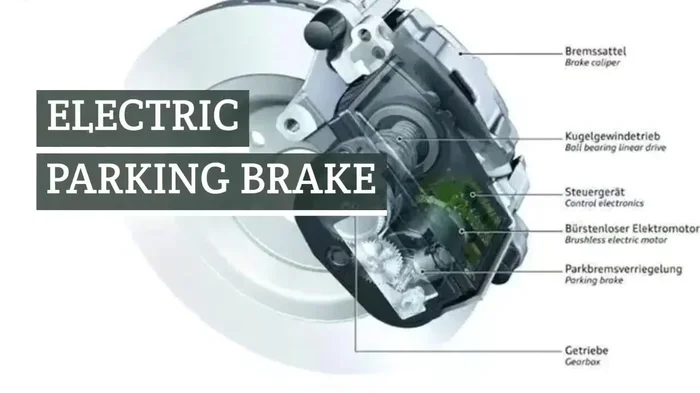
An electric parking brake uses an electric motor instead of a cable to engage the rear brakes. When you press the EPB button, the motor pulls a cable or activates a caliper that presses the brake pads against the rotors. When you release the button, the motor reverses and lets the brakes go. It is clean, simple, and takes up less space in the cabin.
Most modern vehicles from brands like BMW, Audi, Honda, Toyota, and Ford use some form of EPB. The system is controlled by a small computer module that receives signals from the button and the car sensors. If the system detects a problem, it will often warn you with a dashboard light. Understanding this basic setup helps you figure out what is going wrong when your brake will not release.
Why Electric Parking Brakes Are Popular
Car makers love EPB systems for a few reasons. They are compact, which gives designers more room inside the cabin. They are easy to use, especially with features like auto-hold, which keeps the car stationary on hills without you touching the pedal. They also integrate with other safety systems like hill-start assist. But the biggest advantage is that they reduce driver error. You do not have to worry about forgetting to release a traditional lever before driving off.
However, popularity does not mean perfection. EPB systems rely on electricity, sensors, and motors. Any one of those can fail. And when they do, you need to know how to handle it. That is exactly why learning how to manually disengage an electric parking brake is so important.
Why Would You Need to Manually Disengage It?
There are several reasons your electric parking brake might not release normally. Some are minor. Others are more serious. Here are the most common situations where you will need a manual release:
- Dead or weak car battery: The EPB motor needs electrical power to work. If your battery is dead or the voltage is too low, the motor will not engage or release.
- Faulty EPB switch: The button itself can wear out or get stuck, sending the wrong signal to the system.
- Seized brake cable: Over time, the cable that connects the motor to the brake caliper can rust or seize up, especially in wet or salty conditions.
- Failed motor or actuator: The small motor inside the EPB unit can burn out or fail mechanically.
- Software glitch: Sometimes the EPB computer just needs a reset. A manual release can help you bypass the issue temporarily.
- Emergency situation: If the EPB fails while driving or when you need to move the car quickly, manual release is your backup plan.
No matter the cause, knowing the manual release procedure gives you confidence and control. It can also prevent you from getting stuck in a parking lot or on the side of the road.
How to Manually Disengage an Electric Parking Brake: Step by Step
Every vehicle is slightly different, but the general process for manual release is similar across most models. Here is a detailed walkthrough that covers the most common setups. Always refer to your owner manual first, as it will have the exact procedure for your specific make and model.
Step 1: Prepare Your Vehicle
Before you do anything, safety comes first. Park your car on a flat surface and make sure the ignition is on (or in accessory mode). Set the transmission to neutral if you are working on a manual transmission, or park if you have an automatic. Turn on your hazard lights to alert other drivers that something is going on.
Place wheel wedges or bricks behind the front tires if the rear brakes are the ones you are working on. This prevents the car from rolling while you are underneath or reaching into tight spaces. If you have a floor jack and jack stands, use them to lift the rear of the car safely. Never rely on a jack alone.
Step 2: Locate the Manual Release Mechanism
Most electric parking brakes have a hidden manual release. On many vehicles, you will find a small screw or bolt on the back side of the brake caliper. You will need to remove a plastic cover or dust cap to access it. Use a flashlight to look behind the rear wheel and locate the brake caliper. You should see a small hole or slot near the bottom of the caliper housing.
On some models, like certain BMW and Audi vehicles, the manual release is located inside the trunk. You may need to remove a trim panel or access cover on the inside of the rear seat or trunk floor. Look for a small ratchet wheel or lever attached to the brake cable. This is your backup release.
For vehicles like the Nissan Rogue, the parking brake system may have a specific release procedure that involves removing a cover near the rear brakes. Check your owner manual or look for a diagram that shows the exact location for your model.
Step 3: Turn the Release Screw or Ratchet
Once you find the manual release mechanism, use the right tool to turn it. Most systems require a 12mm or 14mm socket, a ratchet, or a special Allen key. Insert the tool into the hole or slot and turn it counterclockwise. You will feel resistance as the brake cable loosens. Keep turning until the cable retracts enough for the brake pads to release from the rotor.
Be gentle. Do not force the tool. If it does not move easily, you may have a seized cable or a caliper that is stuck. In that case, applying a penetrating oil like WD-40 and waiting a few minutes can help. Do not use excessive force, as you can damage the caliper or the cable.
Step 4: Verify the Brake Is Released
After turning the release mechanism, spin the rear wheel by hand. It should turn freely with no resistance from the brake pads. If the wheel still does not spin, the brake may not be fully released. Double-check that the cable has retracted completely. You can also look at the brake caliper to confirm the pads are pulled away from the rotor.
Once the wheel spins freely, carefully lower the car back to the ground if you used a jack. Remove the wheel wedges. Try driving the car slowly and see if the EPB warning light has gone off. If it has, you have successfully completed the manual release.
Step 5: Reset the EPB System
After manually releasing the brake, you should reset the EPB system to make sure everything works normally again. Start the car and press the EPB button to engage the brake, then release it. The system should cycle through its normal operation. If the warning light stays on, there may be an underlying issue that needs a diagnostic scan.
Some vehicles require a specific reset procedure after a manual release. For example, certain models need you to hold the EPB button for a few seconds while the car is moving at a slow speed. Always check your owner manual for the correct reset steps for your vehicle.
Common Problems With Electric Parking Brakes
Dead Battery and EPB Failure
The most common reason an electric parking brake will not release is a dead or weak car battery. The EPB motor draws power directly from the car electrical system. If the battery voltage drops below a certain level, the system may not have enough power to operate. This often happens when a car sits unused for a long time or when the battery is old and failing.
If your battery is dead, you can try jump-starting the car first. Sometimes the EPB will work normally once the battery has enough charge. If the battery is old, consider replacing it. A new battery usually costs between $100 and $250, which is much cheaper than a trip to the mechanic for an EPB repair.
Seized or Stuck Brake Cable
Brake cables can seize up over time, especially if you live in an area with road salt, high humidity, or frequent rain. When a cable seizes, the motor cannot pull it or release it, even if the electrical system is working perfectly. This is a common issue on older vehicles or cars that have not had regular maintenance.
To prevent cable seizure, have your brake cables inspected during regular service intervals. A quick spray of cable lubricant can go a long way. If a cable is already seized, you may need to replace it. This is a job that a mechanic can usually handle in under an hour.
Faulty EPB Switch or Button
The EPB button or switch can wear out over time, especially if you use it every day. A faulty switch may send a constant signal to the system, telling it to keep the brake engaged even when you press the release button. In some cases, the switch simply needs to be cleaned or adjusted. In other cases, it needs to be replaced entirely.
Replacing an EPB switch is usually a straightforward repair. The cost is typically between $150 and $300, including parts and labor. However, if you are comfortable working on your car, some switches can be replaced with basic hand tools and a little patience.
Motor or Actuator Failure
The electric motor or actuator inside the EPB unit can fail due to wear, electrical issues, or water damage. When this happens, the brake will not engage or release at all. Motor failure is one of the more serious EPB problems because it usually requires replacing the entire actuator unit.
Actuator replacement can be expensive, often costing between $400 and $800 depending on the vehicle make and model. However, a skilled mechanic can often diagnose the issue quickly and give you an accurate estimate before doing any work. If you suspect motor failure, it is best to get a professional opinion.
When Should You See a Professional Mechanic?
While manually disengaging an electric parking brake is something you can do at home, there are times when professional help is the right choice. Here are situations where you should call a mechanic:
- The manual release does not work: If you have tried the release procedure and the brake still will not disengage, there may be a deeper mechanical issue that requires professional tools.
- You notice brake fluid leaks: Any fluid leak near the brake system is a serious safety concern. Do not drive the car until it is inspected.
- The EPB warning light stays on after reset: A persistent warning light usually indicates a sensor fault, wiring issue, or control module problem that needs diagnostic equipment to fix.
- You hear grinding or unusual noises: Grinding noises when trying to release the brake could mean the pads are stuck or the rotor is damaged.
- You are not comfortable working on your brakes: Brakes are critical safety components. If you are unsure about any step, it is always better to let a professional handle it.
Regular brake inspections can help you catch EPB issues early before they become expensive repairs. Most mechanics will check the electric parking brake system as part of a routine brake service. If you notice any warning signs, like the EPB light coming on intermittently or the brake feeling weak, have it checked sooner rather than later.
Preventing Electric Parking Brake Problems
The best way to deal with an electric parking brake issue is to prevent one from happening in the first place. Here are some simple tips to keep your EPB system working smoothly:
- Use the EPB regularly: Do not leave your car in neutral without engaging the parking brake. Regular use keeps the system calibrated and the cables moving freely.
- Keep your battery healthy: Replace your battery every 3 to 5 years or as recommended by your vehicle manufacturer. A healthy battery ensures the EPB motor always has enough power.
- Lubricate brake cables: Ask your mechanic to lubricate the parking brake cables during oil changes or brake inspections. This prevents rust and seizure.
- Address warning lights promptly: If the EPB light comes on, do not ignore it. Early diagnosis can prevent small problems from becoming big ones.
- Follow the maintenance schedule: Your owner manual has a recommended maintenance schedule for the brake system. Stick to it. Regular service keeps everything in good working order.
- Avoid water exposure: If possible, park your car in a garage or covered area. Excessive moisture can cause corrosion on brake components and cables.
Taking these simple precautions can extend the life of your electric parking brake by many years. Most EPB systems last the lifetime of the vehicle with proper care. And if a problem does arise, you now know exactly how to handle it.
Final Thoughts on Manually Disengaging Your Electric Parking Brake
Knowing how to manually disengage an electric parking brake is a valuable skill for any car owner. It can save you from a frustrating morning, prevent a costly tow, and give you peace of mind on the road. The process is straightforward once you know what to look for and how to do it safely.
Remember that every vehicle is different, so always start by reading your owner manual. The manual will have the exact procedure, tool requirements, and safety warnings for your specific model. If you ever feel unsure or uncomfortable, there is no shame in calling a professional. Your safety and the safety of your vehicle always come first.
With the steps and tips in this guide, you are now equipped to handle most electric parking brake issues on your own. Keep the tools in your garage, stay calm, and trust the process. Your car will thank you for it.
For more information about parking brake systems and related topics, check out our article on what the apply parking brake Nissan Rogue warning means. And if you are dealing with a parking brake that is not working properly, our guide on whether you can drive with a parking brake malfunction has helpful safety tips you should read before hitting the road.
Frequently Asked Questions
Can you manually release an electric parking brake while driving?
No, you should never try to manually release an electric parking brake while the car is in motion. The manual release is designed for stationary vehicles only. Attempting to release it while driving can cause loss of vehicle control and serious accidents. Always make sure the car is completely stopped and in park or neutral before attempting any manual release procedure.
What tools do I need to manually disengage an electric parking brake?
Most EPB manual releases require basic tools like a socket set, ratchet, and flashlight. Some vehicles need a specific size socket, usually 12mm or 14mm. You may also want penetrating oil for seized cables and wheel wedges for safety. Check your owner manual for the exact tool requirements for your specific vehicle model.
Is it safe to drive with a manually released electric parking brake?
It is generally safe to drive short distances with a manually released EPB, especially if you are heading to a repair shop. However, driving with the parking brake disengaged for extended periods can damage the rear brakes and reduce braking performance. Always get the EPB system properly diagnosed and repaired as soon as possible after a manual release.
Why does my electric parking brake keep engaging on its own?
An EPB that engages on its own is usually caused by a faulty switch, low battery voltage, or a problem with the EPB control module. Sometimes a software glitch can also cause this issue. If your parking brake keeps engaging unexpectedly, have the system inspected by a professional mechanic right away to ensure safe driving.
How much does it cost to repair an electric parking brake?
EPB repair costs vary widely depending on the issue. A simple switch replacement might cost $150 to $300, while a motor or actuator replacement can range from $400 to $800. Labor costs also vary by location and vehicle type. Always get a detailed estimate from your mechanic before approving any repairs.
Can a dead car battery cause the electric parking brake to fail?
Yes, a dead or weak car battery is one of the most common reasons an electric parking brake will not release. The EPB motor needs electrical power to operate. If your battery voltage drops too low, the system may not have enough energy to engage or disengage the brake. Jump-starting the car or replacing the battery often resolves this issue quickly.