How Many Quarts of Oil Do I Need for My Car Engine
Knowing how many quarts of oil your engine needs is one of the simplest yet most important parts of car maintenance. Most cars need between 4 and 8 quarts, but the exact amount depends on your engine size and type. Always check your owner’s manual and use the dipstick to confirm the right level.
Every car owner should know how many quarts of oil do I need for their engine. It is one of those simple things that keeps your car running smooth and your wallet happy. Whether you are a seasoned DIY mechanic or a complete beginner, understanding your engine’s oil needs is essential.
Oil is the lifeblood of your engine. It lubricates every moving part, reduces friction, and keeps temperatures in check. Without the right amount of oil, your engine can suffer serious damage. And the good news? Checking and changing your oil is one of the easiest maintenance tasks you can do at home.
In this guide, we will walk you through everything you need to know about oil capacity. You will learn how to find the right amount for your specific vehicle, what type of oil to use, and how to avoid common mistakes. Let us get into it.
Key Takeaways
- Engine size matters: Smaller engines need less oil, while larger engines require more quarts to fill properly.
- Check your owner’s manual: It is the most reliable source for your specific vehicle’s oil capacity.
- Use the dipstick: After adding oil, always check the level with the dipstick to avoid overfilling or underfilling.
- Oil type affects capacity slightly: Synthetic and conventional oils have the same volume requirements, but synthetic offers better protection.
- Overfilling is dangerous: Too much oil can cause engine damage, leaks, and reduced performance.
- Change your oil filter too: A fresh filter helps your new oil last longer and keeps your engine clean.
- Regular oil checks save money: Catching low oil early prevents costly repairs down the road.
📑 Table of Contents
Why Oil Capacity Matters for Engine Health
Your engine has a specific oil capacity. This is the total volume of oil the engine can hold when the system is full. Too little oil means poor lubrication. Too much oil can cause foaming and pressure problems. Both situations lead to engine wear over time.
The oil capacity depends on several factors. Engine design, the number of cylinders, and the size of the oil pan all play a role. A small four-cylinder engine might need as little as 4 quarts. A larger V8 engine could require 8 or more quarts.
Using the wrong amount of oil can also affect your oil change schedule. When the oil level is off, the oil filter does not work as efficiently. This means contaminants stay in the system longer. Over time, this builds up and causes sludge and wear on engine components.
What Happens If You Underfill Your Engine
Running your engine with too little oil is a serious risk. The oil pump needs a certain level of oil to circulate properly. When the level drops too low, parts start grinding against each other. This causes heat buildup and accelerated wear.
Signs of low oil include:
- Engine noise that sounds louder than usual
- Oil pressure warning light on the dashboard
- Reduced fuel efficiency
- Overheating engine
- Burning oil smell inside the cabin
If you notice any of these symptoms, check your oil level right away. A simple oil check with the dipstick can tell you a lot. Do not wait until the problem gets worse.
What Happens If You Overfill Your Engine
Overfilling might seem harmless, but it can cause real damage. When there is too much oil in the crankcase, it gets churned up by the crankshaft. This creates foam, which reduces the oil’s ability to lubricate properly.
Foamy oil does not protect your engine the way it should. It also causes increased pressure inside the engine. This can lead to oil leaks, gasket damage, and even oil getting into the combustion chamber. That results in blue smoke from the exhaust and poor engine performance.
If you accidentally overfill, do not panic. You can drain the excess oil or have a mechanic do it for you. The key is to catch it early before it causes damage.
How to Find Your Vehicle’s Oil Capacity
Finding the right oil capacity for your car is simpler than you might think. There are several reliable sources you can use. Each one gives you the information you need to get the job done right.
Check the Owner’s Manual First
Your vehicle’s owner’s manual is the best place to start. It contains the exact oil capacity for your specific engine. Look in the maintenance or specifications section. You will usually find both the oil capacity with and without the filter.
The manual also tells you the recommended oil viscosity. For example, it might say 5W-30 or 0W-20. This is important because using the wrong viscosity can affect engine performance, even if the volume is correct.
If you do not have your manual anymore, you can usually find a digital copy on the manufacturer’s website. Just search for your vehicle’s year, make, and model.
Look Up Online Resources
The internet is full of resources for finding oil capacity. Many auto parts stores and car websites have searchable databases. You just enter your vehicle information and get the specs instantly.
Popular sources include the manufacturer’s website, automotive forums, and parts retailer databases. These are great tools, but always cross-reference with your manual when possible. Online info can sometimes be for a different engine variant of the same vehicle.
Ask a Professional
When in doubt, ask a mechanic or dealership service advisor. They have access to professional databases and years of experience. Many dealerships and shops will look up your vehicle’s specs for free if you are already bringing it in for service.
This is especially helpful if you have a modified engine or an uncommon vehicle. Aftermarket parts can change oil capacity, and a professional can help you figure out the right amount.
Oil Capacity by Engine Type
Different engines have different oil capacity needs. Here is a general guide to help you understand what to expect. Keep in mind these are rough estimates and your specific vehicle may vary.
Four-Cylinder Engines
Most standard four-cylinder engines need between 4 and 5 quarts of oil. These are the most common engines in sedans and compact cars. Popular examples include the Toyota Camry with a four-cylinder engine and the Honda Civic.
These engines are efficient and straightforward to maintain. The oil change process is usually quick and easy. Many drivers can handle a four-cylinder oil change in their driveway with basic tools.
Six-Cylinder Engines
Six-cylinder engines, whether inline or V6, typically require 5 to 7 quarts. These engines are found in mid-size sedans, SUVs, and trucks. They have more moving parts and a larger oil pan to fill.
The oil capacity chart for these engines is easy to find. Just look up your specific model and year. If you are unsure, the V6 version of your vehicle will almost always need more oil than the four-cylinder version.
Eight-Cylinder Engines
V8 engines are the big consumers of oil. They often need 6 to 8 quarts or more. These engines are found in full-size trucks, performance cars, and larger SUVs.
Because of the larger oil volume, V8 oil changes take a bit more time and materials. Make sure you have enough oil on hand before you start. Running out midway through an oil change is frustrating and can introduce contaminants into the engine.
Choosing the Right Oil for Your Engine
Once you know how many quarts you need, the next step is choosing the right oil. The two main choices are synthetic oil and conventional oil. Both have the same volume requirements, but they differ in performance and protection.
You can put synthetic oil in your car if the manufacturer approves it. In fact, many modern vehicles come filled with synthetic oil from the factory. Synthetic oil offers better protection at extreme temperatures and lasts longer between changes.
Conventional oil is more affordable and works well for older vehicles or low-mileage drivers. It breaks down faster than synthetic, so you will need to change it more often. Most manufacturers recommend changing conventional oil every 5,000 miles or so.
Synthetic oil can often go 7,000 miles or more between changes. This makes it a popular choice for drivers who want less frequent maintenance. If you are considering the switch, it is a great option for most modern engines.
Understanding Oil Viscosity Ratings
Oil viscosity is the thickness of the oil at different temperatures. You will see ratings like 5W-30 or 10W-40 on the bottle. The first number (with the W) tells you how the oil flows in cold temperatures. The second number tells you the viscosity at operating temperature.
Lower viscosity oils flow more easily in cold weather. This is great for winter starts and cold climates. Higher viscosity oils provide better protection at high temperatures and under heavy loads.
Always use the viscosity recommended by your vehicle’s manufacturer. Using the wrong viscosity can reduce engine protection and affect fuel economy. When in doubt, your owner’s manual has the answer.
Step-by-Step Guide to Adding Oil
Adding oil to your engine is a straightforward process. You can do it at home with basic tools and a few minutes of your time. Here is how to do it right.
Step 1: Gather Your Supplies
Before you start, make sure you have everything you need. You will need the correct type and amount of oil, a new oil filter, an oil filter wrench, a drain pan, and a funnel. Having everything ready saves time and prevents mistakes.
It is also a good idea to have gloves and a rag or paper towels on hand. Oil can be messy, and keeping things clean makes the job easier and safer.
Step 2: Check the Current Oil Level
Start by checking the current oil level with the dipstick. Pull the dipstick out, wipe it clean, reinsert it fully, then pull it out again. Look at the oil level marks on the dipstick.
If the oil is between the minimum and maximum marks, you are in good shape. If it is below the minimum mark, you need to add oil. If it is at or near the maximum, you may not need to add any at all.
This step is important because it tells you exactly how much oil to add. You do not want to guess and end up overfilling or underfilling your engine.
Step 3: Add Oil Gradually
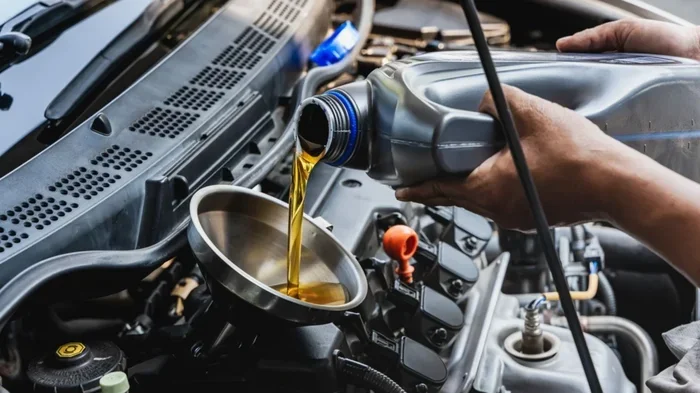
When adding oil, do it slowly. Use a funnel to pour the oil into the engine. Add about half a quart at a time. After each addition, wait a minute for the oil to settle, then check the dipstick again.
This gradual approach helps you avoid overfilling. It is much easier to add a little more than to remove excess oil. Patience is your best friend during this process.
Step 4: Verify the Oil Level
Once you have added the oil, run the engine for a few minutes. This circulates the new oil through the system. Then turn off the engine and wait a few minutes for the oil to settle back into the oil pan.
Check the dipstick one more time. The oil level should be between the minimum and maximum marks. If it is close to the maximum, you are done. If it is low, add a small amount more and recheck.
Also, take a moment to look under the car for any leaks. A small drip is normal when you first add oil, but a steady leak means you should investigate further.
Common Oil Capacity Mistakes to Avoid
Even experienced car owners can make mistakes when it comes to oil capacity. Here are the most common errors and how to avoid them.
Guessing the oil capacity: Never guess how much oil your engine needs. Always look up the exact specification for your vehicle. Even the same model can have different engine options with different capacities.
Forgetting to change the oil filter: Every time you change your oil, you should also replace the oil filter. A clogged filter reduces oil flow and can cause engine damage. The new filter ensures clean oil circulates through the engine.
Mixing oil types: Try not to mix synthetic and conventional oil. While it will not destroy your engine, it dilutes the benefits of the synthetic oil. If possible, stick with one type for consistency.
Ignoring the dipstick: Always use the dipstick to verify your oil level after adding oil. Do not rely on the amount you poured in. The engine’s actual capacity and the oil already in the system affect the final level.
Overfilling “just to be safe”: Adding extra oil because you are worried about running low is a bad idea. Overfilling causes the problems we discussed earlier. Stay within the recommended range on the dipstick.
If you ever find yourself dealing with too much oil, you might need to know how to address the situation. Some drivers wonder about how to drive with too much oil in the car and what risks are involved. It is best to correct the level as soon as possible rather than continuing to drive.
How Often Should You Change Your Oil?
Knowing your oil capacity is only half the battle. You also need to know when to change the oil. Oil breaks down over time and loses its ability to protect your engine. Old oil becomes less effective and can cause increased wear.
The traditional rule was to change oil every 3,000 miles. Modern oils and engines have changed that. Many vehicles can go 5,000 to 7,500 miles between changes. Some synthetic oils can even go 10,000 miles or more.
Check your owner’s manual for the manufacturer’s recommendation. They design the oil change interval based on your specific engine and oil type. Following their guidance is the best way to keep your engine healthy.
Driving habits also play a role. If you frequently drive in stop-and-go traffic, tow heavy loads, or operate in extreme temperatures, you may need to change your oil more often. These conditions put extra stress on the oil and reduce its effectiveness faster.
Setting a reminder on your phone or calendar helps you stay on track. Consistent oil changes are one of the best investments you can make in your vehicle’s longevity. A well-maintained engine lasts longer and performs better.
Quick Tips for Oil Maintenance
Here are some quick tips to keep your engine in great shape between oil changes:
- Check your oil level at least once a month
- Always use the oil type recommended by your manufacturer
- Keep a record of your oil changes and mileage
- Look for oil leaks under your car regularly
- Replace the oil filter every time you change the oil
- Do not drive on low oil, even for short distances
- Store extra oil in a cool, dry place for emergencies
These simple habits take just a few minutes each month. They can save you from expensive repairs and keep your engine running smoothly for years to come.
Remember that oil is cheap insurance for your engine. A few dollars spent on regular oil changes and top-offs can prevent thousands of dollars in engine repairs. It is one of the best returns on investment you will ever get from car maintenance.
Whether you are a DIY person or prefer to visit a service center, understanding your vehicle’s oil needs gives you confidence. You know what to ask for, what to watch for, and how to spot potential problems early. This knowledge puts you in control of your car’s health.
So the next time someone asks, how many quarts of oil do I need, you will have the answer. Check your manual, grab the right amount, and get the job done. Your engine will thank you for it.
Frequently Asked Questions
How many quarts of oil does a typical car need?
Most cars need between 4 and 8 quarts of oil. Smaller four-cylinder engines usually need 4 to 5 quarts, while larger V8 engines may need 6 to 8 quarts. Always check your owner’s manual for the exact capacity of your specific vehicle.
Can I use synthetic oil instead of conventional oil?
Yes, you can use synthetic oil in most modern cars. Synthetic oil offers better protection and lasts longer between changes. Just make sure your vehicle’s manufacturer approves synthetic oil for your engine type.
What happens if I put too much oil in my engine?
Overfilling your engine with oil can cause foaming, increased pressure, and oil leaks. It can also lead to blue smoke from the exhaust and poor engine performance. If you overfill, drain the excess oil to the proper level as soon as possible.
How do I check my oil level at home?
Make sure your car is on level ground and the engine is cool. Pull the dipstick out, wipe it clean, reinsert it fully, then pull it out again. The oil level should fall between the minimum and maximum marks on the dipstick.
How often should I change my oil?
Most modern vehicles need an oil change every 5,000 to 7,500 miles. Check your owner’s manual for the exact recommendation from your manufacturer. Driving conditions and habits may require more frequent changes.
Do I need to change the oil filter every time I change the oil?
Yes, you should always replace the oil filter when you change your oil. A fresh filter ensures clean oil flows through your engine. Old filters can become clogged and reduce oil flow, which leads to increased engine wear.
=== CONCLUSION ===
Understanding how many quarts of oil your car engine needs is one of the most important things you can do as a car owner. It is simple, it is essential, and it takes just a few minutes to get right. From checking your owner’s manual to using the dipstick and choosing the right oil type, every step matters.
Keep your oil level in the recommended range, change your oil on schedule, and never skip the oil filter. These small habits add up to a longer-lasting, better-performing engine. Your car will reward you with reliable service for years to come.
Take the time to learn your vehicle’s specific needs. The effort you put in today saves you from big headaches tomorrow. Stay on top of your engine oil maintenance, and your car will keep running strong mile after mile.