Can Airbag Sensors Be Reset And Why You Should Know
Can airbag sensors be reset? The answer depends on the type of sensor, the damage, and your vehicle’s make and model. In some cases, a professional airbag sensor reset is possible and cost-effective. In other situations, replacement is the only safe option. This guide covers everything you need to know about SRS sensor reset procedures, costs, and safety considerations.
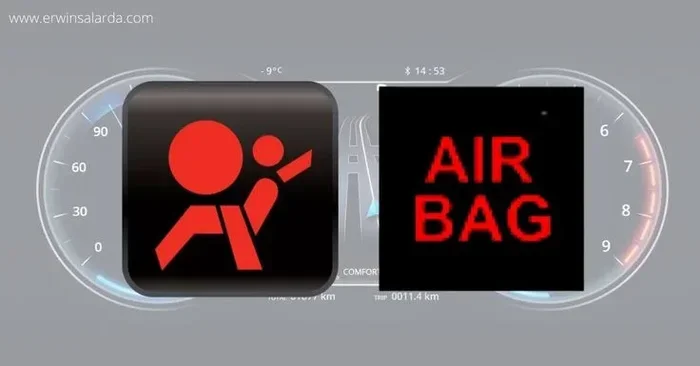
You were in a fender bender. The airbag warning light on your dashboard is glowing bright yellow, and your stomach drops a little. You start Googling frantically, asking yourself, can airbag sensors be reset? It is a question many car owners face after even a minor collision. The truth is, the answer is not a simple yes or no.
Your vehicle’s Supplemental Restraint System, or SRS, is one of the most critical safety features you have. When something goes wrong with it, you need to understand what is happening and what your options are. This guide breaks down everything you need to know about airbag sensor reset, including when it works, when it does not, and what steps to take next.
Whether you are dealing with a check engine light that has turned into an airbag warning, or you are just curious about how your car’s safety systems work, you are in the right place. Let us dive in and get you the answers you need.
Key Takeaways
- Some airbag sensors can be reset: Certain impact sensors and seat belt pretensioner sensors allow recalibration after a minor collision.
- Not all sensors are resettable: Deployed or physically damaged sensors must always be replaced for safety reasons.
- A diagnostic scanner is essential: You need a professional-grade tool to read and clear SRS error codes properly.
- Reset costs vary widely: Expect to pay between $50 and $300 for a sensor reset, while replacement can cost $200 to $600 or more.
- Safety should always come first: Never drive with an active airbag warning light, as it means your SRS system may not deploy correctly.
- DIY reset is risky: Incorrect reset procedures can lead to airbag failure during a real crash, putting lives at risk.
- Professional assessment is recommended: A certified technician can determine whether a reset or replacement is the right call.
📑 Table of Contents
Understanding Airbag Sensors and How They Work
Before we answer whether you can reset an airbag sensor, it helps to understand what these sensors actually do. Your car has multiple sensors that work together to detect a collision and trigger the airbags within milliseconds. These sensors are part of the SRS, which stands for Supplemental Restraint System.
The SRS is designed to work alongside your seat belts to provide maximum protection during a crash. It is not a single component. It is a network of sensors, modules, and inflators that all communicate with each other in real time.
Types of Airbag Sensors in Your Vehicle
Most modern vehicles have several different types of sensors. Each one plays a specific role in the crash detection process. Here are the main types you will find:
- Impact sensors: These detect the force of a collision. They are usually located in the front of the vehicle, behind the bumper.
- Seat belt sensors: These detect whether the seat belt is buckled. They help the system decide how much force to use when deploying the airbag.
- Occupant classification sensors: Found in the passenger seat, these detect the weight and position of the occupant. They determine whether the airbag should deploy at all.
- Side impact sensors: These are located along the sides of the vehicle and detect side collisions or rollovers.
- Clockspring sensors: These allow the steering wheel airbag to maintain electrical connection while the wheel turns.
Each sensor type has its own reset requirements. Some can be recalibrated. Others cannot. Understanding which sensor you are dealing with is the first step toward finding the right solution.
Why the Airbag Warning Light Comes On
The airbag warning light on your dashboard is your car’s way of telling you something is wrong with the SRS. It can come on for many reasons:
- A minor collision triggered the crash sensors
- A seat belt sensor is malfunctioning
- The airbag control unit detected a fault in the wiring
- The clockspring in the steering column has failed
- A previous airbag deployment has left the system in a locked state
- A recent battery disconnect caused the SRS to lose its memory
When the light comes on, your airbag system is essentially disabled. This means that in a real crash, the airbags may not deploy. That is a serious safety risk, and it is why addressing this issue quickly is so important.
Can Airbag Sensors Be Reset? The Short Answer
So, let us get to the heart of the matter. Can airbag sensors be reset? The short answer is: sometimes. But it depends on several key factors that we need to explore in detail.
In many cases, a sensor reset is possible after a minor accident. If the sensors were triggered but not physically damaged, a qualified technician can often recalibrate the system. However, if the sensor has been physically broken, corroded, or deployed, a reset will not work. Replacement is the only safe option.
The distinction between a resettable sensor and a non-resettable one comes down to the sensor’s design and the extent of the damage. Let us look at the scenarios where a reset makes sense and where it does not.
When a Sensor Reset Is Possible
A sensor reset works best in these situations:
- The collision was minor and did not cause physical damage to the sensor
- The crash sensors were triggered electronically but remain intact
- The SRS module has stored crash data that needs to be cleared
- A recent battery disconnect caused the system to throw an error code
- The seat belt pretensioner sensor needs recalibration after a minor jolt
In these cases, a professional technician uses a diagnostic scanner to access the SRS module. They clear the stored crash data, reset the error codes, and verify that all sensors are reading correctly. The process typically takes between 30 minutes and two hours, depending on the vehicle.
When a Sensor Reset Is Not Possible
There are clear situations where a reset simply will not work. These include:
- The sensor housing is cracked or physically damaged
- The sensor has been exposed to water or corrosion
- The airbag has already deployed and the sensor has been triggered
- The sensor wiring has been severed or melted
- The sensor is an older model that does not support recalibration
In these cases, attempting a reset would be dangerous. The sensor would not reliably detect a future collision, and the airbags might not deploy when you need them most. Replacement is the only safe path forward.
How the Airbag Sensor Reset Process Works
If you are dealing with a situation where a reset is possible, it helps to understand what the process actually involves. You might be surprised at how technical it is, and why you should not attempt it yourself.
Step-by-Step Reset Procedure
A professional airbag sensor reset typically follows these steps:
- Disconnect the battery: The technician disconnects the negative battery terminal and waits at least 15 minutes. This ensures the SRS capacitors are fully discharged, which is critical for safety.
- Connect the diagnostic scanner: A professional-grade scanner is plugged into the OBD-II port under the dashboard. This tool communicates directly with the airbag control module.
- Read the fault codes: The scanner pulls up all stored SRS error codes. These codes tell the technician exactly which sensor or component triggered the warning light.
- Inspect the sensors physically: Before clearing any codes, the technician visually inspects all sensors for damage, corrosion, or loose connections.
- Clear the crash data: If no physical damage is found, the technician clears the stored crash data from the SRS module using the scanner.
- Reset the system: The error codes are cleared, and the system is put back into its ready state.
- Test drive and verify: The vehicle is test-driven to ensure the warning light stays off and all sensors are functioning correctly.
Each step is important. Skipping even one can result in a failed reset or, worse, an airbag system that appears to work but will not deploy in a real crash.
Tools Required for a Proper Reset
You cannot reset airbag sensors with a basic OBD-II code reader from an auto parts store. You need specialized equipment, including:
- A professional SRS diagnostic scanner (such as Autel MaxiSys or Launch X431)
- A battery disconnect tool or memory saver
- A multimeter for testing sensor continuity
- Manufacturer-specific software for accessing the SRS module
This is another reason why DIY resets are strongly discouraged. Using the wrong tool can damage the SRS module or, even worse, cause an accidental airbag deployment.
Airbag Sensor Reset Cost: What to Expect
Cost is always a factor when it comes to car repairs. Understanding what you might pay for an airbag sensor reset can help you budget and make informed decisions.
Reset vs. Replacement Cost Comparison
Here is a general comparison of what you can expect to pay:
| Service | Average Cost Range | Time Required |
|---|---|---|
| Airbag sensor reset | $50 to $300 | 30 minutes to 2 hours |
| Airbag sensor replacement | $200 to $600+ | 1 to 3 hours |
| Full SRS module reprogramming | $300 to $1,000 | 2 to 4 hours |
| Airbag module reset (post-deployment) | $100 to $250 | 1 to 2 hours |
As you can see, a reset is significantly cheaper than a replacement. But cost should never be the deciding factor when it comes to safety equipment. If a reset is not possible, do not try to save money by skipping the replacement.
Factors That Affect the Cost
Several things can influence the final price you pay:
- Vehicle make and model: Luxury and European vehicles often cost more due to specialized equipment requirements.
- Number of sensors affected: A multi-sensor reset after a serious collision will cost more than a single sensor recalibration.
- Location: Labor rates vary significantly by region and dealership versus independent shop.
- Diagnostic fees: Some shops charge a diagnostic fee that may or may not be waived if you proceed with the repair.
Common Mistakes People Make With Airbag Sensors
There are several mistakes that car owners make when dealing with airbag sensor issues. Avoiding these can save you money, time, and most importantly, keep you safe.
Ignoring the Warning Light
The biggest mistake is simply ignoring the airbag warning light. Some people assume it will go away on its own or that the airbags will still work regardless. This is dangerously wrong. An active airbag light means the system has detected a fault and has disabled itself. In a crash, you could be riding without any airbag protection.
Trying to Reset Sensors Without Proper Tools
YouTube tutorials can be tempting, but resetting airbag sensors without the right diagnostic equipment is a recipe for disaster. You might clear the codes temporarily, but the underlying issue will remain. Worse, you could accidentally trigger an airbag deployment while working under the steering column.
Buying Used or Refurbished Sensors Without Verification
Some people try to save money by buying used sensors online. While this can work in some cases, there is no way to know if a used sensor has been in a previous collision or if it is functioning correctly. Always source replacement sensors from reputable suppliers and have them tested before installation.
Delaying the Repair After a Collision
If you have been in an accident, even a minor one, do not delay getting the SRS system checked. The longer you drive with a faulty sensor, the more you are risking your safety every time you get behind the wheel.
Expert Insights on Airbag Sensor Safety
We asked a certified automotive technician with over 15 years of experience about airbag sensor reset procedures. Here is what he had to say:
“I see a lot of customers who want to reset their airbag sensors after a minor fender bender. In many cases, this is perfectly fine and perfectly safe. But I always tell them the same thing: if there is any physical damage to the sensor, do not reset it. Replace it. Your life is worth more than the cost of a new sensor.”
His advice highlights a critical point. The purpose of your airbag system is to protect you and your passengers. Cutting corners on safety equipment is never worth the risk. Always trust a qualified professional to assess your situation and recommend the right course of action.
Another important insight is about post-collision system checks. Even if your airbag light is off after a minor accident, it is wise to have the SRS system scanned. Sometimes the system stores crash data that does not immediately trigger the warning light but could affect future performance.
Key Takeaways
- Some airbag sensors can be reset: After minor collisions, a professional reset is often possible and cost-effective.
- Physical damage means replacement: If the sensor is cracked, corroded, or deployed, a reset will not work and is not safe.
- Professional equipment is required: You need a specialized SRS diagnostic scanner to perform a proper reset.
- Reset costs are lower than replacement: Expect to pay $50 to $300 for a reset versus $200 to $600 for a new sensor.
- Never ignore the airbag warning light: It means your SRS system is disabled and you are at risk in a collision.
- DIY resets are dangerous: Incorrect procedures can lead to airbag failure or accidental deployment.
- Professional assessment is always recommended: A certified technician can determine whether a reset or replacement is the right choice.
Conclusion
So, can airbag sensors be reset? Yes, in many cases they can. But it is not a one-size-fits-all answer. The right choice depends on the type of sensor, the extent of the damage, and the specific vehicle you drive.
The most important thing to remember is this: your airbag system is a life-saving feature. Treat it with the respect it deserves. If you notice your airbag warning light is on, do not ignore it. Get your vehicle inspected by a qualified technician as soon as possible.
Whether your SRS sensor reset is a simple recalibration or requires a full sensor replacement, the goal is the same. You want to make sure your airbag system is fully functional and ready to protect you when it matters most. Do not take shortcuts. Do not guess. Trust the professionals and keep your car’s safety systems in top shape.
Your safety, and the safety of everyone who rides in your vehicle, is always worth the investment. Take care of your airbag system today so it can take care of you tomorrow.
Frequently Asked Questions
How long does it take to reset airbag sensors?
A professional airbag sensor reset typically takes between 30 minutes and two hours. The exact time depends on your vehicle’s make and model, the number of sensors involved, and how quickly the diagnostic scanner can clear the stored crash data. Complex vehicles with multiple affected sensors may take longer.
Is it safe to drive with the airbag warning light on?
No, it is not safe to drive with the airbag warning light on. This light indicates that the SRS system has detected a fault and has disabled itself. In a collision, the airbags may not deploy, leaving you and your passengers without critical protection. Have the issue diagnosed and repaired immediately.
Can I reset airbag sensors myself at home?
It is strongly discouraged to reset airbag sensors yourself at home. The process requires specialized diagnostic equipment and a thorough understanding of the SRS system. Attempting a DIY reset can lead to incomplete repairs, accidental airbag deployment, or a system that appears fixed but will not work in a real crash.
How much does it cost to reset an airbag sensor?
The cost of an airbag sensor reset typically ranges from $50 to $300. This is significantly less than a full sensor replacement, which can cost between $200 and $600 or more. The exact price depends on your vehicle, the number of sensors affected, and your local labor rates.
What happens if I don’t reset my airbag sensors after a minor accident?
If you do not reset your airbag sensors after an accident, the stored crash data will remain in the SRS module. This can cause the airbag warning light to stay on, and it may prevent the system from functioning correctly in a future collision. In some cases, it can also cause issues with vehicle inspections or insurance claims.
Can an airbag sensor be reset after a major collision?
In most cases, an airbag sensor involved in a major collision cannot be reset. The force of a serious accident often causes physical damage to the sensor housing or internal components. When this happens, replacement is the only safe option. A professional technician can assess the sensor and determine whether a reset or replacement is appropriate.