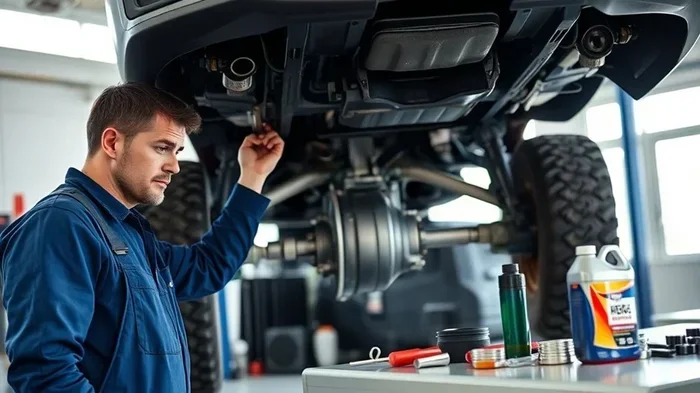
Does AWD Need Service Everything You Need To Know Explained
Yes, AWD systems need regular service to perform at their best. Your all-wheel drive vehicle relies on several components like the transfer case, differentials, and AWD fluid that all require routine maintenance. Skipping AWD service can lead to costly repairs and reduced traction on the road.
Does AWD need service? The short answer is yes. If you drive an all-wheel drive vehicle, your drivetrain works harder than a front-wheel drive or rear-wheel drive system. That extra work means more components need attention over time. Regular AWD service keeps your car safe, responsive, and ready for any road condition.
Many car owners overlook AWD maintenance. They change their oil and rotate their tires but forget about the transfer case, differentials, and AWD fluid. This guide breaks down everything you need to know about AWD service. You will learn what it involves, how often to do it, and why it matters for your vehicle’s longevity.
Key Takeaways
- AWD systems do require service: Regular maintenance keeps your all-wheel drive running smoothly and safely.
- AWD fluid changes are essential: Most manufacturers recommend changing AWD fluid every 30,000 to 60,000 miles.
- Transfer case and differential service matter: These components work hard and need periodic checks and fluid replacements.
- Watch for warning signs: Unusual noises, vibrations, or warning lights signal that your AWD needs attention.
- AWD service costs vary: Expect to pay between $100 and $400 for routine AWD maintenance depending on your vehicle.
- DIY vs. professional service: Some AWD tasks are simple, but complex work is best left to trained technicians.
- Regular AWD care saves money long term: Preventive maintenance avoids expensive drivetrain repairs down the road.
📑 Table of Contents
- What Is AWD and Why Does It Need Service?
- How Often Does AWD Need Service?
- What Does AWD Service Include?
- Signs Your AWD System Needs Service
- How Much Does AWD Service Cost?
- Can You Do AWD Service Yourself?
- Common AWD Service Mistakes to Avoid
- Expert Insights on AWD Maintenance
- Benefits of Regular AWD Service
- Final Thoughts
What Is AWD and Why Does It Need Service?
All-wheel drive sends power to all four wheels at the same time. This gives you better grip, especially in rain, snow, or off-road conditions. But with more moving parts comes more wear. Your AWD system includes the transfer case, front differential, rear differential, and various joints and axles. All of these parts need regular care.
Think of AWD service like oil changes for your engine. You would never skip oil changes and expect your engine to last forever. The same logic applies to your drivetrain. Neglecting AWD maintenance leads to premature wear, reduced fuel efficiency, and potentially dangerous breakdowns.
Most modern AWD vehicles use a complex network of sensors, fluids, and mechanical parts. Each component plays a specific role in distributing power evenly. When one part fails, it affects the entire system. That is why preventive AWD service is so important.
Key Components of an AWD System
Understanding what is inside your AWD system helps you appreciate why service matters. Here are the main parts that need regular attention:
- Transfer Case: This unit distributes power from the transmission to the front and rear axles. It contains fluid that degrades over time and needs replacement.
- Front Differential: This allows the front wheels to spin at different speeds during turns. It relies on differential fluid for smooth operation.
- Rear Differential: Just like the front, the rear differential needs fluid changes to prevent gear wear.
- CV Joints and Axles: These connect the wheels to the drivetrain. They can wear out and need inspection during AWD service.
- AWD Fluid: This special fluid lubricates all the internal components and keeps temperatures in check.
How Often Does AWD Need Service?
The frequency of AWD service depends on your vehicle, driving habits, and conditions. Most manufacturers provide specific service intervals in the owner’s manual. However, a general guideline works for most AWD vehicles on the road today.
For routine AWD maintenance, plan on a service interval every 30,000 to 60,000 miles. This aligns with many 000 mile service schedules that cover drivetrain components. If you drive in severe conditions, you may need service more often.
Service Intervals by Component
Different AWD components have different service schedules. Here is a quick breakdown of what to expect:
- AWD Fluid Change: Every 30,000 to 60,000 miles. Some manufacturers extend this to 100,000 miles, but more frequent changes help in harsh climates.
- Transfer Case Service: Every 50,000 to 100,000 miles depending on the vehicle and fluid type.
- Differential Service: Every 30,000 to 50,000 miles for fluid replacement.
- Visual Inspection: Every 15,000 to 30,000 miles to check for leaks, worn boots, and CV joint condition.
- Tire Rotation: Every 5,000 to 7,500 miles. This is critical for AWD vehicles to prevent uneven wear.
Always check your owner’s manual first. The manufacturer knows your specific AWD system best. Following their recommended schedule protects your warranty and keeps your car running right.
What Does AWD Service Include?
AWD service covers several tasks that keep your drivetrain healthy. A certified technician will perform a series of checks and replacements during a typical AWD service appointment. Here is what you can expect.
1. AWD Fluid Inspection and Replacement
The first step in any AWD service is checking the fluid level and condition. AWD fluid lubricates the transfer case, front differential, and rear differential. Over time, this fluid breaks down and loses its effectiveness. Dirty fluid causes increased friction, heat, and wear on internal gears.
During service, the technician drains the old fluid, inspects for metal particles or contamination, and replaces it with fresh fluid. This is one of the most important AWD maintenance tasks you can do. Fresh fluid keeps all components working smoothly and extends the life of your drivetrain.
2. Transfer Case Check
The transfer case is the heart of your AWD system. It takes power from the transmission and splits it between the front and rear axles. During service, the technician checks the transfer case for leaks, unusual noises, and proper engagement.
If your vehicle has a transfer case fluid change interval, the technician will replace the fluid at this time. A healthy transfer case ensures smooth power distribution and prevents premature wear on other AWD components.
3. Differential Inspection
Both the front and rear differentials get inspected during AWD service. The technician checks the fluid condition, looks for leaks, and listens for unusual sounds. Worn differentials can cause vibrations, humming noises, and poor handling.
Differential fluid replacement is often part of this inspection. Fresh differential fluid keeps the gears lubricated and reduces heat buildup. This simple step prevents expensive differential rebuilds later on.
4. CV Joint and Axle Inspection
The constant velocity joints and axles connect your wheels to the drivetrain. They endure a lot of stress, especially during turns and off-road driving. During AWD service, the technician inspects the CV boots for tears and the axles for play or damage.
Replacing a worn CV boot early prevents costly axle replacement. This is an easy fix when caught during routine AWD service but can become a major repair if ignored.
5. Tire Inspection and Rotation
Tire maintenance is a critical part of AWD service. AWD systems are very sensitive to tire size and tread differences. Even a small mismatch between tires can damage the drivetrain over time.
During service, the technician checks your tire tread depth, pressure, and overall condition. They will also rotate your tires to promote even wear. For AWD vehicles, tire rotation is not optional. It is a necessary part of drivetrain care.
Signs Your AWD System Needs Service
How do you know when your AWD needs attention? Your vehicle gives you warning signs. Catching these early saves you from expensive repairs. Here are the most common signs that your AWD system needs service.
- Unusual Noises: Grinding, humming, or whining sounds from underneath the car often indicate low or dirty AWD fluid or worn differentials.
- Vibrations: Feeling vibrations while driving, especially at higher speeds, can signal CV joint problems or drivetrain issues.
- Warning Lights: If your check engine light or AWD warning light comes on, do not ignore it. These lights often point to drivetrain problems.
- Reduced Fuel Economy: A struggling AWD system works harder and uses more fuel. If you notice a drop in MPG, it may be time for a service.
- Fluid Leaks: Puddles of fluid under your car, especially near the middle or rear, suggest a leak in the transfer case or differentials.
- Poor Handling in Slippery Conditions: If your AWD feels like it is not engaging properly on wet or icy roads, the system needs a professional check.
Do not wait for these signs to become severe. Early detection during routine AWD service prevents minor issues from turning into major repairs. If you notice any of these symptoms, schedule a service appointment right away.
How Much Does AWD Service Cost?
Cost is a big concern for many car owners. AWD service costs vary based on your vehicle, the type of service needed, and where you go. Understanding the price range helps you budget for this important maintenance.
Basic AWD services like fluid changes typically cost between $100 and $300. A full AWD service including transfer case fluid, differential fluid, and inspection may run between $200 and $500. More extensive repairs, such as CV joint replacement or transfer case rebuilds, can cost $500 to $2,000 or more.
For reference, a standard 000 mile service cost for many AWD vehicles falls in the $150 to $400 range depending on what is included. Always get a detailed quote before authorizing service so there are no surprises.
Factors That Affect AWD Service Cost
- Vehicle Make and Model: Luxury and performance AWD vehicles often require more expensive fluids and parts.
- Type of AWD System: Full-time AWD systems may cost more to service than part-time systems.
- Location: Labor rates vary by region. Dealership service centers typically charge more than independent shops.
- Extent of Service: A basic fluid change costs less than a full AWD inspection with multiple fluid replacements.
- Warranty Coverage: Some vehicles may have warranty coverage for labor on certain drivetrain services. Check your warranty to see what is included.
The good news is that preventive AWD service is far cheaper than major drivetrain repairs. Spending a few hundred dollars on routine maintenance can save you thousands in the long run.
Can You Do AWD Service Yourself?
Some AWD service tasks are simple enough for DIY enthusiasts. Fluid changes for the differentials and transfer case are often straightforward if you have the right tools and equipment. However, more complex tasks like CV joint replacement or transfer case removal are best left to professionals.
If you enjoy working on your car, start with simple AWD maintenance tasks. Checking fluid levels, inspecting CV boots, and rotating tires are all manageable at home. Just make sure you use the correct fluid type specified by your vehicle manufacturer.
For anything involving dropping the transmission or removing the transfer case, professional service is the way to go. These tasks require special tools, lifts, and expertise. A trusted 24 7 car service center can handle complex AWD repairs safely and efficiently.
Quick Tips for DIY AWD Maintenance
- Always use the manufacturer-recommended AWD fluid.
- Check for leaks under your car after fluid changes.
- Keep a maintenance log to track service intervals.
- Never mix different types of differential fluid.
- When in doubt, consult a professional technician.
Common AWD Service Mistakes to Avoid
Even well-meaning car owners make mistakes when it comes to AWD service. Avoiding these common errors keeps your drivetrain healthy and your wallet happy.
- Skipping Tire Rotations: Uneven tire wear is the number one enemy of AWD systems. Skipping rotations causes differential stress and premature wear.
- Using the Wrong Fluid: Not all AWD fluids are the same. Using the wrong type can damage internal components and void your warranty.
- Ignoring Small Leaks: A small leak today becomes a big problem tomorrow. Address any fluid leaks immediately.
- Stretching Service Intervals: Pushing past recommended service intervals puts extra strain on your AWD components.
- Neglecting Visual Inspections: Regular visual checks catch problems early. Do not wait for symptoms to appear before inspecting your drivetrain.
These mistakes are easy to avoid with a consistent AWD service schedule. Set reminders on your phone or keep a maintenance journal. Staying on top of service keeps your AWD system reliable for years to come.
Expert Insights on AWD Maintenance
Experienced technicians agree that preventive AWD service is the best investment you can make for your vehicle. According to industry experts, most AWD failures are preventable with regular maintenance. The transfer case and differentials are designed to last the life of the vehicle, but only with proper care.
One expert tip is to check your AWD fluid color during every oil change. Fresh AWD fluid is typically red or green. If it looks dark brown or black, it is time for a change. This simple visual check takes seconds but can prevent serious drivetrain damage.
Another valuable insight is to pay attention to how your AWD system feels. Your vehicle communicates with you through vibrations, sounds, and handling changes. Trust your instincts. If something feels off, get it checked before it becomes a bigger problem.
Benefits of Regular AWD Service
Regular AWD service delivers many benefits that go beyond just keeping your car running. Here are the key advantages of staying on top of your AWD maintenance schedule.
- Improved Traction and Safety: A well-maintained AWD system provides better grip and handling in all conditions.
- Extended Drivetrain Life: Regular service reduces wear on all AWD components, helping them last longer.
- Better Fuel Efficiency: A healthy AWD system operates more efficiently and uses less fuel.
- Lower Repair Costs: Preventive maintenance catches small problems before they become expensive repairs.
- Higher Resale Value: A well-maintained AWD vehicle commands a higher resale price on the used market.
- Peace of Mind: Knowing your drivetrain is in good shape gives you confidence on every drive.
These benefits make a strong case for staying current with your AWD service schedule. It is one of the best ways to protect your investment and enjoy a reliable driving experience.
Final Thoughts
So, does AWD need service? Absolutely. Your all-wheel drive system is a complex network of components that require regular care and attention. From AWD fluid changes to differential inspections and tire rotations, each service task plays a vital role in keeping your drivetrain healthy.
Following the manufacturer’s recommended service intervals is the foundation of good AWD maintenance. Combine that with regular visual inspections and attention to warning signs, and your AWD system will serve you well for many miles to come. The cost of routine AWD service is small compared to the cost of major drivetrain repairs.
Take charge of your vehicle’s maintenance today. Schedule your next AWD service, keep a maintenance log, and stay ahead of potential problems. Your AWD system will thank you with reliable performance in every driving condition. Trust the process, stay consistent, and enjoy the confidence that comes with a well-maintained all-wheel drive vehicle.
Frequently Asked Questions
What happens if you don’t service your AWD system?
Skipping AWD service leads to dirty fluid, increased friction, and premature wear on your transfer case and differentials. Over time, this can cause costly repairs or even complete drivetrain failure. Regular service prevents these expensive problems and keeps your AWD system running safely.
How much does AWD fluid change cost?
AWD fluid changes typically cost between $100 and $300 depending on your vehicle and location. Luxury or performance AWD vehicles may cost more due to specialized fluids and higher labor rates. Always ask for a detailed quote before the service begins.
Can I use regular gear oil in my AWD system?
No, you should always use the manufacturer-recommended AWD fluid. AWD systems have specific friction and viscosity requirements that regular gear oil may not meet. Using the wrong fluid can cause poor performance, increased wear, and potential warranty issues.
How do I know if my AWD fluid needs changing?
Check the color and smell of your AWD fluid. Fresh fluid is red or green and has a mild smell. Dark brown or black fluid with a burnt odor indicates it is time for a change. You can also check your owner’s manual for the recommended service interval.
Is AWD service the same as an oil change?
No, AWD service is different from an oil change. An oil change services your engine, while AWD service focuses on the drivetrain components like the transfer case, differentials, and CV joints. Both are important, but they address different parts of your vehicle.
Does AWD require more maintenance than FWD or RWD?
Yes, AWD systems generally require more maintenance than front-wheel drive or rear-wheel drive vehicles. The additional components like the transfer case and extra differentials need regular fluid changes and inspections. However, the extra maintenance is worth the improved traction and safety AWD provides.
=== CONCLUSION ===
AWD service is not optional. It is a necessary part of owning an all-wheel drive vehicle. Regular maintenance keeps your drivetrain healthy, improves safety, and saves you money on expensive repairs. By following your manufacturer’s service schedule and watching for warning signs, you can enjoy reliable AWD performance for years to come. Take action today and give your AWD system the care it deserves.