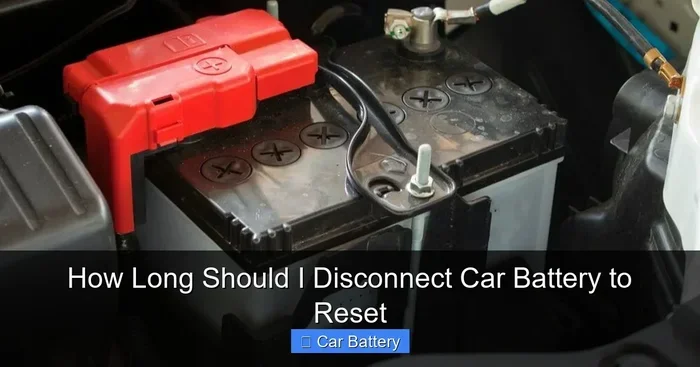
How Long to Disconnect Battery for Check Engine Light Reset
Disconnecting your battery for 15 to 30 minutes is usually enough to reset the check engine light. This simple trick clears stored trouble codes and resets your vehicle’s ECU. However, the exact time depends on your car model, battery type, and what triggered the light in the first place. Always make sure you have your radio code and alarm code before you start.
That little orange engine light on your dashboard can send anyone into a panic. One moment you’re driving along, and the next — boom — there it is. You start Googling frantically, and one of the first pieces of advice you find is to disconnect the battery. But how long should you actually leave it disconnected? Is 5 minutes enough? What about an hour? And does it even work?
In this guide, we’ll walk you through everything you need to know about resetting your check engine light by disconnecting the battery. We’ll cover the exact timing, step-by-step instructions, what to expect, and when this method actually works versus when you need a different approach. Whether you’re dealing with a loose gas cap or a more serious issue, this article has you covered.
Key Takeaways
- 15 to 30 minutes: The standard time to leave your battery disconnected for a check engine light reset.
- Safety first: Always turn off the engine and remove the key before disconnecting anything.
- Memory loss is real: Disconnecting the battery can erase radio presets, clock settings, and alarm codes.
- Not a permanent fix: If the underlying problem isn’t solved, the light will come back.
- Alternative methods exist: An OBD-II scanner can reset the light without touching the battery.
- Drive cycles matter: After a reset, your car may need a drive cycle to relearn settings.
📑 Table of Contents
- Why Does the Check Engine Light Come On?
- How Long to Disconnect Battery for Check Engine Light Reset
- Step-by-Step Guide to Disconnecting Your Battery
- When a Battery Disconnect Won’t Work
- What to Expect After the Reset
- Is It Safe to Disconnect the Battery?
- Common Mistakes People Make When Resetting the Check Engine Light
- When to See a Professional Instead
- Final Thoughts
Why Does the Check Engine Light Come On?
Before we dive into the reset process, let’s quickly talk about why that light shows up in the first place. Understanding the root cause helps you decide whether a battery disconnect is the right move.
Common Reasons the Check Engine Light Activates
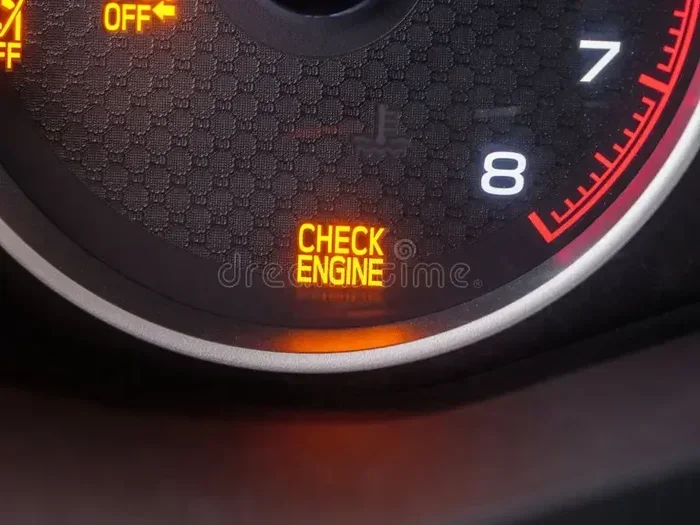
The check engine light — also called the MIL (Malfunction Indicator Lamp) — activates when your car’s onboard computer detects something wrong. Here are the most common triggers:
- Loose or faulty gas cap: This is the number one cause. A loose cap lets fuel vapors escape, triggering an emissions code.
- Oxygen sensor failure: The O2 sensor measures unburned oxygen. When it fails, fuel economy drops and emissions rise.
- Catalytic converter issues: A failing converter is expensive to fix and triggers a serious code.
- Mass airflow sensor problems: A dirty or bad MAF sensor causes poor performance and rough idling.
- Spark plug or ignition coil failure: Misfires are a common culprit, especially in older vehicles.
- EVAP system leaks: Small leaks in the evaporative emission control system are surprisingly common.
If your light is flashing, that’s different from a steady glow. A flashing light usually signals a severe problem, like an active misfire that could damage your catalytic converter. In that case, don’t just reset the light — get to a mechanic right away. Driving with the check engine light on is sometimes okay, but a flashing light is never something to ignore.
How Long to Disconnect Battery for Check Engine Light Reset
This is the question everyone wants answered. The short answer is 15 to 30 minutes. But the full answer depends on a few factors we’ll break down below.
The Standard Timing
Most automotive experts agree that leaving your battery disconnected for about 15 to 30 minutes gives the ECU (Engine Control Unit) enough time to fully drain its short-term memory. This memory stores all the diagnostic trouble codes (DTCs) that triggered the check engine light.
Here’s a simple breakdown of timing:
- 5 minutes: Usually not enough. The ECU may not fully reset.
- 15 minutes: The sweet spot for most vehicles.
- 30 minutes: Guarantees a full reset, even on cars with stubborn ECUs.
- Over an hour: Unnecessary. You won’t get better results, and you’ll sit there waiting for nothing.
Think of it like clearing your phone’s cache. You don’t need to leave it off overnight — just long enough for the system to forget the old errors and start fresh.
Why the Time Varies by Vehicle
Not all cars are created equal. Some vehicles clear their codes quickly, while others hold onto them stubbornly. Here’s what affects the reset time:
- Car make and model: Luxury brands and newer models sometimes have more complex ECUs that take longer to fully reset.
- Battery type: A fully charged battery drains faster from the terminals, which can affect how quickly the ECU loses power.
- ECU design: Some vehicles store codes in non-volatile memory, meaning they survive a battery disconnect. These rare cases need an OBD-II scanner instead.
- Age of the vehicle: Older cars from the 1990s and early 2000s often reset faster than modern vehicles with complex computer systems.
What Happens When You Disconnect the Battery
When you remove the negative battery terminal, you cut power to the entire electrical system. Here’s the sequence of events:
- The ECU loses its power source.
- Short-term fuel trims, idle adjustments, and learned adaptations start to clear.
- Diagnostic trouble codes are erased from active memory.
- The check engine light turns off.
- When you reconnect, the ECU goes into a relearning mode.
During the relearning phase, your car might idle a little rough for the first few minutes of driving. This is completely normal. The ECU is relearning your driving habits and environmental conditions. Give it a few drive cycles, and everything should smooth out.
Step-by-Step Guide to Disconnecting Your Battery
Ready to try it yourself? Follow these steps carefully. Safety matters, and so does doing it right.
What You’ll Need
- A wrench or socket set (usually 10mm for the negative terminal)
- Your radio code and alarm PIN (check your owner’s manual)
- A cloth or towel to protect the battery terminals
- Gloves and safety glasses (optional but smart)
The Process
Step 1: Turn off the engine. Park your car on a flat surface, shift to Park (or Neutral), and turn the key to the off position. Remove the key from the ignition.
Step 2: Locate the battery. Open the hood and find the battery. You’ll see two terminals — positive (red, marked with a +) and negative (black, marked with a -).
Step 3: Disconnect the negative terminal first. Always remove the negative cable first. This prevents short circuits. Use your wrench to loosen the nut, then carefully lift the cable off the terminal. Tuck it away from the battery so it can’t accidentally touch.
Step 4: Wait 15 to 30 minutes. Set a timer. Don’t just walk away and forget — you want to make sure enough time passes for the ECU to fully reset.
Step 5: Reconnect the negative terminal. Place the cable back on the terminal and tighten the nut securely. Make sure it’s snug — a loose connection causes all kinds of electrical gremlins.
Step 6: Reconnect the positive terminal. Repeat the process for the positive cable.
Step 7: Turn the ignition on. Don’t start the engine yet. Just turn the key to the “On” position and wait a few seconds. You should see all the dashboard lights come on and then go off. If the check engine light stays off after you start the engine, the reset worked.
Quick Tips for Success
- Never disconnect the positive terminal first. This can cause sparks and potentially damage your electrical system.
- Keep your phone handy. You might need to look up your radio code or alarm PIN.
- Check the gas cap first. Seriously — a loose gas cap causes more check engine lights than anything else. Tighten it and see if the light goes off on its own before going through the whole battery disconnect process.
- Drive for 50 to 100 miles after the reset. This gives the ECU time to relearn and run a full diagnostic cycle.
When a Battery Disconnect Won’t Work
Here’s the honest truth: disconnecting the battery doesn’t fix every problem. It only clears the codes and turns off the light. If the underlying issue is still there, the light will come back — sometimes within minutes, sometimes after a few days of driving.
Situations Where This Method Fails
Some problems are too deep for a simple battery disconnect to solve. Here are examples:
- Hardware failures: A broken oxygen sensor, a cracked catalytic converter, or a faulty ignition coil won’t go away just because you reset the light.
- Persistent EVAP leaks: Small leaks in the fuel vapor system often return after a reset because the physical problem hasn’t been addressed.
- Non-volatile memory codes: Some vehicles store certain codes in permanent memory that survives a battery disconnect. These codes need a professional scan tool to clear.
- Pending codes: Even after a reset, pending codes can trigger the light again once the ECU completes its next monitoring cycle.
If you disconnect the battery and the light returns within a day or two, you have a real problem that needs real repair. Don’t keep resetting the light and pretending everything is fine. That approach only masks a growing issue and could lead to expensive damage down the road.
Alternative Methods to Reset the Light
If a battery disconnect isn’t working for you, don’t worry. There are other options available:
- OBD-II scanner: You can buy a basic scanner for under $30. Plug it into the diagnostic port (usually under the steering column), read the codes, and clear them. This method works on almost every car made after 1996.
- Visit an auto parts store: Many stores like AutoZone will read and clear codes for free. AutoZone can check your check engine light at no cost to you.
- Clear the engine management light manually: Some vehicles allow you to reset the light through the dashboard menu. Check your owner’s manual for specific instructions.
- Take it to a mechanic: If you’re not comfortable doing it yourself, a trusted mechanic can diagnose and clear the codes properly.
Each method has its pros and cons. An OBD-II scanner gives you the most control and lets you see exactly what codes triggered the light. A battery disconnect is free and requires no special tools. Choose the method that fits your comfort level and budget.
What to Expect After the Reset
Once you’ve successfully reset the check engine light, your car needs some time to get back to normal. Here’s what typically happens:
The First Drive Cycle
A drive cycle is a series of driving conditions that your car uses to test all its systems. After a reset, the ECU enters a learning phase. During this time, you might notice:
- Slightly rough idle for the first few minutes. The ECU is adjusting fuel delivery and timing based on current conditions.
- Reduced fuel economy for a short period. The car runs on default settings until it relearns your driving patterns.
- The check engine light staying off. This is the goal! If it stays off through a full drive cycle, the reset was successful.
- Dashboard warnings resetting. Your radio, clock, and power window settings may need to be reprogrammed.
How Long Until the ECU Fully Relearns
Most vehicles complete their relearning process within 50 to 100 miles of driving. During this period, avoid aggressive driving and heavy loads if possible. Let the car warm up properly before pushing it hard. This gives the ECU the best chance to adapt smoothly.
Some drivers also report that their TPMS (Tire Pressure Monitoring System) light comes on after a battery disconnect. This happens because the system loses its learned tire pressure values. You can reset your TPMS sensor yourself in most cases with a simple button press or by driving for a few miles.
Is It Safe to Disconnect the Battery?
Yes, it’s generally safe — as long as you follow the correct procedure. The key rule is always disconnect the negative terminal first and reconnect it last. This prevents accidental short circuits that could damage your car’s electrical components or even cause injury.
Precautions to Take
- Know your radio code. Many cars require a code to unlock the stereo after a battery disconnect. If you don’t have it, you’ll need to visit a dealer or audio shop.
- Check your alarm system. Some vehicles go into alarm mode after a full power loss. You may need your PIN to disarm it.
- Don’t disconnect the battery while the engine is running. This can damage the alternator and other electrical components.
- Wear protective gear. Batteries contain sulfuric acid and can produce explosive hydrogen gas. Gloves and safety glasses are a smart precaution.
- Work in a well-ventilated area. Never smoke or create sparks near the battery.
If you follow these precautions, disconnecting your battery is one of the simplest and safest maintenance procedures you can do at home. It’s something anyone can learn in under five minutes.
Common Mistakes People Make When Resetting the Check Engine Light
Even though this process is straightforward, people still make avoidable mistakes. Here’s what to watch out for:
- Reconnecting the battery too soon: If you only wait 3 minutes, the ECU might not fully reset. Be patient and wait the full 15 to 30 minutes.
- Ignoring the root cause: Resetting the light doesn’t fix the problem. It just hides the symptom. Always diagnose the underlying issue.
- Using the wrong wrench size: A stripped nut makes the whole process much harder. Make sure you have the right size before you start.
- Forgetting to clear codes with a scanner afterward: In some cases, the battery disconnect clears the light but not all codes. A scanner can confirm whether codes are fully gone.
- Driving aggressively right after a reset: Let the ECU relearn gradually. Hard acceleration and high speeds during the first few miles can confuse the system.
Avoiding these mistakes saves you time, frustration, and potential repair bills. A little patience goes a long way.
When to See a Professional Instead
Sometimes the check engine light is trying to tell you something serious. Here are signs that you should skip the DIY reset and see a professional:
- The light is flashing: A flashing check engine light indicates a severe misfire that can damage your catalytic converter.
- You notice poor performance: Rough idling, stalling, or loss of power alongside the light means something is actively wrong.
- The light keeps coming back: If you reset it three or more times and it returns each time, you have a persistent problem that needs diagnosis.
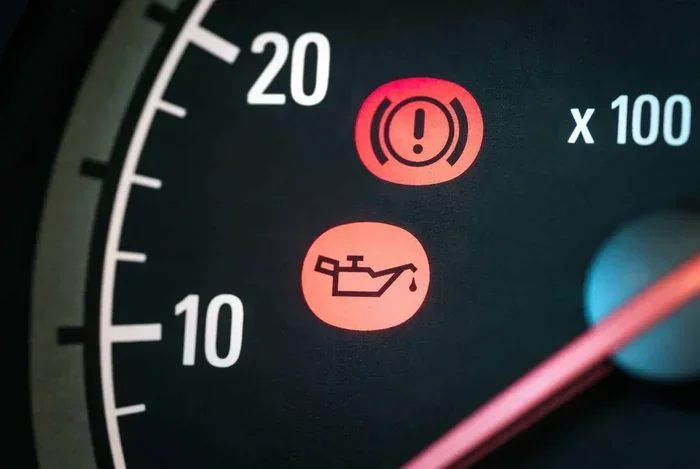
- You see other warning lights: Oil pressure, temperature, or battery lights alongside the check engine light signal a serious issue.
A professional mechanic has the tools and expertise to diagnose problems properly. They can read the specific trouble codes, perform tests, and recommend the right repair. Sometimes spending $100 on a diagnosis saves you thousands in future repairs.
And if you’re dealing with a situation where the light is on and you need to drive somewhere, remember that driving a short distance with the check engine light on is usually okay — unless it’s flashing. Still, get it checked as soon as possible.
Final Thoughts
Resetting your check engine light by disconnecting the battery is a simple, effective, and free method that works for most common issues. Leave the battery disconnected for 15 to 30 minutes, reconnect everything carefully, and give your car a few drive cycles to relearn. The process is straightforward, safe, and something you can do in your own driveway with just a basic wrench.
But remember — the battery disconnect only clears the light. It doesn’t fix the problem that caused it. If the light comes back, or if it was flashing in the first place, take your car to a professional. Ignoring a real problem always costs more in the long run.
For a more permanent solution, consider using an OBD-II scanner to read and clear codes, or visit your local auto parts store for a free diagnostic check. And if you’re dealing with a related issue like the engine management light, clearing the engine management light follows a similar process.
Take care of your car, address problems early, and that little orange light will stay off where it belongs. Happy wrenching!
Frequently Asked Questions
Can I disconnect the battery for just 5 minutes to reset the check engine light?
Five minutes is usually not enough time for the ECU to fully clear its memory. Most experts recommend waiting at least 15 minutes, with 30 minutes being the safest bet. If you’re in a rush, 15 minutes works for most vehicles, but 30 ensures a complete reset.
Will disconnecting the battery erase my car’s settings?
Yes, it can. Disconnecting the battery often erases radio presets, clock settings, power window auto-up/down calibration, and alarm PIN codes. Before you disconnect, look up your radio code and alarm PIN in your owner’s manual. Some cars also need the key relearned after a full power loss.
Can I use a battery maintainer instead of disconnecting the battery?
A battery maintainer keeps your battery charged while you work on the car, but it doesn’t replace the need to disconnect the negative terminal for an ECU reset. You still need to remove the negative cable to fully drain the ECU’s short-term memory.
How do I know if the check engine light reset was successful?
After reconnecting the battery and starting the engine, watch the dashboard. If the check engine light stays off, the reset worked. You can also use an OBD-II scanner to confirm that no trouble codes remain. If the light comes back on within a few days, the underlying problem hasn’t been fixed.
Is it better to use an OBD-II scanner instead of disconnecting the battery?
In most cases, yes. An OBD-II scanner lets you read the specific trouble codes before clearing them, which helps you understand what triggered the light in the first place. A battery disconnect clears everything without giving you diagnostic information. However, both methods effectively reset the check engine light.
What should I do if the check engine light comes back after I reset it?
If the light returns, the original problem is still present. Don’t keep resetting it and ignoring it. Get the codes read with a scanner or visit a mechanic. Continuing to drive with an unresolved issue can lead to more serious and expensive damage over time.
=== META TITLE ===
How Long to Disconnect Battery for Check Engine Light Reset
=== URL SLUG ===
how-long-to-disconnect-battery-for-check-engine-light-reset
=== SEO TITLE ===
How Long to Disconnect Battery for Check Engine Light Reset
=== INTERNAL LINKS USED ===
1. clear the check engine light yourself
2. clear the engine management light
3. drive with the check engine light on
4. reset your TPMS sensor yourself