How Long Does Fuel Injector Cleaner Really Take to Work
Fuel injector cleaner typically starts working within 10 to 15 minutes after adding it to your tank, but full results can take 30 to 50 miles of driving. The cleaning process dissolves carbon deposits and gum buildup inside your fuel injectors, restoring proper fuel spray patterns. Using a quality fuel injector cleaner regularly keeps your engine running smooth and improves fuel economy over time.
You pour that bottle of cleaner into your gas tank, and then what? The waiting game begins. But how long does fuel injector cleaner really take to work? That is the question every car owner wants answered before they commit to a product.
The truth is, there is no single magic moment when everything suddenly clicks. Instead, the cleaning process unfolds in stages. Some effects kick in almost immediately, while deeper cleaning takes a bit longer. Understanding how this works helps you set realistic expectations and get the most out of every bottle.
Whether your engine is starting to feel sluggish or you just want to keep things running great, knowing the timeline makes a big difference. Let us break down exactly what happens inside your fuel system after you add that cleaner to the tank.
Key Takeaways
- Quick Start: Most fuel injector cleaners begin dissolving deposits within 10 to 15 minutes after adding them to the fuel tank.
- Full Results Take Time: You should expect to drive 30 to 50 miles before noticing significant improvements in engine performance.
- Type Matters: Concentrated cleaners work faster than diluted formulas, and some products are designed for specific fuel systems.
- Regular Use Helps: Adding cleaner every 3,000 to 5,000 miles prevents buildup and keeps your fuel delivery system healthy.
- Signs of Dirty Injectors: Rough idling, engine misfire, poor fuel economy, and hesitation during acceleration all point to clogged injectors.
- Safety First: Always follow the manufacturer instructions and never exceed the recommended dosage on the label.
📑 Table of Contents
- What Is a Fuel Injector Cleaner and Why Does It Matter?
- How Long Does Fuel Injector Cleaner Take to Start Working?
- Factors That Affect How Fast the Cleaner Works
- What to Expect During the Cleaning Process
- How Often Should You Use Fuel Injector Cleaner?
- Common Mistakes to Avoid When Using Fuel Injector Cleaner
- Final Thoughts on Fuel Injector Cleaner Timing
What Is a Fuel Injector Cleaner and Why Does It Matter?
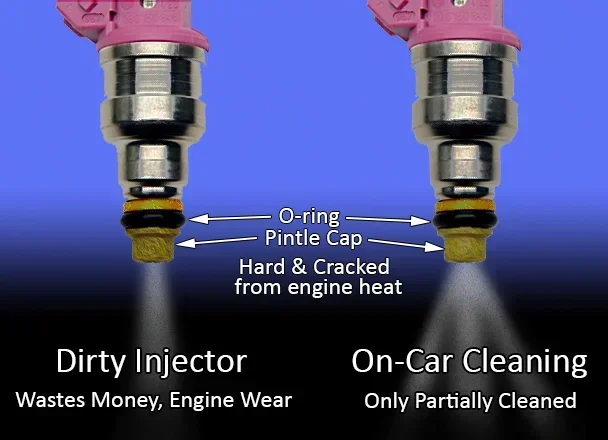
A fuel injector cleaner is a liquid additive designed to dissolve deposits inside your fuel injectors, fuel lines, and combustion chamber. Over time, gasoline leaves behind sticky residues that build up on injector nozzles and intake valves. This buildup restricts fuel flow and messes with the spray pattern your engine needs to run efficiently.
Your fuel injection system is responsible for delivering the exact amount of fuel at the right pressure and spray angle. When deposits clog the tiny openings, the fuel spray becomes uneven. This leads to poor combustion, reduced power, and wasted gasoline. A good cleaner breaks down those deposits and restores proper function.
Not all cleaners are the same. Some use polyether amine (PEA) as the active ingredient, which is one of the most effective solvents for dissolving hard carbon deposits. Others use polyisobutylene (PIB) or a blend of both. The type of cleaner you choose directly affects how fast it works and how thorough the cleaning is.
How Dirty Fuel Injectors Affect Your Engine
Clogged injectors cause a range of problems that can worsen over time. Here are the most common symptoms of dirty injectors:
- Rough idle: The engine shakes or vibrates when stopped at a light.
- Engine misfire: One or more cylinders fail to fire properly, causing a jerky feeling.
- Poor fuel economy: You notice you are filling up more often than usual.
- Engine hesitation: The car hesitates or stumbles when you press the accelerator.
- Difficulty starting: The engine takes longer to turn over, especially in cold weather.
- Check engine light: In severe cases, the onboard diagnostics system flags a problem.
If you notice any of these signs, a fuel system cleaning with a quality injector cleaner can often resolve the issue without expensive mechanic visits. The key is catching the problem early and treating it before the buildup becomes severe.
How Long Does Fuel Injector Cleaner Take to Start Working?
This is the big question, and the answer depends on several factors. In general, the active chemicals in a fuel injector cleaner begin mixing with your fuel almost immediately after you pour them in. But the actual cleaning process takes a bit longer to kick in.
The First 10 to 15 Minutes
As soon as you add the cleaner and start driving, the solution mixes with gasoline in the fuel tank. Within 10 to 15 minutes of driving, the cleaner reaches the fuel rail and injectors. At this point, the solvents start contacting the carbon deposits on injector nozzles and valve seats.
You will not feel anything dramatic happening during this phase. The cleaner is working at a microscopic level, dissolving tiny particles of gum and varnish. Think of it like dropping dish soap into greasy water. The chemistry starts immediately, but you need time for the full effect.
The 30 to 50 Mile Window
Most drivers start to notice improvements after driving 30 to 50 miles post-treatment. This is when the cleaner has had enough time to dissolve enough deposits to make a real difference. You might notice smoother idling, a more responsive throttle, or slightly better fuel economy.
The exact mileage varies depending on how bad the buildup is and how concentrated the cleaner is. A heavily clogged system might need more miles for the cleaner to fully work its way through. On the other hand, a lightly coated system may show results sooner.
Full Results After One Tank
For the best results, most manufacturers recommend running a full tank after adding the cleaner. This ensures the solution circulates completely through the entire fuel system. By the time you burn through the tank, the cleaner should have treated the fuel tank, fuel lines, fuel pump, fuel filter, and all four to eight injectors.
Some drivers report feeling a difference after just one treatment, especially if the buildup was mild. For heavier deposits, a second treatment after 500 miles may be necessary to fully restore injector performance.
Factors That Affect How Fast the Cleaner Works
Not every car responds to fuel injector cleaner at the same speed. Several factors determine the timeline and effectiveness of the cleaning process. Understanding these factors helps you set realistic expectations and get the best results.
Type of Cleaner Formula
The active ingredients in the cleaner make a huge difference. PEA-based cleaners tend to work faster on hard carbon deposits, while PIB-based formulas excel at dissolving fuel varnish and light gum. Premium cleaners that combine both ingredients offer the broadest cleaning power and often deliver faster visible results.
Budget cleaners from discount stores often use weaker concentrations of active solvents. They may take longer to show results or require multiple treatments. Investing in a well-known brand with proven chemistry saves time and gives better value in the long run.
Severity of Buildup
If your injectors have years of heavy buildup, the cleaner needs more time and product to dissolve all the deposits. Light surface residue clears quickly, but thick, hardened carbon deposits require more aggressive solvent action and more miles of driving to fully flush out.
Cars that sit for long periods or are regularly driven on low-quality fuel tend to develop heavier deposits. If you have not used a cleaner in a while, expect the first treatment to take longer to show full results.
Driving Conditions and Habits
How you drive affects the cleaning process. Highway driving at steady speeds allows the cleaner to circulate through the fuel system more evenly. Stop-and-go city driving creates more heat and carbon deposits, which can slow down the initial cleaning progress.
Short trips are especially tough on fuel systems because the engine never reaches full operating temperature. This allows moisture and fuel residue to accumulate faster. If your driving is mostly short errands, you may need to add cleaner more frequently.
Fuel Quality and Octane Level
The gasoline you use also plays a role. Lower-quality fuel often contains more impurities and leave behind more residue. Using a higher octane fuel with better detergent additives can complement the cleaning process and help maintain injector health between treatments.
Interestingly, most gasoline sold at major stations already contains a baseline level of fuel system cleaner. However, these amounts are often too low to dissolve existing heavy deposits. That is where a dedicated fuel injector cleaner comes in as a supplement.
What to Expect During the Cleaning Process
Understanding the stages of the cleaning process helps you know what is normal and what to watch for. Here is a step-by-step timeline of what happens after you add cleaner to your tank.
Step 1: Mixing and Distribution
Once you pour the cleaner in and start driving, it mixes with the remaining fuel in the tank. The solution travels through the fuel pump and into the fuel rail. This stage takes about 10 to 15 minutes of driving and is mostly invisible.
Step 2: Contact and Dissolution
As the cleaner reaches the injectors, the active solvents contact the carbon deposits. The chemicals begin breaking down the hardened residue on injector tips and valve backs. This stage takes the longest and can continue for the next 30 to 50 miles of driving.
Step 3: Flushing and Removal
The dissolved deposits break loose and get carried through the fuel system. They pass through the fuel filter and are eventually burned in the combustion chamber. This is why some drivers notice a slight change in exhaust smell or a small amount of smoke during the first few miles after treatment.
Step 4: Restoration and Results
Once the deposits are cleared, the fuel injectors spray fuel in their proper pattern again. You should notice smoother idling, better acceleration, improved fuel economy, and fewer engine misfires. These are the signs that the cleaner has done its job.
Can You Speed Up the Process?
There is no shortcut to make a cleaner work instantly. The chemistry needs time and fuel flow to dissolve and flush deposits. However, you can help the process along by driving at steady highway speeds after treatment. This promotes good fuel circulation and helps the cleaner reach all parts of the system more efficiently.
Avoid idling for long periods right after adding cleaner. The engine needs airflow and fuel movement to distribute the solution properly. A 20 to 30 minute drive on the highway is ideal for maximizing the cleaning effect.
How Often Should You Use Fuel Injector Cleaner?
Prevention is always better than cure when it comes to your fuel system. Regular use of a fuel injector cleaner keeps deposits from building up in the first place and saves you from more serious problems down the road.
Most experts recommend treating your fuel system every 3,000 to 5,000 miles. Some high-quality cleaners are formulated for every 5,000 to 10,000 miles. Check the product label for the recommended treatment interval and follow it closely.
If you regularly drive in stop-and-go traffic, take short trips, or use lower-quality fuel, consider treating your system more frequently. These conditions accelerate deposit formation and can clog injectors faster than normal.
Using cleaner at every oil change is a simple habit that pays off. It keeps your fuel delivery system clean, maintains engine performance, and can even extend the life of your fuel pump and fuel filter. A few dollars spent on cleaner now can prevent hundreds of dollars in fuel system repairs later.
Signs You Need a Cleaner Right Now
Do not wait for serious symptoms to appear. Watch for these early warning signs that your injectors need attention:
- A slight decrease in fuel economy that cannot be explained by driving changes.
- Mild roughness during idle that comes and goes.
- A faint hesitation when accelerating from a stop.
- Your check engine light occasionally flickers without a clear cause.
Catching these early signs and treating them with a cleaner can prevent the problem from escalating into a costly repair. If you have not treated your fuel system in over 10,000 miles, it is probably time to add a bottle of cleaner to your tank.
Common Mistakes to Avoid When Using Fuel Injector Cleaner
Even though using a fuel injector cleaner is straightforward, some mistakes can reduce its effectiveness or even cause problems. Here are the most common errors to avoid.
Using Too Much Product
More is not better when it comes to cleaner. Exceeding the recommended dosage can damage your fuel system components, including the fuel pump and catalytic converter. Always measure carefully and follow the instructions on the bottle.
Adding Cleaner to an Almost Empty Tank
Some people add cleaner to a nearly empty tank and then try to drive to the gas station. This concentrates the cleaner in the tank and can create an overly strong solution that may harm sensitive fuel system parts. Always add cleaner to a tank with at least a quarter of fuel remaining.
Expecting Instant Results
If you do not notice a difference after 20 miles, do not assume the product is fake or broken. The cleaning process takes time. Give it a full tank and at least 50 miles of driving before judging the results.
Skipping the Fuel Filter
Dissolved deposits get flushed through the fuel filter during the cleaning process. If your fuel filter is old and clogged, it may not handle the extra debris well. Consider replacing your fuel filter before or after a cleaning treatment for the best results.
Also, keep in mind that fuel system health connects to overall vehicle maintenance. For example, if you have ever wondered about how long gasoline can sit before going bad, that is another factor that affects injector cleanliness. Old fuel breaks down faster and leaves more residue behind. Storing fuel properly and using fresh gasoline helps your cleaner work more effectively.
Final Thoughts on Fuel Injector Cleaner Timing
So, how long does fuel injector cleaner take to work? The short answer is that you will start feeling the difference within 30 to 50 miles of driving, with full results after one complete tank. The cleaning chemistry begins working within minutes, but the physical dissolution and flushing of deposits takes some time and mileage.
Using a quality fuel injector cleaner regularly is one of the easiest and most affordable ways to keep your engine running at its best. It prevents buildup, improves fuel economy, reduces emissions, and extends the life of critical fuel system components.
Make it a habit to add cleaner every few thousand miles. Your engine will thank you with smoother starts, better acceleration, and fewer trips to the mechanic. A little maintenance goes a long way, and your fuel system is no exception.
Remember that fuel system care is just one piece of the overall vehicle maintenance puzzle. Just as you would check how far past empty your car can go or how to open the gas cap properly, understanding your fuel system helps you become a more informed and proactive car owner. Small habits add up to big savings over the life of your vehicle.
Frequently Asked Questions
Can I add fuel injector cleaner to a full tank?
Yes, you can add cleaner to a full tank, but it works best when added to a tank that is at least a quarter full. This ensures the cleaner mixes properly with the fuel and circulates evenly through the system. Adding it to a nearly empty tank concentrates the solution and may cause issues.
Will fuel injector cleaner fix a completely clogged injector?
Mild to moderate clogs usually respond well to cleaner treatment. However, if an injector is completely clogged or mechanically damaged, a cleaner may not be enough. In severe cases, professional cleaning or injector replacement might be necessary. Always try a cleaner first before opting for expensive repairs.
How long should I drive after adding fuel injector cleaner?
Drive at least 30 to 50 miles after adding the cleaner for best results. This gives the solution enough time to dissolve deposits and flush them from the system. A mix of highway and city driving during this period helps circulate the cleaner through all parts of the fuel system.
Can I use fuel injector cleaner in a diesel engine?
Yes, but only use a cleaner specifically formulated for diesel engines. Diesel fuel systems have different components and tolerances than gasoline systems. Using a gasoline cleaner in a diesel engine can cause damage. Always check the product label for compatibility.
Is it safe to use fuel injector cleaner every time I fill up?
No, do not use cleaner every time you fill up. Overuse can damage fuel system seals and sensors. Stick to the recommended treatment interval, usually every 3,000 to 5,000 miles. Using cleaner too frequently can strip protective coatings from injector components.
What is the difference between fuel injector cleaner and fuel system cleaner?
Fuel injector cleaner targets the injectors specifically, while fuel system cleaner is a broader formula that cleans the entire fuel delivery system, including the fuel tank, lines, and throttle body. Some products combine both functions. Choose based on the specific needs of your vehicle.
=== CONCLUSION ===
A fuel injector cleaner is a simple but powerful tool for keeping your engine running smoothly. Most products start working within 10 to 15 minutes and deliver noticeable results after 30 to 50 miles of driving. The key is choosing a quality product, using it at the right intervals, and driving enough miles after treatment for the cleaner to fully circulate.
Do not wait for serious symptoms like engine misfires or poor fuel economy to take action. Make fuel system maintenance a regular part of your car care routine. Your wallet and your engine will both thank you for the small effort.
Start with a trusted brand, follow the instructions carefully, and enjoy the benefits of a clean fuel system. Your car deserves the best care you can give it, and a bottle of cleaner is one of the easiest ways to deliver that.
=== INTERNAL LINKS ===
If you are curious about how long gasoline can sit in your car before going bad, check out our guide on how long gas can sit in a car before going bad. Understanding fuel shelf life helps you use the freshest gasoline and get the most out of your fuel injector cleaner.
Also, learning the proper way to access your fuel system helps with maintenance confidence. Visit our article on how to open the gas cap on a cylinder for helpful tips on safely accessing your fuel tank.
And if you ever wonder about fuel range, our piece on how far past empty a car can go gives you peace of mind when the gauge hits empty.