How Long Does a Car Wrap Last and What You Need to Know
A car wrap typically lasts between 5 and 7 years with proper care. The lifespan depends on wrap quality, material type, installation skill, and how well you maintain it. Full wraps tend to outlast partial wraps, and premium vinyl materials significantly extend durability.
If you have been thinking about wrapping your car, one of the first questions that probably comes to mind is, “How long does a car wrap last?” It is a smart question. After all, a wrap is an investment, and you want to know you are getting your money’s worth.
The short answer is that most car wraps last between 5 and 7 years. But that number can change quite a bit depending on several factors. The type of vinyl you choose, how well it is installed, the climate you live in, and how you care for it all play a role.
In this guide, we will walk you through everything you need to know about car wrap longevity. You will learn what affects how long a wrap lasts, which materials hold up best, and simple steps you can take to get the most miles out of your vinyl car wrap. Whether you are considering a full car wrap or just a partial design, this article has you covered.
Key Takeaways
- Average lifespan: A quality car wrap lasts 5 to 7 years with proper maintenance.
- Material matters: Cast vinyl lasts longer than calendered vinyl by 2 to 3 years.
- Installation is critical: Professional installation prevents bubbles, peeling, and premature wear.
- Maintenance extends life: Regular washing and avoiding harsh chemicals keeps wraps looking fresh.
- Climate affects durability: Extreme heat, UV exposure, and cold weather shorten wrap lifespan.
- Warranty gives peace of mind: Most premium wraps come with 5 to 7 year manufacturer warranties.
- Removal is easy: A well-maintained wrap comes off without damaging the original paint.
📑 Table of Contents
- What Is a Car Wrap and How Does It Work?
- How Long Does a Car Wrap Last on Average?
- What Factors Affect Car Wrap Longevity?
- How to Extend the Life of Your Car Wrap
- Common Mistakes That Shorten Wrap Lifespan
- Wrap Warranty: What You Should Know
- How Does a Car Wrap Compare to Paint?
- When Should You Replace Your Car Wrap?
- Is a Car Wrap Worth the Investment?
- Final Thoughts
What Is a Car Wrap and How Does It Work?
A car wrap is a large vinyl film that is applied directly over your vehicle’s exterior surface. It can change the color, add graphics, or protect the original paint underneath. Unlike a paint job, a removable car wrap does not permanently alter your car’s factory finish.
The vinyl adheres to the car using a special car wrap adhesive. This adhesive is strong enough to stay put through daily driving, yet gentle enough to remove without leaving residue. Modern wrap materials are engineered to be flexible, UV-resistant, and weatherproof.
Types of Car Wraps
Not all wraps are the same. There are a few main types that vary in coverage and purpose:
- Full car wrap: Covers the entire exterior of the vehicle. This offers the most protection and the boldest visual impact.
- Partial car wrap: Covers select panels like the hood, roof, or doors. It is a more budget-friendly option.
- Paint protection film (PPF): A clear wrap that protects the paint from chips and scratches without changing the color.
- Spot wrap: Covers only small areas like mirrors or accent pieces.
Each type has a different expected lifespan. A full car wrap generally lasts longer than a partial wrap because there are fewer edges and seams where moisture and dirt can sneak in.
How Long Does a Car Wrap Last on Average?
The car wrap lifespan depends heavily on the quality of the material and the level of care. Here is a general breakdown of what you can expect from different wrap categories.
Economy Wraps (2 to 3 Years)
Budget wraps use lower-grade calendered vinyl. These are thinner and less flexible. They work well for short-term campaigns or test designs. However, they tend to fade, crack, and peel faster than premium options.
Mid-Range Wraps (4 to 5 Years)
Mid-tier vinyl offers a good balance of durability and cost. These wraps hold their color reasonably well and resist minor scratches. Many local businesses use these for fleet vehicles and advertising wraps.
Premium Wraps (5 to 7+ Years)
High-end cast vinyl is the gold standard in the wrapping world. It is thicker, more conformable, and far more resistant to fading and cracking. With proper wrapped car maintenance, a premium wrap can look great for seven years or more.
| Wrap Type | Material Quality | Average Lifespan | Best For |
|---|---|---|---|
| Economy | Calendered vinyl | 2 to 3 years | Short-term promotions |
| Mid-Range | Standard cast vinyl | 4 to 5 years | Fleet branding |
| Premium | Premium cast vinyl | 5 to 7+ years | Long-term branding and personal use |
What Factors Affect Car Wrap Longevity?
Several factors determine how long your exterior car wrap will last. Understanding these can help you make smarter decisions before and after installation.
Vinyl Quality and Material
The single biggest factor in wrap durability is the vinyl itself. Cast vinyl is made by pouring liquid vinyl onto a casting sheet. This process creates a thin, highly conformable material that resists shrinkage and fading. Calendered vinyl, on the other hand, is heated and rolled into sheets. It is stiffer and less durable.
If you want your wrap to last as long as possible, always choose cast vinyl from reputable brands like 3M, Avery Dennison, or Oracal.
Installation Quality
Even the best vinyl will fail if it is not installed correctly. A professional car wrap installer knows how to handle curves, edges, and seams without trapping air or moisture. Poor installation leads to bubbling, lifting, and premature wear.
Always choose an experienced installer. Ask to see their portfolio. Check reviews. A good installation can add years to your wrap’s life.
Climate and Environmental Exposure
Where you live and drive matters a lot. Cars parked in harsh conditions face more stress on the wrap material.
- UV exposure: Sunlight breaks down vinyl over time, causing fading and brittleness.
- Extreme heat: High temperatures can soften the adhesive and cause the wrap to shift.
- Cold weather: Extreme cold makes vinyl rigid and more prone to cracking.
- Salt and moisture: Coastal areas and winter roads expose wraps to corrosive elements.
If you live in a harsh climate, consider parking in a garage or covered area whenever possible. This simple step can add years to your wrap.
How Well You Maintain the Wrap
Maintenance plays a huge role in car wrap longevity. A wrap that is cared for properly will always outlast one that is neglected. Let us look at what good maintenance looks like.
How to Extend the Life of Your Car Wrap
Taking care of your vinyl wrap does not require a lot of effort. A few simple habits can make a big difference in how long it stays looking sharp.
Wash Your Wrap Regularly
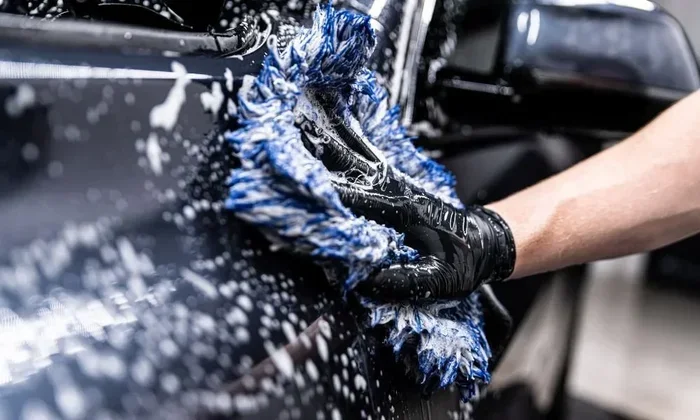
Dirt, bird droppings, tree sap, and road grime can eat away at the vinyl surface over time. Wash your wrapped car at least once every two weeks. Use a mild car wash soap and a soft microfiber cloth or sponge.
Avoid high-pressure washers directed at the edges of the wrap. The force can push water under the vinyl and loosen the adhesive.
Use the Right Cleaning Products
Not all cleaning products are safe for vinyl wraps. Stay away from:
- Abrasive cleaners
- Bleach-based solutions
- Petroleum-based degreasers
- Waxes containing harsh solvents
Instead, use pH-neutral car wash soaps and dedicated vinyl cleaners. These products clean effectively without degrading the wrap material or the adhesive bond.
Avoid Automatic Car Washes
Brush-based automatic car washes can scratch and peel the edges of your wrap. If you must use one, choose a touchless wash cycle only. Hand washing is always the safest option for a wrapped vehicle.
Park Smart
Where you park can affect your wrap’s lifespan. Park in the shade when possible. Avoid parking under trees where sap and bird droppings can damage the surface. If you live near the coast, rinse your car more often to remove salt residue.
Address Damage Quickly
If you notice a small bubble, a lift, or a scratch, deal with it right away. Small issues can turn into big problems if water gets underneath the vinyl. A quick trip to your installer can save you from a costly early wrap replacement.
Common Mistakes That Shorten Wrap Lifespan
Many car owners unknowingly shorten the life of their wrap by making avoidable mistakes. Here are the most common ones to watch out for.
Skipping the Curing Period
After installation, your wrap needs time to cure. This is when the adhesive fully bonds to the paint surface. Most installers recommend avoiding car washes and keeping the car dry for at least 48 to 72 hours. Skipping this step can lead to edge lifting and premature failure.
Using Harsh Chemicals
As mentioned above, the wrong cleaning products can break down the vinyl and the adhesive. Always check product labels before applying anything to your wrapped car.
Ignoring Small Issues
A tiny bubble might seem harmless, but trapped moisture can cause mold, adhesive failure, and vinyl delamination over time. Do not ignore small problems.
Choosing the Cheapest Option
It is tempting to go with the lowest price, but cheap wraps and inexperienced installers often lead to disappointing results. A poorly applied budget wrap may not even last two years, which defeats the purpose of trying to save money.
Wrap Warranty: What You Should Know
Most reputable vinyl wrap manufacturers offer warranties that range from 5 to 7 years. These warranties typically cover issues like fading, cracking, peeling, and adhesive failure under normal conditions.
However, warranties usually do not cover damage caused by poor maintenance, improper installation, or extreme neglect. Always read the warranty terms carefully before purchasing a wrap.
Working with a certified installer can also help ensure your warranty remains valid. Many top vinyl brands require professional installation for warranty coverage.
How Does a Car Wrap Compare to Paint?
Many people wonder whether a wrap or a paint job is the better long-term option. Here is a quick comparison to help you decide.
- Cost: A quality car wrap is often less expensive than a full paint job, especially for custom colors or designs.
- Reversibility: A wrap can be removed, revealing the original paint underneath. Paint is permanent.
- Lifespan: A good wrap lasts 5 to 7 years. A quality paint job can last 10 to 15 years or more.
- Protection: Both wrap and paint protect the factory finish, but a wrap adds an extra layer of defense against scratches and UV damage.
- Customization: Wraps offer nearly unlimited design options. Paint is more limited in scope and cost for custom work.
If you plan to keep your car for a long time and want a permanent change, paint might be the better choice. If you like flexibility and want to protect your original paint, a vinyl wrap is an excellent option.
When Should You Replace Your Car Wrap?
Even with the best care, every wrap eventually needs to be replaced. Here are signs that it is time for a new one:
- Significant fading: The color has dulled noticeably and no amount of cleaning restores it.
- Cracking or peeling: The vinyl is cracking at the edges or peeling away from the surface.
- Adhesive failure: The wrap is lifting or bubbling in multiple areas.
- Visible wear: The surface looks scratched, hazy, or worn through in spots.
- Water intrusion: You notice moisture getting under the wrap, especially around edges and seams.
If you notice any of these signs, it is time to consult your installer about a replacement. Removing an old wrap and installing a new one is a straightforward process when done by a professional.
Is a Car Wrap Worth the Investment?
The answer depends on your goals. If you want to change your car’s look without committing to permanent paint, a wrap is absolutely worth it. If you run a business and need mobile advertising, a wrap pays for itself many times over by generating brand visibility.
A well-maintained wrap also protects your car’s original paint, which helps preserve its resale value. So even after the wrap is removed, your car looks as good as new underneath.
On average, a quality car wrap costs between $2,000 and $5,000 for a full vehicle. Spread that over 5 to 7 years, and the annual cost is quite reasonable, especially when you factor in the paint protection benefits.
Final Thoughts
How long does a car wrap last? With the right material, professional installation, and consistent care, your car wrap can easily last 5 to 7 years. The key is to invest in quality vinyl, choose a skilled installer, and maintain the wrap properly over time.
Do not let small mistakes like skipping the curing period or using harsh cleaners undo all your hard work. Treat your wrap with care, and it will reward you with years of great looks and reliable paint protection.
Whether you are wrapping a personal vehicle for a fresh new look or branding a fleet for your business, understanding wrap longevity helps you make confident decisions. Start with a quality product, find a trusted professional, and enjoy the results for years to come.
Frequently Asked Questions
Can a car wrap last 10 years?
Most car wraps last between 5 and 7 years. However, a premium cast vinyl wrap with excellent installation and meticulous maintenance can sometimes stretch to 10 years. This is rare and depends heavily on climate, driving conditions, and how well the wrap is cared for.
Does a car wrap damage the original paint?
No, a properly installed and removed car wrap does not damage the original paint. The adhesive is designed to be non-destructive. In fact, a wrap actually protects the paint underneath from UV rays, minor scratches, and environmental damage.
How often should I wash my wrapped car?
You should wash your wrapped car at least once every two weeks. If you drive in harsh conditions like coastal areas or winter roads, wash it more frequently. Always use mild, pH-neutral soap and avoid high-pressure water at the edges.
Can I wax a wrapped car?
It depends on the type of wrap. Most modern vinyl wraps do not need waxing, and some wax products can leave a residue or dull the finish. Check with your installer before applying any wax or sealant to a wrapped vehicle.
What is the difference between cast and calendered vinyl?
Cast vinyl is made by pouring liquid vinyl onto a sheet, creating a thin, flexible, and highly durable material. Calendered vinyl is heated and rolled into sheets, making it thicker and stiffer. Cast vinyl lasts longer and conforms better to complex curves, making it the preferred choice for car wraps.
How much does it cost to wrap a car?
The cost of a full car wrap typically ranges from $2,000 to $5,000 depending on the vinyl quality, design complexity, and vehicle size. Partial wraps and spot wraps cost less. While the upfront cost may seem high, a wrap is often more affordable than a professional paint job and offers the added benefit of paint protection.
=== CONCLUSION ===
A car wrap is one of the best ways to transform your vehicle’s appearance while protecting the original paint underneath. Most wraps last between 5 and 7 years, but that number can extend with premium materials, professional installation, and proper wrapped car maintenance.
Choose cast vinyl over calendered, invest in a skilled installer, and follow simple care routines like regular washing and smart parking. Avoid common pitfalls like harsh chemicals and skipping the curing period. With the right approach, your vinyl car wrap will look stunning and hold up well for years.
Now that you know what it takes to maximize car wrap longevity, you are ready to make an informed decision. Whether you go with a full car wrap or a partial car wrap, the effort you put into care and maintenance will pay off in a lasting, head-turning finish.