How Do I Turn Off Emergency Braking On Your Vehicle
Knowing how do I turn off emergency braking is essential for every driver. Emergency braking systems, also called automatic emergency braking or AEB, can activate unexpectedly and leave you stuck. This guide walks you through disabling the emergency braking feature on different vehicle types, troubleshooting common problems, and understanding when to keep it on for safety.
Have you ever been driving along, minding your own business, and suddenly your car slams on the brakes for no apparent reason? It is a scary moment. Your heart races. You grip the steering wheel. And you wonder, how do I turn off emergency braking once and for all?
This happens to more drivers than you might think. Modern vehicles come packed with advanced safety technology. Automatic emergency braking, or AEB, is one of the most important features on today’s roads. But when it activates at the wrong time, it can feel like your car has a mind of its own. The good news is that you usually have options to manage or disable the system. Let us walk through everything you need to know.
Key Takeaways
- Emergency braking systems vary by vehicle: Each car brand has a different method to disable or reset the system.
- Check your owner manual first: The fastest way to find the correct steps is always through your vehicle’s documentation.
- Common triggers include sensor faults and low brake fluid: Understanding why the system activates helps you fix the root cause.
- You can often reset the system with a simple restart: A quick engine reboot clears many temporary fault codes.
- Keep safety features enabled when possible: Automatic emergency braking saves lives and should only be disabled when necessary.
- Professional help is available for persistent issues: If basic steps don’t work, a certified mechanic can diagnose deeper problems.
📑 Table of Contents
- Understanding Emergency Braking Systems
- How to Turn Off Emergency Braking by Vehicle Type
- Common Reasons Emergency Braking Activates
- Step-by-Step Guide to Disabling Emergency Braking
- When to Keep Emergency Braking Enabled
- Troubleshooting Common Emergency Braking Issues
- Preventing Future Emergency Braking Problems
- Key Takeaways
- Conclusion
Understanding Emergency Braking Systems
Before you learn how to turn off emergency braking, it helps to understand what the system actually does. Emergency braking systems are designed to detect potential collisions and apply the brakes automatically. They use sensors, cameras, and radar to monitor the road ahead.
Most people know this system by a few different names. Some call it automatic emergency braking. Others refer to it as AEB, brake assist, or collision avoidance. Regardless of the name, the purpose is the same: to prevent accidents or reduce their severity.
How Emergency Braking Works
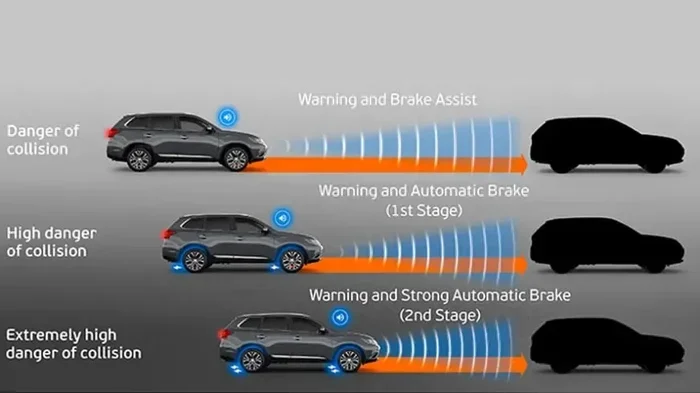
The system constantly scans the environment in front of your vehicle. When it detects an object in your path, it first alerts you. If you do not respond quickly enough, the system applies the brakes on its own. This all happens in fractions of a second.
Here are the key components involved:
- Forward-facing cameras: These detect objects, pedestrians, and lane markings ahead.
- Radar sensors: These measure the distance and speed of nearby vehicles.
- Brake control module: This is the computer that decides when to apply the brakes.
- Warning indicators: Lights and sounds alert you before the system takes action.
Understanding these parts makes it easier to troubleshoot when something goes wrong. If a sensor gets dirty or blocked, the system might trigger false alerts. That is one of the most common reasons drivers ask, how do I turn off emergency braking on their vehicle.
Why Emergency Braking Activates Unnecessarily
Not every emergency braking event means a real collision is coming. Sometimes the system reacts to things that are not actually dangerous. Here are some common reasons the system might activate unexpectedly:
- Dirty or blocked sensors: Dirt, snow, or debris on the front sensors can confuse the system.
- Low brake fluid levels: This triggers a warning that can mimic emergency braking activation.
- Faulty brake pads or rotors: Worn components send incorrect signals to the control module.
- Electrical glitches: Software bugs or loose wiring can cause false positives.
- Sharp drops in traction: Ice or rain can trick the system into thinking a collision is imminent.
When you know what triggers the system, you are better equipped to address the root cause. In many cases, a simple cleaning or fluid top-off solves the problem entirely.
How to Turn Off Emergency Braking by Vehicle Type
Every car manufacturer handles the emergency braking system a little differently. There is no one-size-fits-all answer to how do I turn off emergency braking. The steps vary depending on your vehicle’s make and model. Below, we cover the most common brands and their methods.
Toyota and Lexus
Toyota vehicles come with a feature called Toyota Safety Sense. This suite includes automatic emergency braking. To turn it off in many Toyota models:
- Press and hold the ECV button (Electronic Brake Control) near the steering wheel.
- Hold it for about three seconds until the indicator light changes.
- The system will disable temporarily until you restart the engine.
Some newer Toyota models let you adjust the sensitivity of the system through the infotainment screen. Look for the Driver Assistance settings menu. From there, you can reduce or turn off specific alerts.
Honda and Acura
Honda vehicles use a system called Honda Sensing. The process to disable automatic emergency braking is similar across most models:
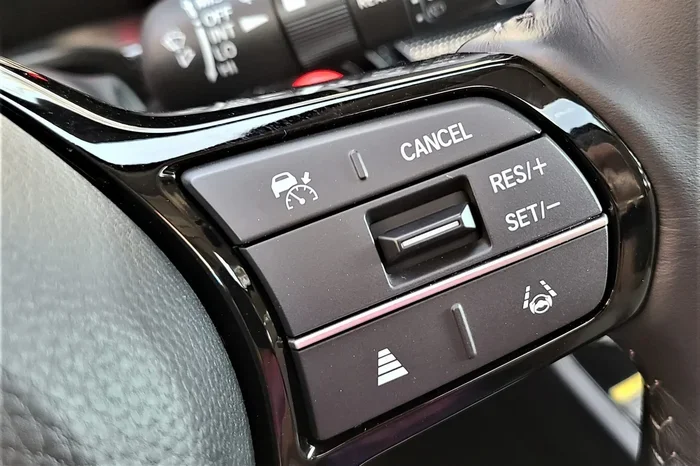
- Locate the Honda Sensing button on the steering wheel or center console.
- Press it once to turn off the entire safety suite, including emergency braking.
- A indicator light on the dashboard will confirm the system is off.
Keep in mind that Honda vehicles often re-enable the system when you restart the engine. To make the change permanent, you may need to access the settings through the digital display.
Ford and Lincoln
Ford uses a system called Ford Co-Pilot360. To adjust or disable emergency braking:
- Go to the Settings menu on the touchscreen display.
- Navigate to Driver Assistance or Collision Warning.
- Toggle the Emergency Brake Assist option off.
Some Ford models also have a physical button near the steering column. Check your owner’s manual for the exact location. The button placement varies by model year and trim level.
Chevrolet and GMC
General Motors vehicles use Chevrolet Safety Assist or GMC Pro Grade safety packages. To turn off the emergency braking feature:
- Press the Vehicle Settings button on the dashboard.
- Select Safety from the menu.
- Find the Forward Collision Alert and Automatic Emergency Braking options.
- Toggle them off as needed.
Chevrolet trucks and SUVs sometimes have additional controls on the center console. If you cannot find the settings, the infotainment system is your best bet.
BMW and Mercedes-Benz
Premium brands like BMW and Mercedes-Benz offer more granular control over safety features:
- BMW: Go to iDrive Settings > Driver Assistance > Emergency Brake Assistant. Adjust or disable from there.
- Mercedes-Benz: Access Settings > Vehicle > Braking. Look for the Active Brake Assist toggle.
Both brands allow you to adjust the sensitivity level rather than simply turning the feature on or off. This is helpful if the system triggers too often but you still want some protection.
Electric and Hybrid Vehicles
Electric and hybrid vehicles add another layer of complexity. Many EVs use regenerative braking in addition to traditional friction brakes. This can sometimes feel like emergency braking is activating more frequently.
For Tesla vehicles, you can adjust Autopilot settings through the touchscreen. Navigate to Controls > Autopilot and modify the emergency braking sensitivity. Other EV brands like Nissan and Chevrolet have similar options in their driver assistance menus.
Common Reasons Emergency Braking Activates
If you find yourself asking how do I turn off emergency braking frequently, it is worth investigating why the system keeps triggering. Here are the most common culprits:
Sensor Obstruction
The front sensors on your vehicle need a clear view of the road. When they are blocked by dirt, ice, or even a dirty license plate cover, the system cannot “see” properly. It assumes something is in your path and applies the brakes.
Quick Tip: Clean the front grille and sensor areas regularly, especially in winter or after driving through mud. A soft cloth and mild soap work great for this.
Low Brake Fluid
Brake fluid is the lifeblood of your vehicle’s braking system. When levels drop too low, the brake warning light comes on. In some vehicles, this also triggers the emergency braking system as a precaution.
Check your brake fluid reservoir under the hood. If it is low, top it off with the recommended fluid type listed in your owner’s manual. If the fluid keeps dropping, you may have a leak that needs professional attention.
Worn Brake Components
Brake pads and rotors wear down over time. When they get too thin, the sensors may detect irregular braking patterns and trigger the emergency system. This is actually a safety feature designed to alert you to maintenance needs.
Have your brakes inspected every 12,000 to 15,000 miles. Replacing worn pads early prevents more costly repairs down the road.
Software Glitches
Modern vehicles run on complex software. Sometimes a simple glitch causes the emergency braking system to malfunction. This is more common in older model years or after software updates that did not install correctly.
A brake pedal reset or a full system reboot often fixes this. We will cover the reset process in the next section.
Step-by-Step Guide to Disabling Emergency Braking
Now that you understand why the system activates, let us walk through the actual process of turning it off. Follow these steps carefully and always prioritize safety.
Step 1: Put the Vehicle in Park
Before you do anything with the braking system, make sure your vehicle is completely stopped. Shift into park if you drive an automatic, or put the vehicle in neutral with the parking brake engaged if you drive a manual.
This prevents any accidental movement while you are adjusting settings. Safety always comes first.
Step 2: Locate the Emergency Braking Controls
Different vehicles have different control locations. Here is where to look:
- Steering wheel controls: Many cars have buttons on the left side of the steering wheel.
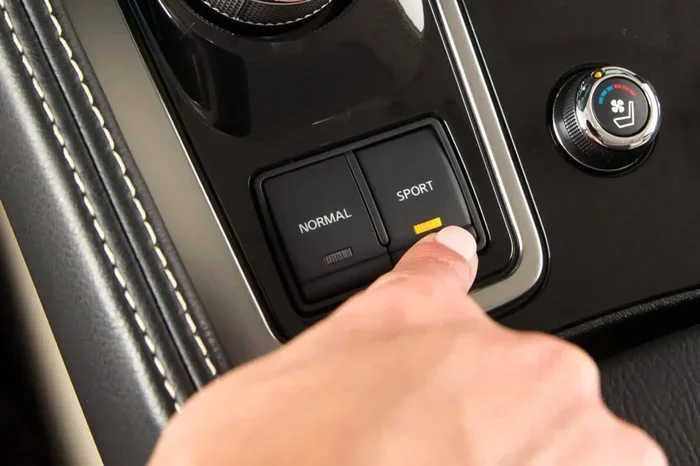
- Center console: Some vehicles place the controls between the front seats.
- Infotainment screen: Most modern cars let you manage safety features through the touchscreen display.
- Dashboard buttons: A few models have a physical button near the driver’s knee area.
If you cannot find the controls, consult your owner’s manual. It will have a dedicated section on the emergency braking system and how to manage it.
Step 3: Disable the System
Once you find the controls, follow the specific steps for your vehicle brand. In most cases, you will need to:
- Press and hold the button for three to five seconds.
- Watch for an indicator light on the dashboard to confirm the change.
- If using the infotainment screen, toggle the switch to the off position.
Important: Disabling emergency braking removes a key safety feature. Only do this when absolutely necessary, such as when the system is malfunctioning or during certain driving conditions where it causes more harm than good.
Step 4: Reset the System
After disabling the system, you should perform a reset to clear any fault codes. Here is how:
- Turn the engine off completely.
- Wait at least 30 seconds.
- Restart the engine and check if the brake warning light is off.
- If the light remains on, the system may need professional diagnostics.
A simple reset solves the problem in most cases. If it does not, move on to the troubleshooting steps below.
Step 5: Test the System
After disabling or resetting, take your vehicle for a short test drive in a safe area. Pay attention to whether the emergency braking activates again. If it does, the underlying issue may need further investigation.
Quick Tip: Keep your speed low during initial testing. Stay in empty parking lots or quiet residential streets until you are confident the system is working as expected.
When to Keep Emergency Braking Enabled
While knowing how to turn off emergency braking is useful, there are times when you should absolutely leave the system on. Automatic emergency braking is one of the most effective safety features in modern vehicles. Studies show it significantly reduces rear-end collisions and injury severity.
Situations Where You Should Keep AEB On
- Daily commuting: Stop-and-go traffic is exactly where emergency braking shines. It prevents fender-benders that happen in the blink of an eye.
- Driving in poor weather: Rain, snow, and fog reduce visibility. The system compensates for human reaction time delays.
- Highway driving: Higher speeds mean longer stopping distances. AEB gives you a crucial extra margin of safety.
- Driving in unfamiliar areas: When you are not comfortable with the roads, the extra safety net is invaluable.
- With passengers: The safety of your passengers is always a top priority.
The National Highway Traffic Safety Administration (NHTSA) strongly recommends keeping automatic emergency braking enabled at all times. The system has been proven to save lives and prevent serious injuries.
Expert Insight on Balancing Safety and Convenience
Automotive safety experts agree that disabling emergency braking should be a temporary measure, not a permanent one. If the system is causing problems, the real issue is likely a faulty sensor, low fluid, or a software bug. Fix the root cause rather than leaving the safety feature turned off indefinitely.
Many drivers who initially complain about unwanted emergency braking find that a simple sensor cleaning or software update resolves the issue entirely. Before you disable the system, try these basic fixes first.
Troubleshooting Common Emergency Braking Issues
Sometimes turning off emergency braking is only part of the solution. You also need to fix what is causing the problem in the first place. Here are the most common issues and how to address them.
Brake Warning Light Stays On
If the brake warning light on your dashboard stays illuminated after you have addressed the issue, the system may need a manual reset. Try the following:
- Turn the ignition off and on three times in quick succession.
- This cycle often clears temporary fault codes.
- If the light persists, use an OBD-II scanner to read the specific error code.
An OBD-II scanner is an inexpensive tool that plugs into your vehicle’s diagnostic port. It reads error codes from the car’s computer and helps you pinpoint the exact problem. You can find affordable scanners at most auto parts stores or online.
Emergency Braking Activates on Bumpy Roads
Some vehicles are overly sensitive to road vibrations. Potholes, speed bumps, and gravel roads can trigger the emergency braking system. This is a known issue in certain models.
Check with your dealer about available software updates. Manufacturers often release patches that improve sensor calibration and reduce false positives on rough roads.
System Won’t Turn Off
If you have followed all the steps and the emergency braking system will not turn off, there may be a deeper issue at play. Here are some possibilities:
- Faulty control module: The brake control computer may need replacement.
- Wiring problems: Corroded or damaged wires prevent proper communication between sensors and the control module.
- Failed sensor: A broken sensor sends incorrect data, causing the system to malfunction.
In these cases, it is best to visit a certified mechanic or your vehicle’s dealership. They have the specialized tools and training to diagnose and repair complex braking system issues safely.
Emergency Braking After a Software Update
Some vehicle owners report that emergency braking problems started after a software update. This can happen if the update introduced a bug or changed the system’s sensitivity settings.
Check online forums and the manufacturer’s website for known issues with your specific model and software version. In many cases, a follow-up patch addresses the problem quickly.
Preventing Future Emergency Braking Problems
The best way to avoid dealing with emergency braking issues is prevention. A little regular maintenance goes a long way in keeping your vehicle’s safety systems working properly.
Maintenance Tips
- Clean sensors monthly: Use a soft cloth to wipe down the front sensors and cameras.
- Check brake fluid every 3 months: Top off as needed and watch for leaks.
- Inspect brake pads annually: Replace them when they reach the minimum thickness specified by the manufacturer.
- Keep software up to date: Visit your dealer for periodic software updates that improve system performance.
- Address warning lights immediately: Do not ignore dashboard lights, even if the vehicle seems to drive fine.
Following these simple steps keeps your emergency braking system in top shape and reduces the chances of unexpected activations.
Key Takeaways
- Emergency braking systems are designed to save lives: Only disable them when necessary and for short periods.
- The process varies by vehicle brand: Toyota, Honda, Ford, and other manufacturers each have their own methods for managing the system.
- False activations often have simple causes: Dirty sensors, low brake fluid, or worn brake pads are the most common culprits.
- A system reset often fixes temporary glitches: Turn the engine off, wait 30 seconds, and restart.
- Professional diagnostics are available for persistent issues: An OBD-II scanner or a visit to a mechanic can uncover deeper problems.
- Regular maintenance prevents most issues: Clean sensors, check fluid levels, and stay current with software updates.
- Always prioritize safety: Re-enable emergency braking as soon as the underlying issue is resolved.
Conclusion
Knowing how do I turn off emergency braking gives you confidence when the system acts up unexpectedly. Whether you drive a Toyota, Honda, Ford, or any other modern vehicle, the steps are usually straightforward. Start by checking your sensors, brake fluid, and owner’s manual. A simple reset or cleaning often solves the problem without you ever needing to disable the system entirely.
Remember that emergency braking is one of the most important safety features in your vehicle. It has prevented countless accidents and saved many lives. Use the disable function wisely and only when necessary. Keep the system enabled for your daily driving, and address any underlying issues promptly.
Stay proactive with your vehicle’s maintenance. Clean your sensors, check your fluids, and keep your software updated. These small habits make a big difference. And if you ever feel unsure about a braking issue, do not hesitate to consult a professional. Your safety and the safety of everyone on the road is always worth it.
Now that you know exactly what to do when emergency braking activates at the wrong time, you can handle the situation calmly and effectively. Drive safe, stay alert, and let your vehicle’s safety features work for you.
Frequently Asked Questions
Can I permanently disable automatic emergency braking?
In most vehicles, you can turn off automatic emergency braking temporarily through the infotainment system or a physical button. However, most systems re-enable themselves when you restart the engine. Some manufacturers do not allow permanent disabling for safety reasons. Check your owner’s manual for specific guidance on your vehicle model.
Why does my car brake automatically for no reason?
Automatic braking usually triggers because the sensors detect an obstacle, even if there is no real danger. Common causes include dirty sensors, low brake fluid, worn brake pads, or software glitches. Cleaning the front sensors and checking your brake fluid often resolves the issue quickly.
Is it safe to drive with emergency braking disabled?
It is safe for short periods when the system is malfunctioning or causing false activations. However, you should re-enable it as soon as possible. Automatic emergency braking is a proven life-saving feature that significantly reduces collision risk, especially in stop-and-go traffic and poor weather conditions.
How much does it cost to fix a faulty emergency braking system?
The cost varies widely depending on the issue. A simple sensor cleaning costs nothing. Replacing a faulty sensor typically ranges from $100 to $400. More complex repairs involving the brake control module can cost $500 to $1,500 or more. Always get a professional diagnosis before committing to repairs.
Do all new cars have automatic emergency braking?
Most new cars sold in the United States now come standard with automatic emergency braking. The National Highway Traffic Safety Administration has been pushing for this as a mandatory feature across all vehicle classes. Check with your dealer or look up your specific model to confirm whether your vehicle has AEB.
What should I do if the brake warning light stays on after a reset?
If the brake warning light remains illuminated after a reset, use an OBD-II scanner to read the error codes. These codes tell you exactly what part of the braking system needs attention. If you do not have a scanner, visit a mechanic or dealership for a professional diagnostic check.