Does Toyota Still Make the Celica or Did They Stop Making It
The Toyota Celica is no longer in production. Toyota stopped making the Celica after the seventh generation, with the final model rolling off the line in 2006. The Toyota Celica was a beloved sports coupe that spanned seven generations and captured the hearts of enthusiasts worldwide.
Toyota has a long and storied history of building cars that people love. From reliable sedans to rugged trucks, the Japanese automaker has done it all. But one model that captured the hearts of driving enthusiasts for decades is the Toyota Celica. If you have ever wondered whether Toyota still makes this iconic sports coupe, the short answer is no. Toyota stopped producing the Celica many years ago, and the reasons behind that decision are fascinating.
The Toyota Celica first appeared in the early 1970s and quickly became one of the most recognizable sports coupes on the road. For over three decades, Toyota built multiple generations of this car, each one improving on the last. Whether you are a longtime fan or just discovering this classic model, understanding the full story of the Toyota Celica gives you a deeper appreciation for what Toyota accomplished with this vehicle.
Key Takeaways
- Toyota discontinued the Celica in 2006: The last generation ended production after 2006, marking the end of an era for this iconic sports coupe.
- The Celica had seven generations: Each generation evolved with new technology, design updates, and performance improvements over nearly 35 years.
- Sales decline and rising costs led to the end: Shifting consumer preferences and expensive development pushed Toyota to discontinue the model.
- The Supra shares a connection with the Celica: Early Supra models were actually based on the Celica platform, linking two iconic Toyota sports cars.
- Used Celicas remain popular among enthusiasts: Classic and modern Celicas hold their value and attract a passionate collector community.
- Toyota shifted focus to other models: The brand redirected resources toward SUVs, trucks, and hybrid vehicles instead of sports coupes.
📑 Table of Contents
- The History of the Toyota Celica
- Why Did Toyota Stop Making the Celica?
- The Toyota Celica and the Supra Connection
- How the Toyota Celica Compares to Other Sports Cars
- The Toyota Celica Today: A Collector’s Dream
- Common Mistakes People Make When Buying a Used Toyota Celica
- Quick Tips for Toyota Celica Owners
- What Replaced the Toyota Celica?
- Final Thoughts on the Toyota Celica
The History of the Toyota Celica
The Toyota Celica made its debut in 1970. Toyota designed it as a compact sports coupe that offered fun driving dynamics without breaking the bank. The name “Celica” comes from the Latin word meaning “heavenly” or “celestial,” which perfectly captured the car’s appeal. Over the years, the Toyota Celica went through several major redesigns, each reflecting the trends and technology of its era.
First and Second Generations (1970-1981)
The first-generation Toyota Celica was a simple, lightweight coupe. It came with a range of engines, from economical four-cylinders to more powerful options. Toyota built the car to be affordable and easy to maintain, which helped it gain a loyal following. The second generation arrived in 1977 with a sleeker design and improved performance. During this period, Toyota also introduced the Celica Supra, a model that shared its platform with the Celica but offered more power and luxury features.
Third and Fourth Generations (1981-1993)
The third generation brought a completely new look. Toyota gave the Toyota Celica a more aerodynamic shape and added retractable headlights. This generation also saw the introduction of the famous Toyota Supra as a separate model. The fourth generation, which arrived in 1985, took things even further with a sharp, angular design. Toyota offered the Celica GT and Celica ST trims, giving buyers options for different budgets and driving styles. The fourth-generation Toyota Celica also gained a reputation for being a reliable and fun daily driver.
Fifth and Sixth Generations (1993-2000)
The fifth generation arrived in 1993 with a more rounded, modern aesthetic. Toyota made the Toyota Celica lighter and more agile. The sixth generation, introduced in 1999, took a bold step with its distinctive “face” design. The pop-up headlights and sharp lines made the sixth-gen Celica stand out on the road. This generation also featured Toyota’s famous 3S-GE engine, which enthusiasts still praise today. Many fans consider the sixth-generation Toyota Celica the most stylish version ever made.
Seventh Generation and the End (2000-2006)
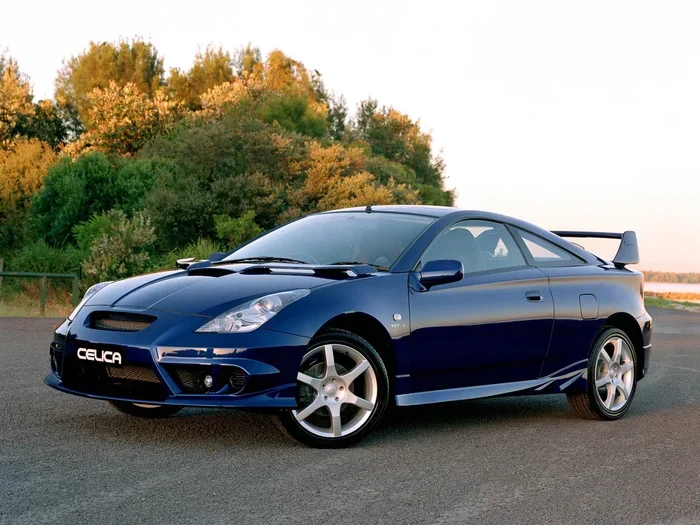
The seventh and final generation of the Toyota Celica arrived in 2000. Toyota gave it a sporty, aggressive look that appealed to younger buyers. The car came with a 1.8-liter engine that produced around 140 horsepower. While the Toyota Celica was no longer the performance powerhouse of earlier years, it remained a fun and reliable coupe. Toyota produced the seventh generation until 2006, when the company officially ended Celica production. The last models rolled off the assembly line, and the Toyota Celica became a thing of the past.
Why Did Toyota Stop Making the Celica?
Toyota did not discontinue the Toyota Celica overnight. The decision came after years of declining sales and changing market conditions. Several key factors contributed to the end of this beloved sports coupe.
Shifting Consumer Preferences
By the early 2000s, consumer tastes had shifted dramatically. Buyers in the United States and around the world started preferring SUVs and trucks over sports coupes. The Toyota Celica faced stiff competition from other sporty cars that offered more power and flash. Younger buyers, who once gravitated toward the Toyota Celica, began choosing crossover SUVs and sedans instead. Toyota noticed this trend and adjusted its product lineup accordingly.
Rising Development Costs
Building a modern sports car requires significant investment. Toyota needed to spend millions of dollars to update the Celica platform, meet new safety regulations, and develop more efficient engines. The company weighed the cost against the projected sales and decided that the numbers did not make sense. Rising development costs played a major role in the decision to end Celica production.
Focus on More Profitable Models
Toyota makes a lot of money from its SUV and truck lineup. Models like the Toyota RAV4, Highlander, and Tundra generate huge profits for the company. When Toyota had to choose between investing in a niche sports coupe and focusing on its core profitable models, the decision was clear. The company redirected resources toward vehicles that sold in larger numbers and offered better profit margins.
Competition from Other Brands
The sports car market became increasingly crowded in the 2000s. Brands like Honda, Mazda, and Nissan offered compelling alternatives to the Toyota Celica. The Honda S2000, Mazda MX-5 Miata, and Nissan 350Z all attracted buyers who might have otherwise considered a Toyota Celica. Toyota realized it could not compete effectively in this crowded space without a significant investment, which brought us back to the cost issue.
The Toyota Celica and the Supra Connection
One interesting aspect of the Toyota Celica story is its relationship with the Toyota Supra. Many people wonder whether the Celica and the Supra are the same car. The answer is no, but they share a deep connection. In the early days, Toyota used the Celica platform as the basis for the Supra. The first-generation Supra was essentially a longer, more powerful version of the Toyota Celica.
Over time, Toyota evolved the Supra into its own separate model. The Supra became a standalone sports car with its own unique platform and identity. Today, the Toyota Supra and the Toyota Celica are completely different vehicles. However, their shared history makes them a topic of great interest among car enthusiasts. If you have ever wondered about the differences between these two iconic Toyota models, check out our detailed comparison of the Celica and Supra.
Some fans also ask whether the Supra is rare. While the Toyota Celica was produced in large numbers over its lifetime, certain Supra models have become quite scarce. You can learn more about the rarity of classic Supras in our article on old Toyota Supras.
How the Toyota Celica Compares to Other Sports Cars
The Toyota Celica was never the most powerful sports car on the market. It was designed to be an affordable, reliable, and fun-to-drive coupe. When compared to today’s high-performance vehicles, the Toyota Celica feels quite modest in terms of power output. For example, modern American muscle cars like the Dodge Hellcat produce massive horsepower figures that dwarf anything the Toyota Celica offered. You can read more about the Hellcat’s impressive power in our article on how much horsepower a Hellcat has.
However, the Toyota Celica was never about raw power. It was about balance, reliability, and driving enjoyment. The car handled well, was relatively easy to maintain, and could serve as a practical daily driver. In these areas, the Toyota Celica excelled. Many owners still praise the car for its low cost of ownership and dependable nature.
Toyota Celica vs. Toyota Camry
Some people compare the Toyota Celica to the Toyota Camry, especially the sporty Camry variants. While both are Toyota models, they serve very different purposes. The Camry is a midsize sedan focused on comfort and reliability. The Toyota Celica was a compact sports coupe built for driving fun. Toyota has also made the Camry quite quick in recent years, and you can explore whether Toyota Camrys live up to their sporty reputation in our article on whether Toyota Camrys are quick.
The Toyota Celica Today: A Collector’s Dream
Even though Toyota no longer makes the Toyota Celica, the car remains popular among collectors and enthusiasts. Used Celica models can be found on the market at various price points. Earlier generations, especially the fourth and sixth generations, are highly sought after. The Toyota Celica has also gained a strong following in the tuning community, with many owners modifying their cars for improved performance and appearance.
If you are considering buying a Toyota Celica today, there are a few things to keep in mind. First, check the car’s maintenance history carefully. Like any older vehicle, a well-maintained Celica will last much longer than a neglected one. Second, be aware of common issues specific to certain generations. The Toyota Celica is generally reliable, but some models may need attention to things like the suspension, exhaust, or electrical components. Finally, consider joining online forums and communities where Celica enthusiasts share tips, parts sources, and advice.
Why the Toyota Celica Remains Special
The Toyota Celica holds a special place in automotive history. It was one of the first affordable sports coupes that everyday people could enjoy. The car appeared in movies, video games, and magazine features, helping to build its legendary status. Even today, spotting a Toyota Celica on the road turns heads and sparks conversations among car lovers.
The Toyota Celica also represents a time when sports cars were simple, lightweight, and focused on the driving experience. Modern cars come packed with technology and complexity. The Celica offered something pure and straightforward that many drivers miss in today’s vehicles.
Common Mistakes People Make When Buying a Used Toyota Celica
If you are thinking about purchasing a used Toyota Celica, avoid these common mistakes:
- Skipping a pre-purchase inspection: Always have a trusted mechanic examine the car before you buy. This step can reveal hidden issues that could cost you thousands of dollars.
- Ignoring rust: Older Celica models are prone to rust, especially in cold climates or areas where roads are salted. Check the wheel wells, rocker panels, and undercarriage carefully.
- Buying without a test drive: The Toyota Celica is a driver’s car. You need to feel how it handles on the road before making a decision.
- Overlooking maintenance records: A Celica with complete service records is worth more than one with no documentation. These records give you confidence in the car’s history.
- Paying too much for a high-mileage car: While Toyota Celicas are reliable, high-mileage examples may need more work soon. Set a realistic budget based on the car’s condition.
Quick Tips for Toyota Celica Owners
Whether you already own a Toyota Celica or are planning to buy one, these tips will help you get the most out of your car:
- Stick to the maintenance schedule: Regular oil changes, brake inspections, and fluid flushes keep your Celica running smoothly for years.
- Use quality parts: When replacing components, choose OEM or high-quality aftermarket parts. Cheap parts can lead to premature failures.
- Store it properly: If you have a classic Toyota Celica, keep it in a dry, climate-controlled environment to prevent rust and deterioration.
- Join a club or forum: Connecting with other Celica owners gives you access to valuable knowledge, parts discounts, and networking opportunities.
- Drive it regularly: Cars are meant to be driven. Regular use keeps the engine, transmission, and other components in good working order.
What Replaced the Toyota Celica?
After Toyota discontinued the Toyota Celica, the company did not directly replace it with another sports coupe. Instead, Toyota shifted its focus toward other types of vehicles. The Toyota 86 (also known as the Subaru BRZ) became Toyota’s closest alternative to a sports car. While the 86 is a different kind of vehicle, it shares the same spirit of fun, affordable driving that the Toyota Celica embodied.
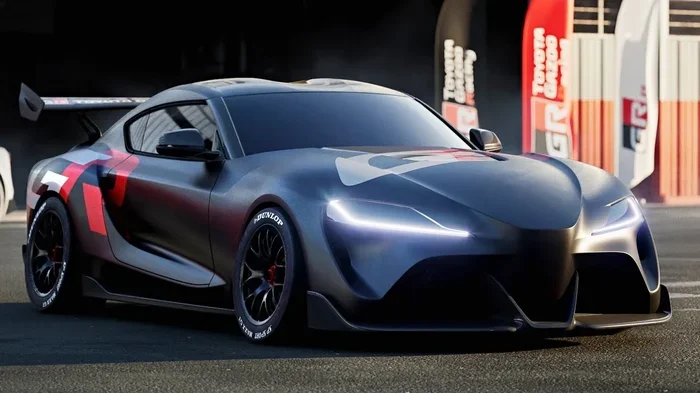
Toyota also continued to develop its performance lineup through models like the Toyota GR Supra. The new Supra represents Toyota’s commitment to sports car performance, even if it is no longer connected to the Celica platform. Toyota has also made waves with its hybrid and electric vehicle lineup, showing that the brand is moving toward the future while honoring its past.
Final Thoughts on the Toyota Celica
The Toyota Celica will always hold a special place in the hearts of car enthusiasts. Toyota made this iconic sports coupe for over 35 years, and during that time, it delivered countless memories to drivers around the world. While Toyota no longer produces the Toyota Celica, the car lives on as a beloved classic that continues to turn heads and spark joy.
If you ever have the chance to see a Toyota Celica in person, take a moment to appreciate what this car represents. It was a symbol of affordable performance, Japanese engineering excellence, and pure driving pleasure. Whether you are a longtime Celica fan or someone just learning about this remarkable car, the Toyota Celica deserves recognition as one of the great sports coupes of its era.
The story of the Toyota Celica is a reminder that not every great car needs to last forever. Sometimes, a model’s legacy is just as powerful as its production run. The Toyota Celica proved that a sports car can be fun, reliable, and accessible, and that lesson continues to influence Toyota’s approach to building cars today.
Frequently Asked Questions
When did Toyota stop making the Celica?
Toyota ended production of the Toyota Celica in 2006. The seventh and final generation was produced from 2000 to 2006, and after that model year, Toyota officially discontinued the Celica nameplate.
Why did Toyota discontinue the Celica?
Toyota stopped making the Toyota Celica due to declining sales, rising development costs, and shifting consumer preferences toward SUVs and trucks. The company decided to focus its resources on more profitable models rather than continuing to invest in a niche sports coupe.
Is the Toyota Celica still a good car to buy today?
Yes, a used Toyota Celica can be a great buy if you find a well-maintained example. The car is reliable, fun to drive, and relatively affordable compared to many other sports coupes. Just make sure to get a pre-purchase inspection and review the maintenance history carefully.
How many generations of the Toyota Celica were there?
Toyota produced seven generations of the Toyota Celica between 1970 and 2006. Each generation brought design updates, performance improvements, and new technology to keep the car competitive in the evolving sports car market.
What car replaced the Toyota Celica?
Toyota did not create a direct replacement for the Celica. However, the Toyota 86 and the Toyota GR Supra now serve as the brand’s sports car offerings. These models carry forward the spirit of fun, affordable driving that the Celica was known for.
Are Toyota Celicas rare?
Most Toyota Celica models are not extremely rare, especially the more common sixth and seventh generations. However, special editions and earlier models can be harder to find. Well-preserved examples are becoming increasingly desirable among collectors and enthusiasts.
=== CONCLUSION ===
The Toyota Celica is a car that will never be forgotten. Toyota made this incredible sports coupe for over three decades, and the results speak for themselves. From its humble beginnings in 1970 to its final model in 2006, the Toyota Celica delivered joy to millions of drivers around the world. While Toyota no longer produces this model, the Toyota Celica continues to thrive as a collector’s item, a tuning platform, and a symbol of affordable sports car fun.
Whether you are a longtime Celica owner or someone considering your first purchase, understanding the history and legacy of this car adds to the experience. The Toyota Celica proved that you do not need a massive budget to enjoy the thrill of driving a sports car. Its impact on the automotive world is undeniable, and its influence can still be seen in Toyota’s current approach to building exciting, driver-focused vehicles.
So the next time someone asks, “Does Toyota still make the Celica?” you can share the full story with confidence. The Toyota Celica may be gone from the factory, but it is far from gone from the hearts of car lovers everywhere.