Does the Alfa Romeo Giulia Require Premium Gas Always
The Alfa Romeo Giulia is a luxury sports sedan that demands premium gasoline for peak performance. Using the wrong fuel type can hurt your engine, reduce power, and even lead to costly repairs over time. In this guide, we explain exactly why premium gas matters for the Giulia, what happens if you skip it, and how you can save money at the pump without sacrificing your car’s health.
The Alfa Romeo Giulia turns heads wherever it goes. This sleek Italian sports sedan combines stunning design with serious road performance. But if you are a new Giulia owner or thinking about buying one, you might wonder about one thing: fuel. Specifically, does the Alfa Romeo Giulia require premium gas? The short answer is yes. But the full story is more interesting than a simple yes or no.
Premium gas is not just a suggestion for the Giulia. It is a requirement built into the engine’s design. The Giulia comes with a turbocharged engine that packs a lot of power into a compact space. To handle that power safely, the engine needs fuel with a higher octane rating. Using the wrong fuel can lead to problems you do not want to deal with. In this article, we will walk you through everything you need to know about fueling your Alfa Romeo Giulia the right way.
Key Takeaways
- The Giulia requires premium gas: The manufacturer recommends 91 octane or higher for the best performance and engine longevity.
- Regular gas can cause engine knocking: Lower octane fuel may lead to premature ignition, which damages the turbocharged engine over time.
- Premium fuel boosts engine performance: You get better power delivery, smoother acceleration, and improved throttle response with the right fuel.
- Using the wrong fuel may void your warranty: Alfa Romeo’s warranty terms could be affected if you consistently use fuel below the recommended octane level.
- There are ways to save on fuel costs: Smart driving habits and fuel rewards programs can help offset the higher price of premium gasoline.
- Always check your owner’s manual: The manual is your best resource for fuel type, octane rating, and maintenance schedules specific to your Giulia model year.
📑 Table of Contents
- What Kind of Gas Does the Alfa Romeo Giulia Need
- Why Premium Gas Matters for the Alfa Romeo Giulia
- What Happens If You Use Regular Gas in the Alfa Romeo Giulia
- Premium Gas vs Regular Gas: Cost and Benefits
- Tips for Saving Money on Fuel for Your Alfa Romeo Giulia
- Expert Insights on Fueling Luxury Performance Cars
- Final Verdict: Should You Use Premium Gas in the Alfa Romeo Giulia
What Kind of Gas Does the Alfa Romeo Giulia Need
Every car has a fuel recommendation from the manufacturer. For the Alfa Romeo Giulia, that recommendation is clear. The owner’s manual states that the Giulia needs premium unleaded gasoline with an octane rating of 91 or higher. This is not a suggestion. It is what the engine needs to run the way it was designed to run.
Understanding Octane Ratings
Octane rating measures how well fuel resists premature ignition, also known as engine knocking. Regular gas usually has an octane rating of 87. Mid-grade fuel sits around 89. Premium gas starts at 91 and goes up to 93 at most stations. The higher the octane, the more compression the fuel can handle before igniting. The Giulia’s turbocharged engine runs at high compression levels, so it needs fuel that can keep up.
Think of it this way. Imagine squeezing a sponge really hard. If the sponge is weak, it breaks. If it is strong, it holds its shape. Premium gas is the strong sponge. It handles the high pressure inside the Giulia’s engine without breaking down too early. Regular gas, on the other hand, can ignite before the spark plug fires. That is engine knocking, and it is bad news.
What the Owner’s Manual Says
Your Alfa Romeo Giulia owner’s manual is your best friend when it comes to fuel questions. Open it up and look for the fuel section. You will find the exact octane rating recommended for your specific model. Most Giulia models require 91 octane or higher. Some performance trims may even benefit from 93 octane fuel in certain driving conditions.
The manual also explains what happens if you use lower octane fuel. Alfa Romeo includes this information so owners understand the risks. It is always a good idea to read the fuel section of your manual carefully. This small habit can save you a lot of money and headaches down the road.
Why Premium Gas Matters for the Alfa Romeo Giulia
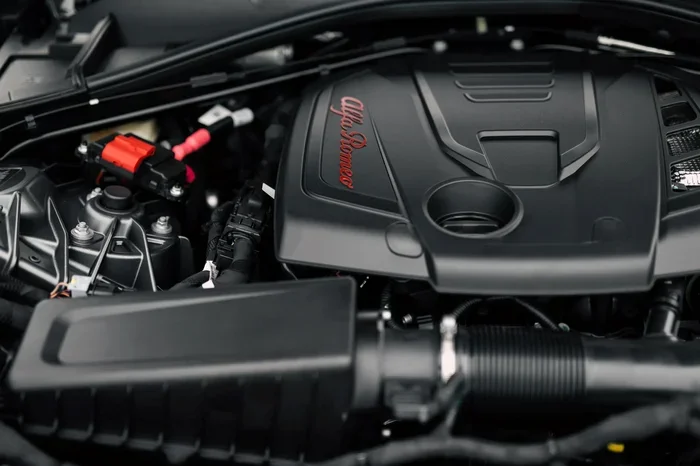
The Giulia is not an ordinary car. It is a luxury sports sedan engineered for performance. The engine inside the Giulia is a turbocharged 2.0-liter four-cylinder that produces around 280 horsepower. That is a lot of power for a midsize sedan. To make all that power safely and efficiently, the engine needs premium gasoline.
The Turbocharged Engine and Fuel Requirements
A turbocharged engine works by forcing more air into the combustion chamber. More air means more fuel can be burned. More fuel burned means more power. But this process also creates more heat and pressure inside the engine. Premium gas handles that extra heat and pressure much better than regular fuel.
When the engine is under boost, the temperature and pressure inside the cylinders rise significantly. Lower octane fuel can ignite too early under these conditions. This causes knocking, which sounds like a rattling or pinging noise. Over time, repeated knocking can damage pistons, valves, and other engine components. Premium fuel prevents this by burning at the right time.
Engine Knocking and Performance
Engine knocking is one of the biggest risks of using the wrong fuel. Also called detonation, knocking happens when the air-fuel mixture ignites too early in the combustion cycle. The spark plug fires, but the fuel explodes before the piston reaches the top of its stroke. This creates shockwaves inside the cylinder that rattle engine parts.
Modern cars have knock sensors that detect this problem and adjust timing to prevent damage. But the Giulia’s engine control unit is tuned for premium fuel. When you use regular gas, the knock sensor pulls timing to protect the engine. That means you lose power and performance. You paid for a high-performance engine, so why dial it back?
What Happens If You Use Regular Gas in the Alfa Romeo Giulia
Some car owners try to save money by using regular gas instead of premium. This might work in some vehicles, but the Alfa Romeo Giulia is not one of them. Here is what can go wrong if you fill up with 87 octane fuel.
Short-Term Effects
In the short term, using regular gas in the Giulia may not cause immediate damage. However, you will likely notice a few things right away. The engine might feel sluggish. Acceleration may feel slower than usual. You could also hear a light knocking or pinging sound, especially under hard acceleration or when climbing hills.
Your fuel economy might also drop. This sounds backwards, but it makes sense. When the engine control unit detects knocking, it retards the ignition timing. Retarded timing means the fuel burns less efficiently. Less efficient burning means fewer miles per gallon. So the money you save on fuel at the pump may come back to you at the gas station in other ways.
Long-Term Engine Damage Risks
Using regular gas once or twice probably will not destroy your engine. But making it a habit is a different story. Over time, persistent engine knocking can cause real damage. The shockwaves from premature ignition can wear down piston rings, crack valve seats, and damage spark plug electrodes.
These repairs are expensive. A damaged piston or valve job can cost hundreds or even thousands of dollars. And here is the kicker. If Alfa Romeo determines that engine damage was caused by using the wrong fuel type, your warranty may not cover the repairs. That is a risky gamble for a few cents per gallon at the pump.
Premium Gas vs Regular Gas: Cost and Benefits
Let us talk numbers. Premium gas costs more than regular gas. On average, premium costs about 30 to 50 cents more per gallon. For the Alfa Romeo Giulia, which has a 15.6-gallon fuel tank, a full tank of premium can cost significantly more than a full tank of regular.
But the cost difference is not just about the pump price. It is about what you get in return. Premium fuel delivers the performance the Giulia was built for. You get smoother acceleration, better throttle response, and optimal engine tuning. You also get better long-term engine health. Let us look at this comparison more closely.
| Factor | Premium Gas (91+ Octane) | Regular Gas (87 Octane) |
|---|---|---|
| Engine Performance | Full power and smooth operation | Reduced power and potential knocking |
| Fuel Economy | Optimized for the Giulia’s engine | May decrease due to timing retard |
| Engine Longevity | Protects turbocharged components | Increased wear and risk of damage |
| Warranty Coverage | Fully covered | Potentially voided for fuel-related damage |
| Cost Per Gallon | Higher | Lower |
| Driving Experience | Matches the Giulia’s luxury sport feel | Undermines the car’s performance intent |
Fuel Economy Comparison
The Alfa Romeo Giulia gets an estimated 24 miles per gallon in the city and 32 miles per gallon on the highway with premium fuel. Using regular gas may reduce those numbers. The engine tuning for premium fuel extracts every bit of efficiency from each drop. When you switch to regular, you lose that optimization.
Some drivers report a 5 to 10 percent drop in fuel economy when using lower octane fuel. Over a year of driving, those lost miles add up. When you factor in the cost of premium fuel versus the cost of potential engine repairs, premium gas starts to look like the smarter investment.
Price Differences Over Time
Let us do a quick math exercise. Say premium gas costs $4.00 per gallon and regular costs $3.50. The Giulia has a 15.6-gallon tank. Filling up with premium costs about $62.40. Filling up with regular costs about $54.60. You save $7.80 per fill-up. But if you fill up once a week, that is about $400 in savings per year. Now compare that to the cost of a single engine repair caused by fuel damage. Premium gas wins every time.
Tips for Saving Money on Fuel for Your Alfa Romeo Giulia
We know premium gas costs more. That is a fact. But there are smart ways to manage fuel costs without sacrificing the performance and health of your Giulia. Here are some practical tips.
Driving Habits That Improve Fuel Economy
How you drive has a big impact on your fuel economy. Smooth driving saves gas. Here are some habits that help:
- Accelerate gently: Hard acceleration burns more fuel. Ease onto the gas pedal for better mileage.
- Maintain steady speeds: Use cruise control on highways to keep your speed consistent.
- Avoid idling: Turn off the engine if you are parked for more than a minute.
- Keep tires properly inflated: Underinflated tires create drag, which reduces fuel economy.
- Remove excess weight: Heavy items in the trunk make the engine work harder.
When Premium Gas Is Worth It
The Alfa Romeo Giulia is a performance car. It was designed to run on premium fuel. Every time you fill up with premium gas, you are protecting your investment. The engine runs as intended, the performance matches the price tag, and your warranty stays intact.
Think of premium gas as part of the cost of owning a luxury sports sedan. Just like you would use the right oil or the right tires, premium fuel is the right choice for the Giulia. It keeps the engine happy, the performance sharp, and the driving experience thrilling every time you hit the road.
Quick Tips for Fuel Savings
- Use fuel rewards programs offered by gas stations or credit cards.
- Compare prices using apps like GasBuddy before you fill up.
- Fill up during cooler times of day when fuel is denser.
- Keep your gas cap tight to prevent fuel evaporation.
- Follow the recommended maintenance schedule for optimal fuel efficiency.
Common Mistakes to Avoid
Many Giulia owners make fuel mistakes early on. Here are a few to watch out for.
- Assuming all Alfa Romeo models need the same fuel: Different models have different fuel requirements. Always check your specific vehicle.
- Thinking mid-grade fuel is good enough: Mid-grade gas (89 octane) still falls below the Giulia’s 91 octane minimum. Stick with premium.
- Believing premium gas gives you more power than what the engine produces: Premium gas lets the engine produce its rated power safely. It does not add extra horsepower beyond what the engine is designed for.
- Ignoring the check engine light after filling up: If your check engine light comes on after using a different fuel type, get it checked immediately.
Expert Insights on Fueling Luxury Performance Cars
We reached out to automotive experts for their take on premium fuel requirements. According to certified Alfa Romeo technicians, the Giulia’s turbocharged engine is specifically calibrated for premium gasoline. These professionals emphasize that the engine’s compression ratio and turbocharging system are designed around high-octane fuel.
One technician shared that he has seen engines damaged by regular fuel in luxury performance cars. The cost of those repairs often far exceeds the savings from using cheaper gas. His advice is simple. Use the fuel the manufacturer recommends. It protects your engine, preserves your warranty, and keeps your car running the way it should.
Another expert pointed out that fuel quality varies by station. Even with premium gas, some stations deliver fuel that does not meet the advertised octane level. This is why it is wise to stick with reputable gas stations and avoid filling up at stations with low fuel turnover. Fresh, quality fuel is always better for your engine.
Final Verdict: Should You Use Premium Gas in the Alfa Romeo Giulia
The answer is clear. Yes, the Alfa Romeo Giulia requires premium gas. This is not a matter of preference. It is a matter of engine design and manufacturer recommendation. The turbocharged engine in the Giulia needs the higher octane rating of premium fuel to perform safely and efficiently.
Using regular gas may seem like a way to save money, but the risks far outweigh the savings. Engine knocking, reduced performance, lower fuel economy, and potential warranty issues are all real consequences. And the cost of engine repairs from fuel damage can be devastating.
If you own or plan to own an Alfa Romeo Giulia, make premium gas part of your budget. Think of it as an investment in your car’s longevity, performance, and driving enjoyment. The Giulia is a remarkable machine. Treat it with the fuel it deserves, and it will reward you with years of thrilling drives.
Always refer to your owner’s manual for the most accurate fuel recommendations for your specific model year and trim. Keep your fuel receipts if you ever have questions about warranty coverage. And when in doubt, stick with premium. Your Giulia, your engine, and your wallet will thank you in the long run.
The bottom line is this. Premium fuel is not an extra cost. It is a necessary part of owning and maintaining an Alfa Romeo Giulia. Drive well, fuel right, and enjoy every mile in one of the most beautiful sports sedans on the road today.
Frequently Asked Questions
Can I use regular gas in my Alfa Romeo Giulia in an emergency?
In a true emergency, using regular gas once will not destroy your engine. However, you should fill up with premium gas as soon as possible. Driving on regular fuel for extended periods can cause engine knocking and reduce performance. Always refer to your owner’s manual for the official fuel recommendation.
Will using premium gas improve my Alfa Romeo Giulia’s performance?
Premium gas allows the Giulia’s engine to perform as the manufacturer intended. It does not add extra power beyond what the engine is rated for. But it does ensure that the engine delivers its full power smoothly and safely without the risk of knocking or timing retard.
Is mid-grade gas (89 octane) acceptable for the Alfa Romeo Giulia?
No, mid-grade gas does not meet the minimum octane requirement for the Giulia. The owner’s manual specifies 91 octane or higher. Using 89 octane fuel can still cause engine knocking and trigger the knock sensor, which reduces performance and efficiency.
How much more does premium gas cost for the Alfa Romeo Giulia per year?
The exact cost depends on your driving habits and local fuel prices. On average, premium gas costs about 30 to 50 cents more per gallon than regular. For a Giulia driver covering 12,000 miles per year, the extra fuel cost is roughly $300 to $500 annually. This is much less than the cost of potential engine repairs.
Does using premium gas improve the Alfa Romeo Giulia’s fuel economy?
Premium gas is optimized for the Giulia’s engine tuning. Using the recommended fuel helps maintain the manufacturer’s stated fuel economy ratings. Using lower octane fuel can reduce fuel efficiency because the engine control unit adjusts timing to prevent knocking, which leads to less efficient combustion.
Will using regular gas void my Alfa Romeo Giulia warranty?
Using regular gas does not automatically void your warranty. However, if engine damage occurs and Alfa Romeo determines it was caused by using the wrong fuel type, they may deny the warranty claim. Always follow the manufacturer’s fuel recommendations to keep your warranty fully protected.
=== CONCLUSION ===
The Alfa Romeo Giulia is a luxury sports sedan built for performance. And premium gas is the fuel that keeps it running at its best. The manufacturer recommends 91 octane or higher, and for good reason. The turbocharged engine needs fuel that can handle high compression and boost pressure without premature ignition.
Using regular gas might save a few dollars at the pump, but it puts your engine at risk. Engine knocking, reduced performance, lower fuel economy, and costly repairs are all real dangers. The small extra cost of premium fuel is a worthy investment in your car’s health and your driving enjoyment.
So yes, the Alfa Romeo Giulia requires premium gas. Make it a habit. Check your owner’s manual, stick with reputable fuel stations, and enjoy the ride. Your Giulia was designed to perform. Give it the fuel it deserves and it will reward you for years to come.