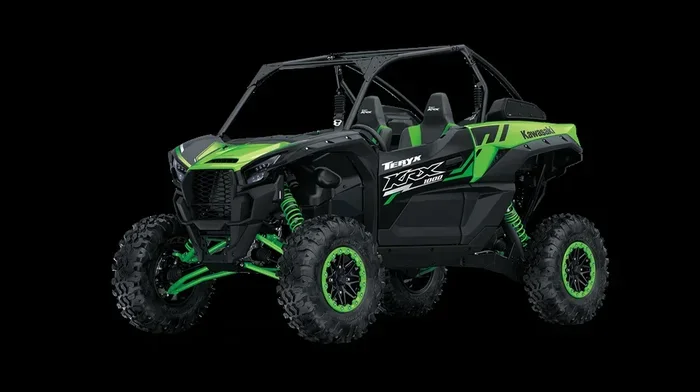
2008 Kawasaki Teryx 750 Common Problems You Should Know
The 2008 Kawasaki Teryx 750 is a fun and capable side-by-side, but it comes with a few known issues that owners should be aware of. From engine overheating and CVT transmission quirks to electrical gremlins and suspension wear, these 2008 Kawasaki Teryx 750 common problems can turn a great ride into a frustrating experience. This guide breaks down every major issue, explains why it happens, and gives you clear fixes you can do yourself or have a shop handle.
Key Takeaways
- Engine overheating is one of the top reported issues with the 2008 Teryx 750, often caused by coolant leaks or a faulty thermostat.
- CVT transmission problems such as belt slipping and erratic shifting are common and usually tied to clutch wear or improper fluid levels.
- Electrical and starting issues including corroded connections and weak starters can leave you stranded if not addressed early.
- Suspension and handling concerns like worn bushings and loose steering stems affect ride quality and safety over time.
- Regular maintenance is the single best way to prevent most of these 2008 Kawasaki Teryx 750 common problems from becoming expensive repairs.
- Knowing when to call a pro saves time and money, especially for complex engine or electrical diagnostics.
- Aftermarket upgrades can address many factory weaknesses and improve overall Teryx 750 reliability.
📑 Table of Contents
Understanding the 2008 Kawasaki Teryx 750
The 2008 Kawasaki Teryx 750 hit the market as a rugged, fun-packed side-by-side utility vehicle. It quickly won fans for its strong engine, smooth ride, and ability to tackle trails and work sites alike. But no machine is perfect, and this model has its share of known weak points.
If you own or are thinking about buying a 2008 Teryx 750, knowing what can go wrong is half the battle. 2008 Kawasaki Teryx 750 common problems range from minor annoyances to serious mechanical failures. The good news is that most of these issues have well-documented fixes. Let us walk through each one in detail so you know exactly what to watch for.
Before we dive into the problems, it helps to understand what makes this machine tick. The Teryx 750 features a 738cc inline-three-cylinder engine, a CVT automatic transmission, and a belt-drive system. These components work together to deliver power to all four wheels. When any one of them starts to fail, the whole experience suffers. Teryx 750 reliability depends heavily on how well you maintain it and how quickly you address warning signs.
What Makes the 2008 Model Year Unique
The 2008 model was the second year of production for the Teryx line. Kawasaki made several improvements over the 2007 debut, but some new issues emerged too. Owners have reported that the 2008 Teryx 750 engine problems are slightly different from earlier models. The cooling system and electrical wiring received updates that introduced their own set of quirks.
Understanding the Kawasaki Teryx 750 specs helps you diagnose issues faster. The bike produces about 48 horsepower and features a liquid-cooled engine with a single radiator up front. This layout works well but also means the cooling system is the first thing to check when you notice Teryx 750 overheating.
Engine and Power Delivery Problems
The engine is the heart of your Teryx 750, and when it acts up, everything else suffers. Several Teryx 750 engine problems show up repeatedly in owner forums and repair logs. Let us break them down.
Overheating Issues
Teryx 750 overheating is the single most common complaint among 2008 owners. The engine runs hot during extended rides, especially in warm weather or when hauling heavy loads. This happens for a few reasons.
The radiator on the 2008 model is positioned at the front, which makes it vulnerable to debris damage. Rocks and trail trash can block airflow and reduce cooling efficiency. A clogged radiator fan or low coolant level will also cause the temperature gauge to climb.
Common causes of overheating include:
- Low coolant levels from slow leaks
- A stuck or failing thermostat
- Blocked radiator fins or fan shroud
- Water pump failure
- Head gasket wear over time
The Teryx 750 overheating fix often starts with a simple coolant flush and refill. Check your thermostat first, as it is a cheap and easy replacement. If the water pump is failing, you will notice coolant pooling under the machine or a whining noise from the engine bay.
Loss of Power and Throttle Response
Some owners report a noticeable drop in Teryx 750 throttle response after a few seasons of use. The engine feels sluggish, especially at higher speeds or under load. This problem often ties back to the fuel system or air intake.
A dirty air filter restricts airflow and starves the engine. The fuel injectors can also become clogged with deposits over time. Using a fuel injector cleaner additive can help, but a full cleaning or replacement is sometimes needed.
Quick Tip: Replace your air filter every 10 to 15 hours of riding. Clean your fuel system with a quality additive at least twice a year. These small habits go a long way toward keeping your Teryx 750 problems at bay.
Engine Oil Leaks
Oil leaks are another frequent issue with the 2008 Teryx 750. The most common leak points are around the engine case gaskets and the oil filter housing. Small leaks may not seem urgent, but they can lead to low oil levels and serious engine damage if ignored.
Check your oil level before every ride. Look for fresh oil spots under the machine after it has been parked. If you see a leak, address it immediately. Replacing a gasket is far cheaper than rebuilding an engine that ran dry.
Transmission and CVT Issues
The 2008 Kawasaki Teryx 750 common problems list would not be complete without talking about the CVT transmission. This continuously variable transmission is smooth and easy to use, but it has known vulnerabilities on the 2008 model.
Belt Slipping and Chatter
The CVT belt is the link between the engine and the wheels. When it starts to slip, you feel a loss of power and a strange chattering sound during acceleration. Teryx 750 CVT problems like this are extremely common and usually point to one of a few culprits.
Worn clutch weights and springs cause the clutch to engage improperly. This puts uneven pressure on the belt and leads to slipping. Dirty or old CVT fluid also contributes to belt wear and poor performance.
How to fix belt slipping:
- Replace the CVT belt with a high-quality OEM or aftermarket belt
- Change the CVT fluid to fresh, manufacturer-recommended fluid
- Inspect and replace worn clutch weights and springs
- Check the variator rollers for wear or damage
Many owners upgrade to an aftermarket Teryx 750 belt drive system for better durability. A reinforced belt handles more torque and lasts longer than the stock version, especially if you use your Teryx for heavy work or towing.
Erratic Shifting and Harsh Engagement
Another Teryx 750 transmission issues report is erratic shifting. The CVT should shift smoothly and seamlessly, but a worn clutch or contaminated fluid can cause harsh, jerky transitions. This feels uncomfortable and can damage other drivetrain components over time.
Regular CVT fluid changes are the best prevention. Most experts recommend changing the fluid every 50 hours of riding or at least once a year. Use only the fluid specified by Kawasaki for the 2008 Teryx 750.
Electrical and Starting Troubles
Electrical gremlins are frustrating on any vehicle, and the 2008 Teryx 750 is no exception. These Teryx 750 electrical problems can range from minor nuisances to complete breakdowns.
Hard Starting and No-Start Conditions
Nothing ruins a Saturday morning ride faster than a Teryx that will not start. Teryx 750 starting problems show up most often in cold weather or after the machine has been sitting for a while.
The most common cause is a weak or failing starter motor. The starter on the 2008 model is known to wear out faster than expected, especially if you ride in muddy or wet conditions. Corroded battery terminals and loose wiring connections also prevent the electrical current from flowing properly.
Quick Troubleshooting Steps:
- Check the battery voltage with a multimeter. It should read 12.6 volts or higher when fully charged.
- Clean the battery terminals with a wire brush and apply dielectric grease.
- Inspect the starter solenoid for clicking sounds when you turn the key.
- Check all ground wires for corrosion or loose connections.
- Replace the starter motor if it spins slowly or not at all.
Flickering Lights and Gauge Malfunctions
Flickering headlights or a gauge cluster that acts erratic are signs of electrical issues that should not be ignored. These Teryx 750 electrical problems often trace back to a failing rectifier/regulator or corroded wiring harness connections.
Water and mud can work their way into the electrical connectors over time, especially on a machine designed for off-road use. Spraying dielectric grease on all connectors after a cleaning session is a simple preventive step that many experienced owners swear by.
Suspension and Handling Concerns
The Teryx 750 was built for trail riding and utility work, which means the suspension takes a beating. Teryx 750 suspension problems affect ride comfort and can become safety concerns if left unchecked.
Worn Bushings and Loose Steering
The steering stem and A-arm bushings wear out over time, especially with regular trail use. You may notice a vague or loose feeling in the steering, or the Teryx pulling to one side. These Kawasaki Teryx common issues are easy to spot but often overlooked.
Inspect your bushings regularly. Look for cracks, excessive play, or uneven wear. Replacing worn bushings is a straightforward job that dramatically improves handling and ride quality.
Rear Shock Absorber Failure
The rear shocks on the 2008 Teryx 750 are prone to leaking oil after extended use. When a shock absorber leaks, it loses damping ability and the rear end feels bouncy and unstable. This is one of the more noticeable Teryx 750 problems because you feel it on every ride.
Replacing the rear shocks with quality aftermarket units is a popular upgrade. Many owners report that upgraded shocks with better seals and stronger springs greatly improve the riding experience. Look for shocks rated for your typical riding weight and conditions.
Fuel System and Overheating Challenges
Beyond the cooling system, the fuel system on the 2008 Teryx 750 has its own set of challenges. These issues can mimic engine problems, making diagnosis tricky at first.
Fuel Pump and Filter Issues
The electric fuel pump on the 2008 model can fail prematurely, especially if you frequently ride with a low fuel level. Running the tank too low allows sediment to reach the pump and causes it to work harder. Over time, this leads to premature failure.
A clogged fuel filter will also restrict fuel flow and cause the engine to sputter or stall under load. Replacing the fuel filter is inexpensive and should be part of your regular Kawasaki Teryx maintenance schedule.
Coolant System Maintenance
Keeping the coolant system in top shape is essential for preventing Teryx 750 overheating. Use only Kawasaki-recommended coolant and mix it with distilled water at the proper ratio. Flush the entire cooling system at least once a year to remove sediment and old fluid buildup.
Check the radiator cap for a proper seal. A weak cap cannot maintain system pressure, which lowers the boiling point of the coolant and leads to overheating. This is a small part that costs very little but can prevent big headaches.
Prevention, Fixes, and When to Get Help
The best way to deal with 2008 Kawasaki Teryx 750 common problems is to prevent them from happening in the first place. A solid maintenance routine and early attention to warning signs will keep your Teryx running strong for years.
Maintenance Schedule to Follow
Sticking to a regular maintenance schedule is the foundation of Teryx 750 reliability. Here is a simple schedule to follow:
- Every 5 hours: Check tire pressure, inspect for visible leaks, and clean the air filter
- Every 15 hours: Change engine oil and filter, lubricate all grease points
- Every 50 hours: Change CVT fluid, check coolant level, inspect the belt
- Every 100 hours: Replace the fuel filter, check valve clearance, inspect the cooling system
- Every 200 hours: Full suspension inspection, clutch check, and electrical system review
Following this schedule may seem like a lot, but each task takes only a few minutes. The time you invest pays off in fewer breakdowns and lower repair bills over the life of the machine.
When to Call a Professional
Not every repair is a DIY job. Complex engine work, electrical diagnostics, and internal transmission repairs are best left to a qualified mechanic. If you are not comfortable working on the machine yourself, find a shop that specializes in Kawasaki side-by-sides.
Warning signs that you need professional help include:
- Steam or coolant leaking from under the hood
- Unusual knocking or grinding noises from the engine
- Complete electrical failure or multiple gauge failures
- Transmission that will not engage or shifts very roughly
- Any issue that persists after basic troubleshooting
Trying to fix something beyond your skill level can make the problem worse and cost more in the long run. A good mechanic will diagnose the issue quickly and get you back on the trail.
Aftermarket Upgrades That Help
Many owners choose to invest in aftermarket Teryx 750 parts that address factory weaknesses. Upgraded radiators, high-flow air filters, reinforced CVT belts, and improved suspension components are all popular choices. These upgrades not only fix existing problems but also improve overall Teryx 750 reliability for the long haul.
When choosing aftermarket parts, look for brands with good reviews and a solid warranty. Quality parts from trusted manufacturers will outperform cheap alternatives and save you money on replacements over time.
Conclusion
The 2008 Kawasaki Teryx 750 is a capable and enjoyable side-by-side, but it comes with a known set of challenges. 2008 Kawasaki Teryx 750 common problems like engine overheating, CVT belt slipping, electrical issues, and suspension wear are well-documented and well-understood by the owner community. The good news is that each of these issues has a clear path to resolution.
Regular maintenance is your best defense against most of these problems. Stay on top of fluid changes, inspect your belt and cooling system frequently, and address small issues before they become big ones. When you do encounter a problem, use this guide to help you diagnose it and decide whether a DIY fix or a trip to the shop is the right move.
A well-maintained Teryx 750 will give you years of reliable service on the trail and around the property. Know the problems, follow the fixes, and keep riding with confidence. Your Teryx 750 problems do not have to slow you down.
Frequently Asked Questions
Why does my 2008 Kawasaki Teryx 750 overheat so easily?
The 2008 Teryx 750 has a front-mounted radiator that is vulnerable to debris blockage and reduced airflow. Low coolant levels, a failing thermostat, or a clogged radiator fan are the most common causes. Regularly check your coolant and clean the radiator fins to prevent overheating.
How often should I change the CVT fluid on my Teryx 750?
Most experts recommend changing the CVT fluid every 50 hours of riding or at least once per year. Fresh fluid keeps the belt and clutch components working smoothly and prevents the slipping and chattering associated with Teryx 750 CVT problems.
What causes the Teryx 750 to have hard starting issues?
Hard starting is usually caused by a weak starter motor, corroded battery terminals, or a failing ignition switch. Cold weather makes these problems worse. Clean your connections, test your battery voltage, and replace the starter if needed.
Are the suspension problems on the 2008 Teryx 750 expensive to fix?
Most suspension repairs are affordable. Replacing bushings, shock absorbers, and steering stem components is well within the budget of most owners. Upgrading to aftermarket parts can even improve performance beyond stock levels at a reasonable cost.
Can I prevent most 2008 Kawasaki Teryx 750 common problems?
Yes. A consistent maintenance schedule is the single most effective way to prevent most issues. Regular oil changes, fluid flushes, belt inspections, and electrical checks catch small problems before they become expensive repairs. Prevention always costs less than fixing a breakdown.
What aftermarket upgrades are worth it for the Teryx 750?
Upgraded radiators, reinforced CVT belts, high-flow air filters, and improved suspension shocks are all highly recommended. These Teryx 750 aftermarket parts address known factory weaknesses and significantly improve durability and ride quality.