Harley-Davidson Spark Plug Chart: The Complete Guide
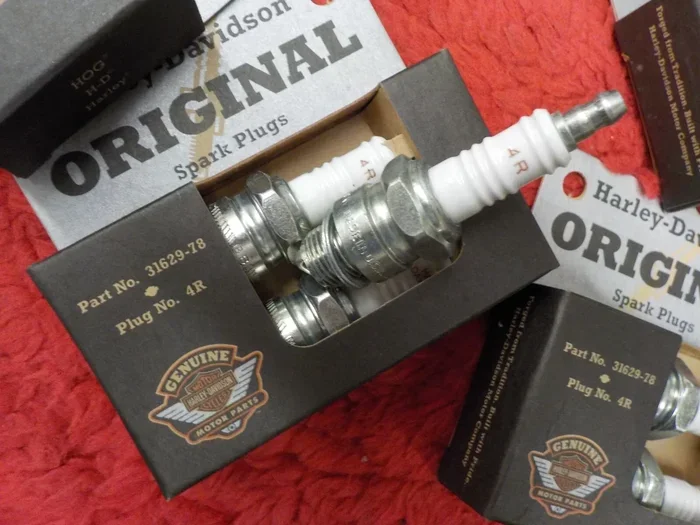
A Harley-Davidson spark plug chart is an essential tool that helps you pick the right spark plug for your specific motorcycle model and engine type. Using the correct spark plug ensures your engine runs smoothly, delivers strong performance, and avoids costly damage. This guide covers every Harley model, spark plug gap specs, and expert tips to keep your ride firing on all cylinders. Whether you are a seasoned rider or a first-time owner, you will find everything you need right here.
Every Harley-Davidson owner knows the feeling of hitting the open road on a well-tuned machine. But did you know that one small part can make or break your ride? The spark plug is tiny, but it plays a huge role in how your engine performs. If you have ever wondered which spark plug fits your Harley, a Harley-Davidson spark plug chart is your best friend.
This guide breaks down everything you need to know about spark plugs for your Harley-Davidson. We will walk you through the chart, explain how to read it, and help you choose the right plug for your model. Whether you ride a Softail, a Touring bike, or a Sportster, this guide has you covered. Let us dive in and make sure your engine is running at its best.
Key Takeaways
- Correct spark plug selection matters: Using the right plug for your Harley-Davidson model prevents engine damage and boosts performance.
- Spark plug gap is critical: An incorrect gap can cause misfires, poor fuel economy, and rough idling.
- Multiple brands work well: NGK and Champion are the top choices for Harley-Davidson engines.
- Heat range affects longevity: Choosing the right heat range prevents pre-ignition and fouling.
- Regular inspection saves money: Checking your spark plugs regularly catches problems early.
- Model-specific charts exist: Different Harley models need different spark plugs — always refer to the chart.
- DIY replacement is easy: With the right tools and a spark plug chart, you can change your plugs at home.
📑 Table of Contents
- What Is a Harley-Davidson Spark Plug Chart and Why It Matters
- Understanding Spark Plug Basics for Harley Engines
- Harley-Davidson Spark Plug Chart by Model
- How to Read and Use the Spark Plug Chart
- Choosing the Right Spark Plug Brand for Your Harley
- Spark Plug Maintenance and Troubleshooting Tips
- Key Takeaways
- Conclusion
What Is a Harley-Davidson Spark Plug Chart and Why It Matters
A spark plug chart is a reference tool that matches the correct spark plug to each Harley-Davidson model and engine type. Think of it as a cheat sheet for your engine. Every Harley engine has specific requirements for spark plug size, gap, and heat range. The chart lays all of that information out in one place.
Why does this matter so much? Because using the wrong spark plug can cause serious problems. A plug that is too hot can lead to pre-ignition. A plug that is too cold can cause fouling. Both situations hurt your engine over time. The right spark plug ensures the air-fuel mixture ignites properly in the combustion chamber.
Here are a few reasons why the spark plug chart is so important:
- Engine compatibility: Every Harley model has unique engine specs. The chart matches the plug to your exact engine.
- Performance tuning: The right plug helps your engine deliver maximum power and efficiency.
- Fuel economy: A correctly gapped plug burns fuel more cleanly, saving you money at the pump.
- Engine longevity: Using the right plug reduces wear on your ignition system and engine components.
When you look at a Harley-Davidson spark plug chart, you will notice columns for model year, engine type, spark plug part number, and gap specification. These details might seem small, but they make a big difference in how your bike runs.
Understanding Spark Plug Basics for Harley Engines
Before you dig into the chart, it helps to understand the basic parts of a spark plug. This knowledge makes the chart much easier to use. Let us break down the key components.
Parts of a Spark Plug
A spark plug has several important parts that work together to create the spark that ignites your fuel:
- Center electrode: This is the thin wire running down the middle of the plug. It carries the electrical current.
- Ground electrode: This is the curved metal piece on the side of the plug. The spark jumps between the center and ground electrode.
- Insulator: This ceramic piece separates the center electrode from the metal shell. It prevents electrical leakage.
- Thread shell: This is the threaded part that screws into the engine cylinder head.
- Plug boot: This is the rubber cover that connects the plug wire to the spark plug.
Spark Plug Gap Explained
The spark plug gap is the tiny space between the center electrode and the ground electrode. This gap controls the strength and length of the spark. Too wide, and the ignition system cannot fire the plug consistently. Too narrow, and the spark is weak, leading to incomplete combustion.
For Harley-Davidson engines, the gap typically falls between 0.020 and 0.040 inches, depending on the model. Always check your spark plug chart for the exact specification. A feeler gauge is a simple tool you can use to measure and adjust the gap at home.
Heat Range Basics
The heat range refers to how well a spark plug dissipates heat from the combustion chamber. A lower number means a hotter plug, and a higher number means a cooler plug. Harley-Davidson engines run hot, so they usually need a cooler plug with a higher heat range number.
Here is a quick comparison of heat range effects:
| Heat Range | Plug Temperature | Best For |
|---|---|---|
| Lower number | Hotter | Cold weather, low-speed riding |
| Higher number | Cooler | Hot weather, high-speed riding, heavy loads |
Using the wrong heat range can cause serious engine problems. A plug that runs too hot can cause pre-ignition, which damages pistons over time. A plug that runs too cold can accumulate carbon deposits, leading to a fouled spark plug.
Harley-Davidson Spark Plug Chart by Model
Now let us get into the heart of the guide. The Harley-Davidson spark plug chart varies by model and engine type. Below, we break down the most popular Harley families and their recommended spark plugs.
Sportster Models
Sportster engines are air-cooled V-twins that have been a Harley staple since the 1950s. These engines typically use smaller displacement motors, so the spark plugs are specific to their design. Most Sportsters from the 1980s through today use NGK or Champion plugs with a gap around 0.020 inches.
Common Sportster spark plug part numbers include the NGK DPR7EA-9 and Champion RG4HC. Always double-check the year and engine size before ordering. A 1957 Sportster and a 2023 Iron Eighty-Eight may use different plugs.
Softail Models
Softail frames give Harley-Davidson bikes that classic look while hiding the rear suspension. The engines in Softail models range from the Milwaukee-Eight 107 to the Twin Cam 96. Each engine requires a different spark plug.
For Milwaukee-Eight engines, the recommended plug is often the NGK DPR7EA-9 or equivalent. Twin Cam engines may use the NGK DPR8EA-9. The gap for these plugs is typically 0.025 inches, but always verify with your specific model chart.
Touring and Road King Models
Touring bikes and Road Kings carry extra weight, which means their engines work harder. These models need spark plugs that can handle sustained high-speed riding and heavy loads. The Milwaukee-Eight 114 engine, found in many touring models, uses the NGK DPR7EA-9 spark plug.
Older Touring models with Twin Cam engines may use the DPR8EA-9 plug. The gap for touring model plugs is usually 0.025 inches. Because these bikes carry more weight, using the correct plug is even more important for engine tuning and consistent performance.
Street and Dyna Models
Dyna and Street models offer a mix of performance and classic styling. Their engines vary widely, so the spark plug chart for these models covers a broad range. The Twin Cam 96 and 103 engines found in many Dyna models use the DPR8EA-9 plug.
Newer Street models with the Milwaukee-Eight engine use the DPR7EA-9. Always cross-reference your model year and engine size with the chart to find the exact part number. Using the wrong plug can lead to rough idling and poor acceleration.
CVO and High-Performance Models
CVO (Custom Vehicle Operations) models are Harley-Davidson’s premium offerings. These bikes come with high-performance engines that demand top-tier spark plugs. The Milwaukee-Eight 117 engine, found in CVO models, uses the NGK DPR7EA-9 or a colder variant for sustained high-performance riding.
If you have a CVO model, do not assume the standard plug is good enough. These engines run hotter and at higher compression levels. Check the Harley-Davidson spark plug chart for your specific CVO model year to get the right heat range and gap.
How to Read and Use the Spark Plug Chart
Reading a spark plug chart might seem intimidating at first, but it is actually quite simple once you understand the layout. Let us walk through the process step by step.
Step 1: Find Your Model Year and Engine
Start by locating your Harley-Davidson model year and engine type. This information is usually on the engine block or in your owner’s manual. The chart is organized by these two details first.
Step 2: Match the Part Number
Once you find your model, look at the recommended spark plug part number. This is the exact plug you should buy. Do not substitute a different part number unless you have a specific reason and expert advice.
Step 3: Check the Gap Specification
Every entry in the chart includes a gap measurement. Before you install the plug, use a feeler gauge to verify the gap. Even a brand-new plug can arrive with the wrong gap from the factory. Adjusting the gap takes only a few minutes and can prevent starting problems.
Step 4: Verify the Heat Range
Check the heat range number on the chart and match it to the plug you are buying. If you ride in extreme conditions — very hot weather, high altitude, or heavy towing — you may want to consult a mechanic about adjusting the heat range slightly.
Quick tip: Always keep a spare spark plug with the correct gap in your saddlebag. A dead plug on the side of the road can ruin a great day.
Choosing the Right Spark Plug Brand for Your Harley
When it comes to spark plug brands, two names dominate the Harley-Davidson world: NGK and Champion. Both are trusted by riders and mechanics alike. Let us compare them so you can make an informed choice.
NGK Spark Plugs
NGK is a Japanese manufacturer known for precision engineering. Their spark plugs are widely used in Harley-Davidson engines and are often the factory-recommended choice. NGK plugs are known for consistent performance, long life, and reliable ignition.
Common NGK plugs for Harley models include the DPR7EA-9 and DPR8EA-9 series. These plugs offer excellent durability and are designed specifically for air-cooled V-twin engines. Many riders prefer NGK for their everyday riding and long-distance touring.
Champion Spark Plugs
Champion is an American brand with a long history in motorcycle spark plugs. Champion plugs are also a popular choice for Harley-Davidson engines, especially among riders who prefer a slightly different electrode design. The Champion RG4HC and RN3HC are common picks for Sportster and Twin Cam models.
Champion plugs tend to be slightly more affordable than NGK in some markets. They perform well in standard riding conditions and are easy to find at most auto parts stores.
NGK vs. Champion: A Quick Comparison
| Feature | NGK | Champion |
|---|---|---|
| Factory recommendation | Yes, for most models | Sometimes, for older models |
| Durability | Excellent | Very good |
| Price | Mid to high range | Mid range |
| Availability | Widely available | Widely available |
| Performance in heat | Strong | Strong |
Both brands are excellent choices. The most important thing is to match the part number and gap specification from your Harley-Davidson spark plug chart. Brand loyalty is fine, but compatibility comes first.
Spark Plug Maintenance and Troubleshooting Tips
Changing your spark plug is only half the battle. Proper maintenance keeps your plugs working well and your engine running strong. Here are some practical tips every Harley owner should know.
When to Replace Your Spark Plugs
Most Harley-Davidson spark plugs should be replaced every 10,000 to 15,000 miles. However, if you ride in dusty or dirty conditions, you may need to replace them more often. Signs that your plugs need attention include:
- Rough idling: Your engine shakes or sounds uneven when stopped.
- Difficulty starting: The bike takes several turns to start.
- Reduced fuel economy: You are filling up more often than usual.
- Misfiring under acceleration: The engine stumbles when you twist the throttle.
- Visible damage: Cracked porcelain, corroded electrodes, or heavy carbon buildup.
How to Inspect Your Spark Plugs
Inspecting your spark plugs is a great way to learn about your engine’s health. Pull a plug and look at the electrode and insulator nose. Here is what different conditions mean:
- Light tan or gray color: This is normal and healthy. Your engine is running well.
- Black, sooty deposits: This indicates a rich air-fuel mixture or oil leaking into the combustion chamber.
- White or blistered insulator: This suggests a lean mixture or overheating. Check your cooling system and fuel delivery.
- Wet, oily deposits: This points to oil entering the cylinder, which could mean worn piston rings or valve seals.
Common Mistakes to Avoid
Even experienced riders make mistakes with spark plugs. Here are some common errors to watch out for:
- Over-tightening the plug: This can strip the threads in the cylinder head. Use a torque wrench and follow the spec in your manual.
- Ignoring the gap: A plug with the wrong gap causes misfires. Always check the gap before installation.
- Using anti-seize on the threads: Harley-Davidson does not recommend anti-seize on spark plug threads. It can cause over-tightening and damage.
- Mixing plug brands: Do not use NGK on one cylinder and Champion on another. Stick with one brand and type for consistency.
Expert Insight on Engine Tuning
According to experienced Harley mechanics, the spark plug is one of the first things to check when diagnosing engine performance issues. A simple compression test combined with a spark plug inspection can reveal a lot about your engine’s condition. If you notice your plugs fouling frequently, it may be a sign of a larger problem with your air-fuel mixture or ignition system.
Expert mechanics also recommend keeping a log of your spark plug changes. Write down the date, mileage, and plug condition each time you change them. Over time, this log becomes a valuable tool for spotting trends and catching problems early.
Key Takeaways
- Correct spark plug selection matters: Using the right plug for your Harley-Davidson model prevents engine damage and boosts performance.
- Spark plug gap is critical: An incorrect gap can cause misfires, poor fuel economy, and rough idling.
- Multiple brands work well: NGK and Champion are the top choices for Harley-Davidson engines.
- Heat range affects longevity: Choosing the right heat range prevents pre-ignition and fouling.
- Regular inspection saves money: Checking your spark plugs regularly catches problems early.
- Model-specific charts exist: Different Harley models need different spark plugs — always refer to the chart.
- DIY replacement is easy: With the right tools and a spark plug chart, you can change your plugs at home.
Conclusion
The Harley-Davidson spark plug chart is one of the most valuable resources any rider can have. It takes the guesswork out of spark plug selection and helps you keep your engine running at peak performance. From Sportsters to Touring models, every Harley has a specific plug that fits best, and the chart tells you exactly what that plug is.
Remember to check your gap, match your heat range, and replace your plugs on schedule. A few minutes of attention to this small part can save you from expensive engine repairs down the road. Keep a spare plug in your kit, inspect your plugs regularly, and ride with confidence knowing your ignition system is working perfectly.
Use this guide as your go-to reference every time you need to replace or upgrade your spark plugs. Your Harley-Davidson deserves the best, and now you have the knowledge to give it exactly that. Keep riding, keep maintaining, and enjoy every mile.
Frequently Asked Questions
What spark plug does my Harley-Davidson need?
The spark plug you need depends on your specific model and engine type. Check the Harley-Davidson spark plug chart for your model year and engine size to find the correct part number and gap specification.
Can I use a different brand of spark plug than what is recommended?
Yes, you can use a different brand as long as the part number, gap, and heat range match the specifications in the chart. NGK and Champion are both excellent alternatives that work well with Harley-Davidson engines.
How often should I replace my Harley spark plugs?
Most Harley-Davidson spark plugs should be replaced every 10,000 to 15,000 miles. If you ride in harsh conditions like dust or extreme heat, consider replacing them more frequently to maintain optimal engine performance.
What happens if the spark plug gap is wrong?
An incorrect spark plug gap can cause misfires, rough idling, poor fuel economy, and difficulty starting your engine. Always verify the gap with a feeler gauge before installing a new plug.
Do I need anti-seize compound on Harley spark plugs?
No. Harley-Davidson does not recommend using anti-seize on spark plug threads. It can cause over-tightening and damage the cylinder head threads. Install plugs dry and torque them to the manufacturer specification.
How can I tell if my spark plugs need to be replaced?
Signs that your spark plugs need replacement include rough idling, difficulty starting, reduced fuel economy, engine misfires under acceleration, and visible damage like cracked porcelain or heavy carbon buildup on the electrodes.