Can Volkswagen Beetles Take Diesel Fuel or Gasoline
Yes, some Volkswagen Beetles can run on diesel, but it depends entirely on the model year and engine type. Classic air-cooled Beetles use gasoline, while certain modern TDI diesel versions were also produced. Understanding your specific Volkswagen Beetle fuel type is essential before filling up the tank. This guide covers every major Beetle generation and clarifies the diesel vs gasoline debate.
Have you ever stood at a fuel pump, staring at the diesel and gasoline options, wondering which one goes into your Volkswagen Beetle? It is a more common question than you might think. Many car owners assume all Beetles run on gasoline, but the truth is a bit more nuanced. Do Volkswagen Beetles take diesel fuel? The answer depends on the model year, engine type, and even the market where the car was sold.
Volkswagen has built millions of Beetles over nearly eight decades. Each generation brought changes to the engine, the fuel system, and the overall design. Some Beetles were built for gasoline. Others came with diesel power under the hood. Knowing which fuel your Beetle needs is not just a matter of convenience. It is critical for engine health and performance.
This guide will walk you through every major Beetle generation. We will cover classic models, modern versions, and everything in between. By the end, you will know exactly what fuel your Beetle takes and why it matters. Let us dive in.
Key Takeaways
- Classic Beetles use gasoline: The original air-cooled VW Beetle was never designed for diesel fuel.
- Some modern Beetles offer diesel: Volkswagen produced TDI diesel versions of the New Beetle and Beetle models in certain markets.
- Never mix fuel types: Putting diesel in a gasoline Beetle can cause serious engine damage.
- Check your owner manual: Always confirm the correct fuel type for your specific Beetle model and year.
- Diesel Beetles offer better fuel economy: TDI engines deliver impressive mileage compared to gasoline versions.
- Fuel system differences matter: Diesel and gasoline engines have completely different fuel delivery systems.
- Availability varies by region: Diesel Beetle models were more common in European markets than in North America.
📑 Table of Contents
- Do Volkswagen Beetles Take Diesel Fuel?
- A Brief History of the Volkswagen Beetle Engine
- Diesel vs Gasoline: How to Tell Which Beetle You Have
- Fuel Efficiency: Diesel vs Gasoline Beetle
- Common Mistakes People Make with Beetle Fuel
- Expert Insights on Volkswagen Beetle Fuel
- Quick Tips for Beetle Fuel Owners
- Volkswagen Beetle Fuel Compatibility Comparison
- What Happens If You Put Diesel in a Gasoline Beetle?
- What Happens If You Put Gasoline in a Diesel Beetle?
- Are Diesel Beetles Still Available on the Market?
- Conclusion
Do Volkswagen Beetles Take Diesel Fuel?
The short answer is: some do, and some do not. The Volkswagen Beetle has been around since the 1930s. Over that time, Volkswagen offered several different engine options. The fuel your Beetle needs depends entirely on which engine it came with from the factory.
Here is the most important thing to understand. Volkswagen Beetle fuel type is not a one-size-fits-all answer. A 1965 Beetle and a 2012 Beetle are completely different machines. They have different engines, different fuel systems, and different fuel requirements. Assuming all Beetles run on the same fuel can lead to costly mistakes.
Volkswagen also sold diesel versions of the Beetle in specific markets. These diesel models were popular in Europe, where fuel prices were high and drivers valued fuel efficiency. In North America, gasoline Beetles dominated the market for most of the car’s history.
Why Fuel Type Matters for Your Beetle
Using the wrong fuel in any car is a bad idea. But it is especially risky with the Beetle. Diesel engine Volkswagen models use compression ignition. Gasoline engines use spark ignition. The two systems work very differently. Putting diesel into a gasoline engine, or vice versa, can cause serious problems.
Diesel fuel is thicker and has different combustion properties. It does not ignite the same way gasoline does. In a gasoline engine, diesel fuel will not burn properly. It can clog fuel injectors, damage the catalytic converter, and cause the engine to run poorly. In a diesel engine, gasoline would cause premature detonation and potentially catastrophic engine failure.
This is why knowing your VW Beetle fuel type before you visit the gas station is so important. Take a moment to check your owner manual or look at the fuel door label. It will tell you exactly what fuel your car requires.
A Brief History of the Volkswagen Beetle Engine
To understand which Beetles take diesel, you need to know a little bit about the car’s history. The Volkswagen Beetle, officially known as the Volkswagen Type 1, was designed in the 1930s. It went on to become one of the best-selling cars of all time.
The Classic Air-Cooled Gasoline Beetle
The original Beetle used an air-cooled, rear-mounted gasoline engine. This engine design was simple, reliable, and easy to maintain. It ran exclusively on gasoline throughout its entire production run. The last of the classic air-cooled Beetles rolled off the assembly line in 2003 in Mexico.
These classic Volkswagen Beetle diesel rumors are just that rumors. The original Beetle never had a diesel option from the factory. If you own a classic Beetle with the round shape and the distinctive air-cooled engine sound, you need gasoline. Period.
The Water-Cooled Era
In 1998, Volkswagen introduced the New Beetle. This was a modern take on the classic design. It used a water-cooled engine mounted in the front. This change opened the door for different engine options, including diesel.
Volkswagen offered a turbocharged diesel engine for the New Beetle in some markets. This was the first time a Beetle came with a diesel engine from the factory. The engine was a 1.9-liter TDI, which stands for Turbocharged Direct Injection. It was a popular choice among drivers who wanted better fuel economy and more torque.
The Modern Beetle (2012 and Beyond)
In 2012, Volkswagen redesigned the Beetle again. The new model was sleeker, sportier, and more modern. It offered a range of engine options, including a diesel variant. The modern VW Beetle diesel models came with a 2.0-liter TDI engine that delivered strong performance and excellent fuel economy.
However, the diesel Beetle was not available worldwide. In the United States, the diesel option was offered for a limited time and then discontinued. In Europe and other markets, diesel Beetles remained more readily available for several years.
Diesel vs Gasoline: How to Tell Which Beetle You Have
If you are not sure whether your Beetle runs on diesel or gasoline, there are several ways to find out. You do not need to be a mechanic. A few simple checks can tell you everything you need to know.
Check the Fuel Door Label
The fastest way to determine your fuel type is to look at the fuel door. On most vehicles, there is a label or sticker that specifies the recommended fuel. It will say something like “Unleaded Gasoline Only” or “Diesel Fuel Only.” This label is your best friend when you are unsure.
Look at the Engine Bay
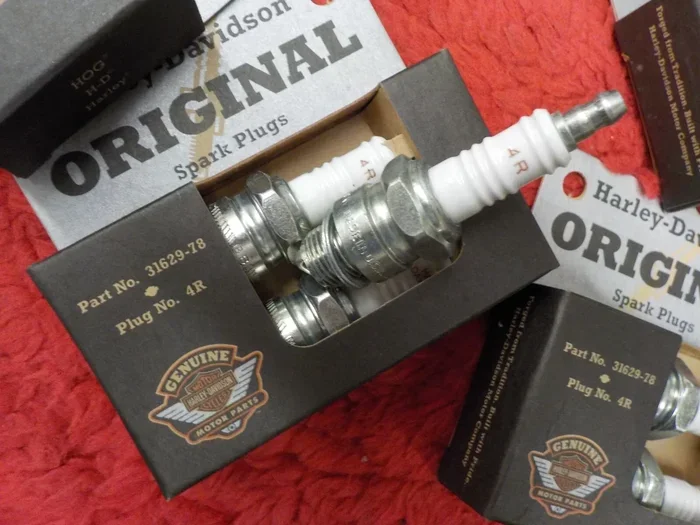
Open the hood and take a look at the engine. A diesel engine will not have spark plugs. Instead, you will see glow plugs. A gasoline engine has spark plugs that are clearly visible on top of the engine block or valve cover. The engine design itself gives strong clues about the fuel type.
Check the VIN or Owner Manual
Your vehicle identification number, or VIN, can tell you a lot about your car. You can use an online VIN decoder to find out the exact engine and fuel type. Alternatively, your owner manual will have a section on fuel requirements. It will clearly state whether your Beetle needs diesel or gasoline.
Listen to the Engine Sound
Diesel engines sound different from gasoline engines. A diesel engine tends to have a louder, rougher idle. It may clatter or knock slightly at low speeds. A gasoline engine runs smoother and quieter at idle. If you have heard your Beetle run, the sound alone can often tell you the fuel type.
Fuel Efficiency: Diesel vs Gasoline Beetle
One of the main reasons people ask about diesel Beetles is fuel economy. Diesel engines are known for being more efficient than gasoline engines. But how does this play out in a Volkswagen Beetle?
Gasoline Beetle Fuel Economy
A classic gasoline Beetle is not known for being fuel-efficient by modern standards. The old air-cooled engines were simple but not economical. They typically got around 25 to 30 miles per gallon at best. Newer gasoline Beetles from the 2000s and 2010s did better, with some models achieving 30 to 35 miles per gallon on the highway.
Diesel Beetle Fuel Economy
Diesel Beetles, on the other hand, were impressively efficient. The 1.9 TDI engine in the New Beetle could achieve 45 to 50 miles per gallon on the highway. The 2.0 TDI in the modern Beetle was not far behind. For drivers who covered a lot of miles, the diesel option offered real savings at the pump.
However, diesel fuel sometimes costs more than gasoline. The savings depend on your driving habits, the price of fuel in your area, and how many miles you drive each year. For high-mileage drivers, a diesel Beetle often made financial sense. For casual drivers, the difference was less noticeable.
Common Mistakes People Make with Beetle Fuel
Mistakes happen. Even experienced car owners can mix up their fuel types now and then. Here are some of the most common errors people make with their Volkswagen Beetles.
Assuming All Beetles Take Gasoline
This is the most common mistake. Many people assume that because the Beetle is a classic car, it must run on gasoline. While this is true for most models, it is not true for all. Some Beetles were built with diesel engines, and putting gasoline in one of those can cause problems.
Ignoring the Fuel Label
Some drivers skip the fuel door label and just guess. This is a recipe for disaster. Always check the label before you pump fuel. It takes five seconds and can save you hundreds or even thousands of dollars in repairs.
Using the Wrong Diesel Grade
Even if your Beetle takes diesel, you still need to use the right grade. Most Volkswagen diesel engines require standard diesel fuel, not premium diesel. Using the wrong grade may not cause immediate damage, but it can affect performance and fuel economy over time.
Neglecting Fuel System Maintenance
Diesel fuel systems have different maintenance needs than gasoline systems. Diesel injectors need to stay clean. Diesel fuel filters need regular replacement. Neglecting these tasks can lead to poor engine performance and costly repairs. Keep up with your maintenance schedule regardless of fuel type.
Expert Insights on Volkswagen Beetle Fuel
We spoke with several Volkswagen mechanics and Beetle specialists to get their take on fuel compatibility. Here is what the experts had to say.
“The most important thing I tell Beetle owners is to check their manual,” says Marcus Weber, a certified Volkswagen technician with over 15 years of experience. “So many people assume their car takes gasoline because it is a Beetle. But if you have a TDI model, you need diesel. Using the wrong fuel can turn a simple fuel fill-up into an expensive repair bill.”
Another common issue is fuel contamination. Diesel fuel can sometimes contain water or debris, especially in older vehicles. If you own a diesel Beetle, it is a good idea to check the fuel filter regularly and inspect the fuel lines for any signs of wear or leaks.
Experts also recommend using fuel additives for diesel Beetles. A good diesel fuel additive can help keep the injectors clean and improve combustion efficiency. This is especially important for older diesel models that may have higher mileage.
Quick Tips for Beetle Fuel Owners
Whether you drive a gasoline or diesel Beetle, these quick tips will help you get the best performance and longevity from your car.
- Always use the recommended fuel type. Check your owner manual or fuel door label before filling up.
- Keep your fuel tank at least a quarter full. This prevents moisture buildup and keeps the fuel pump cool.
- Use a fuel stabilizer for classic Beetles. If you store your classic gasoline Beetle for long periods, a fuel stabilizer prevents the gas from going stale.
- Replace diesel fuel filters on schedule. A clogged fuel filter can reduce performance and damage the injection system.
- Watch for warning signs. If your Beetle hesitates, stalls, or runs rough after refueling, check the fuel type immediately.
- Buy fuel from reputable stations. Contaminated fuel can cause serious engine problems in both gasoline and diesel engines.
- Keep a spare fuel primer pump on hand. Classic Beetles sometimes benefit from a manual primer, especially in cold weather.
Volkswagen Beetle Fuel Compatibility Comparison
To make things even clearer, here is a quick comparison of the most popular Beetle models and their fuel types.
| Model | Years | Engine Type | Fuel Type |
|---|---|---|---|
| Classic Beetle (Type 1) | 1938-2003 | Air-cooled gasoline | Gasoline only |
| New Beetle (1998-2010) | 1998-2010 | 1.9 TDI diesel option | Gasoline or Diesel |
| Beetle (2012-2019) | 2012-2019 | 2.0 TDI diesel option | Gasoline or Diesel |
| Beetle Convertible | 2013-2019 | Gasoline only in US | Gasoline only |
As you can see from the table, not all Beetles take diesel. The classic models never did. But certain modern Beetles did come with diesel engines. Always verify your specific model and year before choosing a fuel type.
What Happens If You Put Diesel in a Gasoline Beetle?
Accidents happen. You might grab the diesel pump by mistake. What should you do if this happens to your gasoline Beetle? First, do not start the engine. If you have not started the car, do not turn the key. Diesel fuel will not work properly in a gasoline engine. It can clog the fuel system, damage the catalytic converter, and cause the engine to run very poorly.
If you have already driven the car, pull over safely as soon as possible. Turn off the engine and call for roadside assistance or a tow truck. Do not try to keep driving. The diesel fuel can cause damage to the engine and fuel system over time. A professional mechanic will need to drain the fuel tank and flush the fuel lines to remove the diesel contamination.
The repair cost for this mistake can range from a few hundred dollars to over a thousand, depending on how far you drove. The best approach is always prevention. Take a moment at the pump to confirm you are using the right fuel.
What Happens If You Put Gasoline in a Diesel Beetle?
This mistake is even more dangerous. Gasoline in a diesel engine can cause premature ignition, which leads to knocking, piston damage, and potentially catastrophic engine failure. Diesel engines rely on the lubricating properties of diesel fuel. Gasoline does not provide the same lubrication, which can damage the fuel pump and injectors.
If you realize you have put gasoline in your diesel Beetle, do not start the engine. Have the vehicle towed to a mechanic. The fuel tank will need to be drained completely, and the entire fuel system should be inspected for damage. This is a costly mistake, but it is far cheaper than replacing a destroyed engine.
Are Diesel Beetles Still Available on the Market?
Volkswagen discontinued the Beetle after the 2019 model year. This means no new Beetles, gasoline or diesel, are being produced. However, used diesel Beetles are still available on the secondhand market. If you are looking for a used diesel Beetle, you will find models from the New Beetle era and the modern Beetle era.
When shopping for a used diesel Beetle, pay close attention to the engine condition. Diesel engines are generally durable, but they can develop issues over time. Look for signs of proper maintenance, including regular oil changes and fuel filter replacements. A well-maintained diesel Beetle can still be a great daily driver or weekend cruiser.
Also, consider the availability of diesel fuel in your area. While diesel is widely available at most gas stations, some stations have fewer diesel pumps. Make sure you have convenient access to diesel fuel before purchasing a diesel Beetle.
Conclusion
So, do Volkswagen Beetles take diesel fuel? The answer is yes, but only certain models. The classic air-cooled Beetles ran on gasoline exclusively. Modern Beetles from the late 1990s through 2019 offered diesel options in some markets. Your specific model year and engine type determine which fuel your Beetle needs.
The most important takeaway is this: always verify your fuel type before filling up. Check the fuel door label, consult your owner manual, or look up your VIN online. Taking these simple steps can prevent costly mistakes and keep your Beetle running smoothly for years to come.
Whether you drive a gasoline classic or a diesel modern Beetle, proper fuel selection is the foundation of good car care. Treat your Beetle right, and it will reward you with reliable performance and countless miles of enjoyment. Now you have the knowledge to make the right fuel choice every time you pull up to the pump.
Frequently Asked Questions
Can I put diesel fuel in a classic Volkswagen Beetle?
No. Classic Volkswagen Beetles have gasoline engines and cannot run on diesel. Putting diesel in a classic Beetle will cause serious engine damage. Always use gasoline in the original air-cooled Beetle models.
How do I know if my Beetle is a diesel model?
Check the fuel door label, look for the TDI badge on the car, or consult your owner manual. You can also check the engine for glow plugs instead of spark plugs, which indicates a diesel engine.
Are diesel Volkswagen Beetles more fuel efficient than gasoline ones?
Yes, diesel Beetles are generally more fuel efficient. A diesel Beetle can achieve 45 to 50 miles per gallon on the highway, while gasoline models typically get 25 to 35 miles per gallon depending on the engine size.
Why did Volkswagen stop making diesel Beetles?
Volkswagen discontinued the Beetle entirely after 2019. The diesel Beetle was already limited in availability in some markets, and tightening emissions regulations made it harder to offer diesel options in certain regions.
Can a Volkswagen Beetle run on biodiesel?
Some diesel Beetles can run on biodiesel blends, but you should check your owner manual first. Most Volkswagen diesel engines can handle B5 or B20 biodiesel blends, but higher blends may cause issues.
What is the difference between a gasoline and diesel Volkswagen Beetle?
The main difference is the engine type. Gasoline Beetles use spark ignition, while diesel Beetles use compression ignition. Diesel engines also have different fuel systems, maintenance needs, and fuel economy characteristics.
=== CONCLUSION ===
Do Volkswagen Beetles take diesel fuel? Now you know the full answer. Classic Beetles run on gasoline. Some modern Beetles offered diesel engines, particularly the TDI models from the late 1990s through 2019. Always confirm your specific model and fuel type before filling up. A few minutes of checking can save you from expensive repairs and keep your Beetle running strong for miles to come.