Can You Use Clorox Wipes on a Car Interior Without Damage
You can use Clorox wipes on a car interior, but with important precautions. The strong chemicals in Clorox wipes can damage certain surfaces like leather, vinyl, and untreated plastic over time. Always test a small hidden area first, and avoid using them on screens, leather seats, or waxed paint.
Have you ever grabbed a Clorox wipe to clean a spill in your car and then wondered if you were making things worse? You are not alone. Can you use Clorox wipes on a car interior without causing harm? This is one of the most common questions car owners ask, and the answer is not a simple yes or no.
The truth is that Clorox wipes can be useful for quick cleanup jobs inside your vehicle. They are convenient, widely available, and effective at killing germs. But they also contain strong chemicals that can harm certain car interior materials if used incorrectly. In this guide, we will walk you through everything you need to know about car interior cleaning with Clorox wipes. You will learn which surfaces are safe, which ones to avoid, and how to protect your vehicle from damage.
Whether you deal with sticky kids’ seats, coffee spills on the dashboard, or just want to disinfect car surfaces after a long week, this article has you covered. Let us dive in and make sure you are taking the right approach to keeping your car clean and safe.
Key Takeaways
- Clorox wipes work on hard non-porous surfaces: They are safe for plastic trim, vinyl dashboards, and sealed glass in your car.
- Leather and untreated surfaces are at risk: Clorox chemicals can dry out leather, crack vinyl, and strip protective coatings.
- Always patch test first: Test Clorox wipes in a hidden spot before cleaning any visible area of your car interior.
- Rinse and dry after wiping: Residue left behind can cause long-term damage or sticky buildup on car surfaces.
- There are safer alternatives: Dedicated car interior cleaners are gentler and designed specifically for automotive use.
- Frequency matters: Occasional use is low risk, but regular use of Clorox wipes can cause cumulative damage over time.
- Avoid electronics and screens: Clorox wipes can damage anti-glare and touchscreen coatings in modern vehicles.
📑 Table of Contents
- What Are Clorox Wipes Made Of?
- Can Clorox Wipes Damage Your Car Interior?
- Which Car Surfaces Are Safe for Clorox Wipes?
- Which Car Surfaces Should You Avoid?
- Best Practices for Using Clorox Wipes in Your Car
- Safer Alternatives to Clorox Wipes for Car Cleaning
- Expert Insights on Car Interior Cleaning
- Conclusion
What Are Clorox Wipes Made Of?
Before we answer whether Clorox wipes are safe for car interior use, it helps to understand what is actually in them. Clorox wipes are pre-moistened cloths soaked in a cleaning solution designed to kill bacteria, viruses, and germs on hard surfaces. They are widely used in homes, offices, and schools.
The main active ingredient in most Clorox wipes is alkyl dimethyl benzyl ammonium chloride. This is a powerful disinfectant that works well on non-porous surfaces. The wipes also contain other chemicals like surfactants, fragrances, and preservatives that help with cleaning and scent.
Here is what you need to know about the ingredients:
- Quaternary ammonium compounds: These are the primary germ-killing agents in Clorox wipes.
- Surfactants: These help lift dirt and grime from surfaces.
- Fragrances: Added for a pleasant scent after cleaning.
- Preservatives: Keep the wipes moist and prevent bacterial growth in the packaging.
- Water: The main carrier that keeps the wipe moist.
The problem for car owners is that these ingredients are designed for household surfaces like countertops and tiles. Car interiors are made of different materials that react differently to harsh chemicals. This is why understanding automotive interior care matters before you start wiping down your car with household products.
Can Clorox Wipes Damage Your Car Interior?
The short answer is: it depends on the surface. Can you use Clorox wipes on a car interior safely? Yes, but only on certain materials. Using them on the wrong surface can lead to discoloration, cracking, fading, or a sticky residue buildup.
Clorox wipes are formulated for hard, non-porous surfaces in homes. Car interiors contain a mix of materials, many of which are more delicate than your kitchen counter. The chemicals in Clorox wipes can strip away protective coatings, dry out organic materials, and leave behind a film that attracts dust.
Short-Term vs. Long-Term Effects
A single use of a Clorox wipe on a safe surface probably will not cause immediate harm. But repeated use over weeks and months can lead to serious problems. Here is the difference between short-term and long-term effects:
- Short-term: You might notice a slight sheen change or a faint chemical smell. These are minor and usually temporary.
- Long-term: Regular use can cause cracking in vinyl, fading in plastic trim, drying out of leather, and permanent discoloration. The protective layer on your car surfaces breaks down gradually.
This is why car interior maintenance requires you to be thoughtful about what products you use. A quick clean today should not cost you expensive repairs or a ruined interior down the road.
Which Car Surfaces Are Safe for Clorox Wipes?
Not all car surfaces will react badly to Clorox wipes. There are several areas in your vehicle where a quick wipe with a Clorox wipe is perfectly fine. Knowing the difference between safe and unsafe surfaces is key to protecting your car.
Hard Plastic Trim
Most modern cars have hard plastic trim on the dashboard, center console, and door panels. If this plastic is sealed and coated, a Clorox wipe will likely be safe for occasional use. The wipe can remove light dirt, fingerprints, and surface grime effectively. Just make sure you do not leave the chemical residue sitting on the surface for too long.
Vinyl Dashboard and Surfaces
Vinyl is a common material in car interiors, especially on dashboards and door panels. Sealed vinyl can generally handle Clorox wipes in moderation. However, if the vinyl is old or has cracks, the chemicals can worsen the damage and cause the material to dry out faster.
Sealed Glass and Windows
Clorox wipes work fine on car glass and windows. They can remove fingerprints, water spots, and light grime. Just be sure to follow up with a dry cloth or microfiber towel to prevent streaking. Glass is non-porous and does not absorb chemicals the way other materials do.
Sealed Metal Surfaces
Chrome trim, metal door handles, and other sealed metal parts in your car can tolerate Clorox wipes. These surfaces are non-porous and resistant to the chemicals. Wipe them down and dry them off to keep them shining.
Which Car Surfaces Should You Avoid?
This is where most car owners make mistakes. Using Clorox wipes on the wrong surface can lead to costly damage. Here are the surfaces you should never clean with Clorox wipes inside your car.
Leather Seats
Leather is one of the most sensitive materials in your car interior. Clorox wipes and leather are a bad combination. The harsh chemicals in the wipes strip away the natural oils in leather, causing it to dry out, crack, and fade over time. If you have leather seats, invest in a dedicated leather cleaner and conditioner instead.
Unsealed or Matte Plastic
Some car interiors use matte or unsealed plastic that has a soft, velvety texture. Clorox wipes can damage this finish, leaving white marks or a rough texture. The chemicals can also change the color of these surfaces permanently.
Touchscreens and Electronic Displays
Modern cars come with large touchscreens for navigation, entertainment, and climate control. Clorox wipes can damage the anti-glare and oleophobic coatings on these screens. They may cause clouding, scratching, or delamination of the coating over time. Use a screen-safe cleaner and a microfiber cloth instead.
Fabric and Carpet
Clorox wipes are not designed for fabric surfaces. They can leave behind a chemical residue that attracts dirt and makes the fabric feel stiff or sticky. For fabric seats and carpet, use a fabric-specific cleaner or a steam cleaner.
Car Paint and Waxed Surfaces
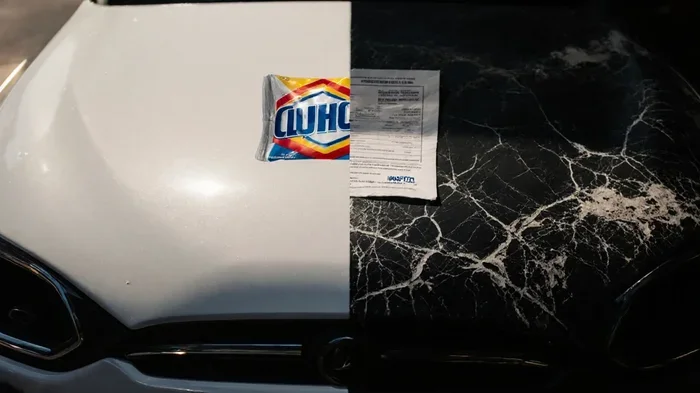
If you are thinking about wiping down the inside of your car doors or the painted areas, think again. Clorox wipes can strip away car wax and damage the paint finish. The chemicals are too harsh for automotive paint, even on interior panels.
Best Practices for Using Clorox Wipes in Your Car
If you decide to use Clorox wipes for quick cleanup jobs in your car, there are some best practices you should follow to minimize the risk of damage. These tips will help you get the cleaning power you need while protecting your car interior.
Always Patch Test First
Before you wipe down any visible area of your car, test the Clorox wipe on a hidden spot. Choose an area that is not easily seen, like under a seat or behind a console. Wait 24 hours and check for any discoloration, damage, or residue. If the spot looks fine, you are likely safe to use the wipe on that type of surface.
Wipe and Then Rinse
After using a Clorox wipe on a safe surface, follow up with a damp cloth to remove any chemical residue. This simple step prevents buildup and keeps your car surfaces looking their best. Dry the area thoroughly with a clean microfiber towel to avoid water spots.
Do Not Use Frequently
Clorox wipes should be an occasional cleaning tool, not your go-to for everyday car interior cleaning. Reserve them for spills, messes, and situations where you need quick disinfection. For routine cleaning, use products that are specifically formulated for car interiors.
Ventilate Your Car
Clorox wipes have a strong chemical smell. When you use them inside your car, open the windows or doors to let the fumes air out. This is especially important if you have children or pets in the car. Good ventilation also helps the surface dry faster and prevents residue from settling.
Use One Wipe Per Surface
Do not reuse the same Clorox wipe on multiple areas. Once a wipe picks up dirt and grime, it can spread bacteria and grime to other surfaces. Use a fresh wipe for each area of your car to get the best results and avoid cross-contamination.
Store Wipes Properly
Keep your Clorox wipes in a cool, dry place. Extreme heat, like what you find in a parked car during summer, can dry out the wipes and reduce their effectiveness. A glove box or center console is a good storage spot for keeping them ready for use.
Safer Alternatives to Clorox Wipes for Car Cleaning
If you are worried about using Clorox wipes in your car, there are plenty of safer alternatives designed specifically for automotive use. These products are formulated to clean effectively without damaging car interior materials.
Dedicated Car Interior Cleaners
Products like Chemical Guys Interior Cleaners, Meguiar’s Interior Detailer, and 303 Aerospace Protectant are made for car surfaces. They clean effectively while protecting leather, vinyl, and plastic from drying out or cracking. These products are pH-balanced for automotive use and leave a pleasant, long-lasting scent.
Microfiber Cloths and Water
For everyday cleaning, a damp microfiber cloth and water can handle most light messes. This is the safest and most affordable way to maintain your car interior. Microfiber cloths are gentle on all surfaces and do not leave behind lint or residue.
Baby Wipes
Unscented baby wipes are a gentler alternative to Clorox wipes for quick cleanup jobs. They do not contain the harsh chemicals found in disinfecting wipes, making them safer for most car interior surfaces. They work well for wiping down small spills and surface dirt.
Steam Cleaners
A handheld steam cleaner is an excellent investment for car owners who want a deep clean without chemicals. Steam kills bacteria and germs naturally and works well on fabric, leather, and hard surfaces. It is one of the best options for thorough car interior disinfectant cleaning without risking damage.
DIY Cleaning Solutions
You can make your own car interior cleaner using mild dish soap and water. Mix a few drops of gentle dish soap with warm water in a spray bottle. This solution is safe for most car surfaces and works well for routine cleaning. Just avoid using too much water near electronic components.
Expert Insights on Car Interior Cleaning
Professional detailers and automotive experts consistently advise against using household cleaning products on car interiors. Here is what the experts say about wiping down car surfaces and maintaining a clean, damage-free interior.
Most detailers recommend following the rule of thumb: if a product is not made for automotive use, think twice before using it in your car. Car manufacturers design interior materials to meet specific standards, and those materials need care products that respect those standards.
Expert detailers also emphasize the importance of reading product labels carefully. Even products marketed as “safe for all surfaces” can cause issues if used improperly. When in doubt, stick with products made by reputable car care brands that specialize in automotive cleaning.
Another expert tip is to clean spills as soon as possible. The longer a spill sits on your car interior, the harder it becomes to remove and the more damage it can cause. Keeping a small cleaning kit in your car with microfiber cloths, a gentle cleaner, and a few baby wipes can help you handle messes quickly and safely.
Quick Tips for a Clean Car Interior
- Vacuum your car regularly to remove dirt and debris from seats and carpet.
- Keep a small spray bottle of diluted interior cleaner in your glove box.
- Use a sunshade to protect your dashboard from heat damage and fading.
- Wipe down surfaces weekly with a damp microfiber cloth to prevent buildup.
- Condition leather seats every few months to keep them soft and supple.
- Avoid eating in your car to minimize spills and crumbs.
- Keep a trash bag in your car and empty it daily to prevent stains and odors.
Conclusion
So, can you use Clorox wipes on a car interior without damage? The answer is yes, but only on certain surfaces and with proper precautions. Clorox wipes are safe for hard, sealed plastic, vinyl, glass, and metal surfaces when used occasionally and followed up with a rinse and dry. However, they should never be used on leather, unsealed plastic, touchscreens, fabric, or painted surfaces.
The key to protecting your car interior is knowing what materials you are working with and choosing the right cleaning products accordingly. Car interior cleaning does not have to be complicated, but it does require some thought and care. By following the tips in this guide, you can keep your car looking great and avoid costly damage from the wrong cleaning products.
When you are in doubt, reach for products made specifically for automotive use. Your car interior is a significant investment, and taking the time to clean it properly will pay off in the long run. Keep your car fresh, clean, and protected by choosing the right cleaning methods for every surface inside your vehicle.
Start today by checking what type of materials your car interior is made of. Once you know that, you can build a cleaning routine that keeps your car looking showroom-ready for years to come. A clean car is a happy car, and with the right approach, you can have both.