Can I Check My VIN Online Discover What Your VIN Reveals
Can I check my VIN online? Absolutely, and it is one of the smartest moves any car owner or buyer can make. A VIN lookup unlocks a treasure trove of information, from vehicle history and accident reports to manufacturer specs and recall alerts. Whether you are buying a used car or just curious about your current ride, this guide walks you through everything you need to know about online VIN checks in simple, easy-to-follow steps.
Have you ever wondered what those 17 characters on your car’s dashboard actually mean? Every vehicle on the road has a unique vehicle identification number, and it holds a wealth of information. The good news is that you do not need a mechanic or a dealership to access this data. You can check your VIN online and learn more about your car than you ever thought possible.
Whether you are a first-time car buyer, a seasoned shopper, or just someone who wants to know more about their current vehicle, this guide is for you. We will walk you through everything from how to find your VIN to what information a VIN decoder can pull up. No jargon, no fluff, just clear and practical advice you can use right away.
Can I check my VIN online? The short answer is yes. The longer answer is even more exciting. A quick online lookup can uncover your vehicle’s full history, including any accidents, title issues, or open recalls. It is one of the easiest and most powerful tools available to car owners and buyers today. Let us dive in and show you exactly how it works.
Key Takeaways
- You can check your VIN online for free or low cost: Multiple trusted websites offer instant VIN lookups with detailed results.
- A VIN reveals critical vehicle details: Including specs, ownership history, accident records, and open recalls.
- Free and paid VIN tools offer different levels of detail: Free checks cover basics, while paid reports provide deeper insights.
- Always verify the VIN before buying a used car: This simple step can save you thousands and protect you from fraud.
- Common mistakes can lead to inaccurate results: Always double-check the VIN number you enter and use reputable sources.
- VIN decoding is useful for current owners too: It helps you understand your vehicle’s features, maintenance needs, and safety ratings.
📑 Table of Contents
- What Is a VIN and Why Does It Matter?
- Can I Check My VIN Online for Free?
- What Information Can You Get from a VIN Lookup?
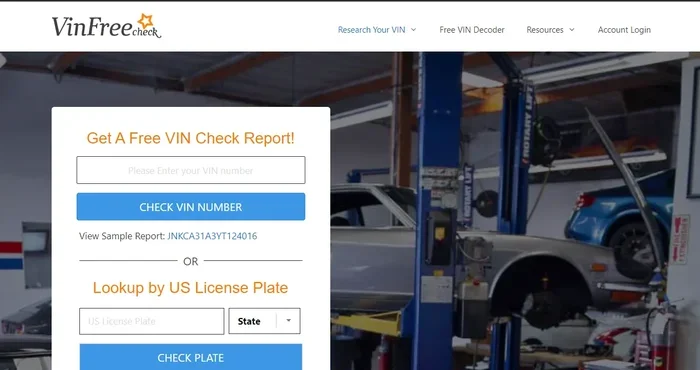
- How to Use a VIN Decoder Step by Step
- Why Checking Your VIN Matters Before Buying a Car
- Common Mistakes When Checking a VIN Online
- How VIN Checks Help Current Vehicle Owners
- The Role of VIN in Vehicle Safety and Recalls
- Expert Insights: Getting the Most from Your VIN Check
- Key Takeaways
- Conclusion
What Is a VIN and Why Does It Matter?
A vehicle identification number is a unique 17-character code assigned to every car, truck, and SUV manufactured since 1981. Think of it as your vehicle’s fingerprint. No two vehicles in operation share the same VIN. This code contains details about the manufacturer, model year, assembly plant, and specific features of the vehicle.
Your VIN matters because it serves as the key to your vehicle’s history. When you run a VIN lookup, you tap into databases that track everything from ownership changes to collision reports. This information is invaluable whether you are selling a car, buying one, or simply staying informed about your own vehicle.
The 17 Characters of Your VIN
Each section of your VIN tells a specific story. The first three characters identify the world manufacturer identifier, which tells you the country of origin and the automaker. Characters four through eight describe the vehicle attributes, such as the engine type, trim level, and body style. The ninth character is a check digit that verifies the VIN’s authenticity. The tenth character shows the model year, and the eleventh identifies the assembly plant. The final six characters form the unique serial number for that specific vehicle.
Where to Find Your VIN
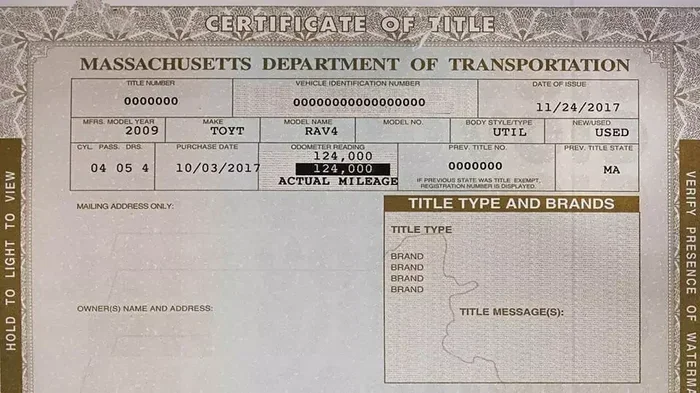
Finding your VIN is simple. You can look through the lower corner of the driver’s side dashboard where it meets the windshield. Many vehicles also display the VIN on a sticker inside the driver’s door frame. You will also find it on your vehicle title, registration card, and insurance documents. For motorcycles, the VIN is typically stamped on the steering neck or near the engine block.
Can I Check My VIN Online for Free?
The short answer is yes. Several reputable websites allow you to perform a free VIN check in seconds. These tools pull data from government databases, insurance records, and manufacturer archives to give you a snapshot of your vehicle’s background. While free checks may not include every detail, they provide a solid starting point for anyone curious about their car.
Free VIN Check Options
Many government and nonprofit resources offer free VIN lookups. The National Highway Traffic Safety Administration (NHTSA) provides a free recall lookup tool that uses your VIN to show any outstanding safety recalls. The National Insurance Crime Bureau (NICB) offers a free VIN check that flags whether a vehicle has been reported stolen or listed as a salvage vehicle. These tools are excellent starting points and cost you nothing.
Some auto retailer websites also offer free basic VIN reports. These typically include the vehicle’s year, make, model, engine size, and a summary of any major title brands. While the free version is limited, it gives you quick and useful information without spending a dime.
Paid VIN Lookup Services
If you want a deeper dive, paid vehicle history report services are worth considering. Platforms like Carfax and AutoCheck provide comprehensive reports that include ownership history, service records, mileage readings, accident reports, and title information. These reports typically cost between 25 and 50 dollars per report, which is a small price to pay compared to the potential cost of buying a vehicle with hidden problems.
Some paid services also offer package deals. For example, you can purchase a multi-report bundle if you are shopping for several vehicles. This saves money and gives you more confidence in your purchasing decision. Always compare the features of different paid services before you buy, as the depth of information can vary significantly between providers.
What Information Can You Get from a VIN Lookup?
A VIN decoder can pull a surprising amount of information about any vehicle. The exact details depend on the service you use and whether you choose a free or paid report. Here is a breakdown of what you can typically expect to find.
Vehicle Specifications and Features
One of the most immediate benefits of a VIN lookup is accessing detailed vehicle specifications. You can learn the exact engine type, transmission style, fuel type, and drivetrain configuration. The report will also show the trim level, body style, and factory-installed options such as leather seats, navigation systems, or safety packages. This information is incredibly helpful when you are trying to verify a vehicle’s advertised features match its actual configuration.
For example, if a seller claims a vehicle has a sunroof and leather interior, a VIN check can confirm or deny those claims. This alone can save you from misrepresentation and help you negotiate a fair price. Knowing the exact trim level details also helps you understand the vehicle’s market value more accurately.
Accident and Damage History
Perhaps the most valuable piece of information a vehicle history report provides is the accident history. Many reports include records of reported collisions, structural damage, airbag deployments, and repair estimates. Some services even flag vehicles with frame damage or flood damage, which are serious red flags for any buyer.
Keep in mind that not all accidents are reported to insurance companies or databases. A clean report does not guarantee a problem-free vehicle, but it significantly reduces risk. If a report shows multiple accidents or severe damage, that is important information you need before making any purchase decision.
Title and Ownership Details
A VIN lookup also reveals critical information about the vehicle’s title status. You can find out whether the title is clean, salvage, rebuilt, or branded as a lemon law buyback. Ownership history shows how many previous owners the vehicle had and in which states it was registered. Frequent changes in ownership across many states can sometimes indicate a problem vehicle that was passed around quickly.
Salvage title vehicles have been declared a total loss by an insurance company. While these cars can be repaired and resold, they often carry hidden issues that are not always visible during a routine inspection. A car history check through your VIN helps you spot these situations early.
How to Use a VIN Decoder Step by Step
Using a VIN decoder is straightforward and takes only a few minutes. Follow these simple steps to get the most out of your online lookup.
- Locate your VIN. Check the dashboard, driver’s door frame, or your vehicle documents for the 17-character code.
- Choose a reputable lookup tool. Stick with well-known services like the NHTSA website, Carfax, AutoCheck, or your local DMV’s online portal.
- Enter the VIN exactly as shown. Double-check for typos or missing characters before submitting your search.
- Review the results carefully. Look at the specifications, history, and any flagged issues in the report.
- Verify any concerns with additional sources. If the report raises questions, consider getting a professional inspection or requesting service records from the seller.
Understanding the Results
Once you receive your VIN lookup results, take time to review them thoroughly. Start with the vehicle specifications to confirm the make, model, and year match what the seller told you. Then move to the history section and look for any red flags such as accidents, title brands, or odometer discrepancies.
If the report shows open recalls, visit the manufacturer’s website or the NHTSA site to see if the repairs have been completed. Some recalls are safety-related and should be addressed immediately. Even if a vehicle looks great on the outside, unresolved recalls can be a serious concern.
Why Checking Your VIN Matters Before Buying a Car
If you are in the market for a used vehicle, running a VIN check should be non-negotiable. It is one of the simplest and most effective ways to protect yourself from fraud, hidden damage, and costly surprises. A few minutes of online research can save you thousands of dollars and hours of headaches.
Red Flags to Watch For
When reviewing a vehicle history report, watch for these common warning signs. A salvage or rebuilt title is a major red flag that warrants further investigation. Odometer readings that seem inconsistent across multiple records could indicate rollback or tampering. Multiple owners in a short time frame might suggest recurring mechanical problems. And any record of flood damage should make you think twice before committing to a purchase.
Also pay attention to the number of reported accidents. A single minor fender bender is not necessarily a dealbreaker, but multiple collisions or any accident involving airbag deployment warrants caution. Use this information to negotiate the price or walk away if the risks are too high.
Protecting Yourself from Fraud
Vehicle fraud is more common than many people realize. Unscrupulous sellers may tamper with VIN plates, swap dashboards, or title wash vehicles to hide their history. A thorough VIN number check helps you verify the vehicle’s identity and ensures the VIN on the car matches the VIN on the title and registration documents.
Always compare the VIN on the physical vehicle with the VIN in the history report. If they do not match, walk away immediately. This simple step can protect you from buying a stolen vehicle or one with a fabricated history. Trust your instincts and use the data to back up your decisions.
Common Mistakes When Checking a VIN Online
Even though checking your VIN online is simple, mistakes can happen. Avoiding these common errors ensures you get accurate and useful results every time.
Tips to Avoid Errors
- Typos in the VIN. One wrong letter or number can lead to incorrect or no results. Always copy the VIN carefully and verify it before submitting.
- Using unreliable websites. Not all VIN lookup sites are created equal. Stick with well-known, reputable services to avoid inaccurate or outdated information.
- Ignoring the results. Some people run a VIN check and skim over the details. Take the time to read through every section of the report thoroughly.
- Relying solely on the VIN report. A history report is a powerful tool, but it should not replace a professional vehicle inspection. Use both for the best protection.
- Forgetting to check for recalls. Even if a vehicle has a clean history, open recalls can affect safety and value. Always check the NHTSA recall database with your VIN.
Another mistake people make is assuming that a free VIN check covers everything. Free tools are great for quick lookups and recall checks, but they usually do not provide the full picture. If you are making a significant purchase, investing in a paid vehicle history report is a smart decision.
How VIN Checks Help Current Vehicle Owners
You do not need to be buying a car to benefit from a VIN lookup. Current owners can use this tool in several practical ways. Running a VIN decoder helps you understand exactly what features and options your vehicle came with from the factory. This is especially useful when you are shopping for parts, planning maintenance, or trying to verify warranty coverage.
Checking for open recalls is another valuable use for current owners. Manufacturers issue recalls regularly, and some go unfixed for years. A quick VIN check can reveal any outstanding recalls that you may not have received notice about. Addressing these recalls promptly keeps your vehicle safe and maintains its resale value.
You can also use a VIN lookup to verify your vehicle’s market value when it is time to sell or trade in. Knowing the exact specifications, history, and condition details helps you set a fair asking price and negotiate confidently with buyers or dealers.
The Role of VIN in Vehicle Safety and Recalls
Vehicle safety is a top priority for every driver, and your VIN plays a central role in keeping you informed. When manufacturers issue recalls, they identify affected vehicles by their VIN. This means that your specific car may be subject to a recall even if the same model year has not been recalled. The VIN narrows the recall down to the exact production run and configuration.
The NHTSA maintains a comprehensive database where you can search by VIN to see all recalls for your specific vehicle. This is a free service available to everyone, and it takes only a few seconds to use. If your vehicle has an open recall, contact your local dealer to schedule the repair. Most recall repairs are performed at no cost to the owner.
Beyond recalls, VIN-based lookups also provide vehicle safety ratings from the Insurance Institute for Highway Safety (IIHS) and other organizations. These ratings help you understand how your vehicle performs in various crash scenarios and where it excels or falls short in safety design.
Expert Insights: Getting the Most from Your VIN Check
Automotive experts consistently recommend that buyers and owners make VIN checks a regular habit. According to industry professionals, the best approach is to run a VIN lookup before every purchase, regardless of whether the vehicle is being sold by a dealer or a private party. Dealers should also provide a vehicle history report upfront, and you have every right to request one if they do not.
Experts also suggest combining a VIN check with a pre-purchase inspection from a trusted mechanic. The history report tells you about the past, while the inspection reveals the current mechanical and physical condition. Together, these two tools give you the most complete picture possible before committing to a purchase.
Another pro tip is to keep your own VIN records organized. Save copies of your vehicle history reports, recall notices, and service records in a safe place. This personal archive can be incredibly valuable when you decide to sell, trade in, or simply want to stay on top of your vehicle’s maintenance needs.
Key Takeaways
- You can check your VIN online for free or low cost: Multiple trusted websites offer instant VIN lookups with detailed results.
- A VIN reveals critical vehicle details: Including specs, ownership history, accident records, and open recalls.
- Free and paid VIN tools offer different levels of detail: Free checks cover basics, while paid reports provide deeper insights.
- Always verify the VIN before buying a used car: This simple step can save you thousands and protect you from fraud.
- Common mistakes can lead to inaccurate results: Always double-check the VIN number you enter and use reputable sources.
- VIN decoding is useful for current owners too: It helps you understand your vehicle’s features, maintenance needs, and safety ratings.
Conclusion
The answer to can I check my VIN online is a resounding yes. A VIN lookup is one of the most accessible and powerful tools available to anyone connected to the internet. Whether you are buying a used car, selling your current vehicle, or simply staying informed about your own ride, running a VIN check gives you the knowledge and confidence to make better decisions.
From uncovering accident history and title issues to verifying factory specs and catching open recalls, the information a vehicle identification number reveals is remarkable. The process is quick, often free, and requires nothing more than a few minutes of your time. With the right tools and a careful approach, you can protect yourself from fraud, avoid costly mistakes, and drive with greater peace of mind.
So go ahead, grab your VIN, and run a lookup today. It is one of the best investments you can make for your vehicle and your wallet. Knowledge is power, and in the world of car ownership, it can save you a lot of money and stress.
Frequently Asked Questions
Is it safe to check my VIN online?
Yes, checking your VIN online is completely safe when you use reputable and trusted websites. Government sites like NHTSA and NICB are secure, and well-known services like Carfax protect your personal information. Always avoid unknown or suspicious websites that ask for unnecessary personal details beyond the VIN itself.
Can I check someone else’s VIN without their permission?
You can look up a VIN publicly available on a vehicle, but accessing detailed history reports for a vehicle you do not own or intend to purchase may raise privacy concerns. Most VIN lookup services are designed for buyers and owners who have a legitimate interest in the vehicle’s history.
How much does a VIN check cost?
Many basic VIN checks are completely free through government databases and some retailer websites. Comprehensive vehicle history reports from services like Carfax or AutoCheck typically cost between 25 and 50 dollars per report. Some services offer discounts for multiple reports if you are shopping for more than one vehicle.
What does a salvage title mean on a VIN report?
A salvage title means the vehicle was declared a total loss by an insurance company, usually due to severe damage from an accident, flood, or theft recovery. While a salvage vehicle can be repaired and re-titled, it often carries hidden issues that may not be visible during a standard inspection. Always get a professional inspection before considering a salvage title vehicle.
Can a VIN check reveal odometer rollback?
Yes, a thorough vehicle history report can often detect odometer inconsistencies by comparing mileage readings across different service records and ownership changes. If the odometer readings do not align chronologically, it could indicate rollback or tampering. This is one of the most valuable pieces of information a VIN check provides to used car buyers.
How often should I check my VIN for recalls?
It is a good practice to check your VIN for open recalls at least twice a year. Manufacturers issue recalls throughout the year, and new recalls are added regularly. You can also sign up for recall alerts from the NHTSA website using your VIN to receive automatic notifications whenever a new recall affects your specific vehicle.