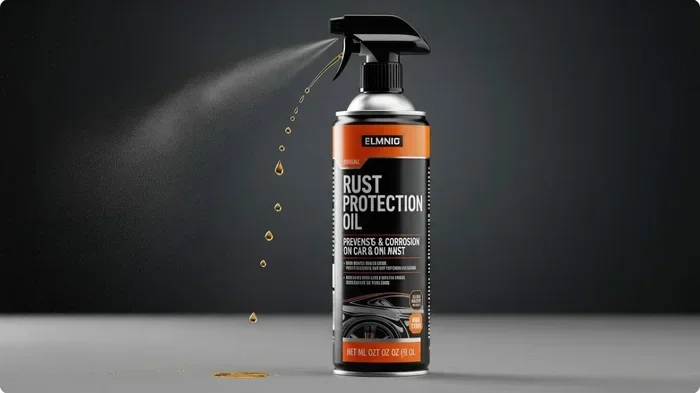
Best Anti Rust for Car Products to Prevent Rust Damage
Protecting your vehicle starts with finding the right anti rust for car solution. Rust can destroy a car’s body, frame, and structural integrity if left untreated, leading to costly repairs. In this guide, we break down the top-rated anti rust products, explain how rust forms, and share proven prevention strategies every car owner should know. Whether you live near the coast or face harsh winters, these tips will help you keep your car looking great and running strong.
Every car owner dreads the sight of rust. That orange-brown patch on your fender or undercarriage is more than a cosmetic flaw. It’s a sign that corrosion is eating away at your vehicle’s metal. The good news? A quality anti rust for car product can stop the damage in its tracks and keep your ride looking sharp for years.
Rust doesn’t just appear overnight. It builds up slowly from small scratches, chips, and exposure to moisture, road salt, and other elements. By the time you notice it, the damage may already be significant. That’s why prevention matters so much. The right rust protection for vehicles creates a barrier between your car’s metal surface and the environment. It seals out moisture, blocks salt, and stops corrosion before it starts.
In this guide, we’ll walk you through everything you need to know about anti rust for car solutions. We’ll cover the best products on the market, how to apply them, common mistakes to avoid, and expert tips for long-term corrosion protection. Whether you’re dealing with early-stage rust or want to prevent it altogether, this article has you covered.
Key Takeaways
- Rust is a silent killer: Left untreated, car corrosion spreads fast and can compromise safety and resale value.
- The right anti rust for car product makes a huge difference: Sprays, coatings, and undercoating solutions each offer unique benefits depending on your climate and driving conditions.
- Prevention beats repair: Regular washing, waxing, and applying rust inhibitors early saves thousands in body shop bills.
- DIY application works for most products: You don’t need a mechanic to apply quality rust protection — just the right tools and a weekend.
- Climate matters: Cars in coastal areas or snowy regions face higher rust risks and need more aggressive protection strategies.
- Not all products are equal: Some anti rust sprays form a permanent barrier, while others need reapplication. Knowing the difference helps you choose wisely.
📑 Table of Contents
Why Rust Forms on Cars
Understanding how rust develops helps you fight it more effectively. Rust is not just dirt or surface staining. It’s a chemical reaction called oxidation. When iron or steel — the metals used in most car bodies — comes into contact with oxygen and water, a reaction occurs. This reaction produces iron oxide, which we know as rust.
The Role of Moisture and Salt
Moisture is the number one enemy of your car’s metal. Every time you wash your car, drive through puddles, or face morning dew, your vehicle’s surface picks up water. When that water sits on the metal, it starts the oxidation process. The problem gets worse in winter. Road salt accelerates car rust proofing challenges because salt lowers the freezing point of water and keeps it in contact with the metal longer. Salt also acts as a catalyst, speeding up the chemical reaction that causes rust.
Vulnerable Areas on Your Vehicle
Not every part of your car rusts at the same rate. Some areas are more exposed to moisture, salt, and debris. These include:
- Wheel wells and fenders: They collect road grime and standing water.
- Undercarriage and frame: Direct contact with road salt and gravel makes these areas prime targets for undercarriage rust.
- Door bottoms and rocker panels: These areas trap moisture and are often overlooked during regular cleaning.
- Bumpers and trim edges: Small chips and scratches here expose bare metal to the elements.
- Exhaust system and muffler: Constant exposure to heat, moisture, and road salt causes rapid metal corrosion in these components.
Climate and Environmental Factors
Where you live plays a big role in how quickly rust develops. Coastal drivers face a double threat: salt air from the ocean and higher humidity. Cars in northern states deal with road salt during winter months. Even cars in dry climates aren’t immune. Humidity alone can trigger oxidation, especially if the paint is already chipped or worn. Understanding your environment helps you choose the right rust inhibitor spray and protection strategy.
Best Anti Rust for Car Products
The market is packed with rust prevention products for cars. But not all of them work the same way. Some create a protective coating on the surface. Others penetrate the metal and stop corrosion from within. Let’s look at the top-rated options that deliver real results.
Rust Sprays and Coatings
Rust sprays are the most popular choice among car owners. They’re easy to apply, affordable, and effective. You spray them directly onto clean, dry metal surfaces. The product forms a thin film that blocks moisture and oxygen from reaching the metal. Here are some standout options:
- Rust-Oleum 320231 Rust Reformer: This product transforms existing rust into a paintable surface. It works well on small rust spots and prevents further spread. Many car owners use it as a first step before applying a topcoat.
- Fluid Film L160 Lanolin-Based Protectant: Fluid Film uses lanolin, a natural wax, to create a long-lasting barrier. It’s a favorite among those who want a non-drying formula that continues to protect even in hard-to-reach areas.
- CRC White Lithium Grease Spray: This spray provides excellent corrosion protection for metal surfaces. It’s great for undercarriage applications and moving parts like hinges and latches.
Undercoating and Drip-Free Products
Undercoating is a thicker application that coats the underside of your vehicle. It’s especially valuable for frame rust protection and undercarriage coverage. Unlike drip sprays, undercoating products are designed to stay in place and provide a durable shield against road debris, salt, and moisture.
- Eastwood 16035 Rust Encapsulator: This encapsulator bonds to rusted surfaces and creates a stable, protective layer. It stops active rust and prevents new corrosion from forming.
- POR-15 Rust Preventive Coating: POR-15 is a heavy-duty option that forms a permanent bond with metal. It’s one of the most respected names in the car rust proofing world and is used by professionals and DIYers alike.
Electronic and Magnetic Rust Inhibitors
Some newer products use electronic or magnetic technology to prevent rust. These devices attach to your car and emit a signal that disrupts the oxidation process. While they sound futuristic, results vary. Some car owners report good outcomes, while others see little difference. If you’re considering an electronic rust inhibitor, look for products with solid customer reviews and a money-back guarantee.
How to Apply Anti Rust Treatment
Applying anti rust for car products correctly makes all the difference. A poor application wastes product and leaves your vehicle vulnerable. Follow these steps for the best results.
Step-by-Step Application Process
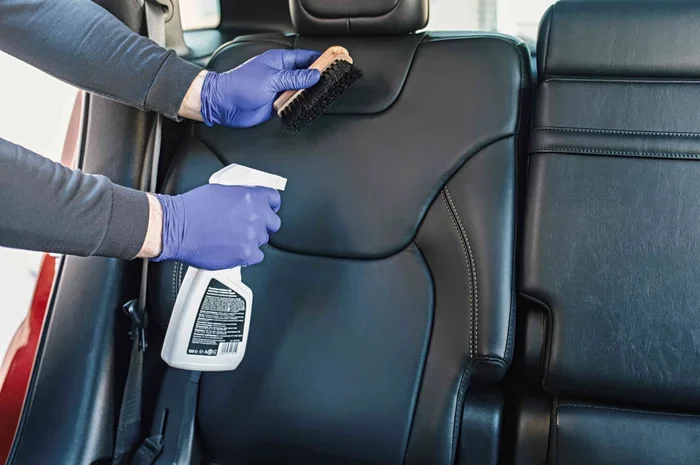
- Clean the surface thoroughly: Wash the area with soap and water. Remove any dirt, grease, or loose rust. Use a wire brush or sandpaper for stubborn rust spots.
- Dry the surface completely: Moisture trapped under the product will cause more rust, not less. Use a clean cloth or let the surface air dry fully.
- Sand and prep the area: For existing rust, sand down to bare metal. Wipe the area with a solvent like mineral spirits to remove oils and dust.
- Apply the product evenly: Hold the spray can 6 to 8 inches from the surface. Apply thin, even coats. Let each coat dry before adding the next.
- Allow proper cure time: Most products need 24 to 48 hours to fully cure. Check the label for specific instructions.
- Reapply as needed: Some products need annual reapplication. Check the manufacturer’s recommendations for maintenance schedules.
Tips for Undercarriage Application
Applying rust protection spray to the undercarriage requires some extra care. You need access to the underside of the vehicle, so a jack and jack stands or a ramp are essential. Here are some tips:
- Work on a warm, dry day. Cold or wet conditions prevent proper adhesion.
- Use a spray extension wand to reach tight spots on the frame and suspension.
- Focus on areas where road salt and debris collect most. The wheel wells, frame rails, and suspension components need the most attention.
- Don’t spray brake lines, exhaust, or hot components. The chemicals can damage these parts.
DIY vs Professional Rust Protection
One of the biggest decisions car owners face is whether to handle anti rust for car treatment themselves or hire a professional. Both approaches have pros and cons.
When to Go DIY
DIY rust protection works well for most car owners. The products are affordable, easy to find, and simple to apply for basic coverage. You save money on labor costs and can work at your own pace. DIY is ideal for:
- Surface-level rust prevention on paint and exposed metal
- Small rust spots that need spot treatment
- Seasonal undercarriage spraying before winter
- Cars with minor rust damage that haven’t spread to structural components
When to Hire a Professional
Professional rust protection services are worth the investment in certain situations. If your car has extensive frame rust or structural corrosion, a professional has the tools and expertise to address it properly. Consider hiring a pro when:
- The rust has penetrated through to the interior of panels or the frame
- You need全面的 undercoating or cavity wax treatment
- Your vehicle is a classic or collectible that needs meticulous care
- You’ve tried DIY methods and the rust keeps coming back
Cost Comparison
DIY rust protection products typically cost between $15 and $80 per can. A full undercarriage treatment with a quality spray might run you $50 to $150 in materials. Professional rust protection services range from $150 to $500 or more, depending on the extent of the work. While professional services cost more upfront, they often provide longer-lasting results for severe rust issues.
Common Mistakes to Avoid
Even with the best rust inhibitor spray, mistakes can undermine your efforts. Here are the most common errors car owners make when treating and preventing rust.
Skipping Surface Preparation
The biggest mistake is applying anti rust products to a dirty or rusty surface without proper prep. If you don’t clean and sand the area first, the product won’t adhere properly. It will peel off or fail to stop the corrosion underneath. Always take the time to prep the surface thoroughly before spraying.
Applying Too Thick a Coat
More product doesn’t mean better protection. Thick coats can drip, crack, and peel. They also take longer to dry and may trap moisture underneath. Apply thin, even coats and let each layer dry completely before adding the next.
Ignoring Small Rust Spots
A tiny rust spot might seem harmless. But left untreated, it will spread. Rust doesn’t stay in one place. It eats through the metal and expands outward. Address small rust spots immediately with a rust converter or spot treatment spray. This simple habit saves you from major repairs later.
Neglecting Regular Maintenance
Applying anti rust for car treatment once isn’t enough. Protection wears off over time, especially with exposure to road salt, dirt, and weather. Reapply products according to the manufacturer’s schedule. Wash your car regularly to remove salt and grime that accelerate corrosion.
Expert Tips for Long-Term Rust Prevention
Stopping rust is an ongoing process. The best anti rust for car strategy combines the right products with smart habits. Here are expert-backed tips to keep your vehicle corrosion-free for the long haul.
Wash Your Car Regularly
This sounds simple, but it’s one of the most effective rust prevention strategies. Road salt, bird droppings, tree sap, and brake dust all eat away at your car’s protective clear coat. Wash your car every two weeks during winter months. Pay special attention to the undercarriage. Many car washes offer undercarriage rinse services for a small fee.
Wax and Sealant Layers
A good coat of wax adds an extra layer of protection between your car’s paint and the environment. Use a quality car wax or ceramic sealant every three to four months. These products fill in micro-scratches and create a hydrophobic barrier that repels water and salt.
Address Paint Chips Immediately
Every chip and scratch is an open door for rust. Keep touch-up paint in your garage and apply it to any chips as soon as you notice them. A small bottle of touch-up paint costs just a few dollars and can save you hundreds in rust repair costs.
Use Silica Gel or Desiccant Packs
If you store your car for extended periods, moisture can build up inside the cabin and trunk. Place silica gel packs or desiccant bags in enclosed spaces to absorb excess moisture. This simple step reduces the risk of interior rust and musty odors.
Invest in Quality Floor Mats
Rubber floor mats protect your car’s carpet and metal floor pan from moisture. Snow, rain, and spills stay on the mat instead of soaking into the carpet and reaching the metal below. All-weather mats are especially valuable for winter driving.
Comparison of Top Anti Rust Products
Choosing the right product can feel overwhelming with so many options available. Here’s a quick comparison of the top rust protection for vehicles products we recommend.
- Fluid Film L160: Lanolin-based, non-drying formula. Best for undercarriage and hard-to-reach areas. Long-lasting protection. Affordable at around $20 per quart.
- Rust-Oleum 320231: Rust reformer that converts existing rust. Great for spot treatment. Easy spray-on application. Budget-friendly option.
- Eastwood Rust Encapsulator: Bonds to rusted surfaces and stops active corrosion. Works as a primer or topcoat. Slightly higher price point but excellent durability.
- CRC White Lithium Grease: Multi-purpose grease with strong corrosion protection. Ideal for metal-to-metal contact points. Easy spray application.
- POR-15 Rust Preventive Coating: Permanent bond with metal. Professional-grade protection. Best for severe rust areas and long-term prevention.
Each of these products serves a different purpose. For general prevention, Fluid Film and Rust-Oleum are excellent starting points. For existing rust damage, Eastwood and POR-15 deliver powerful results. Choose based on your specific needs, budget, and the condition of your vehicle.
Frequently Asked Questions
How often should I apply anti rust treatment to my car?
Most anti rust for car products need reapplication every 6 to 12 months. Products like Fluid Film and POR-15 last longer and may only need annual treatment. If you live in a harsh climate with heavy road salt use, consider reapplying every six months for maximum rust prevention.
Can I remove rust myself, or do I need a professional?
Small surface rust spots can usually be treated at home with a rust remover or converter. Sand the rusted area, apply the product, and follow up with a protective coating. For deep rust that has eaten through metal panels or affected the frame, professional help is recommended. Structural rust compromises safety and should be handled by a qualified technician.
Is undercoating worth the investment for rust protection?
Yes, undercoating is one of the most effective ways to protect your car’s undercarriage. It shields the frame, suspension components, and floor pan from road salt, moisture, and debris. If you live in a snowy or coastal area, undercoating is especially valuable. It’s a proactive step that pays off by preventing expensive undercarriage rust repairs down the road.
What’s the difference between a rust inhibitor and a rust converter?
A rust inhibitor prevents rust from forming by creating a barrier between the metal and moisture. A rust converter chemically transforms existing rust into a stable, paintable surface. You use converters on active rust spots and inhibitors on clean metal to prevent future corrosion. Many car owners use both products together for comprehensive metal corrosion protection.
Do electronic rust inhibitors really work?
Electronic rust inhibitors are a newer technology that claims to disrupt the oxidation process using electrical signals. Results are mixed. Some car owners report positive outcomes, while others see no noticeable difference. These devices work best as a supplement to traditional anti rust for car products, not as a replacement. Always look for products with a satisfaction guarantee so you can test them risk-free.
What causes rust to spread so quickly on some cars?
Rust spreads faster when the protective paint or coating is damaged. Moisture, salt, and oxygen reach the bare metal and trigger oxidation. Cars that aren’t washed regularly or that sit in damp conditions are more prone to rapid rust spread. Additionally, certain metals and alloys corrode faster than others. Steel frames and panels are especially vulnerable, which is why car rust proofing treatments are so important for long-term vehicle health.
Conclusion
Taking care of your car’s anti rust for car needs is one of the smartest investments you can make. Rust doesn’t just affect how your car looks. It weakens the structure, reduces safety, and drops resale value. With the right products and a consistent maintenance routine, you can keep your vehicle looking great and running strong for years to come.
Start by choosing a quality rust protection for vehicles product that fits your needs and budget. Whether you go with a spray, coating, or undercoating, the key is to act now before small problems become big ones. Apply the treatment correctly, maintain it regularly, and stay on top of any new rust spots that appear.
Remember, prevention is always easier and cheaper than repair. A few minutes of care each month can save you thousands of dollars in body shop bills. Keep your car clean, protected, and rust-free. Your vehicle will thank you for it every time you hit the road.