Should You Start a Forklift in Neutral Before Driving
Starting a forklift in neutral is a critical safety step that every operator should follow. This guide explains why putting your forklift in neutral before ignition protects you and your workplace. You will learn the correct startup procedure, common mistakes, and expert-backed safety tips that every forklift operator needs to know.
Every forklift operator knows the feeling. You hop into the cab, ready to start your shift, and you need to get moving fast. But here is the question that saves lives and equipment: should you start a forklift in neutral before driving? The short answer is yes. The long answer is even more important, and it could change how you operate every single day.
Forklift safety is not just a rulebook. It is a mindset. And one of the simplest yet most overlooked parts of forklift operation is the startup procedure. Whether you drive a counterbalance forklift, a reach truck, or a pallet jack, how you start your machine matters. Starting in the wrong gear can lead to sudden lurches, costly damage, and serious workplace injuries.
In this article, we will break down everything you need to know about starting your forklift correctly. We will cover the proper startup steps, why neutral position is so important, common mistakes operators make, and expert tips to keep you safe on the job. By the end, you will have a clear understanding of forklift startup procedure that you can apply immediately.
Key Takeaways
- Always start a forklift in neutral: This prevents unexpected movement and keeps you safe during startup.
- Neutral position protects your engine: Starting in neutral reduces strain on the transmission and drivetrain.
- Follow OSHA safety guidelines: Proper startup procedures are part of workplace safety regulations and forklift training requirements.
- Common mistakes can be costly: Starting in gear can cause damage, injuries, and expensive repairs.
- Electric and combustion forklifts differ: Each type has its own startup sequence that operators must understand.
- Pre-operation inspection matters: A quick check before starting can prevent accidents and equipment failures.
📑 Table of Contents
Why Starting a Forklift in Neutral Matters
Starting a forklift in neutral is the first line of defense against accidents. When you turn the key or press the start button with the transmission in gear, the machine can lurch forward or backward unexpectedly. This is dangerous for you and everyone around you.
The Physics of Forklift Movement
Forklifts are powerful machines. Even at idle speed, they can cause significant damage. When the engine starts while in gear, power goes straight to the wheels. If your forklift is not stationary, or if the parking brake is not engaged, you have a serious problem on your hands.
Think about it. You are sitting in a heavy machine that can weigh several tons. That machine has hydraulic systems lifting heavy loads. Now imagine starting it while it is in drive. The sudden surge of power could send it forward without warning. This is exactly the kind of scenario that causes forklift accidents in warehouses and construction sites.
Engine and Transmission Protection
Beyond safety, starting in neutral protects your forklift’s mechanical components. The transmission, drivetrain, and clutch system all benefit from a neutral startup. When you start in gear, you put unnecessary stress on these parts. Over time, this stress leads to premature wear and expensive repairs.
Proper forklift maintenance starts with how you turn the key. A small habit like starting in neutral can extend the life of your equipment by years. It also reduces the chance of unexpected breakdowns during your shift.
The Correct Forklift Startup Procedure
Every forklift operator should follow a standardized startup procedure. This is not just good practice. It is often required by workplace safety regulations and OSHA guidelines. Let us walk through the steps you should take every time you start your forklift.
Step-by-Step Startup Guide
Follow these steps in order every time you start your forklift:
- Conduct a pre-operation inspection. Walk around the forklift. Check the tires, forks, hydraulic hoses, and overhead guard. Look for any visible damage or fluid leaks.
- Seat yourself properly. Adjust the seatbelt and make sure you are seated comfortably with full control of all pedals and levers.
- Depress the brake pedal. This is a safety requirement on most forklifts. The brake must be pressed before you can start the engine.
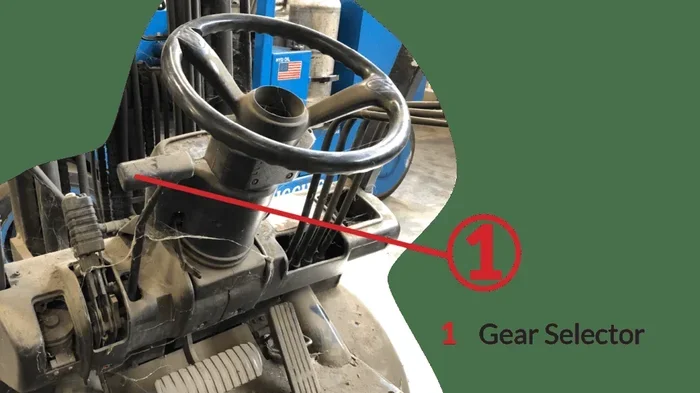
- Shift the gear lever to neutral. This is the most important step. Make sure the transmission is fully in neutral before you turn the ignition.
- Start the engine. Turn the key or press the start button. Listen for any unusual sounds. The engine should start smoothly and idling steadily.
- Check the dashboard indicators. Make sure all warning lights are functioning. Check the oil pressure, battery voltage, and any error codes on the display.
- Release the parking brake only when ready. Do not release the parking brake until you are ready to move and have checked your surroundings.
Electric vs. Combustion Forklift Startup
Not all forklifts are the same. Electric forklifts and combustion engine forklifts have different startup procedures. Understanding these differences is essential for safe forklift operation.
Electric forklifts typically have a simpler startup process. You press a button or turn a key while in neutral. The main concern with electric forklifts is the battery. Make sure your battery is charged before starting. A low battery can cause the forklift to lose power unexpectedly during operation.
Combustion forklifts, on the other hand, require fuel and proper engine warm-up. After starting in neutral, let the engine idle for a few minutes. This allows the oil to circulate and the engine to reach the right operating temperature. Skipping this step can cause long-term engine damage.
| Feature | Electric Forklift | Combustion Forklift |
|---|---|---|
| Startup Method | Press button or turn key | Turn ignition key |
| Neutral Required | Yes | Yes |
| Warm-Up Time | None needed | 2-3 minutes |
| Battery/Fuel Check | Check battery charge | Check fuel level |
| Emission Concerns | None | Ventilation required indoors |
| Maintenance Focus | Battery and charger | Engine, oil, and exhaust |
Common Mistakes When Starting a Forklift
Even experienced operators make mistakes. The difference is that experienced operators learn from them. Here are the most common errors people make when starting a forklift, and how to avoid them.
Starting in Gear Instead of Neutral
This is the biggest mistake. Some operators rush through the startup process and forget to shift into neutral. The result can be a forklift that lurches forward the moment the engine starts. This is not just a safety hazard. It can damage the transmission and wear out your tires prematurely.
Always double-check that your gear lever is in neutral before starting. Make it a habit. Count it as step one every single time, no matter how many times you have started that forklift today.
Skipping the Pre-Operation Inspection
Many operators skip the walk-around inspection because they are in a hurry. This is a dangerous habit. A pre-operation inspection catches problems before they become serious. You might notice a cracked fork, a low tire, or a hydraulic leak. These issues are much easier to address before you start driving.
OSHA requires operators to perform a pre-operation inspection before every shift. This is not optional. It is a legal requirement that protects you and your coworkers.
Ignoring the Parking Brake
Some operators start the forklift without engaging the parking brake. Even in neutral, a forklift can roll if it is on a slope. Always set the parking brake before starting the engine. Release it only when you are ready to move and have checked for obstacles.
Not Checking the Surroundings Before Moving
After you start the forklift in neutral, do not immediately shift into drive. Take a moment to look around. Check your mirrors. Listen for pedestrians or other equipment. Make sure your path is clear before you move. This simple habit prevents countless accidents in busy warehouses and loading docks.
Forklift Safety Best Practices for Operators
Starting your forklift correctly is just the beginning. Safe forklift operation requires constant awareness and discipline. Here are some best practices every operator should follow.
Wear Your Seatbelt
This might sound obvious, but seatbelt compliance is one of the lowest areas of forklift safety. In the event of a tip-over, your seatbelt is the only thing keeping you inside the operator cage. Always buckle up before you start the engine.
Keep Your Load Low and Stable
When driving, keep your forks as low as possible. A high load raises the center of gravity and makes the forklift unstable. This is especially dangerous on slopes and turns. A low load gives you better balance and control.
Follow Speed Limits
Forklifts are not race cars. They are industrial tools designed for moving heavy loads safely. Follow the speed limits in your workplace. Slow down on turns, slopes, and in areas with heavy pedestrian traffic. A forklift can tip over at high speeds, especially when carrying a load.
Maintain Clear Visibility
Always drive with clear visibility. If your load blocks your view, travel in reverse. Use your horn at intersections and blind corners. Good visibility is one of the simplest ways to prevent forklift accidents.
Know Your Equipment
Every forklift is different. Before operating a new machine, familiarize yourself with its controls, limits, and features. Read the operator manual. Ask questions during your forklift training. The more you know about your equipment, the safer you will be.
Keep the Area Clean and Organized
A cluttered workspace is a hazard. Keep aisles clear of debris, spills, and obstacles. Good housekeeping reduces the risk of collisions, tip-overs, and other workplace safety incidents. Take pride in keeping your operating area clean.
Expert Insights on Forklift Startup Procedures
We spoke with experienced forklift trainers and safety professionals to get their insights on proper startup procedures. Here is what they had to say.
Consistency is everything. One trainer shared that the best operators follow the same startup routine every single time. They do not skip steps, even when they are tired or in a rush. This consistency builds muscle memory and reduces the chance of errors.
Another expert emphasized the importance of forklift training for new operators. “The startup procedure is the first thing we teach,” she said. “If a new operator learns to start in neutral from day one, it becomes second nature. That habit protects them for their entire career.”
Safety professionals also point out that starting in neutral is just one part of a broader safety culture. Regular equipment inspection, ongoing training, and a commitment to forklift accident prevention all work together to create a safer workplace.
One veteran operator put it simply: “I have been driving forklifts for 20 years. I still check neutral before every start. It is not about experience. It is about respect for the machine and the people around you.”
Quick Tips for Starting Your Forklift Safely
Here are some quick tips you can use right away to improve your forklift startup routine:
- Make neutral your default position. Always assume the gear lever is in neutral until you confirm otherwise.
- Set a mental checklist. Go through the same steps in the same order every time. Consistency saves lives.
- Never bypass safety interlocks. Modern forklifts have safety features that prevent startup in gear. Do not try to override them.
- Keep the key fob on your person. This prevents unauthorized use and ensures you have full control of the machine.
- Report any startup issues immediately. If your forklift does not start properly or makes unusual noises, report it to your supervisor before operating it.
- Stay calm and focused. Rushing through startup is the root cause of many avoidable mistakes. Take your time.
Conclusion
The answer to the question should you start a forklift in neutral before driving is a clear and definitive yes. Starting in neutral is a simple habit that protects your safety, your equipment, and your coworkers. It is the foundation of proper forklift operation and a key part of every forklift startup procedure.
By following the correct startup steps, avoiding common mistakes, and staying committed to forklift safety, you create a safer and more efficient workplace. Every operator, from beginners to seasoned professionals, should make neutral the starting point of every shift.
Take these lessons and apply them tomorrow morning. Check your gear lever. Engage your parking brake. Start in neutral. These small actions add up to a big difference in preventing accidents and keeping your workplace safe. Your forklift, your coworkers, and your future self will thank you.
FAQs
Can starting a forklift in gear damage the transmission?
Yes, starting a forklift in gear can put significant stress on the transmission and drivetrain. The sudden engagement of power can cause wear on internal components over time. Always start in neutral to protect your forklift’s mechanical systems and avoid costly repairs.
Is it required by law to start a forklift in neutral?
While specific laws may vary by location, OSHA guidelines require operators to follow proper startup procedures. Starting in neutral is part of standard safety protocols that most workplaces enforce. Failing to follow these procedures can result in citations and workplace safety violations.
What happens if a forklift starts moving unexpectedly?
If a forklift lurches forward or backward unexpectedly, it can cause serious injuries to the operator and nearby workers. It can also damage equipment, racking, and building structures. Always ensure the forklift is in neutral and the parking brake is engaged before starting the engine.
Do electric forklifts also need to start in neutral?
Yes, electric forklifts must also be started in neutral. The principle is the same regardless of the power source. Starting in neutral prevents unexpected movement and protects the electric motor and drivetrain from sudden strain.
How often should I inspect my forklift before starting?
You should perform a pre-operation inspection before every single shift. OSHA requires this as part of standard forklift operation. The inspection should include checking tires, forks, hydraulic systems, fluid levels, and safety devices.
What should I do if my forklift starts in gear accidentally?
If your forklift starts moving unexpectedly, do not panic. Press the brake pedal immediately. Shift the gear lever back to neutral. Stop the forklift completely and inspect it before continuing. Report any incidents to your supervisor and document what happened for future reference.