Which Mirror Is Used In Car Explained Simply For You
Understanding which mirror is used in car is essential for every driver. The rearview mirror, side mirrors, and wing mirrors each serve a unique purpose. Proper mirror adjustment and mirror types in car improve safety and reduce blind spots. This guide explains every mirror type in simple, easy-to-follow detail.
Driving a car feels simple on the surface. You sit down, buckle up, and hit the road. But beneath that simplicity lies a world of small details that keep you safe. One of the most important of those details? Your mirrors. If you have ever wondered which mirror is used in car and why it matters, you are in the right place. This guide breaks down every type of mirror found in vehicles today. We will talk about how they work, why they matter, and how to get the most out of them.
Mirrors are not just pieces of glass attached to your car. They are your eyes on the road behind you and beside you. Without them, driving would be like riding a bike with your eyes closed. Every driver, whether a beginner or a seasoned pro, should understand their vehicle mirrors inside and out. So let us dive right in and explore the world of car mirrors together.
Key Takeaways
- Three main mirrors are used in every car: the rearview mirror, the left side mirror, and the right side mirror.
- Convex mirrors are commonly used in side mirrors because they provide a wider field of view.
- Flat mirrors are typically used in rearview mirrors for accurate distance perception.
- Proper mirror adjustment can significantly reduce blind spots and prevent accidents.
- Advanced mirror systems like blind spot monitors and auto-dimming mirrors add extra safety layers.
- Truck and large vehicle mirrors differ from regular car mirrors due to size and design needs.
- Regular maintenance of your car mirrors keeps them clean, functional, and long-lasting.
📑 Table of Contents
- Understanding the Different Mirrors Used in Cars
- The Rearview Mirror: Your Window to What Is Behind
- Side Mirrors: Your Eyes on the Sides
- How Each Mirror Type Works
- Mirror Adjustment Tips for Safer Driving
- Common Mirror Problems and How to Fix Them
- Advanced Mirror Technologies in Modern Cars
- Mirror Laws and Regulations
- Conclusion
Understanding the Different Mirrors Used in Cars
Every car comes equipped with a specific set of mirrors. These driving mirrors are designed to give the driver a clear view of the surroundings. There are three primary mirrors found in almost every vehicle on the road today. Each one has a unique job to do. Let us look at them one by one.
The Three Main Car Mirrors
The first mirror you will notice is the rearview mirror. It sits right at the top of the windshield on the inside of the car. This mirror lets you see what is happening behind you. It is flat in most standard cars, which helps you judge distance accurately.
The second and third mirrors are the side mirrors. These are also called wing mirrors or side view mirrors. One is mounted on the left side of the car and the other on the right. They sit near the doors and extend outward. Their job is to cover the areas that the rearview mirror cannot reach.
Some cars also have additional mirrors. For example, large trucks and SUVs may have extra exterior mirrors. These help drivers see more of the road. But for regular passenger cars, the three main mirrors do the job perfectly when used correctly.
The Rearview Mirror: Your Window to What Is Behind
The rearview mirror is the most recognizable mirror in any car. You look at it every time you change lanes, slow down, or park. It is located inside the car, right above the dashboard. Most rearview mirrors are flat mirrors, meaning the glass is perfectly straight.
Why Flat Glass Matters
Flat mirrors give you a true and accurate reflection. The objects you see look like they actually are in terms of size and distance. This is why flat glass is ideal for the rearview mirror. You need to know exactly how far the car behind you is. A curved mirror would distort that information.
Some rearview mirrors come with a flip tab on the bottom. When you flip the tab, the mirror angle changes. This reduces the glare from headlights of cars behind you at night. It is a small feature, but it makes a huge difference in driving comfort and safety.
Rearview Mirror Types and Features
Modern cars offer upgraded rearview mirrors with extra features. Here are some common types:
- Auto-dimming mirrors — These darken automatically when bright lights hit them.
- Mirror with compass — Displays the compass direction right on the mirror surface.
- Built-in display mirrors — Some luxury cars have screens embedded in the mirror.
- Manual tilt mirrors — The basic type that you adjust by hand.
No matter the type, the core job of the rearview mirror stays the same. It keeps you aware of traffic coming from behind. That awareness is what makes driving mirrors so important for road safety.
Side Mirrors: Your Eyes on the Sides
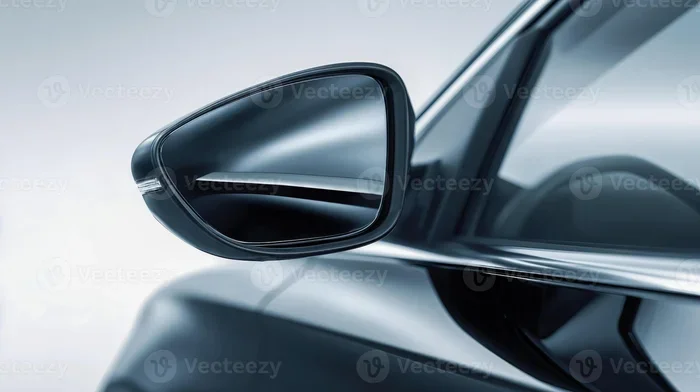
The side mirrors are the two mirrors mounted outside the car, one on each door. They are also known as wing mirrors or exterior mirrors. These mirrors cover the blind spots that the rearview mirror cannot see. Without side mirrors, changing lanes would be a risky guess.
Convex Mirrors: The Secret Behind Wider Views
Most side mirrors use convex glass. Convex mirrors curve outward. This curve allows them to show a much wider area than flat glass. You can see more of the road, more of the cars beside you, and more of the space around your vehicle.
However, there is a trade-off. Convex mirrors make objects look smaller and farther away than they really are. This is why most side mirrors carry a warning that says “Objects in mirror are closer than they appear.” It is not a defect. It is a safety feature that comes with the wide-angle benefit.
Flat vs Convex Side Mirrors
Some cars use flat glass on the driver side mirror and convex glass on the passenger side. This combination gives the best of both worlds. The driver side mirror shows accurate distance. The passenger side mirror gives a wider view. This setup is common in many European and Asian vehicles.
| Feature | Flat Mirror | Convex Mirror |
|---|---|---|
| View Width | Narrower | Wider |
| Distance Accuracy | Accurate | Objects appear farther |
| Blind Spot Coverage | Less | More |
| Common Use | Rearview mirror | Side mirrors |
Knowing the difference between flat and convex glass helps you understand why your mirrors show things the way they do. It also helps you drive more safely and confidently.
How Each Mirror Type Works
Now that you know the types of mirrors, let us talk about how they actually work in real driving situations. Each mirror has a specific role. When they all work together, they create a complete picture of your surroundings.
The Rearview Mirror in Action
When you are driving on a highway, the rearview mirror shows you traffic behind you. Before you slow down, you check the rearview mirror. Before you change lanes, you check it again. It is the first mirror you should look at when you need to know what is going on behind your car.
The rearview mirror works best for seeing cars directly behind you. It covers the lane behind your vehicle. It does not, however, show the lanes to the left or right. That is where the side mirrors come in.
The Side Mirrors in Action
Side mirrors are your best friends when you are merging or turning. Before you change lanes, you look at the rearview mirror first. Then you glance at the side mirror. Finally, you turn your head to check the blind spot. This three-step process is the safest way to change lanes.
Side mirrors also help you when you are parking. They show you how close you are to the curb or to other cars parked beside you. Many drivers rely heavily on their side view mirrors during parallel parking and tight maneuvers.
Blind Spot Mirrors
Some drivers add small convex mirrors to their side mirrors. These are called blind spot mirrors or spotter mirrors. They attach to the corner of the existing side mirror. They provide an even wider angle and help eliminate blind spots completely.
Blind spot mirrors are especially useful for older cars that do not have built-in blind spot monitoring systems. They are affordable, easy to install, and can make a big difference in your daily driving safety.
Mirror Adjustment Tips for Safer Driving
Having mirrors is not enough. You need to adjust them correctly. Poorly adjusted mirrors create huge blind spots. Proper adjustment gives you the best possible view of the road around you.
How to Adjust Your Rearview Mirror
Sit in your driver seat in your normal driving position. The rearview mirror should give you a full view through the back windshield. You should not have to move your head to see clearly. If the mirror is dirty, take a moment to clean it. A clean mirror makes a big difference in visibility.
How to Adjust Your Side Mirrors
Here is a simple method for adjusting side mirrors that many driving experts recommend:
- Left side mirror: Lean your head against the center console. Adjust the mirror so you can just barely see the side of your car on the right edge of the glass.
- Right side mirror: Lean your head toward the center of the car. Adjust the mirror so you can just barely see the side of your car on the left edge of the glass.
- Check both mirrors: Sit back in your normal position. Make sure you can see the road clearly in both mirrors.
This method minimizes blind spots significantly. When a car passes you, it should move from your rearview mirror to your side mirror and then out of your view. If you can see the car in your side mirror for too long, your mirrors may need readjustment.
Quick Tips for Mirror Maintenance
Keep your mirrors in top shape with these simple tips:
- Clean them regularly — Use a soft cloth and glass cleaner.
- Check for cracks — Even small cracks can distort your view.
- Replace damaged housing — The mirror housing protects the glass. If it is broken, get it fixed.
- Adjust after someone else drives — A passenger may have moved the mirrors.
- Use rain-repellent coatings — These help keep side mirrors clear in wet weather.
Taking care of your mirror glass and mirror housing ensures they work well for years. It is a small habit that pays off big time in driving safety.
Common Mirror Problems and How to Fix Them
Mirrors are exposed to the elements every day. They face sun, rain, dust, and sometimes even impacts from other vehicles. Over time, you may notice some common problems with your car mirrors.
Mirror Fogging
In humid weather, mirrors can fog up from the inside. This is especially common in the rearview mirror. A quick wipe with a dry cloth fixes it. Some drivers use anti-fog sprays or install small mirror heaters to prevent fogging altogether.
Mirror Vibrations
If your mirrors shake while driving at high speeds, it can be distracting and even dangerous. Tightening the mirror mount or replacing worn-out parts usually solves this problem. Some aftermarket mirrors come with better vibration dampening.
Electric Mirror Malfunctions
Many modern cars have power-adjustable mirrors. If a mirror stops moving, check the fuse first. Sometimes the motor burns out and needs replacement. In most cases, fixing an electric mirror is straightforward and affordable.
Cracked or Broken Glass
A cracked side mirror reduces your field of view. It is important to replace a cracked mirror as soon as possible. Driving with a damaged mirror can lead to accidents and may even violate traffic laws in many places.
Regularly inspecting your mirrors as part of your car care routine goes a long way. Catching small problems early prevents bigger issues down the road.
Advanced Mirror Technologies in Modern Cars
Car technology has evolved a lot over the past decade. Mirrors are no exception. Modern vehicles now come with smart mirror systems that go way beyond basic glass and housing.
Auto-Dimming Mirrors
Auto-dimming rearview mirrors use sensors to detect bright light from behind. The mirror darkens automatically to reduce glare. This feature is a game-changer for night driving. It protects your eyes and lets you stay focused on the road.
Blind Spot Monitoring Systems
Many new cars come with blind spot monitoring. These systems use sensors near the exterior mirrors to detect vehicles in your blind spots. When a car is detected, a warning light appears on the side mirror or the dashboard. Some systems even give an audio alert if you signal while a car is in your blind spot.
Camera-Based Mirror Systems
Some luxury and concept cars now use cameras instead of traditional mirrors. These cameras feed live video to screens inside the car. They offer better visibility in rain and at night. While not yet standard, this technology is gaining popularity fast.
Even with all these advanced features, the basic principle remains the same. Mirrors help you see what you cannot see directly. Whether it is a simple flat glass or a high-tech camera system, the purpose of car mirrors has not changed since the early days of automobiles.
Mirror Laws and Regulations
Did you know that cars must meet specific mirror requirements by law? In most countries, every vehicle must have at least two side mirrors and one rearview mirror. The mirrors must be in good working condition and properly adjusted.
Driving without a functioning side mirror or rearview mirror can result in a traffic ticket. More importantly, it puts you and others at risk. Always make sure your vehicle mirrors are intact and working before you start driving.
Some regions also have rules about mirror tinting and size. Make sure any aftermarket mirror modifications comply with local laws. Staying compliant keeps you safe and avoids unnecessary fines.
Conclusion
Now you know exactly which mirror is used in car and why each one matters. The rearview mirror gives you a clear view of traffic behind you. The side mirrors and wing mirrors cover the areas the rearview mirror cannot reach. Together, these three mirrors form the foundation of safe driving.
Understanding mirror types in car is not just useful knowledge. It is essential knowledge. Every time you get behind the wheel, your mirrors are your first line of defense. Adjust them properly, keep them clean, and replace them when they are damaged.
Take a moment today to check your mirrors. Adjust them if needed. Clean them if they are dirty. These small actions can make a huge difference in your driving safety. Safe travels start with the right mirrors and the right knowledge.
Frequently Asked Questions
How many mirrors does a standard car have?
A standard car has three mirrors. There is one rearview mirror inside the car and two side mirrors on the outside. Together, these three mirrors give the driver full visibility around the vehicle.
Why do side mirrors show objects as closer than they are?
Side mirrors use convex glass, which curves outward. This curve provides a wider view but makes objects appear smaller and farther away than they actually are. That is why you see the warning label on most side mirrors.
Can I replace a cracked side mirror myself?
Yes, many side mirror replacements are DIY-friendly. You can buy replacement mirrors online or at auto parts stores. However, if the mirror is integrated with turn signals or sensors, professional installation may be safer and easier.
What is the best way to reduce blind spots?
The best way is to adjust your mirrors correctly and always check your blind spot by turning your head. Adding blind spot mirrors or using blind spot monitoring systems also helps significantly reduce blind spots.
Are camera-based mirrors better than traditional mirrors?
Camera-based mirrors offer wider and clearer views in certain conditions like rain or darkness. However, traditional mirrors are still reliable, affordable, and widely used. Many drivers prefer the simplicity of conventional mirrors.
How often should I clean my car mirrors?
You should clean your mirrors at least once a week or whenever they become dirty. Clean mirrors improve visibility and reduce glare. A quick wipe during your regular car wash routine is usually enough.
=== META TITLE ===
Which Mirror Is Used In Car: Simple Guide for Drivers
=== SEO TITLE ===
Which Mirror Is Used In Car Explained Simply For You
=== URL SLUG ===
which-mirror-is-used-in-car-explained-simply
=== META DESCRIPTION ===
Discover which mirror is used in car for safety and visibility. This simple guide covers rearview, side, and wing mirrors with easy tips.