What Is the Use of Sunroof in Car and Why It Matters
A sunroof in car lets fresh air and natural light flood your cabin, making every drive more enjoyable. It adds resale value, improves mood, and gives you that open-road feel without buying a convertible. Whether you choose a standard or panoramic sunroof, this feature transforms how you experience your vehicle every single day.
Have you ever noticed how a car with a sunroof just feels different? The interior looks brighter, the air feels fresher, and the whole driving experience seems more open and freeing. That is the magic of a sunroof in car. It is not just a fancy extra. It is a feature that changes how you connect with your vehicle and the world around you.
Whether you are shopping for a new car or just curious about what your current car offers, understanding the benefits of a sunroof is important. A sunroof does more than look cool. It brings real advantages to your daily drives. In this article, we will explore everything you need to know about sunroofs. From the different types available to common problems and maintenance tips, we have you covered.
By the end of this guide, you will know exactly what a sunroof does, why it matters, and whether it is the right choice for your next car. Let us dive in and explore the world of car sunroofs together.
Key Takeaways
- More Natural Light: A sunroof in car brightens the interior and makes the cabin feel larger and more open.
- Better Ventilation: You can crack open the sunroof to enjoy fresh airflow on warm days.
- Increased Resale Value: Cars with sunroofs often sell for more on the used market.
- Panoramic vs Standard: Know the difference so you pick the right type for your needs.
- Regular Maintenance Matters: Cleaning the seal and drainage system prevents leaks and extends sunroof life.
- Weight and Noise: Be aware that sunroofs add weight and may introduce some road noise.
- Worth the Investment: For most drivers, the comfort and enjoyment a sunroof brings outweigh the downsides.
📑 Table of Contents
- What Is a Sunroof in a Car?
- Key Benefits of Having a Sunroof in Your Car
- Sunroof vs Moonroof: What Is the Difference?
- Types of Sunroofs Available Today
- Common Sunroof Problems and How to Fix Them
- Is a Sunroof Worth It? Final Thoughts
- Expert Insights on Sunroof Maintenance
- Key Takeaways
- FAQs
- Conclusion
What Is a Sunroof in a Car?
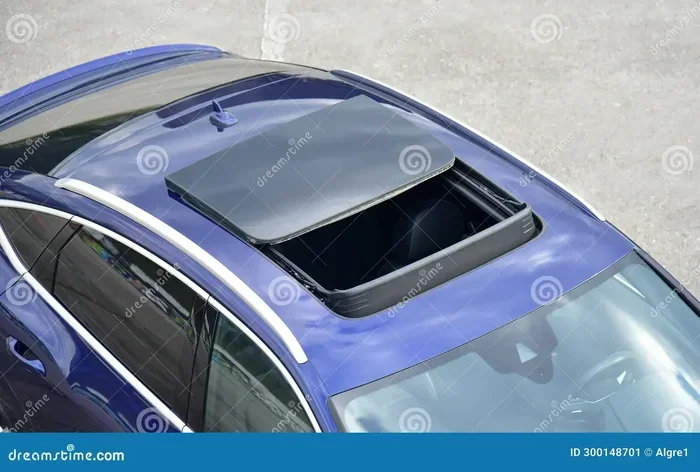
A sunroof in car is a movable panel installed in the roof of your vehicle. It lets light and air enter the cabin from above. Most sunroofs are made of glass or tinted acrylic. They can slide open, tilt, or even pop out depending on the design.
The basic idea is simple. Your car roof is solid and blocks light from entering. A sunroof removes that barrier. It creates a connection between the inside of your car and the outside world. Even when closed, a glass sunroof floods the interior with natural light.
Sunroofs have been around for decades. Early versions were simple metal panels that could be removed entirely. Today, they are engineered with motors, seals, and drainage systems. Modern car sunroof designs are sleek, quiet, and incredibly functional. They are a standard feature on many mid-range and luxury vehicles.
How Does a Car Sunroof Work?
Most modern sunroofs use an electric motor. You control them with a switch on the dashboard or console. When you press the button, the motor slides or tilts the panel. A sunroof motor drives a track system that moves the glass smoothly.
When the sunroof is open, a sunroof drainage system channels rainwater away from the cabin. Small channels along the edges of the frame direct water through tubes that exit near the wheels. This system is clever and effective. It keeps your car interior dry even when the sunroof is open in light rain.
The glass panel usually has a sunroof tint or UV coating. This blocks harmful rays from reaching your skin and your car seats. It also helps keep the cabin cooler on hot days. Some sunroofs come with a sliding sunshade that you can adjust to control how much light enters.
Key Benefits of Having a Sunroof in Your Car
Why should you care about a sunroof? Because it offers benefits that go far beyond looks. Let us break down the real advantages of having a sunroof in car setup.
1. Natural Light and a Spacious Feel
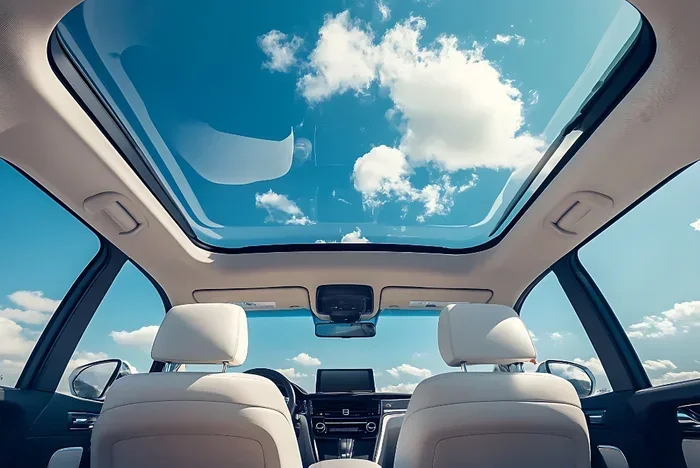
The most immediate benefit of a sunroof is the light it brings. A glass panel on your roof fills the cabin with sunshine. This makes the interior feel airy and open. Even in smaller cars, a sunroof can create the illusion of more space.
Natural light also boosts your mood. Studies show that sunlight helps reduce stress and improve focus. On a long drive, that extra light can make you feel more alert and relaxed. It is one of the simplest ways to improve your car’s interior atmosphere.
2. Fresh Air and Ventilation
A sunroof ventilation feature lets you crack open the roof while driving. This creates a flow of fresh air through the cabin. It is especially useful on warm days when you want to cool down without blasting the air conditioning.
Many drivers love tilting the sunroof slightly while on the highway. It creates a gentle breeze without causing too much wind noise. This is a great way to enjoy the outdoors while staying safe and comfortable inside your car.
3. Enhanced Driving Experience
There is something magical about driving with the sunroof open. You feel more connected to your surroundings. The sound of birds, the smell of fresh air, and the warmth of the sun all become part of the drive.
Many car enthusiasts say a sunroof makes even a short commute feel special. It adds a sense of freedom that a closed roof simply cannot match. If you enjoy road trips or scenic drives, a sunroof can truly elevate the experience.
4. Improved Resale Value
Cars with sunroofs tend to hold their value better. When it is time to sell or trade in, buyers often pay more for a vehicle with a panoramic sunroof or a well-maintained standard sunroof. It is considered a desirable feature in the used car market.
This is especially true in sunny climates. Buyers in warm regions love sunroofs because they reduce the need for extra cooling. If you plan to keep your car for several years, a sunroof can pay for itself through a higher resale price.
5. Aesthetic Appeal and Modern Look
Let us be honest. A sunroof looks amazing. It gives your car a sleek, modern appearance. Many automakers design their vehicles around a large glass roof. A panoramic roof car looks stunning and stands out on the road.
The interior also benefits from this design choice. A panoramic sunroof spans from the front seats to the rear. It creates a seamless, open feel that is hard to achieve with any other feature. If you take pride in your car’s appearance, a sunroof is a great investment.
Sunroof vs Moonroof: What Is the Difference?
People often use the words sunroof and moonroof interchangeably. But they are not exactly the same thing. Understanding the difference helps you make a better choice when buying a car.
What Is a Sunroof?
A traditional sunroof is a solid or glass panel that can be removed or tilted. Older sunroofs were often made of metal and could be taken out entirely. Today, most sunroofs are glass panels that slide or tilt open. They let in light and air but are fixed to the car’s roof.
What Is a Moonroof?
A moonroof is a type of sunroof that is always made of glass. It cannot be removed. Instead, it slides or tilts to let air in. Moonroofs usually have an interior sliding shade to control light. Most modern cars use the term moonroof when referring to glass roof panels.
Which One Should You Choose?
For most drivers, the difference is minor. Both options provide light and ventilation. If you want a removable panel, look for a traditional sunroof. If you prefer a glass panel with a shade, a moonroof is the way to go. Either way, you get the core benefits of an open roof experience.
| Feature | Sunroof | Moonroof |
|---|---|---|
| Material | Glass or metal | Glass only |
| Removable | Sometimes | No |
| Light Entry | Yes | Yes |
| Ventilation | Yes | Yes |
| Modern Usage | Less common | More common |
| Interior Shade | Varies | Usually included |
Types of Sunroofs Available Today
Not all sunroofs are the same. Automakers offer several types, each with unique features. Knowing your options helps you decide what works best for your lifestyle.
1. Standard Sliding Sunroof
This is the most common type. A single glass panel slides between the roof and the headliner. It opens partially to let in air and light. Standard sliding sunroofs are reliable, affordable, and easy to maintain. They are found on many mainstream cars and SUVs.
2. Panoramic Sunroof
A panoramic sunroof is a large glass panel that covers a big portion of the roof. Some panoramic roofs span the entire length of the car. They give both front and rear passengers access to natural light. Panoramic roofs feel luxurious and spacious. They are popular in SUVs, sedans, and crossovers.
3. Pop-Up or Tilt Sunroof
This type tilts open at the top to release heat and let in fresh air. It does not slide fully open. Pop-up sunroofs are simple and lightweight. They are often found in older or more affordable cars. They are easy to operate and require less complex mechanics.
4. Spoiler Sunroof
A spoiler sunroof sits on top of the rear section of the roof. It looks sporty and aerodynamic. This type is common on hatchbacks and sports cars. It adds a dynamic look while still providing light and ventilation.
5. Built-In Sunshade
Many modern sunroofs come with an integrated sunshade. This is a retractable cover that slides over the glass panel. It blocks light completely when you want a dark cabin. Some sunshades are manual, while others are electric. This feature is especially useful for keeping the car cool in summer.
Common Sunroof Problems and How to Fix Them
A sunroof is a complex piece of engineering. Like any moving part, it can develop issues over time. Knowing the common problems helps you address them early.
1. Sunroof Leaks
A leaking sunroof is one of the most common complaints. Water seeps into the cabin through worn seals or clogged drainage channels. The sunroof drainage system can get blocked by leaves, dirt, and debris. When the channels are clogged, water has nowhere to go and overflows into the car.
Quick Fix: Clean the drainage tubes regularly. Use a soft brush or compressed air to clear any blockages. Check the rubber seals for cracks or wear. Replace them if needed. A small amount of silicone lubricant can keep seals flexible and watertight.
2. Sunroof Noise
Some drivers notice wind noise or rattling when the sunroof is open. This can happen if the seals are loose or the glass panel is not aligned properly. Road noise can also increase with a sunroof because there is less insulation on the roof.
Quick Fix: Have the alignment checked by a mechanic. Replace worn seals. Some drivers add a sunroof wind deflector to reduce noise and buffeting. This is a simple and affordable accessory that makes a big difference.
3. Sunroof Stuck or Slow Movement
If your sunroof moves slowly or gets stuck halfway, the motor or track may be the issue. Dirt and grime can build up on the tracks. The motor can also weaken over time. In cold weather, ice can block the panel from moving.
Quick Fix: Clean the tracks with a damp cloth and mild soap. Lubricate them with a silicone-based lubricant. If the motor fails, it may need professional replacement. Always check for ice or debris before forcing the sunroof open in winter.
4. Sunroof Tint Fading
The UV tint on a sunroof can fade over time. This happens after years of sun exposure. Faded tint looks uneven and may reduce the UV protection of the glass.
Quick Fix: Apply a UV-protectant film to the inside of the glass. This is a DIY option that extends the life of your sunroof tint. Some tinting shops also offer professional re-tinting services.
Is a Sunroof Worth It? Final Thoughts
The big question is whether a sunroof is worth the extra cost. The answer depends on your priorities and driving habits. Let us look at the pros and cons to help you decide.
Pros of a Sunroof
- More natural light makes the cabin feel open and inviting.
- Better ventilation on warm days without opening windows.
- Enhanced resale value when it is time to sell.
- Aesthetic appeal that gives your car a premium look.
- Improved mood and driving enjoyment on long trips.
Cons of a Sunroof
- Added weight to the vehicle, which can slightly affect fuel efficiency.
- Potential for leaks if seals and drainage are not maintained.
- Higher cost on the initial purchase price.
- Reduced headroom in some models with thick sunroof frames.
- Extra maintenance to keep seals, tracks, and drainage clean.
For most drivers, the benefits outweigh the drawbacks. A sunroof adds real value to your driving experience. It makes your car feel more spacious, brighter, and more connected to the outside world. As long as you maintain it properly, a sunroof will serve you well for many years.
If you are still on the fence, consider this: a sunroof is one of those features you either love or do not notice at all. Most people who have one say they would not go back to a car without it. It is a small luxury that makes a big difference in your daily life.
When shopping for your next car, pay attention to the sunroof options available. Test drive a few models with and without a sunroof. You will quickly feel the difference. And once you experience the open, airy feeling of a glass roof above you, you will understand why so many drivers consider it a must-have feature.
Whether you choose a standard sliding sunroof or a wide panoramic glass roof, you are investing in a better driving experience. A sunroof in car is more than just a fancy add-on. It is a practical, enjoyable feature that enhances every journey you take.
Expert Insights on Sunroof Maintenance
Automotive experts agree that sunroof maintenance is simple but essential. Here are some tips from seasoned mechanics and car care professionals.
Clean the seals every three months. Use a mild cleaner and a soft cloth. This prevents cracking and keeps the seal watertight. Check the drainage tubes twice a year. Flush them with water to clear any blockages. Lubricate the tracks regularly. A silicone-based lubricant keeps the sunroof sliding smoothly. Avoid parking under trees. Leaves and debris can clog the drainage system quickly. Address small issues early. A tiny leak today can become a big problem tomorrow if ignored.
Following these simple steps will keep your sunroof in excellent condition. It will also prevent costly repairs down the road. A well-maintained sunroof lasts the lifetime of the vehicle with minimal issues.
Key Takeaways
- More Natural Light: A sunroof in car brightens the interior and makes the cabin feel larger and more open.
- Better Ventilation: You can crack open the sunroof to enjoy fresh airflow on warm days.
- Increased Resale Value: Cars with sunroofs often sell for more on the used market.
- Panoramic vs Standard: Know the difference so you pick the right type for your needs.
- Regular Maintenance Matters: Cleaning the seal and drainage system prevents leaks and extends sunroof life.
- Weight and Noise: Be aware that sunroofs add weight and may introduce some road noise.
- Worth the Investment: For most drivers, the comfort and enjoyment a sunroof brings outweigh the downsides.
FAQs
Can a sunroof be added to any car?
Not every car can have a sunroof added after purchase. Factory-installed sunroofs are built into the roof structure and are the safest and most reliable option. Aftermarket sunroof installations are possible but require professional work. They can be expensive and may void your warranty. Always consult a trusted mechanic before attempting an aftermarket installation.
Does a sunroof make a car heavier?
Yes, a sunroof adds some weight to the vehicle. A typical glass sunroof panel weighs between 15 and 30 pounds depending on the size. This added weight can slightly reduce fuel efficiency. However, the impact is minimal for most drivers. The benefits of a sunroof usually outweigh the small decrease in fuel economy.
How do I prevent my sunroof from leaking?
Regular maintenance is the key to preventing leaks. Clean the rubber seals with a mild cleaner every few months. Flush the drainage tubes with water at least twice a year. Remove leaves and debris from the roof channels. If you notice any cracks in the seals, replace them immediately. These simple steps keep your sunroof watertight and trouble-free.
Is a panoramic sunroof the same as a regular sunroof?
A panoramic sunroof is larger than a regular sunroof. It usually covers a big portion of the roof, sometimes spanning from front to back. A regular sunroof is typically a single panel over the front seats. Both provide light and ventilation, but a panoramic roof creates a more open and luxurious feel.
Does a sunroof affect car insurance?
In most cases, a sunroof does not change your insurance premium. However, if the sunroof is damaged or needs repair, it may cost more than a standard roof repair. Some insurance policies cover sunroof damage under comprehensive coverage. Always check with your insurance provider to understand your specific policy details.
Can I drive with the sunroof open in the rain?
It is not recommended. While most sunroofs have drainage systems, driving in heavy rain with the sunroof open increases the risk of water entering the cabin. Light drizzle with the sunroof slightly tilted is usually fine. But for safety and to avoid leaks, keep the sunroof closed during rain showers.
Conclusion
A sunroof in car is one of those features that truly transforms your driving experience. It brings natural light, fresh air, and a sense of openness that makes every ride more enjoyable. Whether you choose a standard sliding sunroof or a sweeping panoramic glass roof, the benefits are clear.
From improved mood to better resale value, a sunroof adds real value to your vehicle. It is not just about looks. It is about how your car makes you feel every time you get behind the wheel. With proper maintenance, a sunroof will serve you reliably for years to come.
If you are considering a car with a sunroof, go for it. If you already have one, take care of it. A well-maintained sunroof is a small luxury that pays big dividends in comfort and enjoyment. Drive bright, drive open, and make the most of every mile.